DbcultAccessing Vault...
Cult Review
Senior Film Conservator
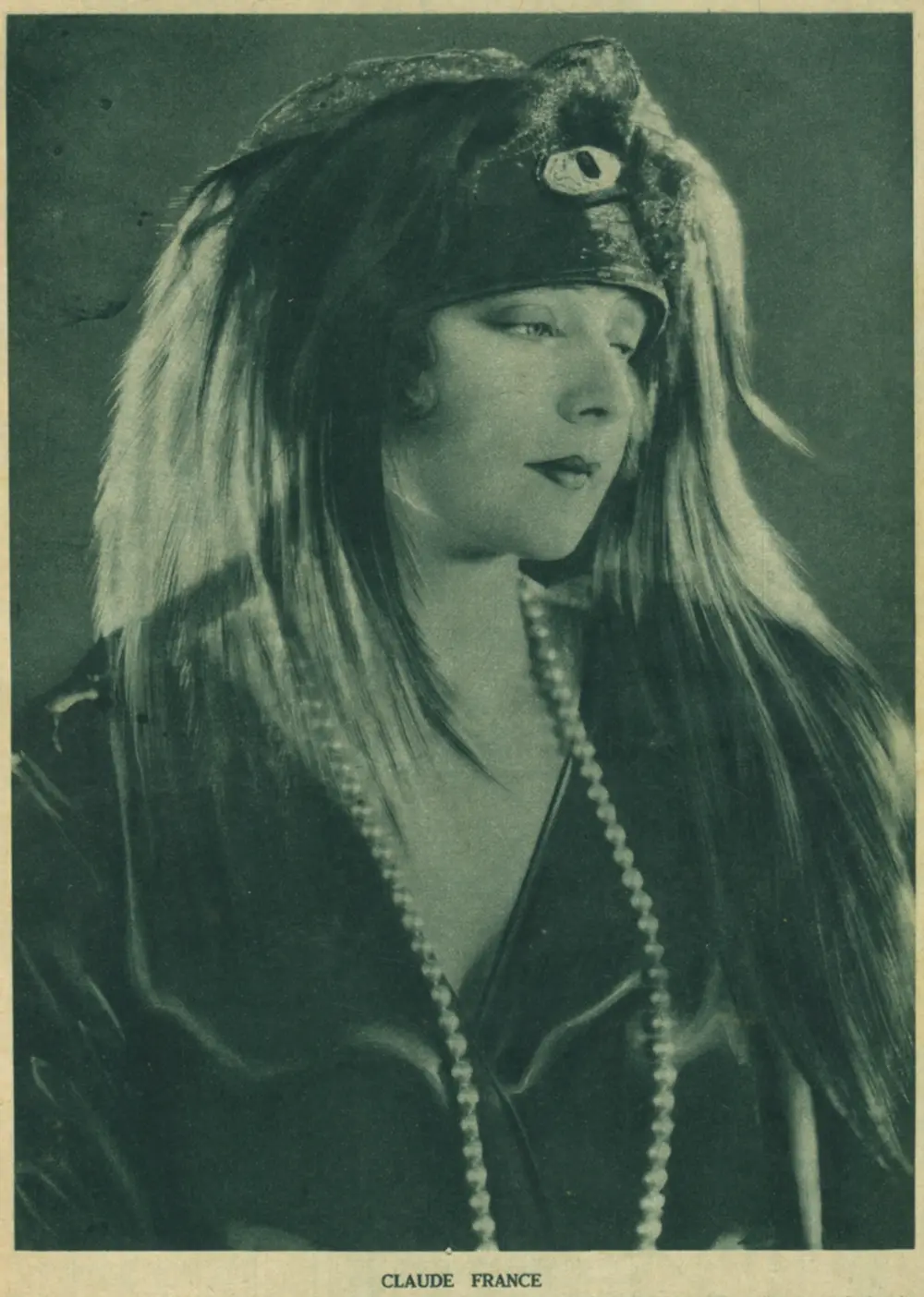
Is Lady Harrington, a silent film from a bygone era, still worth seeking out in our fast-paced cinematic landscape? Short answer: yes, but with significant caveats. This is not a film for casual viewers accustomed to contemporary narrative structures or rapid-fire editing; it demands patience and an appreciation for the unique artistry of early cinema.
It is a profound experience for those who cherish the historical context of film, the expressive power of silent acting, and the foundational elements of melodrama. However, if you struggle with slower pacing, the absence of spoken dialogue, or find period-specific dramatic conventions to be too archaic, this film will likely test your endurance.
Silent cinema often speaks loudest through its silences, and Lady Harrington is a prime example of this paradox. Directed with an eye for the grand theatricality of the era, the film presents a world where emotions are writ large on faces and bodies, where every gesture carries the weight of unspoken desire or suppressed agony. It is a time capsule, certainly, but one that still pulses with a raw, human heart, albeit one beating to a different rhythm than we are used to.
The film works because it commits wholeheartedly to its melodramatic premise, allowing its exceptional lead, Charley Sov, to command the screen with an intensity that transcends the lack of dialogue. It fails, however, in its occasional reliance on overly simplistic plot devices that can feel contrived to a modern sensibility, detracting from the otherwise compelling emotional core. You should watch it if you are fascinated by the origins of film acting, the nuanced portrayal of societal constraints, and the sheer expressive power of the human face when stripped of spoken language.
Charley Sov, as Lady Harrington, delivers a performance that is nothing short of captivating. Her eyes, often downcast in sorrow or wide with nascent hope, are the true dialogues of the film. In a particularly striking scene, as she gazes out of a rain-streaked window, one can almost feel the weight of her unspoken longing for the artist, played with a charming earnestness by Joë Hamman. Sov navigates the delicate balance between aristocratic reserve and burgeoning passion with remarkable grace, using subtle shifts in posture and a quiver of the lip to convey entire paragraphs of internal monologue. It’s a masterclass in silent film acting, reminding us that true performance needs no words.
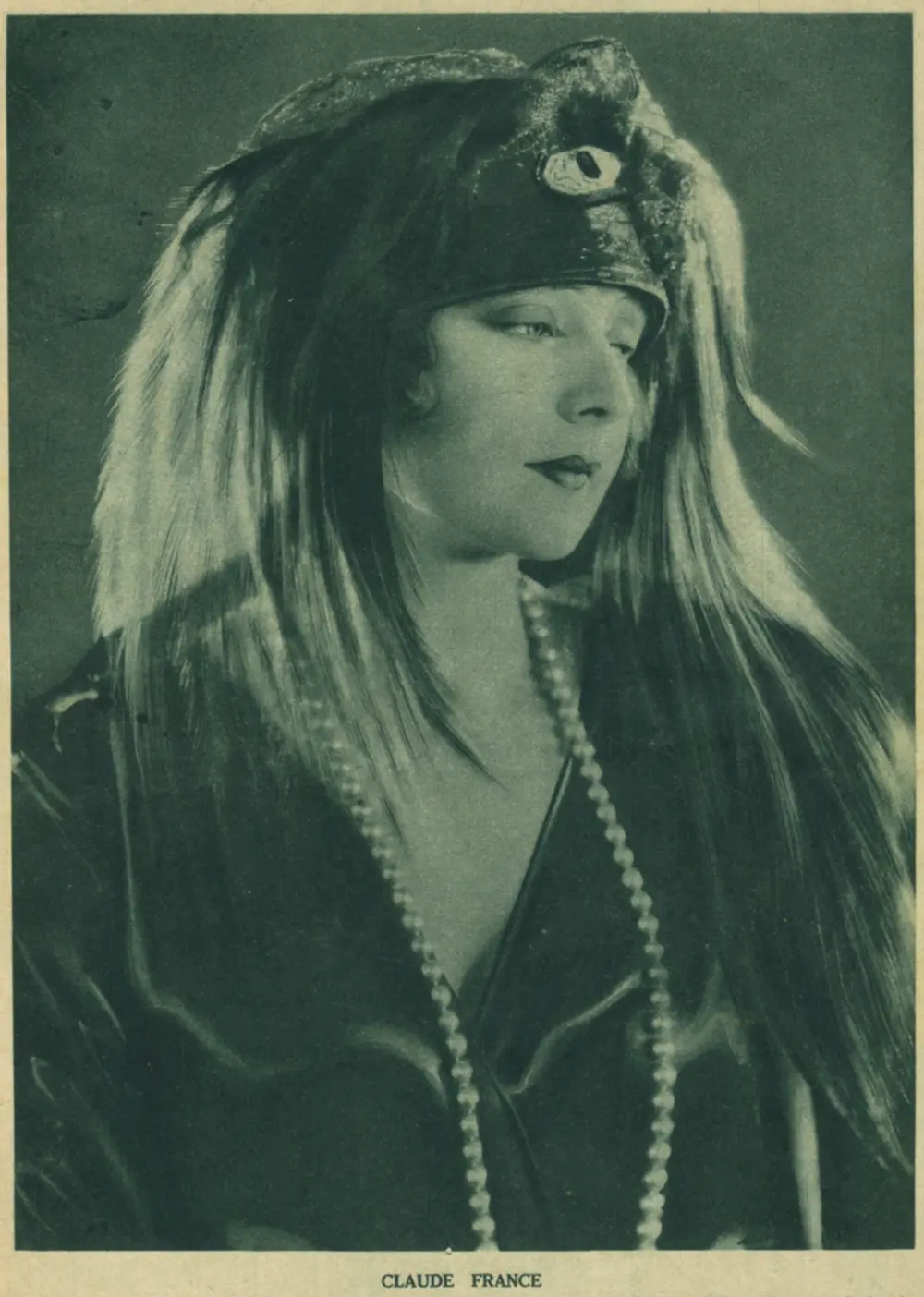
Francine Mussey, portraying the manipulative secretary, offers a delicious counterpoint to Sov’s tragic heroine. Mussey’s performance is all sharp angles and knowing glances, a coiled serpent in the drawing-room. Her scenes often feel charged with a simmering malevolence, particularly one instance where she subtly intercepts a letter, her expression a fleeting mask of concern that quickly gives way to a smirk once Lady Harrington has departed. This contrast creates a vibrant dramatic tension that keeps the narrative engaging, even when the plot occasionally meanders.
The direction, while adhering to the conventions of early cinema, still manages to impress with its visual storytelling. The use of deep focus in some of the grander interior shots, particularly within the Harrington estate, effectively conveys the oppressive grandeur of Lady Harrington's world. The director understands the power of framing a solitary figure against an imposing backdrop, emphasizing her isolation. This is evident in a recurring motif where Lady Harrington is often framed by archways or shadowed corridors, visually representing her entrapment.
However, the pacing, characteristic of the era, can feel sluggish to contemporary viewers. While it allows for lingering on emotional beats, there are moments, especially in the film’s midsection, where a tighter edit could have amplified the dramatic impact. It’s a film that asks you to slow down, to absorb each tableau, which is a strength for some and a challenge for others. Compared to the more dynamic editing we see in films like The Light in the Dark, Lady Harrington feels more akin to a moving painting, a deliberate choice that shapes its unique rhythm.
The cinematography of Lady Harrington is a testament to the artistry of silent film, even with the technical limitations of the time. The lighting, often stark and high-contrast, sculpts the faces of the actors, highlighting their expressions with dramatic flair. Shadows are not merely an absence of light; they are characters in themselves, concealing secrets, deepening mysteries, and emphasizing the emotional turmoil of the characters.
Consider the scene where Lord Harrington (Jacques Henley) confronts his wife, his face half-obscured by shadow, making his stern pronouncements feel even more imposing. This deliberate use of chiaroscuro creates a palpable sense of tension and foreboding, a visual language that transcends the need for dialogue. The film doesn't shy away from close-ups, allowing the audience to intimately connect with the subtle shifts in emotion on Charley Sov's face, a technique that was still evolving but used here to great effect.
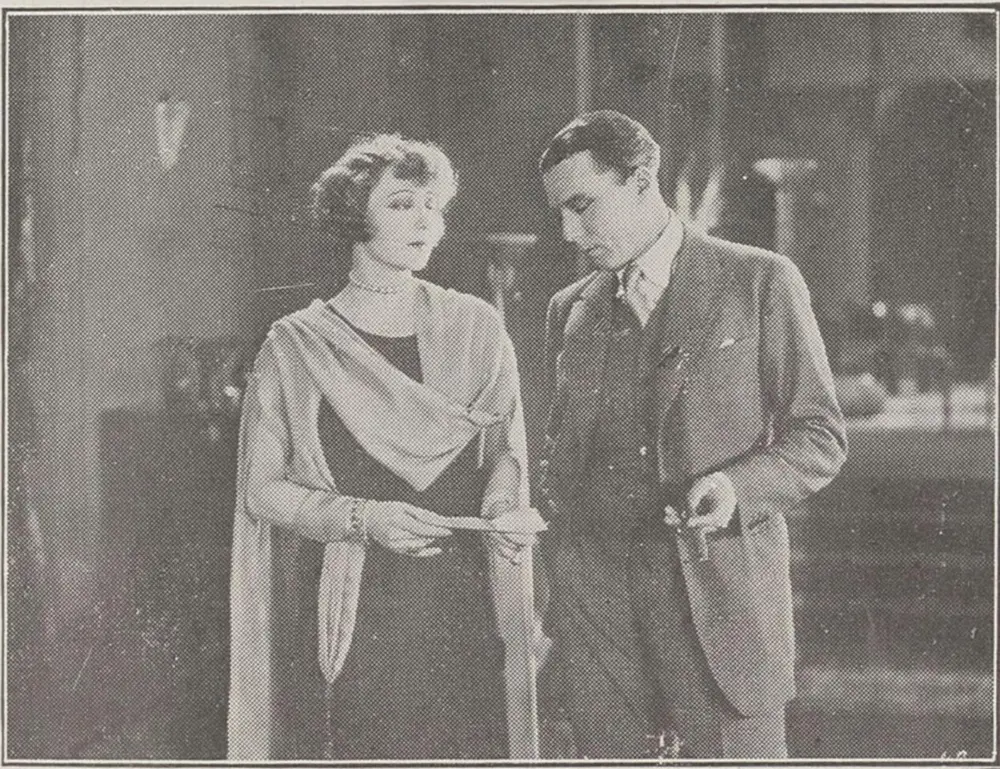
The tone is overwhelmingly melodramatic, as one would expect from a film of this period focusing on forbidden love and societal scandal. There’s a delicious earnestness to the heightened emotions, a commitment to expressing every pang of sorrow and every burst of joy with unreserved clarity. While some might find this theatricality over-the-top, it’s precisely what makes the film so compelling within its genre. It doesn't attempt realism; it aims for emotional truth through exaggeration, a common and effective technique in silent storytelling.
However, this unwavering commitment to melodrama occasionally tips into predictability. The villain's machinations, while effectively portrayed by Francine Mussey, sometimes lack the subtlety that might surprise a modern audience. We know she's up to no good almost immediately, and while her actions are entertaining, the lack of genuine suspense regarding her intentions can be a minor detractor. This is a film that values emotional impact over intricate plot twists, a common characteristic of its time.
One surprising observation is how modern Charley Sov’s performance feels in certain moments. While rooted in the exaggerated gestures of silent film, there are flashes where her internal struggle feels remarkably contemporary, almost anticipating the understated acting styles of later eras. It’s as if she’s trying to break free not just from her character’s societal constraints, but from the very acting conventions of her time. This isn't universally true, but those fleeting instances are powerful.
Here's a strong, debatable opinion: Lady Harrington, despite its narrative simplicity, is more sophisticated in its emotional landscape than many of its contemporaries. While films like The Dangerous Age might tackle similar themes of female struggle, Lady Harrington delves deeper into the psychological toll of societal repression, rather than merely presenting a series of dramatic events. It’s less about what happens, and more about what it feels like to be trapped.
Another contentious point: the film’s ending, while satisfying in a classic melodramatic sense, could have benefited from a touch more ambiguity. The neat resolution, while providing closure, slightly undermines the profound sense of struggle that precedes it. Sometimes, an unresolved question can be more impactful than a perfectly tied bow. This is where Lady Harrington plays it safe, perhaps to its detriment in the long run.
"The true tragedy of Lady Harrington isn't her forbidden love, but the societal structure that makes such love a forbidden act in the first place. The film is a quiet rebellion."
Lady Harrington is a fascinating artifact, a silent film that, despite its age and some predictable narrative beats, still manages to resonate with a surprising emotional depth. It works. But it’s flawed. Charley Sov’s performance alone makes it a worthwhile endeavor for anyone with an interest in the foundations of screen acting. Her portrayal of a woman stifled by expectation and yearning for freedom is timeless, a testament to the power of non-verbal communication in cinema. While its pacing and melodramatic conventions might not appeal to everyone, for those willing to immerse themselves in its unique rhythm, it offers a rewarding and often poignant experience.
It’s a film that reminds us that stories of love, betrayal, and the search for identity are universal, regardless of whether they are whispered in grand drawing-rooms or shouted across digital screens. It is not a forgotten masterpiece in the conventional sense, but it is certainly a valuable piece of cinematic history that deserves to be rediscovered and appreciated for its quiet intensity and the remarkable performances it showcases. Seek it out if you’re prepared to listen to the whispers of a bygone era; they still have something to say.
IMDb 6.1
1917
Community
Log in to comment.