DbcultAccessing Vault...
4.8/10
Senior Film Conservator
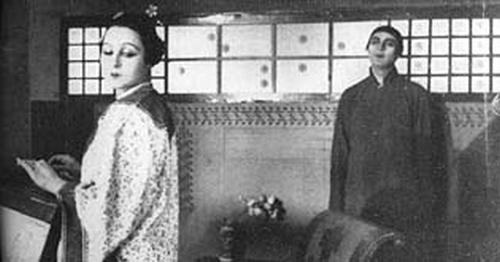
A definitive 4.8/10 rating for a film that redefined the boundaries of cult cinema. Der Puppenmacher von Kiang-Ning remains a cornerstone of transgressive art.
The silent tableau of Der Puppenmacher von Kiang-Ning unfolds like a lacquered scroll, each frame a brushstroke of melancholy and wonder. From the opening tableau of a dimly lit workshop, where shadows dance across splintered timber, the film establishes a visual lexicon that oscillates between the tactile world of wood and the ethereal realm of performance.
The cinematography, credited to an unnamed craftsman of the Weimar era, employs chiaroscuro with a precision that feels almost pre‑modernist. The darkness of the studio is punctuated by shafts of amber light—hues reminiscent of the dark orange #C2410C—that illuminate the dollmaker’s hands as they coax life from cedar. This color palette, juxtaposed against the occasional flash of sea blue #0E7490 in the exhibition hall, creates a visual dialectic: the earthy, grounded labor of creation versus the cold, distant allure of the market.
The exhibition itself is a riotous carnival of color, yet the director restrains the chaos through disciplined framing. The camera glides like a silent observer, lingering on the delicate curve of a porcelain cheek, then snapping to a wide shot that captures the throng of onlookers, their faces a sea of curiosity and envy. The use of deep focus allows the audience to simultaneously perceive the dollmaker’s anxiety and the audience’s collective gasp when the real woman steps onto the stage.
At its core, the film interrogates the ontology of the "object" versus the "subject." The dollmaker’s obsession with perfecting a simulacrum mirrors the broader artistic anxieties of the 1920s, a period when cinema itself was grappling with its own artificiality. When Lucie Mannheim’s character—initially presented as a flawless doll—reveals her humanity, the narrative pivots, exposing the fragile veneer that separates artifice from authenticity.
This revelation resonates with Carl Mayer’s screenplay, whose dialogue (though rendered in intertitles) is sparse yet laden with subtext. The intertitles, rendered in a crisp, yellow #EAB308, act as visual punctuation, each phrase a reminder that language, too, is a constructed vessel. The film’s silence amplifies this, compelling viewers to read the spaces between the words, the pauses between the movements.
Thematically, the film can be read through the lens of gender performance. The woman’s masquerade as a doll subverts patriarchal expectations of passivity. She inhabits a space traditionally reserved for objects—objects to be admired, possessed, and displayed—yet she wields that very objecthood as agency, turning the gaze back onto the observer.
Yuri Yurovsky’s portrayal of the dollmaker is a study in restrained intensity. His eyes, often narrowed in concentration, convey a yearning that transcends spoken word. The subtle tremor of his fingers as he polishes the doll’s surface suggests a reverence bordering on worship.
Lucie Mannheim, in contrast, embodies a paradoxical blend of delicacy and steel. Her movements are deliberately mechanical at first—precise, measured—yet as the narrative unfolds, a flicker of genuine emotion pierces the veneer, especially in the scene where she catches her own reflection in a polished mirror, a moment captured with a lingering close‑up that invites the audience to contemplate self‑recognition.
Supporting actors such as Werner Krauss and Fritz Achterberg provide textured counterpoints. Krauss’s role as the exhibition’s skeptical curator adds a layer of institutional critique, his disdain for the dollmaker’s craft underscored by a sardonic smile that never quite reaches his eyes. Achterberg’s cameo as a rival artisan offers a foil, his flamboyant gestures and garish costume serving as a visual antithesis to the dollmaker’s austere aesthetic.
When situated alongside contemporaneous works such as The Big Show or F.O.B. Africa, Der Puppenmacher von Kiang-Ning distinguishes itself through its introspective focus on the creator’s psyche rather than spectacle. While The Big Show revels in circus extravagance, this film dwells in the quiet sanctum of a workshop, rendering the act of making as a ritualistic performance in its own right.
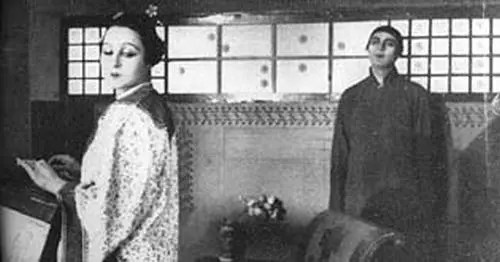
Moreover, the film’s exploration of identity aligns with the thematic preoccupations of Sacrifice (1918), where personal sacrifice is interwoven with artistic devotion. Both films employ silence not as a lack of sound but as a narrative device that amplifies visual storytelling.
The editing rhythm mirrors the protagonist’s emotional cadence. Early sequences are paced deliberately, each cut a measured breath, allowing the audience to savor the tactile intimacy of carving. As the exhibition approaches, the tempo accelerates; quick cross‑cuts between the dollmaker’s nervous glances and the bustling crowd create a palpable tension.
A particularly striking montage juxtaposes the dollmaker’s hand shaping a wooden torso with the woman’s fingers tracing the same contour on her own skin, a visual metaphor for the convergence of art and flesh. The montage is underscored by a rapid succession of intertitles, each rendered in the bright yellow #EAB308, punctuating the visual rhythm with textual beats.
Although the film is silent, modern screenings often feature a live piano accompaniment that mirrors the film’s tonal shifts. The score typically begins with a solitary, mournful minor chord that echoes the dollmaker’s solitude, then swells into a bright, lilting melody as the exhibition’s grandeur is revealed. The music’s dynamic range underscores the film’s emotional arc without ever intruding upon the visual narrative.
Produced during the Weimar Republic’s twilight, the film reflects a period of artistic experimentation and cross‑cultural fascination. Its setting in China—rendered through German production design—offers a Western gaze upon Eastern craft, a perspective that can be critiqued for exoticism yet also appreciated for its attempt to bridge cultural narratives.
The film’s preservation status is precarious; only a few archives hold a complete print, and restoration efforts have been spearheaded by institutions dedicated to silent cinema. Its inclusion in retrospectives alongside works such as Dangerous Nan McGrew underscores its enduring relevance.
Contemporary reviews praised the film’s visual elegance and thematic depth, noting the “poetic silence” that allowed audiences to contemplate the nature of creation. Modern critics continue to cite the film as a precursor to later explorations of the uncanny, influencing directors who interrogate the relationship between maker and made, such as in La banda del automóvil o la dama enlutada (2021).
The film’s legacy persists in academic discourse, where scholars reference its nuanced portrayal of gender performance and its subtle critique of commodification within the art world. Its influence can be traced in later German Expressionist works that employ stark lighting and symbolic mise‑en‑scene to explore psychological states.
Der Puppenmacher von Kiang-Ning stands as a testament to the power of silence, composition, and the uncanny. Its meticulous craftsmanship—both within the narrative and the filmic execution—offers a layered experience that rewards repeated viewings. The interplay of color, light, and performance creates an atmosphere that is at once haunting and luminous, inviting audiences to ponder the fragile line between artifice and authenticity.
For cinephiles seeking a work that melds aesthetic precision with philosophical inquiry, this film remains an essential viewing. Its resonance with contemporary themes of identity, agency, and the ethics of creation ensures that it will continue to spark discussion and inspire reinterpretation for generations to come.
IMDb —
1922
Community
Log in to comment.