DbcultAccessing Vault...
6.7/10
Senior Film Conservator
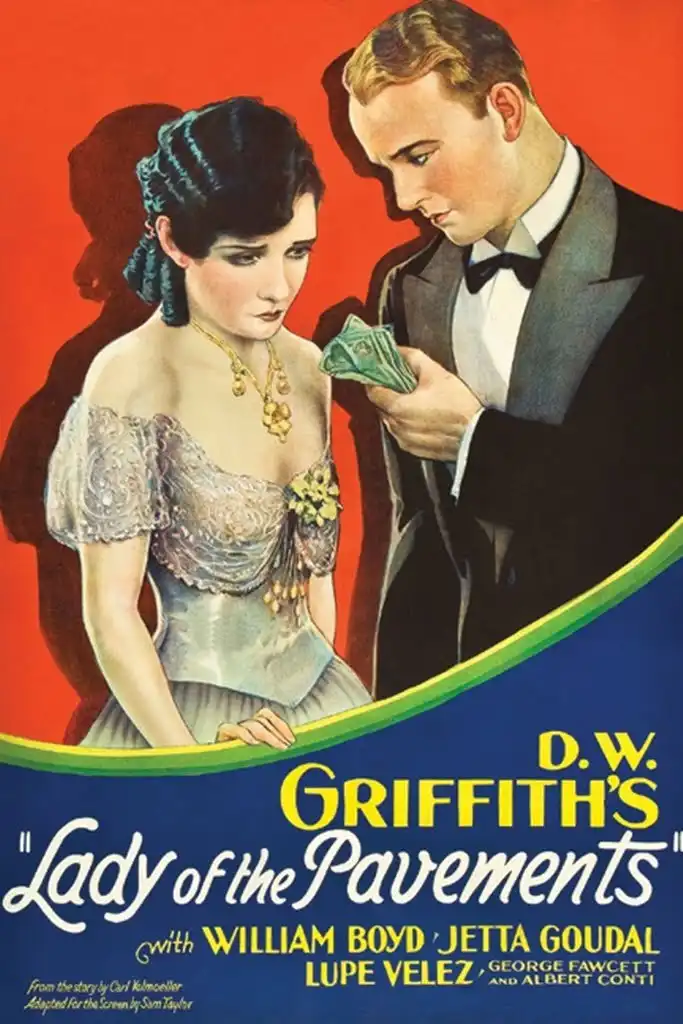
A definitive 6.7/10 rating for a film that redefined the boundaries of cult cinema. Lady of the Pavements remains a cornerstone of transgressive art.
Okay, so Lady of the Pavements from 1929 is a bit of a curious watch today. If you're into the wild energy of early talkies or the expressive drama of late silent films, especially those with a real spark from their lead, then yeah, give it a go. It's got that classic "good girl pretending to be bad" thing going on. But if silent movies generally bore you, or if you need every plot point to feel super logical, then this might be a tough sit.
Lupe Velez, as Nan, absolutely carries this film. She's just electric. You can't take your eyes off her when she's on screen, whether she's singing in that smoky club or trying to figure out how to act "high society." She’s got this incredible ability to go from vulnerable to fierce in a blink. ✨
There’s this one scene where she's trying to learn proper etiquette, like how to hold a teacup. Her expressions, priceless really. You feel her frustration, but also this fierce determination. It’s not just acting; it feels like she's really feeling it.
Then, there’s the whole "girl of the streets" setup. It's pretty on the nose, but Velez brings so much nuance to it. She's not just a caricature, you know? She's a person trying to navigate this bizarre situation handed to her.
The whole premise kicks off with a German diplomat, Karl (played by William Boyd), getting his heart stomped on by his fiancée, Isis (Jetta Goudal). He blurts out that he'd rather marry "a girl of the streets" than her. Ouch. Isis, being the scorned type, decides to take him literally. She finds Nan, a nightclub singer with a surprisingly refined past—convent-educated, no less. It’s all very dramatic, you know?
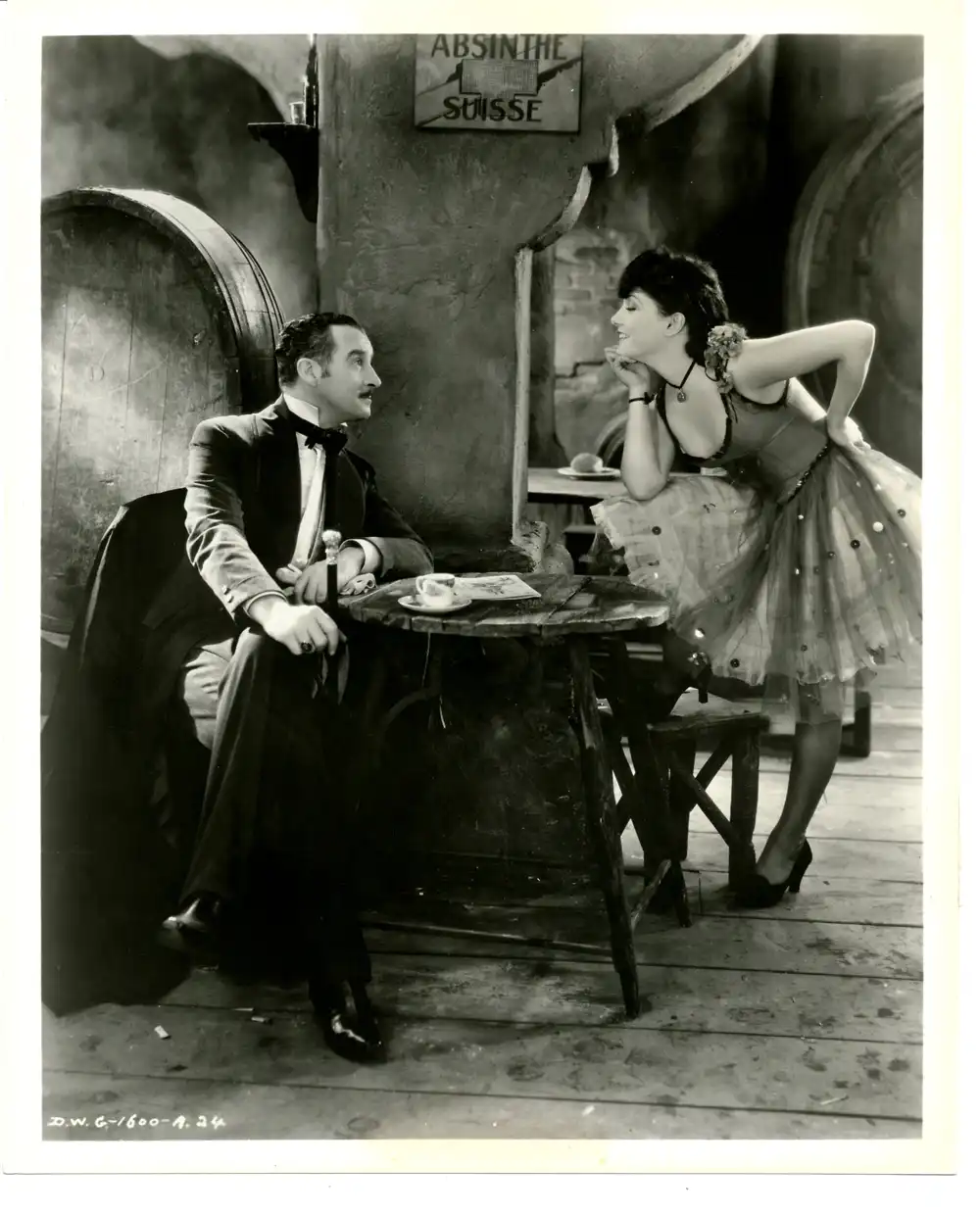
The plot twists are exactly what you'd expect from a melodrama of this era. Sometimes it feels a little forced, like the movie really wants you to believe in these grand gestures. There are moments when you just want to shake Karl and tell him to get a grip. 🙄
Jetta Goudal as Isis is the perfect villainess, all sneering looks and elaborate gowns. She doesn't have a ton of screen time, but every second she's there, she makes an impression. Her silent glares speak volumes.
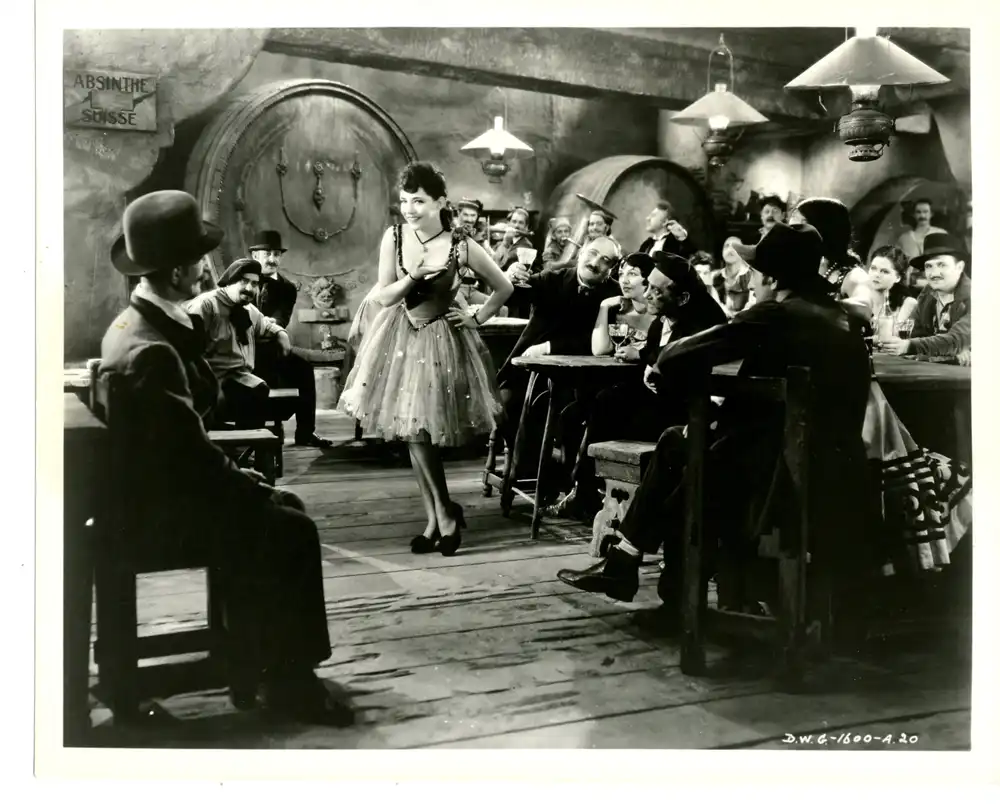
I remember this shot where Nan is first introduced, singing in the club. The way the light hits her, and how she just owns the stage, it immediately tells you everything you need to know about her charisma. It’s a simple shot, but effective.
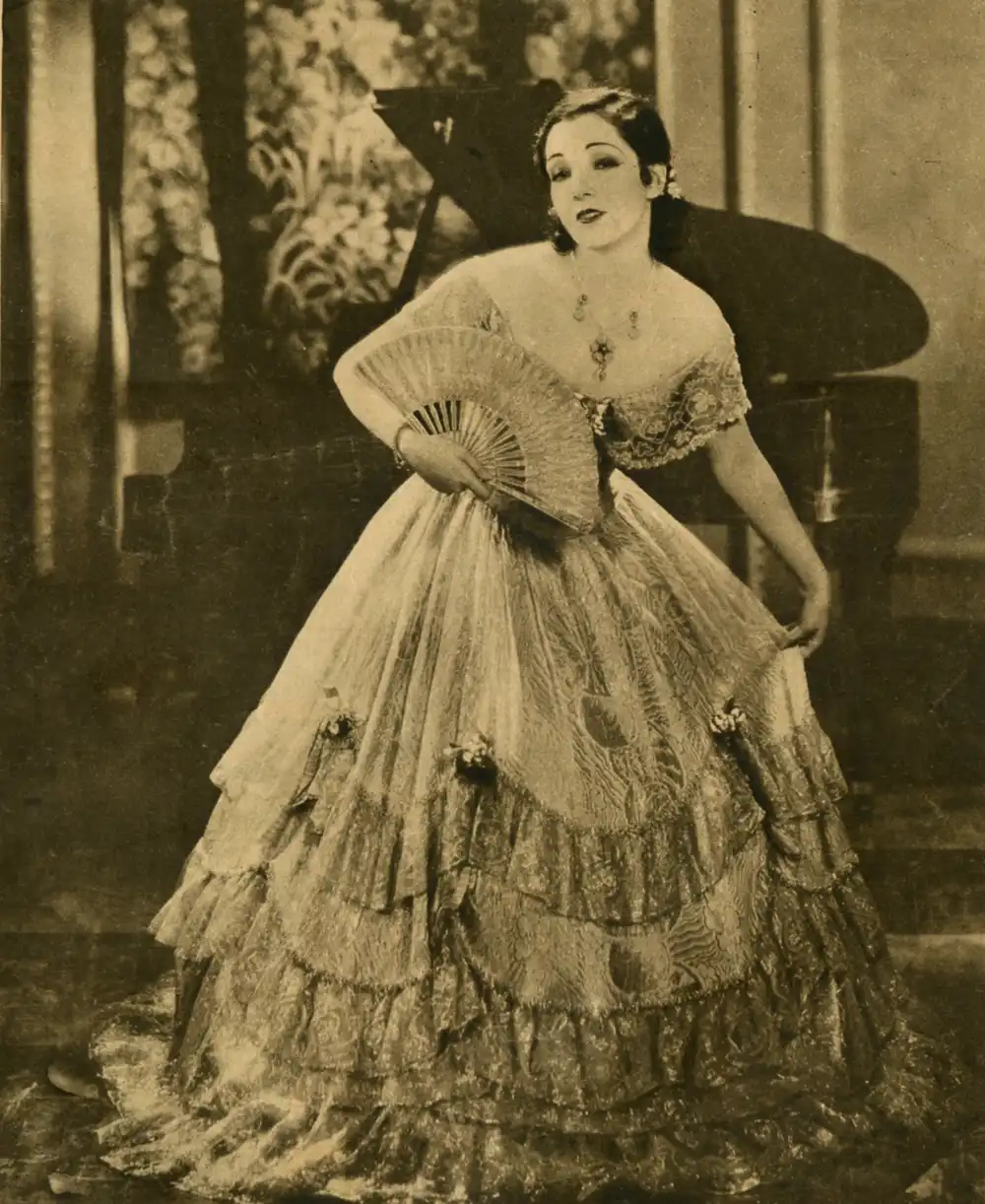
The ballroom scenes, they're kind of fun to watch for the fashion, but they also highlight Nan’s awkwardness. She’s trying so hard to fit in, and you can see the effort. It’s charming, actually.
There's a scene near the end where Karl finally realizes the truth about Nan. His reaction, it’s a bit over-the-top, even for a silent film. You almost expect him to tear his hair out. But hey, it was 1929. Emotions were big then.
Also, the title card intertitles. Some of them are just so blunt! "She was a woman of the underworld" — very direct. Makes you chuckle a bit sometimes.
The pacing feels a little variable, sometimes. Some scenes zip by, others linger a bit too long on a dramatic pause. It's not always smooth, but that's part of its charm, maybe? Or just how they did things back then.
It’s interesting how they try to make Nan seem "respectable" despite her job. The convent education thing is a pretty clear attempt to keep her as the sympathetic lead, even with the "pavements" title. It’s a bit of a wink and a nod.
William Boyd as Karl is... fine. He's got the right look for a dashing diplomat. But he often feels more a reactive character to her force.
The whole setup with Isis hiring Nan, it’s a bit silly, but it sets up some truly engaging emotional conflict. The movie understands that the real drama isn't the scheme itself, but Nan's journey through it.
This film, for all its old-fashioned melodrama, really makes you think about appearances. How easily people judge others based on where they come from or what they seem to be. It’s a classic theme, but handled with a certain... gumption here.
The movie really leans into the whole "transformation" thing. Nan goes from street smart to trying to be elegant. It's a fun ride to watch her try.
You can feel the tension in the room during the big dinner party scene, where everyone's watching Nan. It’s almost palpable, even without sound.
Also, Karl’s friend, he's always there, sort of commenting on things with his face. You know, the typical supportive but slightly bewildered best pal. He doesn't say much, obviously, but his expressions add a lot to the mood.
And the ending, without giving it away, it’s a classic Hollywood resolution for that period. You kind of see it coming, but you root for it anyway. It leaves you feeling... satisfied, I guess.
Final thought: if you want to see a silent film star truly shine and command the screen, Lady of the Pavements is definitely worth a look for Lupe Velez alone. She just *pops*.
IMDb 6.4
1930
Community
Log in to comment.