DbcultAccessing Vault...
6.2/10
Senior Film Conservator
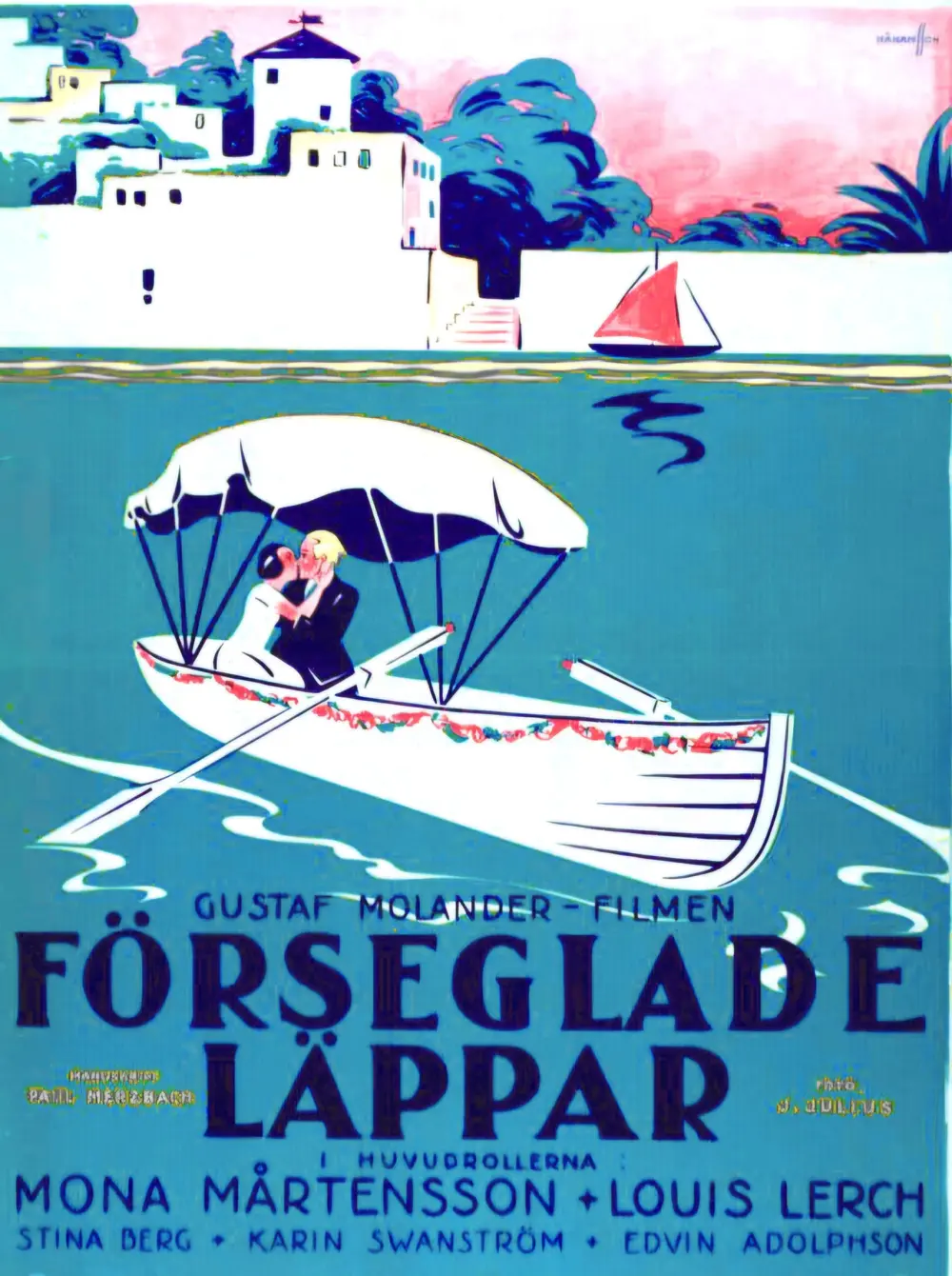
A definitive 6.2/10 rating for a film that redefined the boundaries of cult cinema. Sealed Lips remains a cornerstone of transgressive art.
Is Sealed Lips (1927) a silent relic worth your time today? Short answer: yes, but only if you have the patience for the deliberate, heavy-handed moralism of 1920s European drama. This is not a light afternoon watch; it is a somber, visually dense exploration of the predatory nature of men and the limited exits available to women of the era.
This film is for the dedicated cinephile who finds beauty in the shadows of the Swedish Golden Age of cinema and those who study the evolution of the melodrama. It is absolutely NOT for viewers who demand modern pacing, high-octane action, or a story that avoids the tropes of the 'fallen woman.' It works. But it’s flawed.
1) This film works because of Mona Mårtenson’s ability to convey a shattering loss of faith through nothing but the micro-movements of her eyes and the rigid posture of a woman trapped by her own virtues.
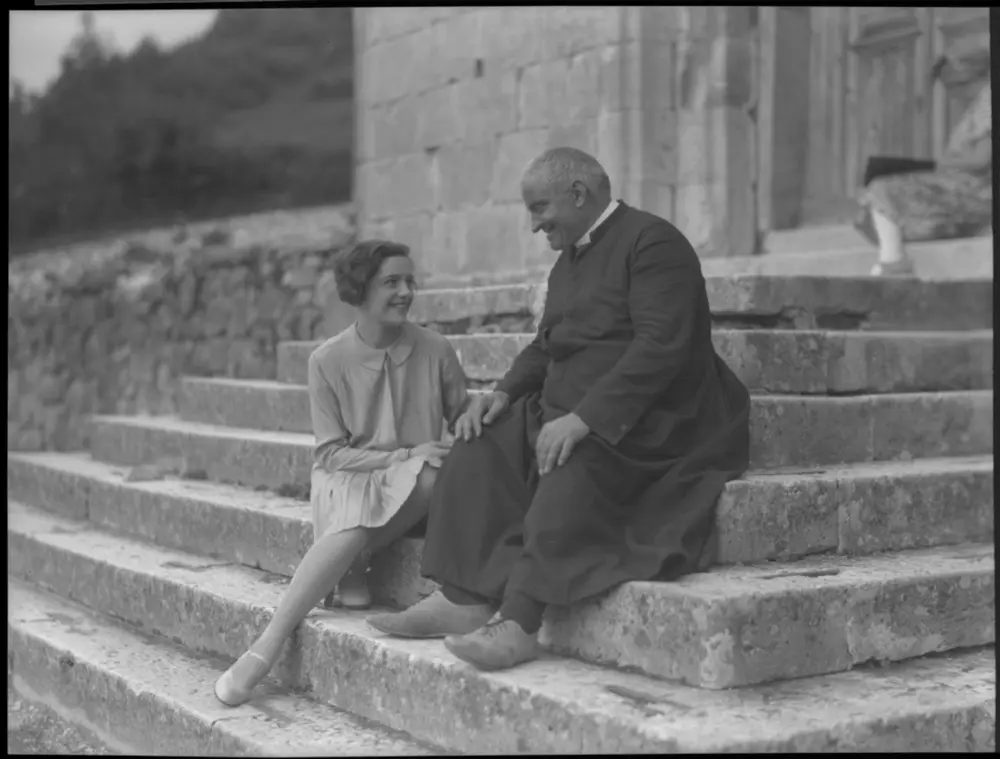
2) This film fails because the third-act resolution relies on a convenient tragedy that feels like a narrative escape hatch rather than a natural conclusion to the character arcs established in the first hour.
3) You should watch it if you want to see how silent cinema utilized the 'painter’s studio' as a space for moral ambiguity, much like the thematic work seen in Lord Saviles brott.
The opening sequences of Sealed Lips are masterclasses in atmospheric storytelling. We see Angela leaving the convent—a space defined by soft lighting and vertical lines that suggest an upward, spiritual focus. When she arrives at her aunt’s home, the camera work changes. The frames become more cluttered, the lighting harsher. The predatory Giambastista is often positioned in the background, a looming shadow that disrupts Angela’s sense of safety.
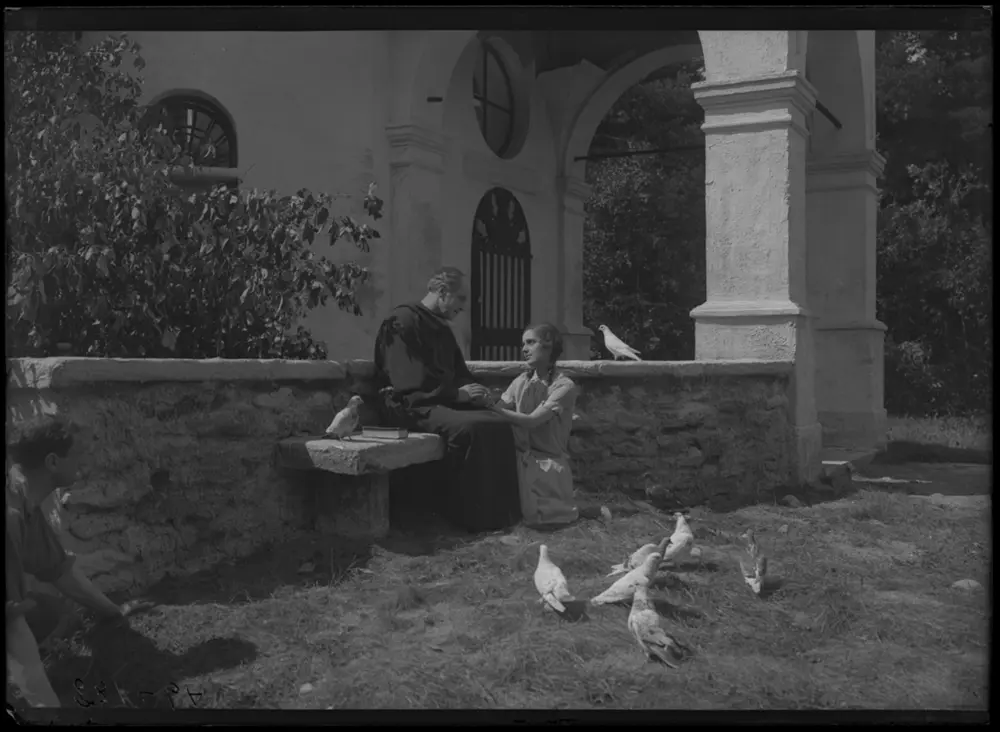
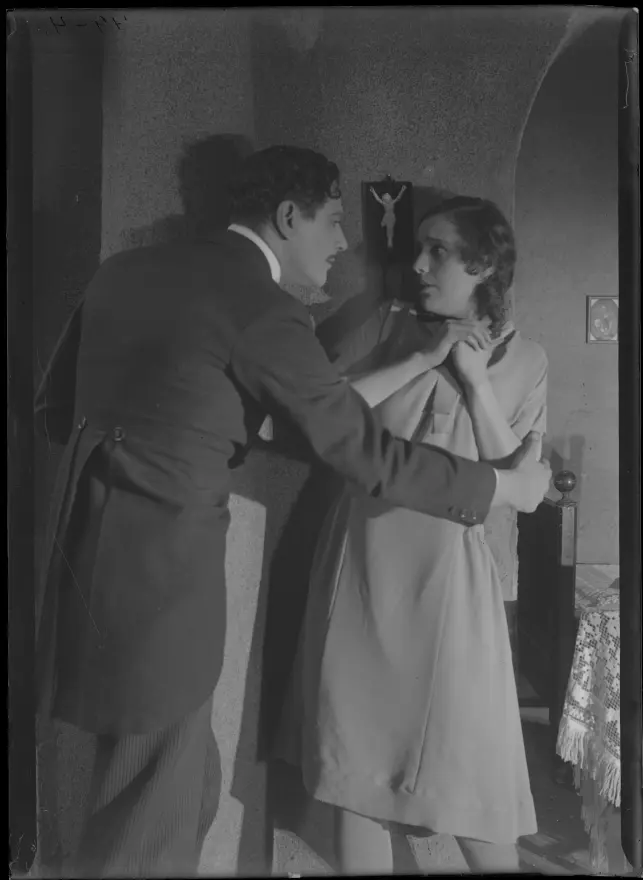
There is a specific scene where Giambastista attempts to corner Angela in a narrow hallway. The use of depth of field here is remarkable for 1927. We see Angela’s panic in the foreground while the uncle remains a blurred, encroaching threat in the rear. It’s a moment that feels surprisingly modern, pre-dating the claustrophobic tension of later noir films. It makes the audience feel the walls closing in, justifying her frantic flight into the unknown.
Her refuge with Frank Wood, the painter, offers a temporary reprieve. Louis Lerch plays Wood with a 'handsome but hollow' quality that works perfectly for the role. In the studio, the film adopts a more romantic, almost impressionistic visual style. However, the 'sealed lips' of the title refer to the secrets kept in this space. The painter’s canvas becomes a metaphor for the way men project their desires onto women without ever seeing the reality of their lives.
While many silent films of the era relied on broad, theatrical gestures, Mårtenson operates with a different frequency. Her performance is internalized. When she discovers that Frank is married, the film doesn't rely on a title card to tell us her heart is broken. Instead, the camera stays on her face as the light seems to physically drain from her expression. It is a haunting moment of realization that rivals the work seen in Christa Hartungen.
This restraint is what keeps Sealed Lips from falling into the trap of pure camp. In an era where many productions were still figuring out the balance between stage acting and screen acting, this film leans into the power of the close-up. The director understands that Angela’s internal collapse is more interesting than the external drama of her flight. It is a quiet, devastating study of a woman realizing that the world outside the convent is governed by a different, much crueler set of rules.
Adapting Guy de Maupassant is always a risky endeavor for a filmmaker who wants a happy ending. Maupassant’s stories are famously cynical, often ending with a shrug or a tragedy that highlights the indifference of the universe. Sealed Lips tries to have it both ways. It maintains the dark, cynical edge of the uncle’s pursuit and the painter’s deception, but then it pivots toward a traditional 'happily ever after' that feels slightly dishonest.
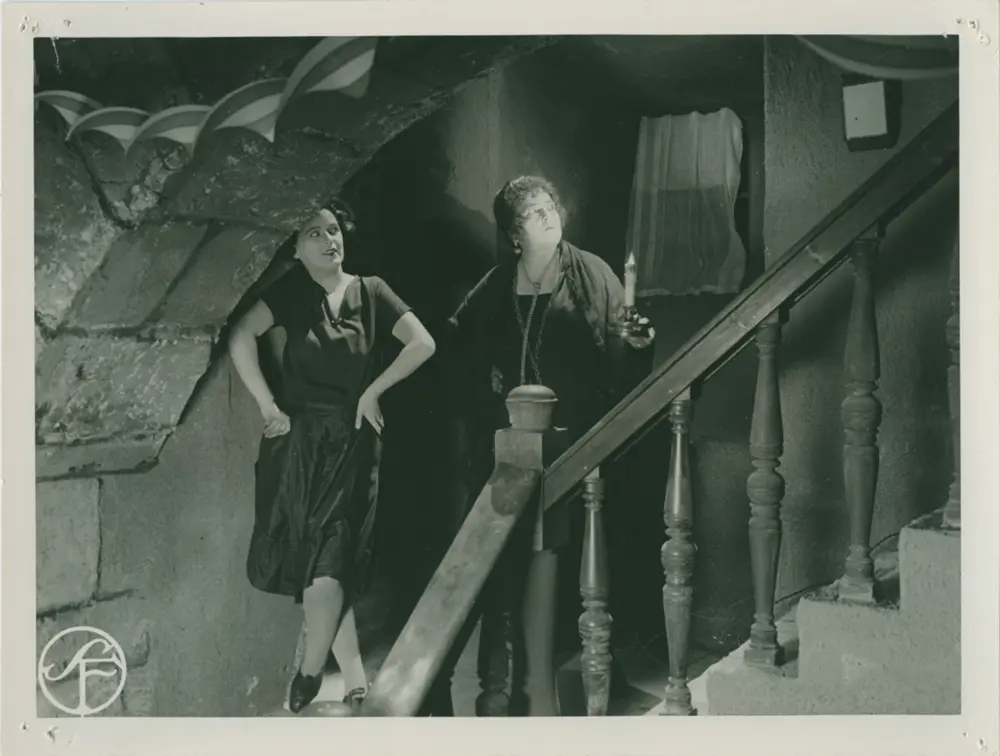
The suicide of Sandra Milovanoff’s character—the wife who realizes she is no longer loved—is the film’s most controversial element. It is a 'big' scene, played with a frantic energy that contrasts sharply with Mårtenson’s stillness. While it provides the narrative key to unlock Angela’s future, it also serves as a reminder of the film’s underlying cruelty. For one woman to find happiness, another must be utterly destroyed. This isn't a flaw in the filmmaking, but it is a debatable choice that leaves a bitter taste in the viewer's mouth.
Technically, Sealed Lips is a testament to the sophistication of late-silent era production. The cinematography handles the transition between the sun-drenched Italian landscapes (recreated with great care) and the moody, interior spaces of the convent and the studio with ease. The use of shadow to represent moral corruption is a recurring motif. Notice how Frank Wood is often half-obscured by shadows when he is at his most deceptive.
The pacing, however, is where the film shows its age. There are sequences in the middle act that feel redundant, repeating the emotional beats of Angela’s longing and Frank’s hesitation. Compared to the sweeping scale of The Covered Wagon, Sealed Lips is an intimate chamber piece, but it occasionally feels like it’s running in place. A tighter edit could have heightened the tension of Angela’s moral dilemma.
Yes, Sealed Lips is worth watching for anyone interested in the psychological depth of silent-era performances. While the plot follows familiar melodramatic beats, the execution is elevated by a cast that understands the nuance of their characters. It offers a fascinating glimpse into the social anxieties of the 1920s regarding female autonomy and the deceptive nature of the 'romantic' hero. If you can move past the dated 'suicide as a plot device' trope, you will find a film that is surprisingly perceptive about the power dynamics between the sexes.
Pros:
- Exceptional lighting and set design that enhances the mood.
- A strong, central female performance that avoids typical 'damsel' clichés.
- Provocative exploration of male predation and social hypocrisy.
- Historically significant adaptation of Maupassant.
Cons:
- Pacing issues in the second act.
- The ending feels forced and lacks the cynicism of its source material.
- Some secondary characters are underdeveloped archetypes.
Sealed Lips (1927) is a beautifully shot, expertly acted drama that captures the transition point of silent cinema—where the visual language was at its most sophisticated just before the advent of sound. It is a film of quiet moments and loud tragedies. While the narrative convenience of its finale prevents it from being a true masterpiece, the central performance by Mona Mårtenson and the film’s unflinching look at the dangers facing a woman alone in the world make it an essential watch for fans of the era. It’s a somber, effective piece of art that proves silence can be louder than words.
IMDb 6.7
1929
Community
Log in to comment.