DbcultAccessing Vault...
6.3/10
Senior Film Conservator
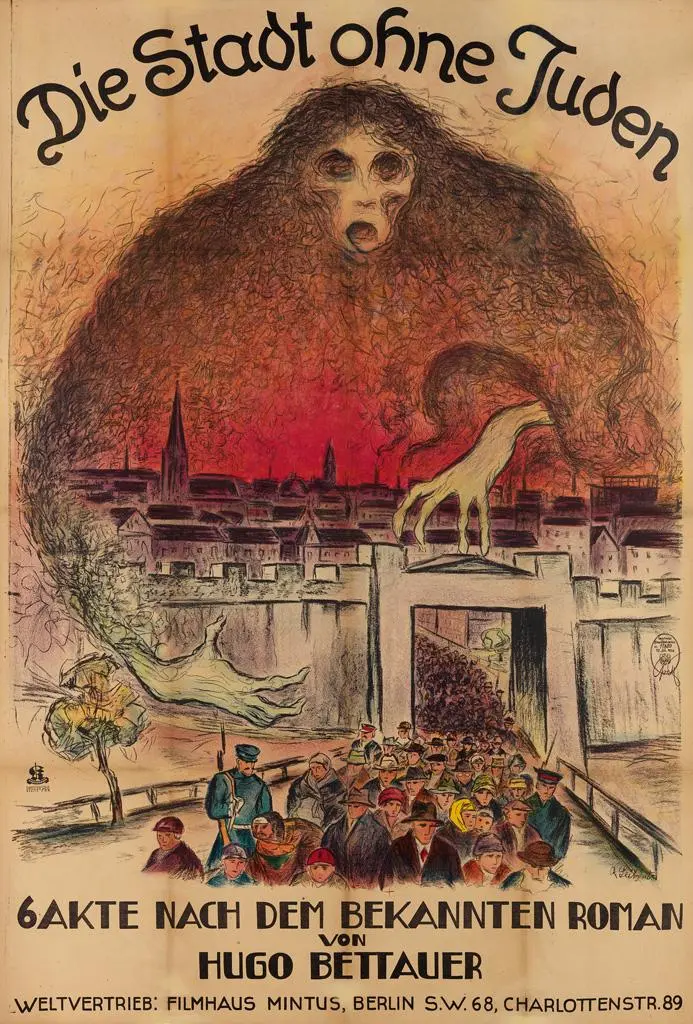
A definitive 6.3/10 rating for a film that redefined the boundaries of cult cinema. The City Without Jews remains a cornerstone of transgressive art.
The City Without Jews, a film of unflinching candor, presents a stark and unsettling portrayal of a society in turmoil, where the Jewish population is ruthlessly targeted as a scapegoat for the nation's economic and social ills. Directed by H.K. Breslauer, this 1924 Austrian silent film is a masterpiece of cinematic storytelling, weaving a complex and thought-provoking narrative that lays bare the dangers of anti-Semitism and the importance of promoting tolerance and understanding. The film's narrative is a powerful exploration of the human condition, delving into the darkest recesses of the human experience and emerging with a profound and haunting portrait of a society torn asunder by prejudice and intolerance.
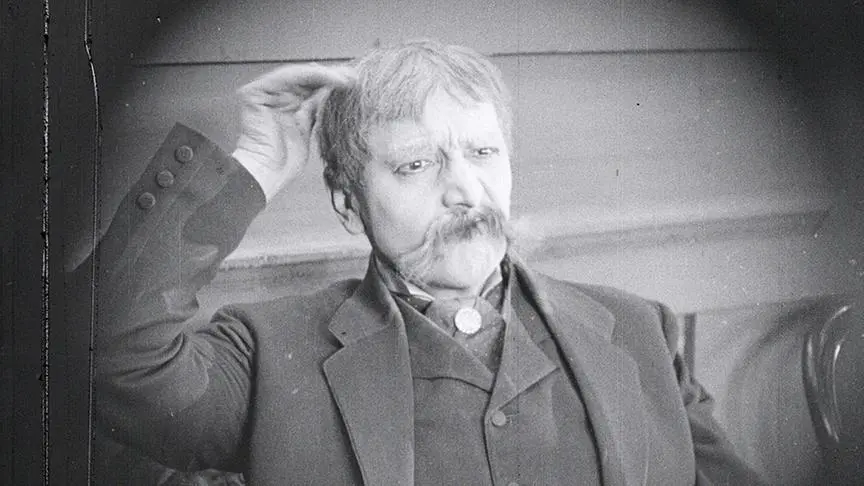
The film's cast, comprising a talented ensemble of actors, delivers a series of nuanced and compelling performances, bringing depth and complexity to the narrative. Artur Ranzenhofer, Johannes Riemann, and Mizi Griebl are particularly noteworthy, imbuing their characters with a sense of authenticity and emotional resonance that adds to the film's overall impact. The cinematography, handled by Karl Tema, is equally impressive, capturing the bleak and desolate landscape of the Republic of Utopia with a sense of stark realism that underscores the film's themes of social and economic hardship.
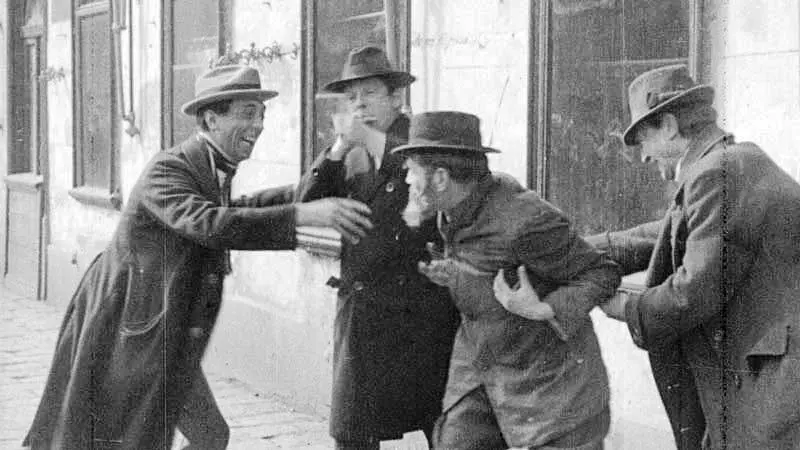
One of the most striking aspects of The City Without Jews is its unflinching portrayal of anti-Semitism, a theme that is both timely and timeless. The film's depiction of the Jewish population as a scapegoat for the nation's problems is a powerful commentary on the dangers of xenophobia and the importance of promoting tolerance and understanding. This theme is echoed in other films of the era, such as The Cambric Mask and Pep, which also explore the complexities of social and economic hardship. However, The City Without Jews stands out for its bold and uncompromising approach to this theme, presenting a stark and unvarnished portrait of a society in crisis.
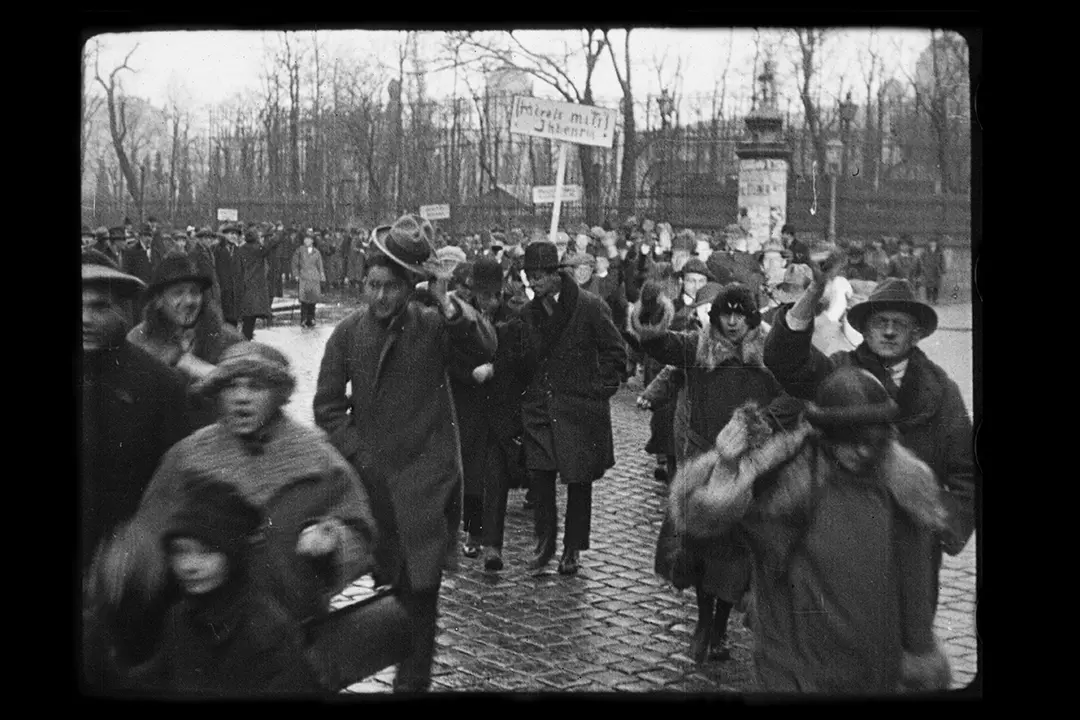
The film's use of symbolism and metaphor adds another layer of depth and complexity to the narrative, inviting the viewer to engage with the themes and ideas on a more abstract level. The city itself is a powerful symbol of the nation's social and economic ills, a physical manifestation of the chaos and disorder that reigns supreme. The expulsion of the Jewish population is a potent metaphor for the dangers of scapegoating and the importance of promoting social cohesion, serving as a powerful reminder of the need for tolerance and understanding in the face of adversity. This use of symbolism and metaphor is reminiscent of films such as From Gutter to Footlights and Murphy of Anzac, which also employ these techniques to explore complex social and economic themes.
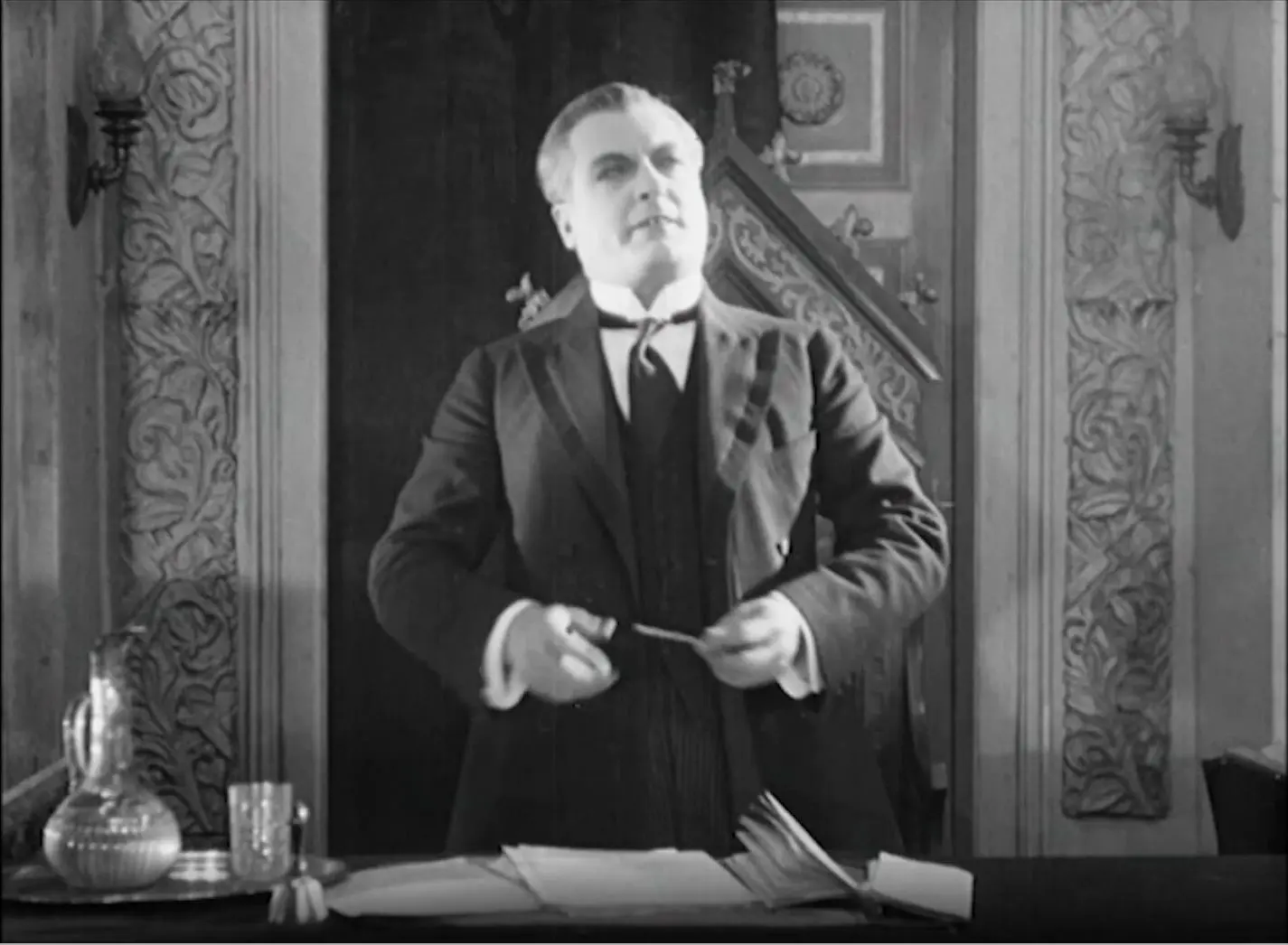
The City Without Jews is a film that rewards close attention and multiple viewings, offering a rich and complex cinematic experience that continues to resonate with audiences today. The film's themes of anti-Semitism, xenophobia, and social cohesion are timeless and universal, speaking to fundamental aspects of the human condition that transcend time and place. As such, it is a film that deserves to be seen and appreciated by audiences around the world, serving as a powerful reminder of the importance of promoting tolerance and understanding in the face of adversity. The film's influence can be seen in later works, such as Markens grøde and The Man Who Won, which also explore the complexities of social and economic hardship. However, The City Without Jews remains a unique and powerful work, a cinematic masterpiece that continues to haunt and inspire audiences to this day.
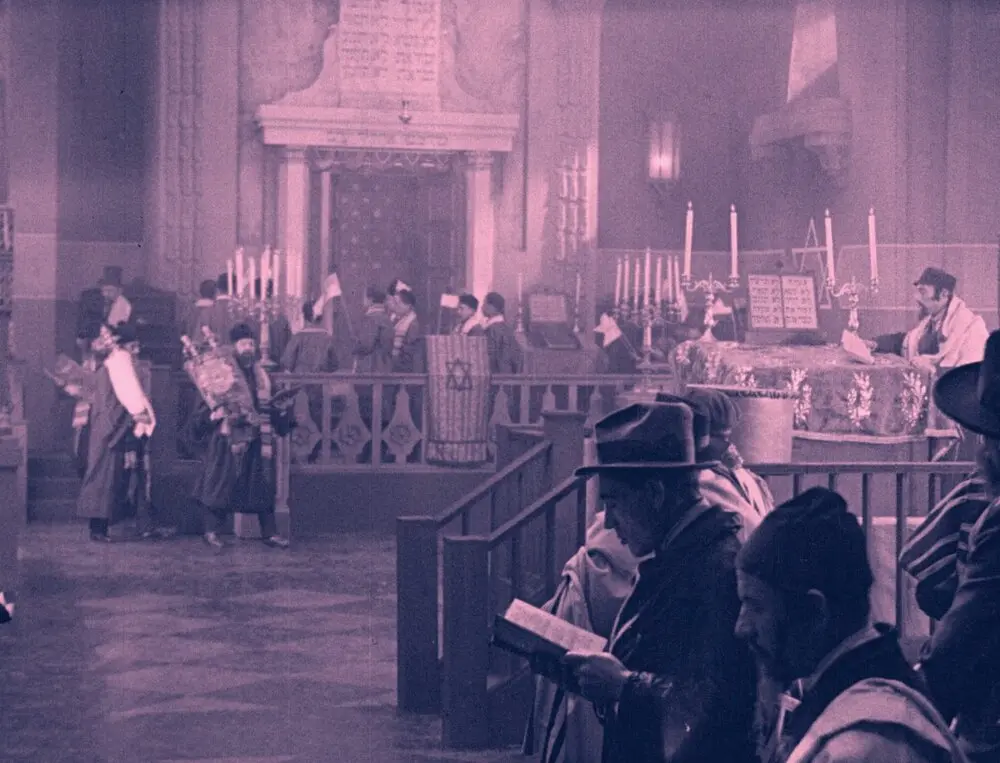
In terms of its place within the broader cinematic landscape, The City Without Jews is a film that defies easy categorization, blending elements of drama, social commentary, and allegory to create a unique and compelling narrative. The film's use of visual motifs and cinematic techniques is particularly noteworthy, employing a range of innovative and expressive methods to convey the themes and ideas. The cinematography, handled by Karl Tema, is a key aspect of this, using a range of camera angles and lighting effects to create a sense of tension and unease that underscores the film's themes of social and economic hardship. This use of visual motifs and cinematic techniques is reminiscent of films such as The Mother Heart and The Ranger of Pikes Peak, which also employ these techniques to explore complex social and economic themes.
The City Without Jews is a film that has been recognized for its historical significance and cultural importance, serving as a powerful reminder of the dangers of anti-Semitism and the importance of promoting tolerance and understanding. The film has been preserved and restored by various archives and institutions, ensuring that it remains available for future generations to appreciate and learn from. As such, it is a film that continues to play an important role in the cinematic landscape, offering a unique and powerful perspective on the human condition that continues to resonate with audiences today. The film's influence can be seen in later works, such as The Wallop and Paddy O'Hara, which also explore the complexities of social and economic hardship. However, The City Without Jews remains a unique and powerful work, a cinematic masterpiece that continues to haunt and inspire audiences to this day.
In conclusion, The City Without Jews is a film that is both a product of its time and a timeless classic, offering a powerful and thought-provoking exploration of the human condition that continues to resonate with audiences today. The film's themes of anti-Semitism, xenophobia, and social cohesion are timeless and universal, speaking to fundamental aspects of the human experience that transcend time and place. As such, it is a film that deserves to be seen and appreciated by audiences around the world, serving as a powerful reminder of the importance of promoting tolerance and understanding in the face of adversity. The film's influence can be seen in later works, such as Peanuts and Politics and Caste, which also explore the complexities of social and economic hardship. However, The City Without Jews remains a unique and powerful work, a cinematic masterpiece that continues to haunt and inspire audiences to this day.
The film's legacy can be seen in its influence on later filmmakers, who have been inspired by its powerful and thought-provoking portrayal of the human condition. The film's use of visual motifs and cinematic techniques has been particularly influential, with many filmmakers employing similar methods to explore complex social and economic themes. The film's themes of anti-Semitism, xenophobia, and social cohesion have also been explored in later works, such as Camera Obscura and A Pair of Pink Pajamas, which offer a powerful and thought-provoking exploration of the human condition. However, The City Without Jews remains a unique and powerful work, a cinematic masterpiece that continues to haunt and inspire audiences to this day.
In terms of its historical significance, The City Without Jews is a film that offers a powerful and thought-provoking portrayal of the human condition, exploring themes of anti-Semitism, xenophobia, and social cohesion in a way that is both timely and timeless. The film's use of visual motifs and cinematic techniques is particularly noteworthy, employing a range of innovative and expressive methods to convey the themes and ideas. The film's influence can be seen in later works, such as Bath Day, which also explore the complexities of social and economic hardship. However, The City Without Jews remains a unique and powerful work, a cinematic masterpiece that continues to haunt and inspire audiences to this day.
IMDb 5.8
1932
Community
Log in to comment.