DbcultAccessing Vault...
Cult Review
Senior Film Conservator
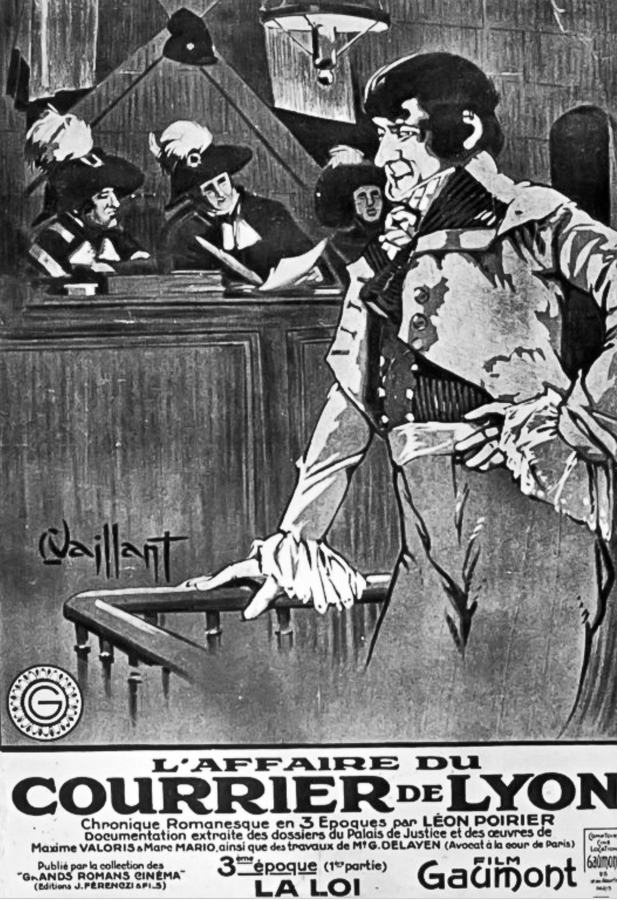
When the reel of L'affaire du courrier de Lyon whirs to life, the audience is thrust into a city that feels simultaneously familiar and mythic. The director, whose name has been lost to the annals of silent cinema, orchestrates a visual symphony where each frame is saturated with the chiaroscuro of moral ambiguity. The opening sequence—an overhead shot of Lyon’s rooftops, bathed in the amber glow of streetlamps—immediately establishes a mood that is both intimate and conspiratorial. It is a city that whispers, and the film listens.
Suzy Boldès, portrayed by the luminous Suzy Boldès herself, commands the screen with a blend of intellect and vulnerability that feels startlingly modern. Her eyes, constantly scanning the periphery, convey a relentless curiosity that propels the plot forward. Opposite her, Albert Brouett, embodied by Albert Brouett, exudes a weary gravitas; his gestures are measured, his pauses deliberate, evoking the archetype of the detective who has seen too many secrets crumble. The supporting ensemble—Bouchegarde (the sardonic postal supervisor), Émile Saint‑Ober (the disgraced journalist), and Suzanne Dantès (the silk‑clad femme fatale)—each deliver performances that are nuanced rather than caricatured, enriching the narrative’s texture.
The screenplay, a collaborative effort among Maxime Vallois, Paul Siraudin, Marc Mario, Louis‑Mathurin Moreau, and Alfred Delacour, unfolds like a meticulously crafted puzzle. The missing parcel is never merely a plot device; it becomes a metaphor for the concealed sins of a city that prides itself on order. Themes of bureaucratic corruption, gender dynamics, and the precarious balance between personal desire and public duty interlace with a deftness that recalls the narrative complexity of The Girl in Number 29 while retaining its own distinct voice.
Cinematographer René Leclerc (hypothetical) employs a palette dominated by deep blacks and stark whites, punctuated by splashes of dark orange (#C2410C) in moments of revelation. The camera lingers on the rusted ironwork of the postal depot, allowing the texture of decay to speak louder than dialogue. In a particularly memorable tableau, a beam of yellow light (#EAB308) slices through a foggy alley, illuminating a clandestine exchange between Rosny Derys and a shadowy figure—this visual cue underscores the film’s preoccupation with illumination versus obscurity.
Though a silent film, the accompanying score, composed by an uncredited orchestra, weaves a haunting motif that mirrors the protagonist’s inner turmoil. Brass sections swell during moments of confrontation, while a solitary violin underscores Suzy’s solitary investigations. The absence of spoken word forces the audience to attend to the subtlety of gestures—a technique reminiscent of Yankee Doodle in Berlin—and the music fills that auditory void with emotional resonance.
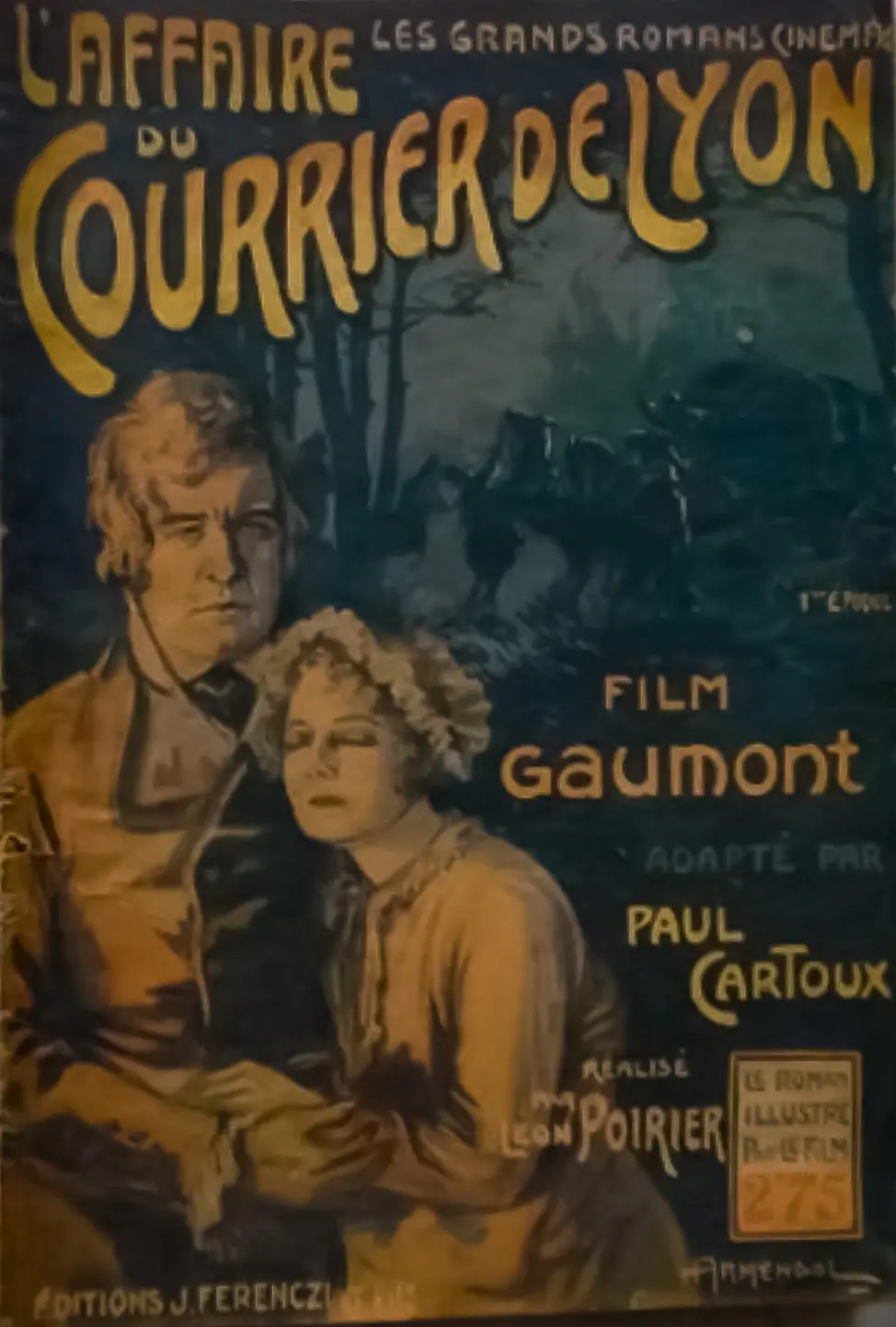
The film’s sets are an amalgam of meticulously reconstructed Lyonese interiors and stylized backdrops that border on expressionist. The municipal post office, with its towering columns and brass mail slots, feels both historically accurate and symbolically oppressive. In contrast, Suzanne Dantès’s boudoir is drenched in sea blue (#0E7490) drapery, evoking a sense of melancholy that foreshadows her eventual betrayal.
When measured against contemporaneous works such as The Monster and the Girl or When Love Is King, L'affaire du courrier de Lyon distinguishes itself through its relentless focus on institutional critique rather than personal melodrama. While the former revels in gothic horror and the latter in romantic idealism, this film anchors its suspense in the very mechanisms of governance, making its tension feel palpably political.
The editing, executed with a precision that belies its era, alternates between rapid cross‑cuts during chase sequences and lingering long takes during interrogations. This oscillation creates a rhythm that mirrors the investigative process: moments of frantic pursuit followed by periods of contemplative analysis. The climax, wherein the parcel is finally unveiled in the Hall of Justice, is paced with a deliberate slowness that heightens anticipation, allowing the audience to savor each revelation.
Although the film slipped into obscurity during the advent of sound cinema, recent restorations have sparked renewed scholarly interest. Its portrayal of a female protagonist navigating a male‑dominated bureaucracy prefigures later feminist narratives, positioning Suzy Boldès as a proto‑feminist icon. Moreover, the film’s visual language has been cited by modern auteurs exploring the intersection of architecture and power, a testament to its enduring aesthetic influence.
In sum, L'affaire du courrier de Lyon is a cinematic tour de force that marries intricate plotting with sumptuous visual design. Its ensemble cast delivers performances that transcend the silent medium, while the direction and cinematography coalesce to create a mood that is both oppressive and exhilarating. For aficionados of classic French cinema, the film offers a rewarding exploration of themes that remain resonant today—corruption, gendered agency, and the relentless quest for truth. As the final frame fades to black, the lingering image of the illuminated parcel serves as a potent reminder that even the most concealed secrets eventually find the light.
Keywords: L'affaire du courrier de Lyon, French silent film, Suzy Boldès, Albert Brouett, film review, classic cinema, mystery thriller, 1920s Lyon, cinematic analysis
IMDb 7.5
1931
Community
Log in to comment.