DbcultAccessing Vault...
6.5/10
Senior Film Conservator
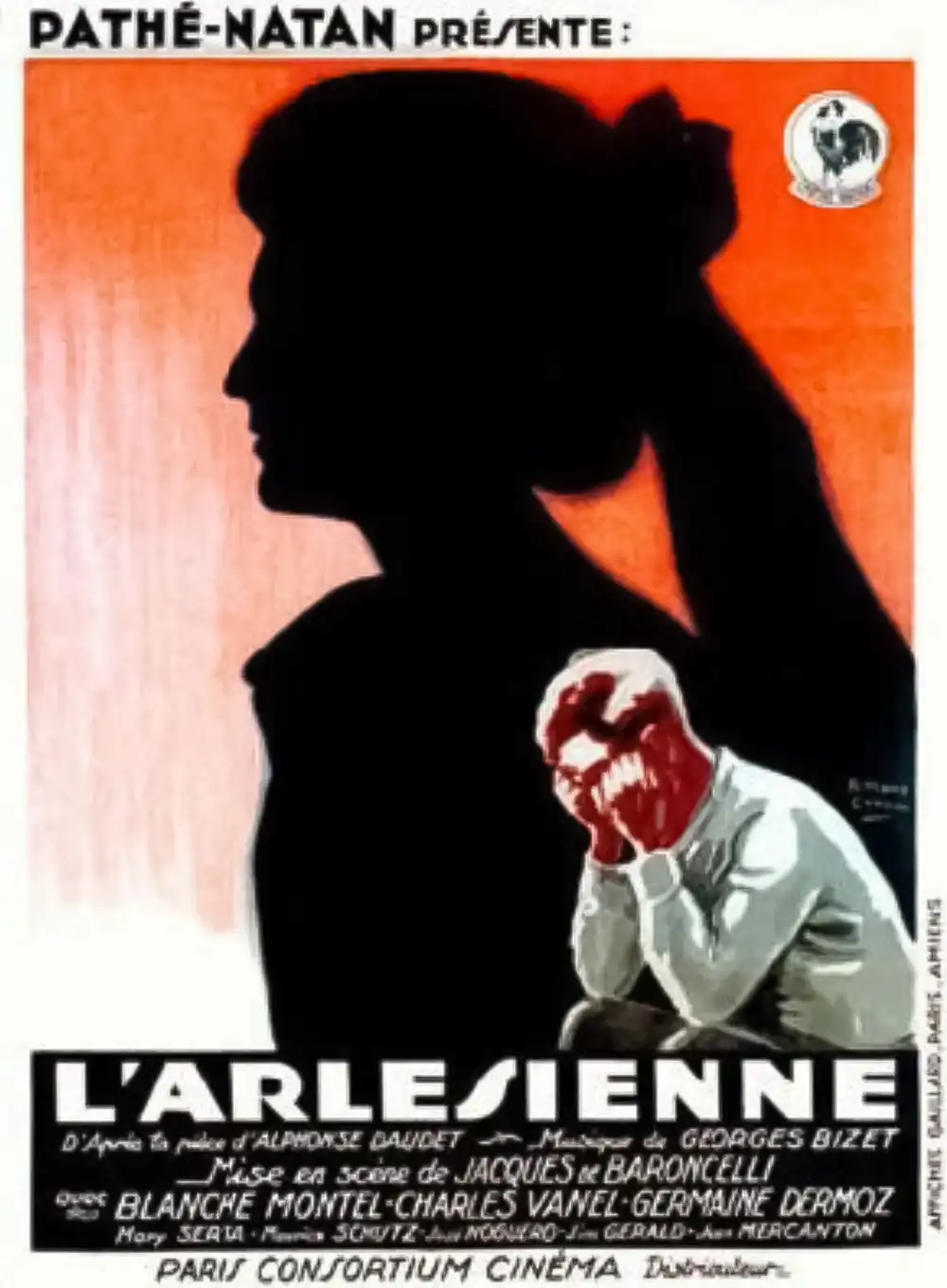
A definitive 6.5/10 rating for a film that redefined the boundaries of cult cinema. L'Arlésienne remains a cornerstone of transgressive art.
So, L'Arlésienne from 1930. If you’re really into those early talkies, the ones where the very act of hearing voices on screen was still kind of a big deal, then yeah, you might find something here. For pretty much anyone else, it’s going to be a tough watch, I gotta be honest.
This one’s for the folks who appreciate a slower pace, who don’t mind a lot of quiet brooding. If you need explosions or even just rapid-fire dialogue, you'll probably hate it. It’s a very specific taste. 🧐
It tells the story of Frédéric, played by Charles Vanel, who's just absolutely *gone* for a woman from Arles. The thing is, we barely see her. She's more of an idea, a devastating force off-screen, really.
His family, especially his mother (Germaine Dermoz), tries to nudge him towards Rose (Blanche Montel), a sweet local girl. But Frédéric? He's just not having it. His obsession is the whole show, a real intense thing.
Vanel’s performance as Frédéric is pretty remarkable for the time. He carries this deep, internal pain. You can see it in his eyes, how they just sort of glaze over when he thinks of her. It’s *really* heavy stuff.
The pacing is, well, *deliberate*. Like, really deliberate. There are long stretches where not much is said, just people looking out into fields, or a character slowly walking across a dusty yard. It gives you time to think, for sure. Or to check your watch, depending on your mood. ⏳
One scene sticks with me. Frédéric is sitting at a table, and the camera just kind of stays on him. He picks up a small, everyday object, a piece of cutlery maybe, and just turns it over and over. It's such a small gesture, but it says everything about his restless mind. He's *trapped*.
Germaine Dermoz as the mother, she has this quiet dignity. She doesn't scream or make grand gestures. Her concern for her son is just etched into her face, especially in the close-ups, which are used sparingly. When they do come, they hit hard.
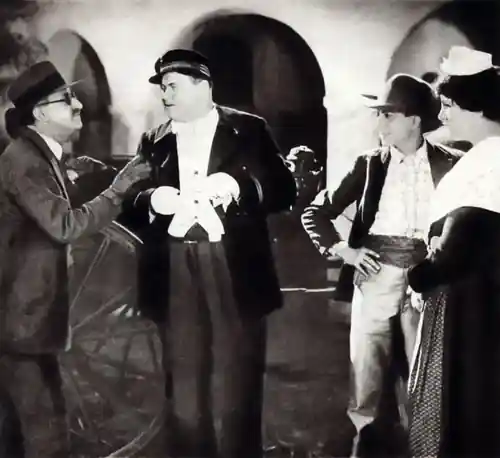
The sound quality is definitely of its era. Sometimes the dialogue feels a little distant, like it's coming from a different room. You really have to lean in and listen closely. It’s part of the charm, I guess, but it can be a little frustrating too.
Visually, the film makes good use of its setting. The sun-drenched landscapes of Provence, all those rolling hills and olive groves. They’re beautiful, almost a character themselves. But they also feel kind of *empty* at times, reflecting Frédéric's inner state, maybe.
There’s a moment with the shepherd, Balthazar (Maurice Schutz). He's this older, wise figure. He tells a story, a simple one, and the camera just holds on his face. His voice, scratchy and slow, it felt very authentic, like he'd really seen things.
The drama isn’t always about big, shouting matches. It’s often in the silences, the glances. A lot of unspoken tension. You can almost feel the air getting heavier with each passing scene.
I found myself wondering what it must have been like for audiences back then, seeing this kind of emotional story unfold with sound for the first time. It must have felt incredibly powerful, maybe even raw, in a way we don't quite get now.
It’s not a film that gives you easy answers or a neat ending. It just… *is*. A depiction of a specific kind of all-consuming sorrow. And it lingers, long after the credits roll.
The way they shot the village scenes, they have a nice, almost documentary feel to them. Kids running around, people going about their day. Then Frédéric's personal tragedy just crashes into all that everyday life. It's a stark contrast.
So, yeah. If you're a film history buff or you just crave something really different from today's quick-cut cinema, L'Arlésienne is an experience. Just know what you're getting into. It asks for your patience, but it delivers a potent, if somewhat dated, emotional punch. 👊
IMDb 5.5
1933
Community
Log in to comment.