DbcultAccessing Vault...
6.2/10
Senior Film Conservator
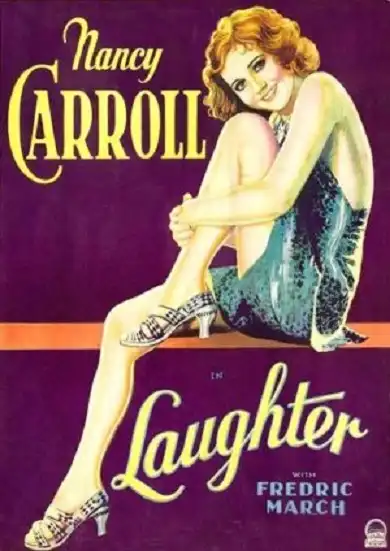
A definitive 6.2/10 rating for a film that redefined the boundaries of cult cinema. Laughter remains a cornerstone of transgressive art.
Alright, so you’re wondering if Laughter (1930) is worth digging up today? Absolutely, if you've got a soft spot for those lightning-fast, witty pre-Code films. You know the ones, where everyone talks a mile a minute and the main characters are just a *touch* scandalous. If you’re usually into slow-burn character studies or modern, subdued dramas, this might feel like a sugar rush. But for everyone else, dive in! 🏃♀️
Nancy Carroll, as Peggy, is just electric. Honestly, she carries so much of this film’s energy. There’s a scene early on where she’s at this incredibly fancy party, and she just looks utterly, completely bored. Like, she’s physically there, but her spirit is clearly planning an escape. It’s such a small moment, but it tells you everything about her new, gilded cage life. 🕊️
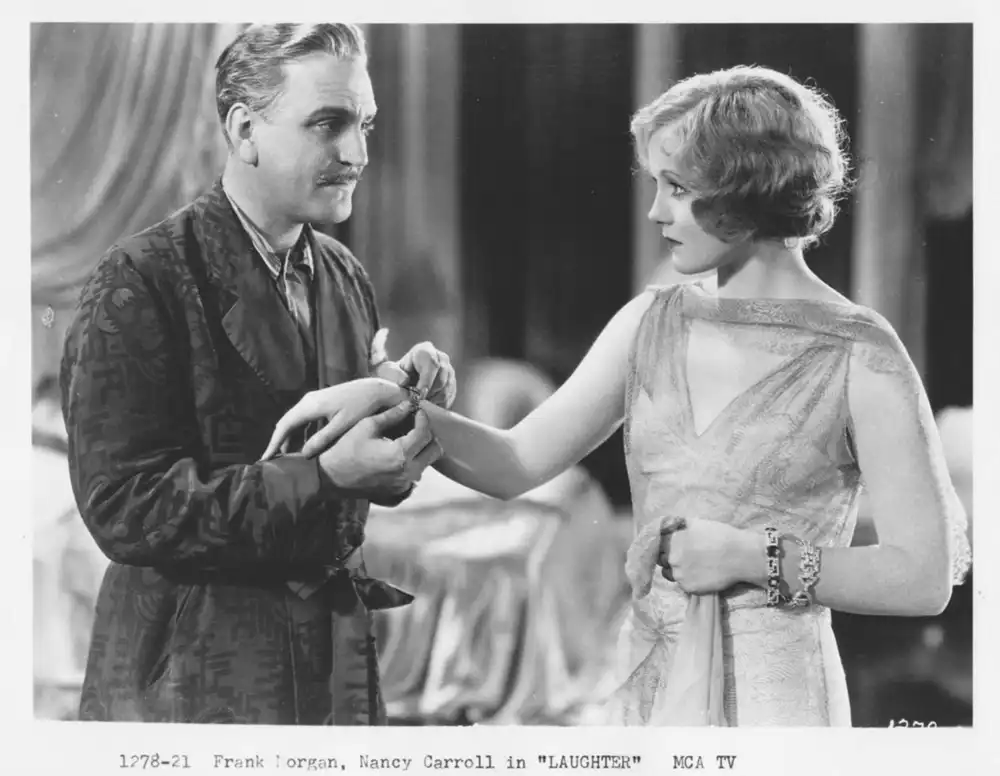
Then Fredric March shows up as Paul, the composer she left behind. He doesn't make some big, grand entrance, either. He just… appears. And suddenly, Peggy’s carefully constructed millionaire life starts to wobble. It's a nice bit of understated drama. Nothing over the top.
The dialogue here, wow. It’s so snappy, sometimes I had to lean in a bit to catch every single retort. They just fire lines back and forth. Someone says, "You’re a charming liar," and it’s delivered with this perfect blend of accusation and admiration. It’s a masterclass in early talkie banter.
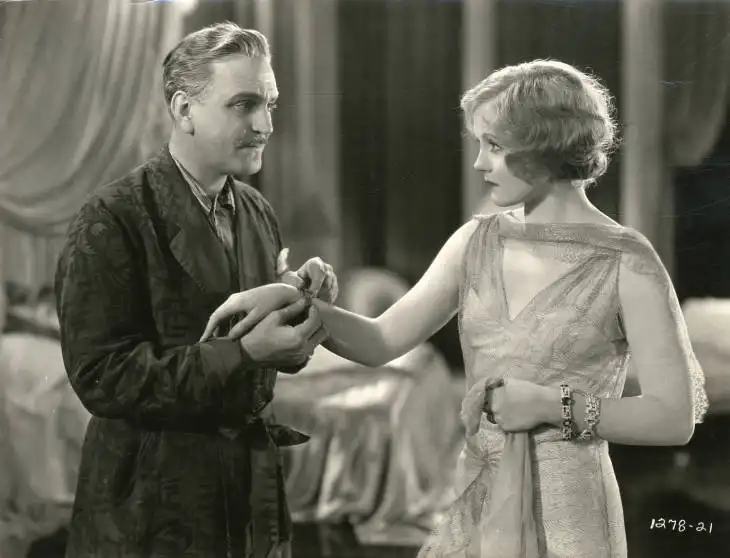
Poor Charles Halton, playing the artist who's totally smitten with Peggy. You genuinely feel a pang of sympathy for him. He’s just *so* clearly manipulated, yet he can't help himself. Peggy, for her part, seems to enjoy the attention, maybe even needs it. It’s a bit cruel, but it's also very human. You get why she’s doing it, even if you don’t approve.
The whole movie plays with this tension between security and passion. Peggy's got the big house, the jewels, the social standing. But then Paul comes back, and you can see her questioning everything. It’s a classic dilemma, sure, but it feels really fresh here. It’s not just a plot point; it’s the whole engine of her character.
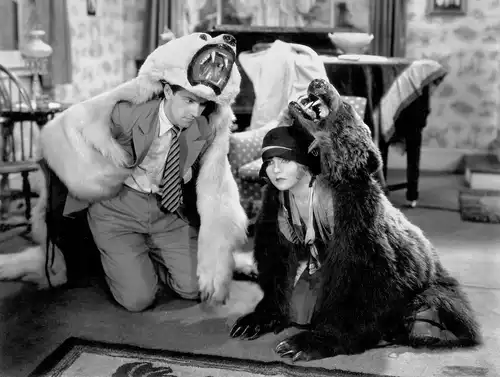
One specific thing stuck with me: Peggy’s exasperation. There's this quick shot where she throws her hands up, totally done with trying to explain herself to someone. It’s barely a second long, but it says so much about her impatience, her frustration. She’s not just a pretty face; she's got a fire. 🔥
And let's not forget Eric Blore! He's in there, playing a butler, of course. He always brings this understated charm to his roles. His lines are often brief, but his delivery just makes you smile. He doesn't get a huge part, but he makes an impression.
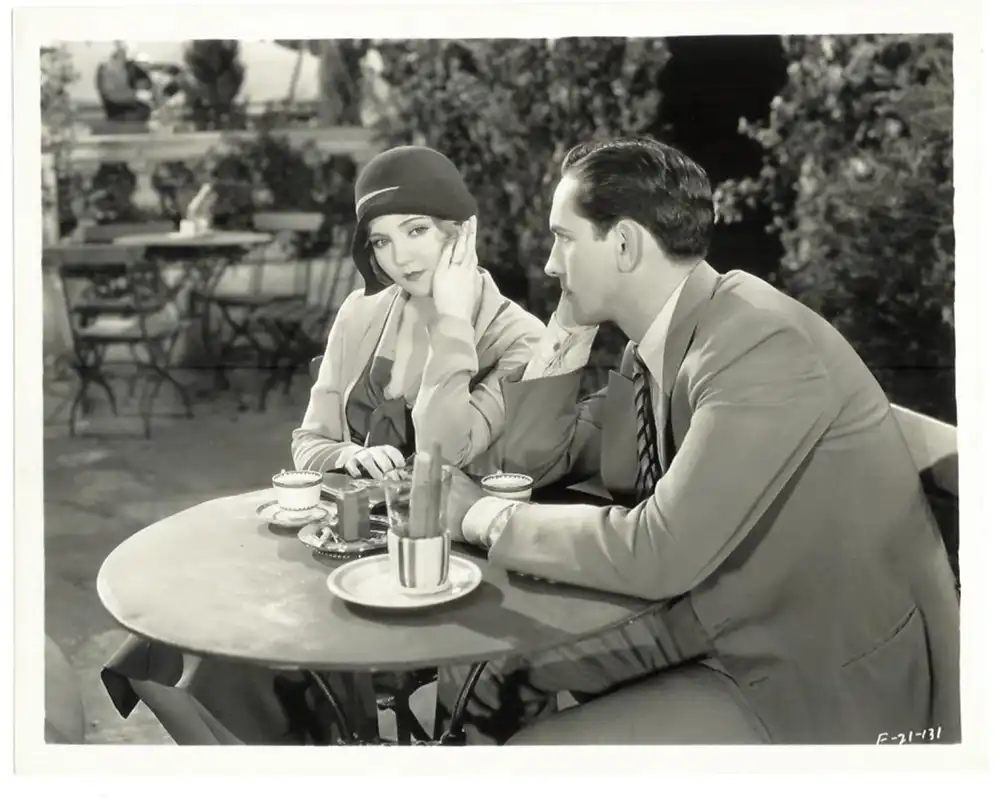
The pacing, for sure, is a bit frantic in places. It feels like they were trying to pack in as much witty back-and-forth as possible before the censors really tightened things up. A few scenes, maybe, drag just a *tiny* bit. But honestly, Carroll and March's energy just pulls you right through any minor lulls. It’s a testament to their charisma.
This film isn’t trying to be some deep, profound statement. It’s just a really good time. It’s about people being messy, chasing what they think they want, and sometimes realizing it’s not what they need. And there's a lot of, well, Laughter, both from the characters and from the audience. 😂
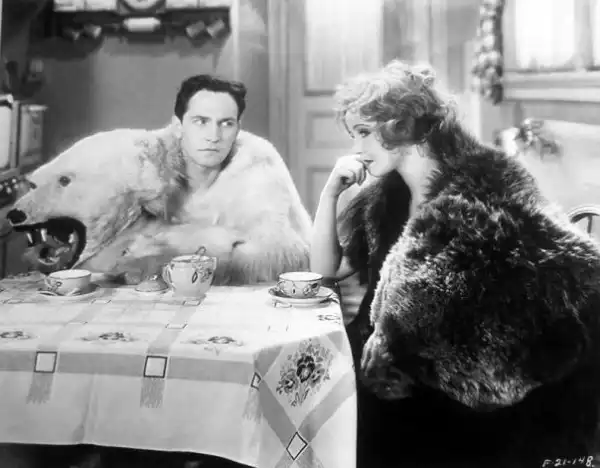
The ending, without giving anything away, is a bit of a mad dash. Not everything is neatly tied up with a bow, and I actually appreciate that. It feels more like real life, where things don’t always get resolved perfectly. It's a little chaotic, a little messy, just like the rest of the movie.
So, yeah, if you're looking for a dose of pre-Code sass and some genuinely sharp dialogue, give Laughter a spin. It’s a solid entry in that era, and Nancy Carroll is a joy to watch.

IMDb —
1921
Community
Log in to comment.