DbcultAccessing Vault...
7.1/10
Senior Film Conservator
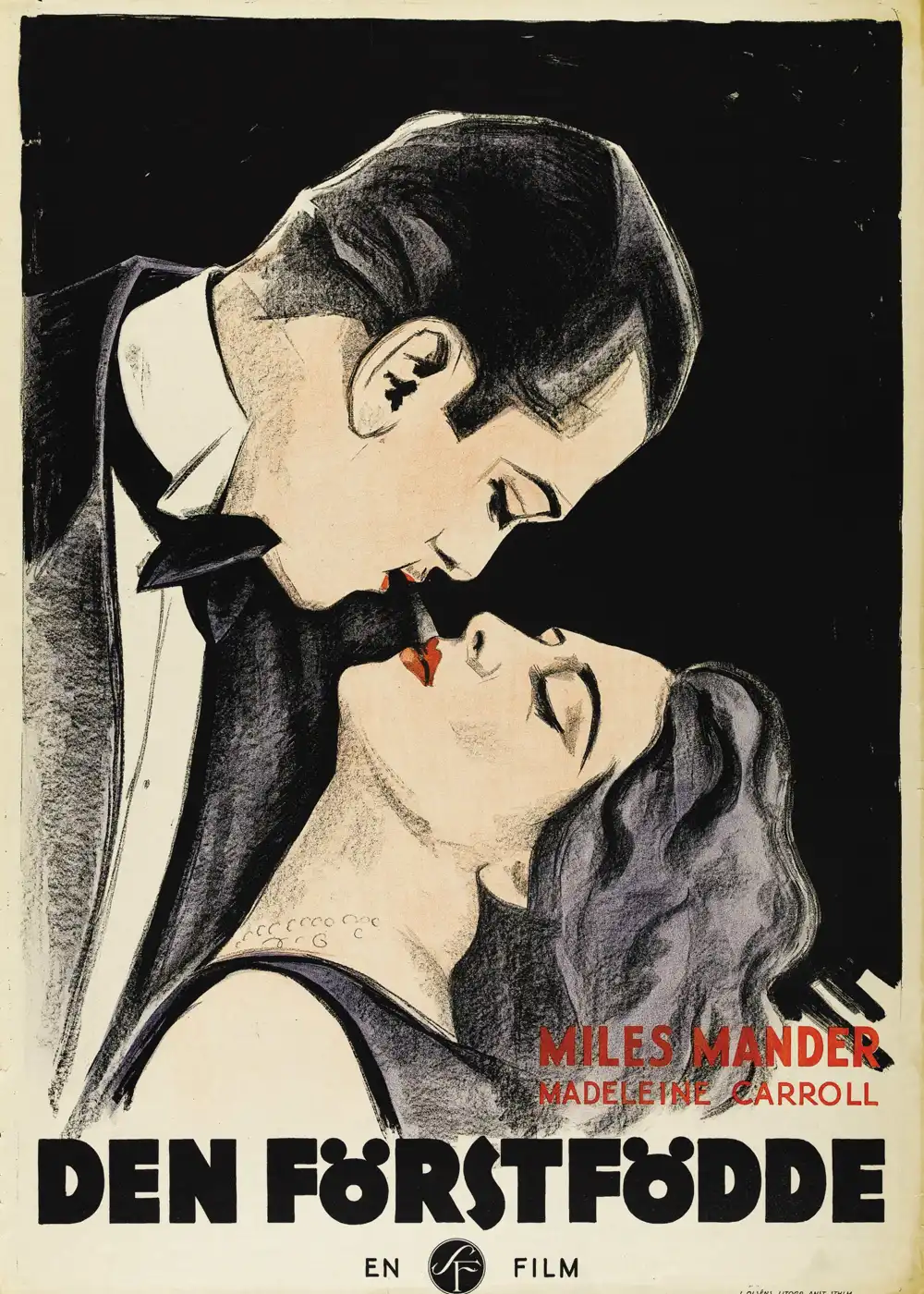
A definitive 7.1/10 rating for a film that redefined the boundaries of cult cinema. The First Born remains a cornerstone of transgressive art.
So, The First Born. It’s a 1928 British silent film, and frankly, it’s not for everyone. If you’re a silent film enthusiast, especially one with a soft spot for melodramas that really lean into the 'melos' part, then yes, give it a shot. There are moments here that feel genuinely raw, even through the gauze of time and the often-exaggerated acting style of the era. But if you’re coming in expecting anything close to modern pacing, subtle character work, or dialogue (obviously), you’re going to have a rough go. This one asks you to meet it halfway, maybe even three-quarters of the way, on its own terms.
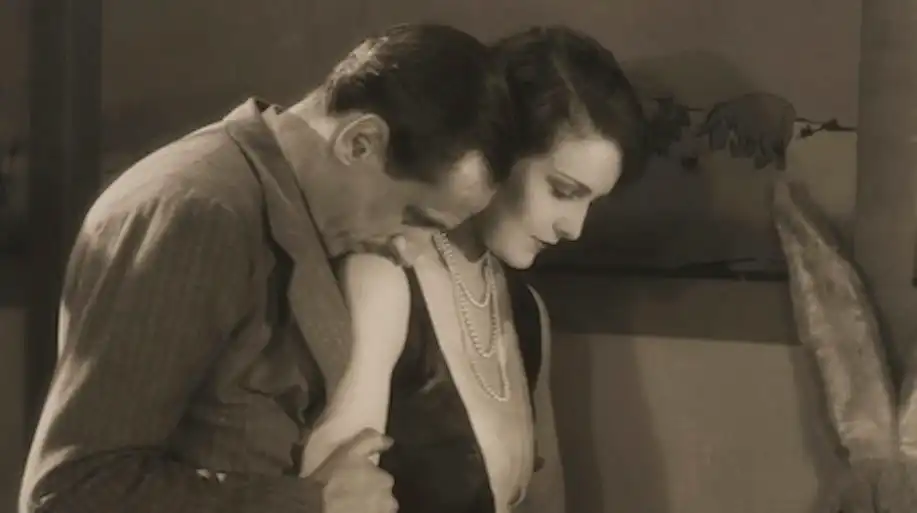
The premise is simple enough: a young woman, played by Marjorie Roach, marries a seemingly charming, well-to-do man (Miles Mander, who also co-wrote the thing). You can see the setup coming a mile off, right? He's a cad. A real piece of work. The film wastes little time getting there, which is actually one of its strengths – it doesn't pretend this is some grand romance for long.
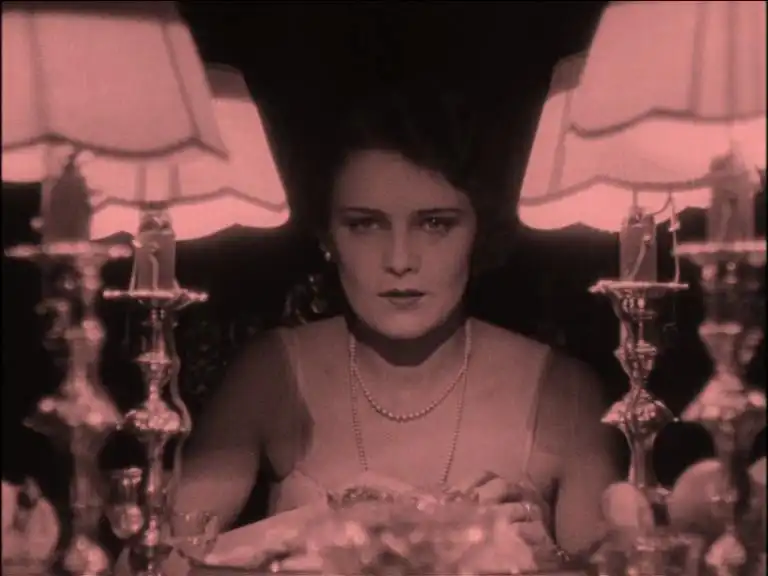
Roach, as the wife, has these incredible eyes. They do a lot of the heavy lifting. Early on, when Mander’s character, Sir John, is still putting on the charm, she has this particular look of almost childlike wonder, mixed with a hint of 'is this real?' It’s a small thing, but it grounds her just enough before the whole house of cards collapses.
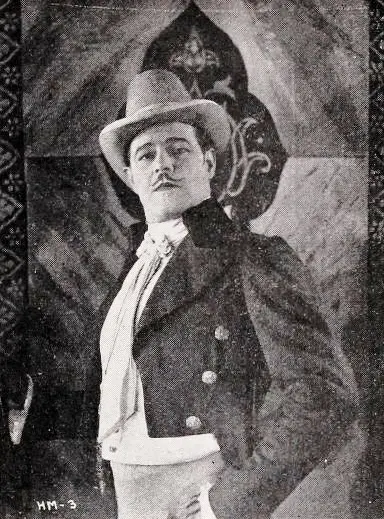
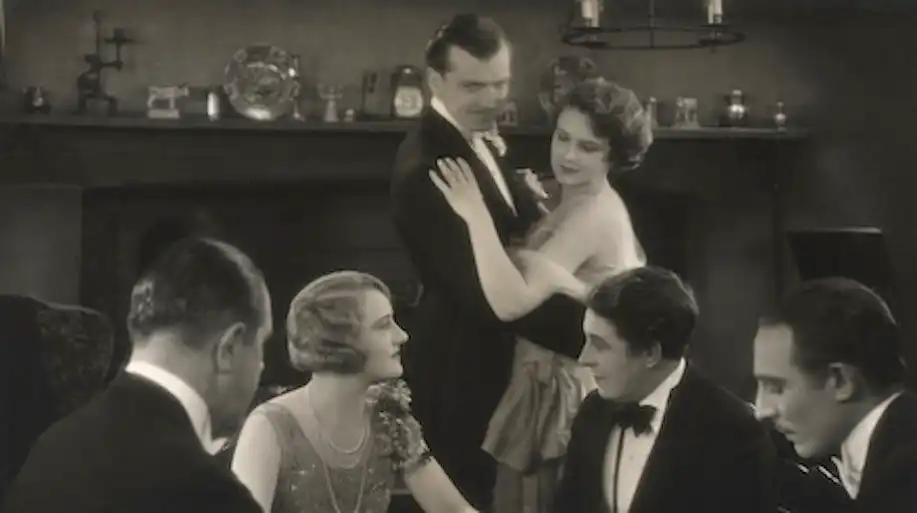
Mander, on the other hand, seems to relish playing the villain. His performance is a masterclass in silent film villainy – all smirks, raised eyebrows, and an almost cartoonish air of entitlement. There’s a scene where he’s at a party, clearly flirting with another woman, and he keeps glancing back at Roach. Not out of guilt, mind you, but almost as if daring her to react. It’s a nasty little detail that speaks volumes without an intertitle.
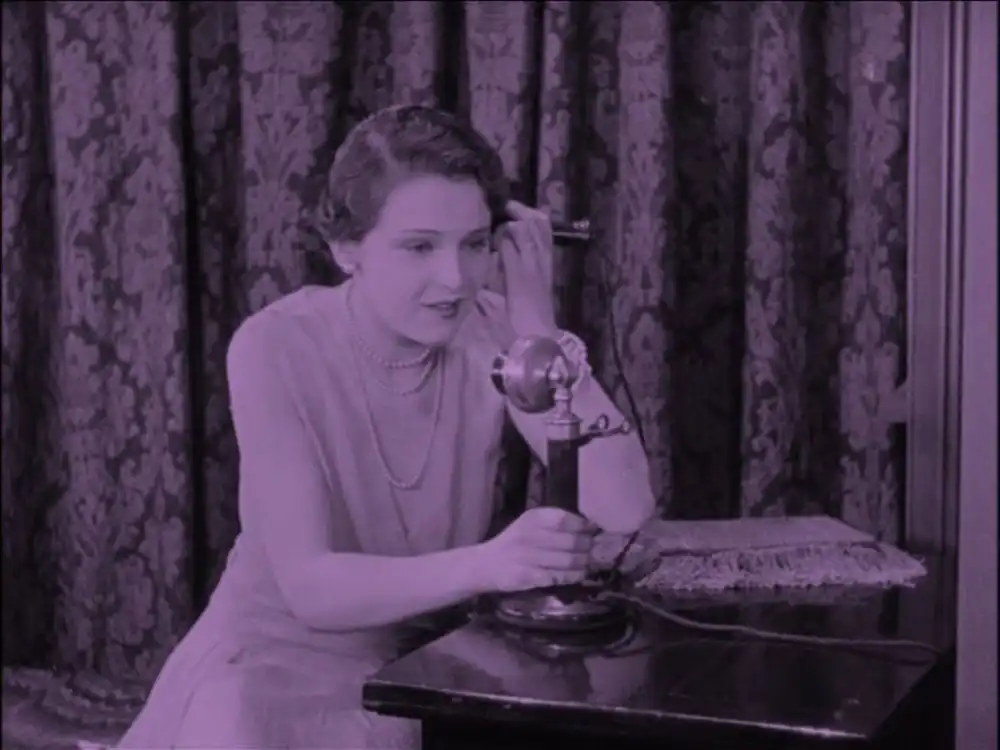
The film’s pacing is… well, it’s 1928. Some scenes really linger. There’s one sequence where Roach’s character is just sitting alone in their grand, empty house, and the shot holds for what feels like an eternity. You can almost feel the film trying to impress upon you her isolation, but it goes on about 10 seconds too long, and the silence starts to feel less emotional and more like the director forgot to call 'cut'.
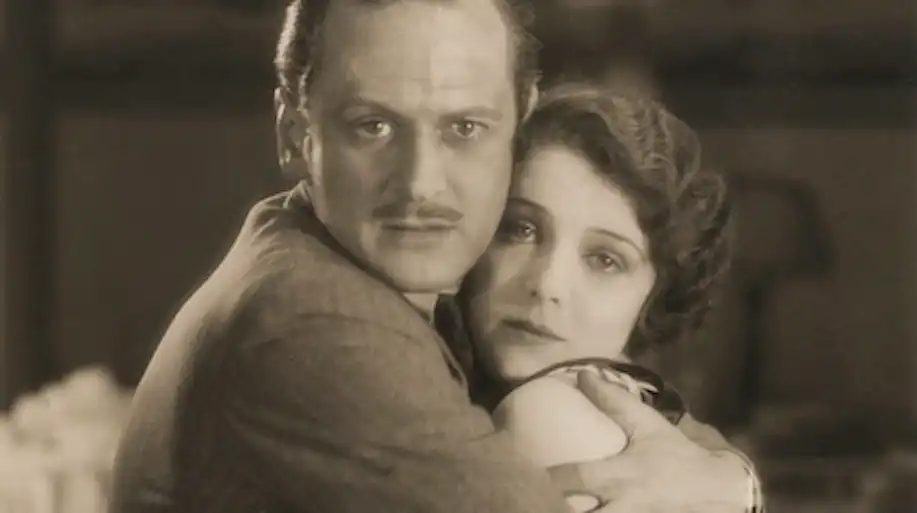
The costumes are pretty standard for the period, but there’s a moment when Sir John is leaving for one of his 'business trips' – clearly code for philandering – and his overcoat looks ridiculously expensive, almost too pristine. It contrasts so starkly with the worn, almost fragile look of his wife in the foreground. A nice, subtle visual touch that works.
Dialogue, through intertitles, is often direct, sometimes clunky. 'You are my property!' Sir John declares at one point. It’s a jarring line even for the era, designed to provoke, and it does. It really hammers home the toxic masculinity without much nuance, but then again, this is melodrama.
There’s a strange little subplot involving a horse, I think? Or maybe a dog. It felt a bit tacked on, a way to show Sir John’s general disregard for anything living that wasn't himself. It doesn't quite land, and the focus shifts away from it so quickly that you almost wonder why it was even included.
The final act gets a bit messy. The resolutions feel rushed after the deliberate slowness of the middle section. You can almost feel the story trying to tie itself up neatly, but the emotional damage feels too profound for the quick wrap-up it tries to deliver. It leaves you with a slightly unfinished feeling, like the movie abruptly decided it had run out of film.
Despite its flaws, and there are many – the occasional wooden acting from supporting players, those dragging scenes, the bluntness of its messaging – The First Born holds a certain, grim fascination. It’s a snapshot of a particular kind of storytelling, where emotions are writ large and villains are unambiguously villainous. It’s not subtle, it’s not always graceful, but it is undeniably there. And for those interested in where cinema came from, and how it grappled with stories of human cruelty, it offers a lot to chew on, even if some of it is tough going.
IMDb 5.7
1935
Community
Log in to comment.