DbcultAccessing Vault...
6/10
Senior Film Conservator
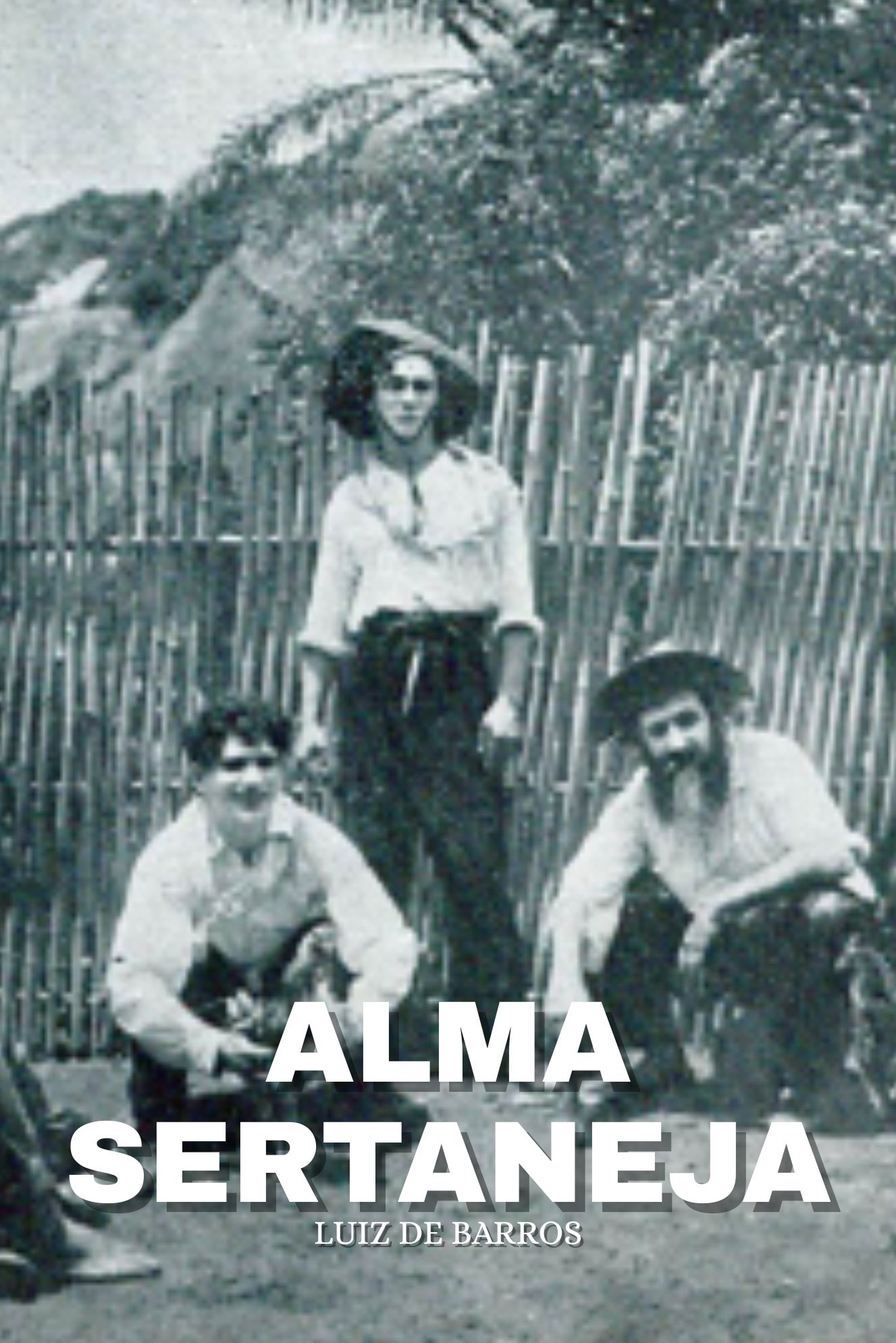
A definitive 6/10 rating for a film that redefined the boundaries of cult cinema. Alma Sertaneja remains a cornerstone of transgressive art.
The opening sequence of Alma Sertaneja immerses the viewer in a sun‑bleached landscape, where cracked earth stretches to the horizon and the wind carries the distant echo of a cantadora’s lament. This visual tableau, rendered in muted sepia tones, immediately signals the film’s preoccupation with endurance and the relentless passage of time.
Antônia Denegri’s portrayal of Maria is a study in restrained ferocity. She conveys a simmering defiance through subtle gestures—a lingering glance at a tattered textbook, a clenched fist hidden beneath a work‑shackled apron. Denegri’s performance is anchored by a physicality that mirrors the harsh terrain: each step she takes feels weighted, each breath measured, yet an undercurrent of hope pulses beneath the surface.
Opposite Denegri, Antonieta Olga embodies Rosa, the village’s oral historian. Olga’s voice, when she sings, resonates with a timbre that is both mournful and celebratory, echoing the duality of the sertão itself. Her songs function as narrative devices, stitching together fragmented memories and providing exposition without resorting to clunky dialogue.
José Figueiredo, as the patriarch Joaquim, offers a performance that oscillates between stoic authority and palpable vulnerability. His internal conflict—protecting his family while upholding a rigid social order—manifests in moments of silence that speak louder than any monologue.
Alvaro Fonseca’s Padre Miguel is perhaps the film’s most philosophically intriguing figure. Confronted with a drought that renders prayers impotent, Fonseca delivers a series of contemplative soliloquies that interrogate the nature of faith. The director, Alberto Botelho, frames these monologues against stark, empty interiors, emphasizing the isolation of belief in a world that has turned its back on divine intervention.
The supporting cast—Rosália Pomba as the pragmatic midwife, Otília Amorim as the village’s matriarch, and Pedro Dias as the rebellious Tiago—populate the narrative with a mosaic of perspectives, each contributing to the film’s thematic richness.
Cinematographer Carlos Mendes employs a palette that juxtaposes the oppressive heat of the sertão with moments of ethereal beauty. In scenes where the sun breaks through cloud cover, the camera captures shafts of light that illuminate dust particles, creating a visual metaphor for revelation amidst obscurity. The use of long, unbroken takes allows the audience to linger in the characters’ emotional spaces, fostering an intimacy that is rarely achieved in period dramas.
The film’s narrative structure is deliberately non‑linear, echoing the oral tradition that Rosa embodies. Flashbacks are interwoven with present‑day events, and the chronology is punctuated by Rosa’s songs, which act as temporal anchors. This storytelling technique invites comparison to The Spell of the Yukon, where mythic folklore similarly informs the pacing and rhythm of the plot.
Botelho’s direction is marked by restraint; he eschews melodramatic excess in favor of subtle, character‑driven moments. The rebellion led by Tiago is depicted not through grandiose battle sequences but through whispered conspiracies in dimly lit taverns, the clink of clandestine weapons, and the furtive exchange of coded songs. This approach aligns the film with the understated tension found in Luck and Pluck, where the stakes are conveyed through atmosphere rather than spectacle.
The thematic core of Alma Sertaneja revolves around the tension between tradition and progress. Maria’s yearning for literacy symbolizes a break from the oral tradition that has sustained the community for generations. Yet the film does not present this shift as a binary victory; instead, it suggests a synthesis where the written word coexists with song, creating a richer cultural tapestry.
The film’s sound design further amplifies its thematic concerns. Ambient noises—the rustle of dry leaves, the distant lowing of cattle, the crackle of a fire—are layered with a minimalist score that incorporates traditional Brazilian instruments such as the viola caipira and the pandeiro. This auditory landscape immerses the viewer in the sertão’s sensory reality, reinforcing the narrative’s authenticity.
One of the most striking sequences occurs during the night of the uprising. As flames engulf the hacienda, the camera lingers on the faces of women—Rosa, Maria, and Otília—who stand amidst the chaos, their silhouettes illuminated by the orange glow of the fire. The scene is shot in slow motion, each ember reflecting the resilience etched into their expressions. The use of the dark orange hue (#C2410C) in this moment is not merely aesthetic; it symbolizes both destruction and the ember of hope that refuses to be extinguished.
The film’s climax, while violent, is underscored by a haunting refrain sung by Rosa, her voice rising above the cacophony of gunfire. The juxtaposition of song and violence creates a dissonance that forces the audience to confront the paradox of beauty emerging from brutality.
In the aftermath, the narrative shifts to a quieter, contemplative tone. The surviving women gather around a makeshift altar, offering prayers not to a distant deity but to the memory of those lost. This scene, bathed in the cool sea‑blue hue (#0E7490) of twilight, evokes a sense of melancholy tempered by resolve.
The final tableau—Maria teaching children to read by the flickering light of a kerosene lamp—serves as a visual metaphor for enlightenment emerging from darkness. The lamp’s flame, a small yet persistent source of light, mirrors the film’s overarching message: knowledge, culture, and solidarity can endure even the harshest of environments.
Comparatively, the film shares thematic resonance with The Pretender, where personal identity is contested within oppressive societal structures. Both films employ a slow‑burn narrative that privileges character introspection over action‑driven plot.
The screenplay, penned by Botelho, is rich with subtext. Dialogue is often elliptical, allowing the audience to infer motivations through glances and gestures. This economy of language aligns the film with the narrative precision of The Coiners' Game, where every line carries weight.
From a production standpoint, the film’s set design meticulously recreates the sertão’s architecture—mud‑brick houses, thatched roofs, and communal wells—imbuing the setting with an authenticity that grounds the story in a tangible reality. Costume design further reinforces this authenticity, with characters donning period‑accurate garments that reflect their social status and personal narratives.
The pacing, while deliberate, never lapses into tedium. Each act is punctuated by moments of lyrical beauty—whether it is a sunrise over the arid plains, a child’s laughter echoing through a dusty alley, or the soft rustle of pages as Maria reads aloud. These interludes provide rhythmic relief, allowing the audience to breathe before the next surge of tension.
The film’s exploration of gender dynamics is particularly noteworthy. While the male characters embody traditional authority, the women of the village emerge as the true custodians of cultural memory and agents of change. Rosa’s cantata, for instance, becomes a rallying cry that galvanizes the community, illustrating the power of female agency in a patriarchal context.
In terms of legacy, Alma Sertaneja stands as a seminal work within Brazilian cinema, influencing subsequent filmmakers who seek to portray rural life with nuance and reverence. Its emphasis on oral tradition, combined with a forward‑looking embrace of literacy, offers a template for narratives that honor the past while envisioning progress.
The film’s reception among critics has been largely laudatory, with particular praise directed at its visual composition, thematic depth, and the performances of Denegri and Olga. Some detractors have noted the film’s occasional narrative opacity, arguing that the non‑linear structure may alienate viewers unfamiliar with the cultural context. However, this very ambiguity is often celebrated as a deliberate artistic choice, inviting multiple readings and scholarly discourse.
Overall, Alma Sertaneja is a cinematic tapestry woven from threads of history, myth, and personal struggle. Its ability to balance intimate character studies with sweeping social commentary renders it a compelling artifact of both artistic merit and cultural significance. For audiences seeking a film that challenges, enlightens, and lingers in the mind long after the credits roll, this work delivers in spades.

IMDb 6.7
1927
Community
Log in to comment.