DbcultAccessing Vault...
6.6/10
Senior Film Conservator
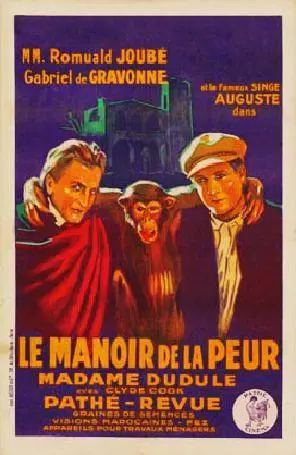
A definitive 6.6/10 rating for a film that redefined the boundaries of cult cinema. Le manoir de la peur remains a cornerstone of transgressive art.
Is Alfred Machin's Le Manoir de la Peur worth watching today? Short answer: yes, but with significant caveats. This early cinematic foray into psychological dread, a silent film from a bygone era, offers a fascinating glimpse into the nascent techniques of suspense, though its pace and narrative style will undoubtedly test the patience of modern viewers.
It's a film for those who cherish the historical evolution of cinema, for scholars of early horror, and for enthusiasts of atmospheric storytelling unburdened by dialogue. Conversely, it is decidedly NOT for audiences seeking rapid-fire thrills, contemporary pacing, or explicit plot resolutions. If you demand immediate gratification from your entertainment, look elsewhere.
Le Manoir de la Peur, or 'The Manor of Fear,' is a testament to the power of suggestion in early cinema. Directed by Alfred Machin and penned by Machin himself alongside Henry Wulschleger, the film leverages its simple premise to construct a pervasive sense of unease. It’s a foundational piece, demonstrating how atmosphere and performance, even without spoken words, can effectively convey terror.
The narrative itself is stark: a mysterious stranger and his servant settle into a Provençal manor, and almost immediately, a wave of unsettling crimes begins to plague the nearby village. This direct correlation, while perhaps simplistic by today's standards, was a potent engine for fear in its time, tapping into primal anxieties about the unknown outsider and the corruption of idyllic spaces.
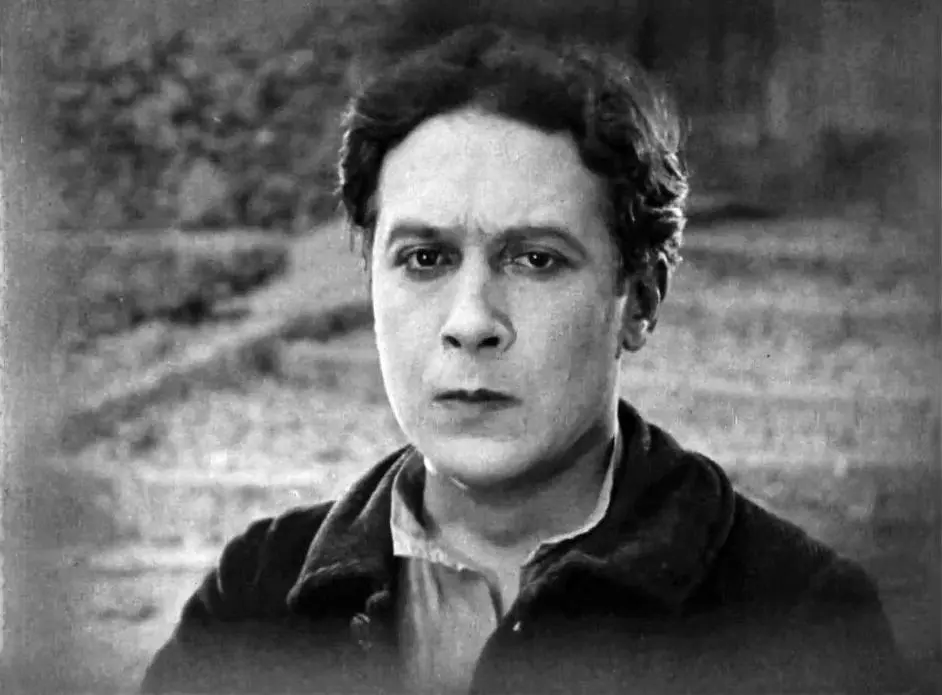
In an era before sophisticated special effects, the 'fear' had to be built through other means. Machin excels at this, particularly in his use of location and the palpable reactions of his cast. The Provençal setting, often associated with sun-drenched tranquility, becomes a canvas for encroaching shadow, its natural beauty juxtaposed against the growing human dread.
This film works because it understands the fundamental power of the unexplained. The creeping dread, the way the villagers' paranoia escalates, feels genuinely earned within the context of silent film storytelling. It’s a masterclass in implication, forcing the audience to fill in the terrifying blanks.
This film fails because its narrative economy, while effective for atmosphere, leaves much of the character motivation and specific plot mechanics underdeveloped. Modern audiences, accustomed to intricate backstories and explicit resolutions, may find its minimalism frustratingly vague.
You should watch it if you appreciate the historical significance of early cinema, are fascinated by the origins of the horror genre, or seek a meditative, atmospheric experience rather than a plot-driven one.
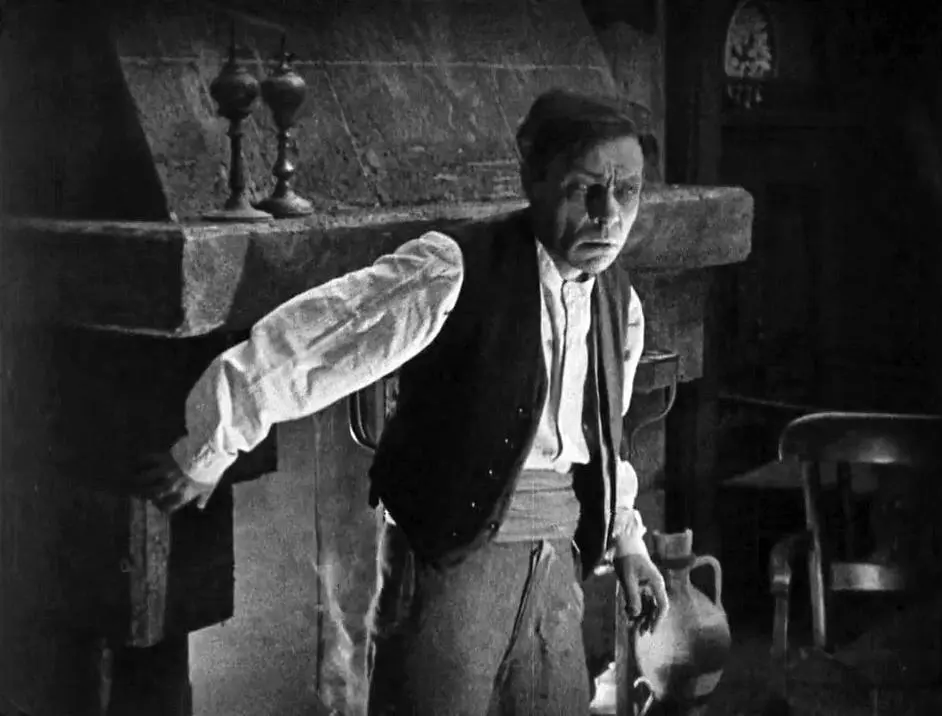
Alfred Machin, a pioneering figure in Belgian cinema, demonstrates a nascent yet effective understanding of visual storytelling in Le Manoir de la Peur. His direction prioritizes mood over intricate plotting, a wise choice given the limitations of the silent medium. He uses the expansive, often stark, Provençal landscape to great effect, framing the isolated manor as a looming, almost sentient antagonist.
One particularly effective directorial choice is the recurring motif of the manor itself, often shown in long shots, silhouetted against a darkening sky or shrouded in mist. This visual shorthand instantly communicates its ominous nature. The contrast between the vibrant, bustling village scenes and the desolate, silent manor interiors is stark, emphasizing the division between safety and peril.
Machin’s pacing is deliberately slow, allowing the tension to build gradually. He isn't interested in jump scares, but in a slow, suffocating crawl towards dread. This can feel laborious to contemporary eyes, but it's a calculated decision that allows the audience to truly sink into the villagers' growing anxiety. The film is less about what happens, and more about the psychological impact of impending doom.
The camera work, while rudimentary by today's standards, is surprisingly dynamic for its era. There are subtle tracking shots and close-ups that emphasize facial expressions, crucial for conveying emotion without dialogue. Machin understands that in silent film, the camera is the narrator, guiding the audience's emotional response.
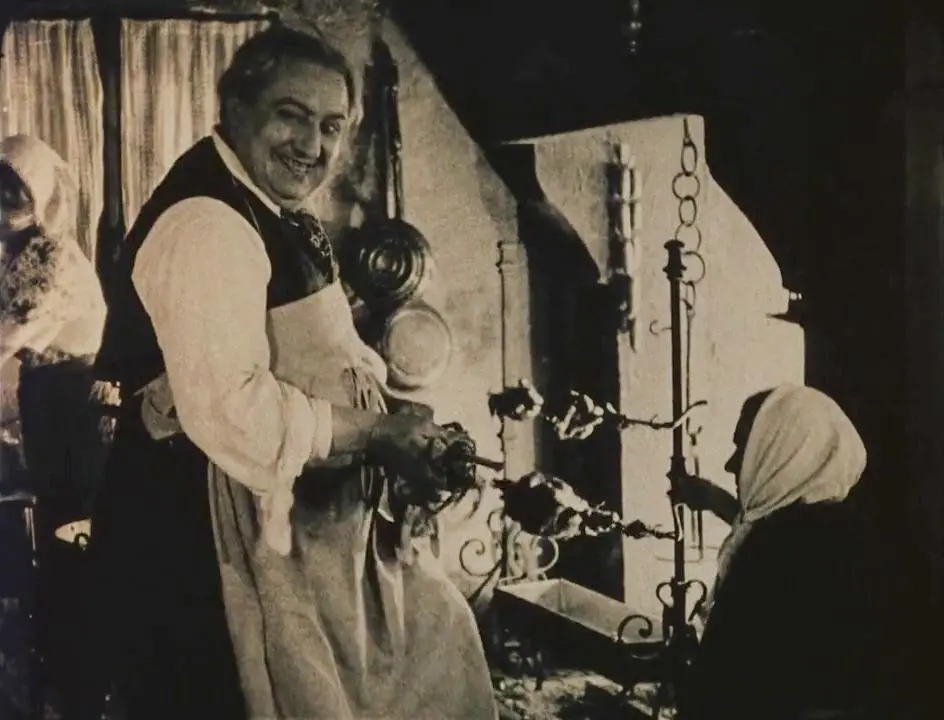
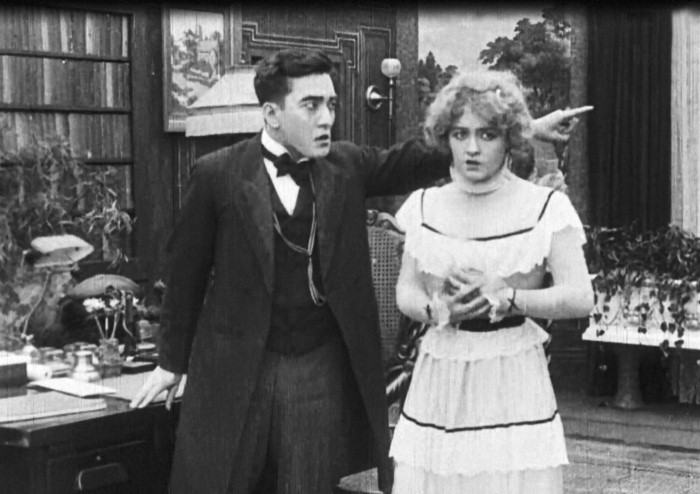
The cast of Le Manoir de la Peur, including Léon Berton, Louis Monfils, and Lynn Arel, delivers performances characteristic of the silent era: often exaggerated, highly emotive, and reliant on physical expression. This style, while sometimes perceived as theatrical or over-the-top today, was essential for conveying complex emotions and plot points without the aid of dialogue.
Léon Berton, presumably playing a key village figure or perhaps the protagonist, excels in portraying the escalating fear and eventual desperation of the community. His wide-eyed terror, frantic gestures, and slumped posture after each new incident are powerful visual cues. One can almost hear the gasps and whispers of the villagers through his performance.
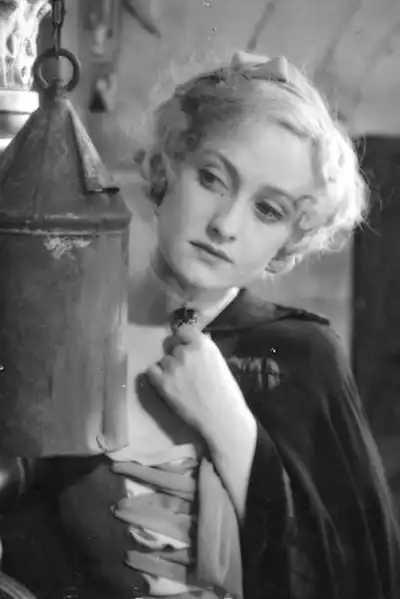
Lynn Arel, as a female lead (perhaps a love interest or a victim), brings a vulnerability and tragic beauty to her role. Her expressions of fear and distress are particularly poignant, often serving as the emotional anchor for the audience. The silent scream conveyed through her contorted face in a moment of perceived danger is more chilling than any audible shriek could be.
The mysterious stranger, likely played by Romuald Joubé or Gabriel de Gravone, embodies a quiet menace. His performance relies on stillness, piercing gazes, and subtle, unsettling movements that hint at a darker purpose. This understated villainy, in contrast to the more overt expressions of fear from the villagers, creates a compelling dynamic. The true horror isn't just his actions, but the *implication* of his presence.
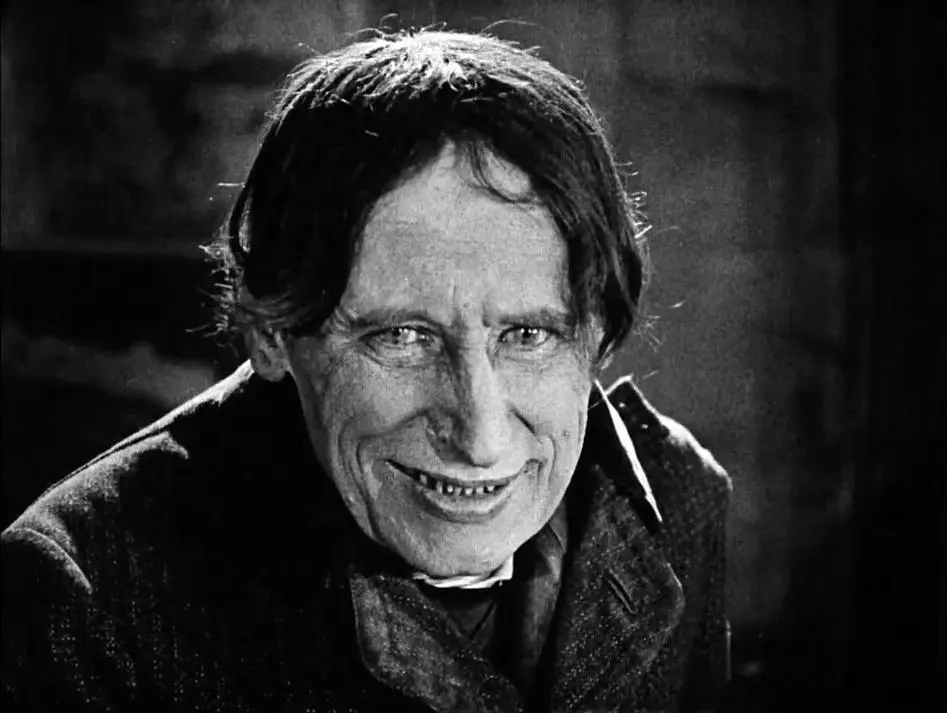
It’s a specific kind of acting, a lost art almost, where every muscle and movement had to speak volumes. And for the most part, the cast of Le Manoir de la Peur speaks eloquently.
The cinematography in Le Manoir de la Peur is perhaps its strongest technical asset. The film masterfully employs natural light and shadow play to enhance its gothic atmosphere. The Provençal setting, while beautiful, is never romanticized; instead, it's often shot with a stark realism that makes the encroaching darkness feel all the more potent.
Machin and his cinematographers (though uncredited individually in the provided context, the visual style is clear) utilize deep shadows within the manor to conceal and distort, making every corner seem to hold a secret. The use of low-key lighting for interior shots of the manor creates a sense of claustrophobia and foreboding. These are practical effects of their time, but they remain incredibly effective.
The production design, while seemingly simple, is highly functional. The manor itself, with its imposing facade and desolate grounds, becomes a character in its own right. The contrast between the quaint, sun-drenched village squares and the dark, forbidding interiors of the manor amplifies the narrative's central conflict. It's a visual dichotomy that reinforces the struggle between innocence and corruption.
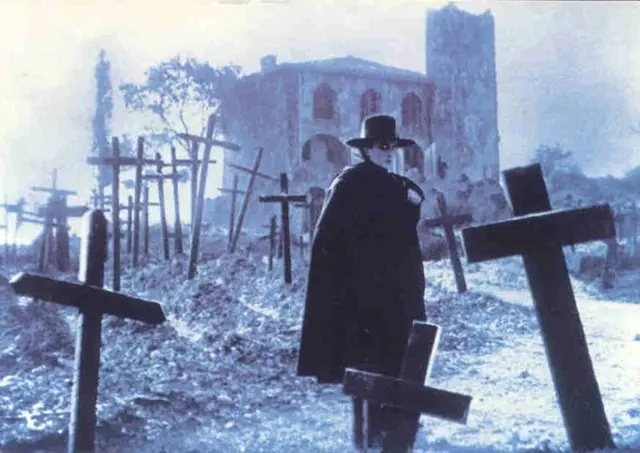
Consider the scene where a villager stumbles upon a crime scene – the stark, almost documentary-style realism of the setting, devoid of overt theatricality, grounds the horror in a believable reality. This choice makes the subsequent terror feel more visceral, less like a stage play. It’s a powerful, unsettling touch.
For the discerning cinephile or the ardent student of film history, Le Manoir de la Peur is absolutely worth seeking out. It offers a rare window into the early days of genre filmmaking, showcasing how suspense and horror were constructed before the advent of sound and modern editing techniques. It’s a foundational text, revealing the roots of many cinematic tropes we take for granted.
However, for the casual viewer, it presents a challenge. The slow pacing, reliance on intertitles, and the often exaggerated acting styles can be off-putting. It requires patience and a willingness to immerse oneself in a different cinematic language. If you approach it with an open mind, you’ll find a surprisingly effective mood piece.
It's not a film that will deliver jump scares or adrenaline rushes. Its impact is more subtle, a creeping dread that seeps into your consciousness. Its value lies in its historical significance and its quiet, persistent ability to create atmosphere. It works. But it’s flawed.
The pacing of Le Manoir de la Peur is a deliberate, slow burn. This is not a film that rushes to its conclusions. Instead, it savors the build-up, allowing the fear to percolate through the community, much like a poison slowly spreading. This can be frustrating for those accustomed to the rapid cuts and plot accelerations of contemporary cinema. Yet, it is precisely this unhurried tempo that allows the film's pervasive tone of dread to truly settle.
The tone is undeniably gothic and melodramatic, a hallmark of silent cinema. There’s an inherent theatricality to the way emotions are expressed, and the narrative leans into the dramatic potential of its premise. This melodrama, however, isn't a weakness; it's a stylistic choice that amplifies the sense of impending doom and the villagers' mounting despair. It feels authentic to its era, a time when dramatic flourish was a primary tool for emotional connection.
Its lasting impact, surprisingly, is significant, even if it’s largely confined to academic circles or niche enthusiasts. Le Manoir de la Peur demonstrates that the core elements of horror—mystery, an unsettling antagonist, a threatened community, and the slow unraveling of peace—are timeless. It proves that a great horror film doesn't need dialogue or advanced technology to instill fear; it just needs a compelling premise and a director who understands how to manipulate mood.
"The true terror of Le Manoir de la Peur isn't in what it shows, but in what it implies, making the audience complicit in constructing their own nightmares."
This film, despite its age, still manages to tap into our innate fear of the unknown and the corruption of innocence. It’s a surprisingly effective piece of early psychological horror, proving that sometimes, less is indeed more.
Le Manoir de la Peur is more than just a relic; it's a foundational text in the history of cinematic horror and suspense. While it undoubtedly demands a specific kind of appreciation and a willingness to engage with the conventions of silent cinema, its power to evoke a palpable sense of dread remains surprisingly intact. Alfred Machin's directorial vision, combined with the emotive performances of his cast and the evocative cinematography, crafts an experience that, for all its age, still manages to chill. It’s not a film for everyone, but for those willing to lean into its unique rhythm, it offers a profound and historically significant exploration of fear. It is a vital piece of cinematic archaeology, deserving of its place in the pantheon of early genre filmmaking, and a compelling argument for the enduring power of silent storytelling.
IMDb —
1918
Community
Log in to comment.