DbcultAccessing Vault...
Cult Review
Senior Film Conservator
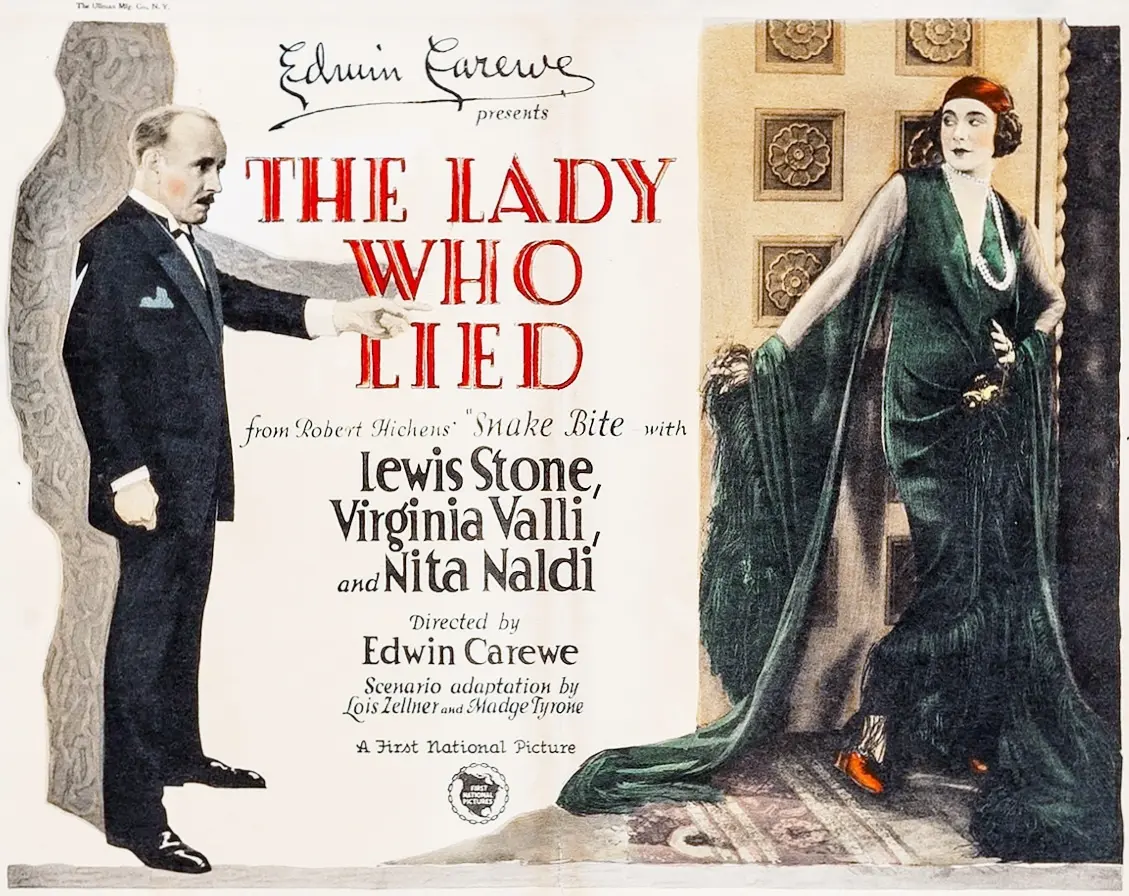
In the annals of silent cinema, certain narratives resonate with a timeless profundity, echoing the perennial human struggles of love, betrayal, and sacrifice. Such is the case with The Lady Who Lied, a cinematic endeavor that, even decades later, compels a thoughtful re-evaluation of its intricate moral tapestry. This is not merely a tale of romantic entanglement but a nuanced exploration of the choices we make under duress, the lies we tell to protect, to save, and ultimately, to survive. The film, a product of its era's melodramatic sensibilities, transcends simple categorization, presenting a rich psychological drama steeped in the exoticism of colonial Algeria and the unforgiving vastness of the African safari.
The narrative unfurls with an almost Shakespearean sense of tragic irony. Fay Kennion, portrayed with compelling vulnerability by Virginia Valli, finds her world upended by a seemingly innocuous, yet devastatingly misinterpreted, encounter between her fiancé, Horace Pierpont (Gilbert Roland), and another woman. The brevity of the moment belies its monumental consequence, shattering their engagement and propelling Fay into a hasty union with Dr. Alan Mortimer, a character imbued with a palpable sense of internal turmoil by Lewis Stone. Mortimer, a physician practicing in the distant, sun-drenched landscapes of Algeria, is a man clearly wrestling with his own demons, hinted at by his struggle with alcoholism – a poignant detail that immediately establishes his character as one of complex fragility rather than simple villainy. This initial choice, born of hurt and perhaps a desire for stability, sets the stage for a cascade of events that will test the limits of loyalty, love, and self-preservation.
The story truly ignites when Horace Pierpont, now embarked on a grand African safari, extends an invitation to the Mortimers, a gesture that, while seemingly benign, is laden with the heavy weight of their shared past. The decision to accept, perhaps driven by a lingering sense of duty, a thirst for adventure, or an unconscious pull of fate, draws Fay and Alan into Pierpont's orbit once more. It is here, amidst the wild, untamed beauty of the African plains – a setting that inherently mirrors the untamed passions simmering beneath the surface – that the film truly comes alive. The stark contrast between the structured Victorian morality of their origins and the primal freedom of the safari environment acts as a potent catalyst for the rekindling of old flames. Despite their earnest attempts to maintain decorum and distance, the magnetic pull between Fay and Pierpont proves irresistible. Their shared history, the unresolved emotions, and the sheer proximity conspire against their best intentions, drawing them closer with an almost gravitational force.
The inevitable discovery by Dr. Mortimer of Fay and Pierpont in a passionate embrace is the narrative's central turning point. It is a moment of profound emotional violence, shattering the fragile facade of his marriage and confirming his deepest fears. Lewis Stone’s portrayal of Mortimer here, even in the silent medium, must have conveyed a visceral anguish, a man watching his fragile world crumble. This scene is not merely a plot device; it is a critical examination of the destructive power of jealousy and the agonizing pain of betrayal. For Fay, it is the culmination of a struggle between duty and desire, a choice made manifest in the heat of the moment, with devastating repercussions for all involved. This emotional climax resonates with the intense romantic dilemmas found in films like Forbidden Fruit, where characters are often trapped between societal expectations and personal yearnings.
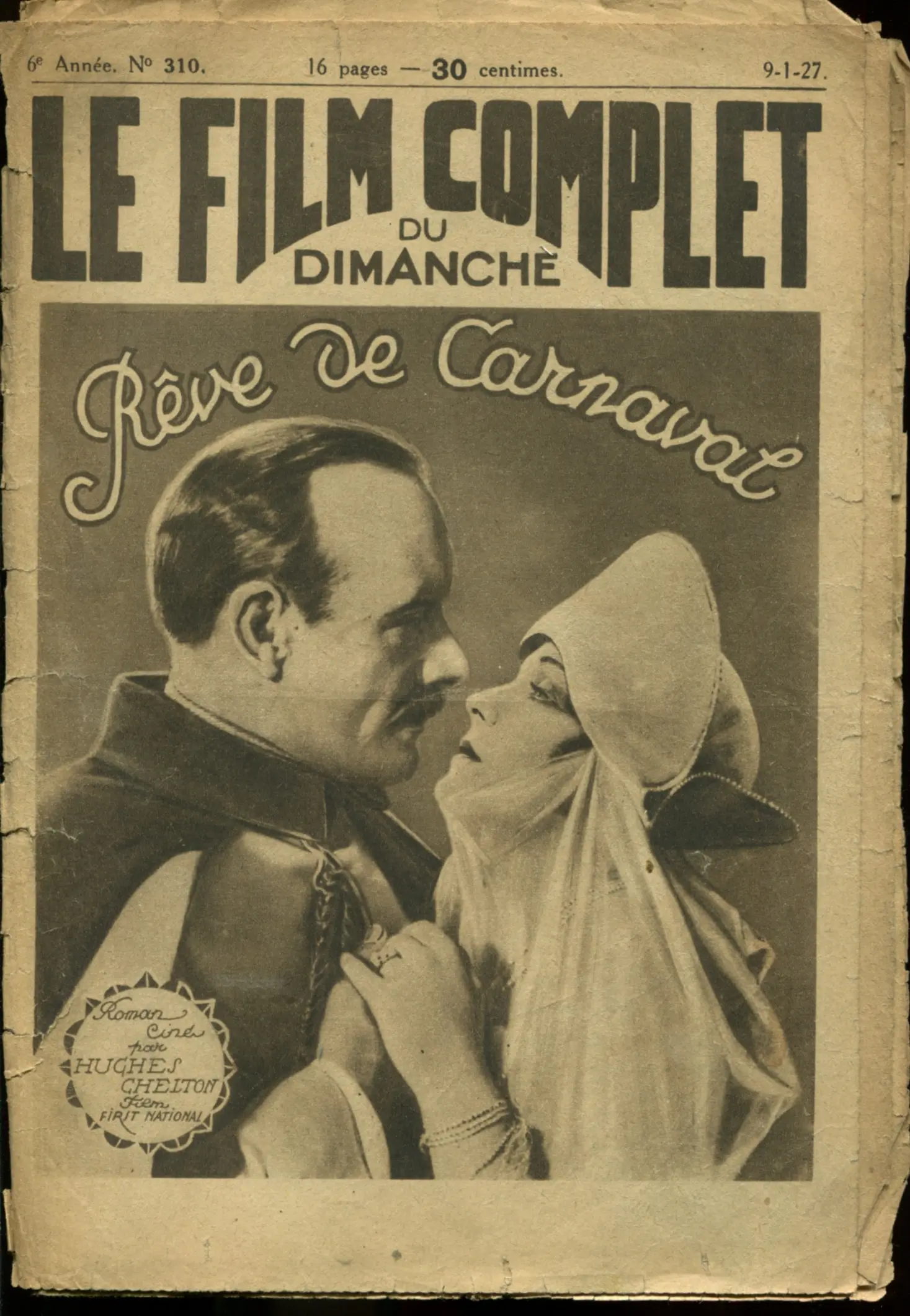
The narrative escalates dramatically when Pierpont suffers a venomous snake bite, placing his life squarely in Mortimer's hands. This is the ultimate test of character, a moment where personal animosity clashes violently with professional ethics and the very sanctity of life. Mortimer, consumed by the raw wound of betrayal, initially refuses to intervene, his heart hardened by a potent cocktail of anger, hurt, and perhaps a perverse sense of justice. This internal struggle is the film’s moral core, challenging the audience to confront the difficult question: what would one do when the life of one's rival depends entirely on one's own mercy? The tension in this sequence would have been palpable, an agonizing pause before the inevitable turning point.
It is at this critical juncture that Fay, recognizing the imminent death of the man she truly loves, performs the titular 'lie.' With a performance of desperate conviction, she feigns renewed affection for Mortimer, promising to return with him to the desolate solace of Algeria if only he would save Pierpont. This act of calculated deception, born of profound love, is a masterstroke of emotional manipulation. It highlights Fay's complex character: she is not merely a woman swayed by passion but a woman capable of strategic sacrifice for the one she loves, even if that sacrifice involves deceiving another. This lie is not malicious; it is a desperate gamble for life, a testament to the depths of her devotion. The moral ambiguity of her action—a lie for a greater good, or a profound betrayal of her husband?—is what gives the film its enduring power. It’s a thematic thread that echoes the complex moral landscapes found in stories like The Prodigal Liar, where truth and falsehood become inextricably linked to fate.
Mortimer, swayed by this false promise of reconciliation and perhaps by his inherent Hippocratic oath, ultimately relents. He tends to Pierpont's wounds, his medical skill prevailing against the venom, saving the life of his rival. This act of reluctant heroism underscores Mortimer's tragic nobility. Despite his flaws and his pain, he ultimately chooses life, a choice that speaks volumes about his character. The scene is a powerful demonstration of human resilience and the complex interplay of emotions that can drive even the most desperate decisions. The audience is left to ponder the weight of Fay's promise and the tragic irony of Mortimer's 'victory'—a life saved at the cost of his own emotional peace, built on a foundation of deceit.
Just as the characters navigate the return journey, the capricious hand of destiny intervenes once more. The caravan is ambushed by bandits, a sudden, brutal intrusion of external chaos into the already tumultuous internal lives of the protagonists. In the ensuing skirmish, Dr. Alan Mortimer is killed. This sudden, violent end to his character is both shocking and, in the context of the film's melodramatic framework, almost poetically tragic. It absolves Fay of her impossible promise, effectively freeing her from the moral bind she had created. The 'lie' is no longer a burden, as the one to whom it was made is no longer present to claim its fulfillment.
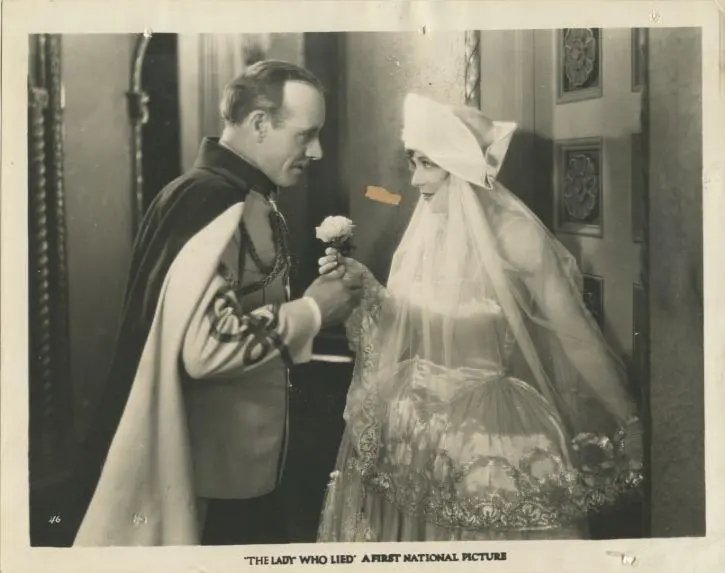
The death of Mortimer, while tragic, serves as a catalyst for the ultimate resolution Fay and Pierpont. They are now, through a twist of fate both cruel and liberating, free to pursue their happiness together. This conclusion, while providing the romantic couple with their desired outcome, is tinged with a profound sense of melancholy. Their freedom is bought at the cost of another's life, a life saved by one lie and ended by an act of violence. It forces the audience to confront the complex nature of 'happy endings' – are they truly happy when built upon such a foundation? The film doesn't shy away from this moral complexity, leaving a lingering question about the true cost of love and desire.
The performances, particularly from Virginia Valli as Fay, Gilbert Roland as Pierpont, and Lewis Stone as Mortimer, would have been pivotal in conveying the intricate emotional landscape of the story. In the silent era, actors relied heavily on exaggerated facial expressions, body language, and dramatic gestures to communicate internal states. Valli's Fay must navigate a spectrum of emotions: the initial heartbreak, the dutiful resignation, the rekindled passion, the desperate deception, and finally, the bittersweet relief. Roland's Pierpont, though perhaps less complex than the other two, would need to embody both the allure that draws Fay in and the vulnerability that compels her to act. Stone's Mortimer, as the tragic figure, would carry the weight of betrayal, the struggle with his demons, and the ultimate sacrifice, making his character perhaps the most emotionally resonant of the trio.
The Lady Who Lied delves into several enduring themes that continue to captivate audiences. Foremost among these is the theme of forbidden love and the societal constraints that often attempt to thwart it. Fay and Pierpont's love is not forbidden by law, but by circumstance and a promise, leading to a constant internal and external struggle. The film also explores the profound impact of deception, both as a destructive force and, paradoxically, as a tool for survival and salvation. Fay's lie, while morally ambiguous, is undeniably an act of love, pushing the boundaries of what is considered right or wrong when confronted with dire stakes. This moral quandary is a hallmark of compelling drama, forcing viewers to grapple with their own ethical frameworks.
Another potent theme is the role of fate versus free will. While characters make choices, external forces—a snake bite, a bandit attack—repeatedly intervene, shaping their destinies in unpredictable ways. This highlights the fragility of human plans and the powerful, often arbitrary, nature of circumstance. The exotic setting of Algeria and the African safari is not merely a backdrop; it is an active participant in the drama, its wildness reflecting the characters' tumultuous inner worlds and providing a sense of heightened stakes and isolation. This use of setting to amplify emotional tension can be seen in other visually rich silent films, where the landscape becomes almost another character.
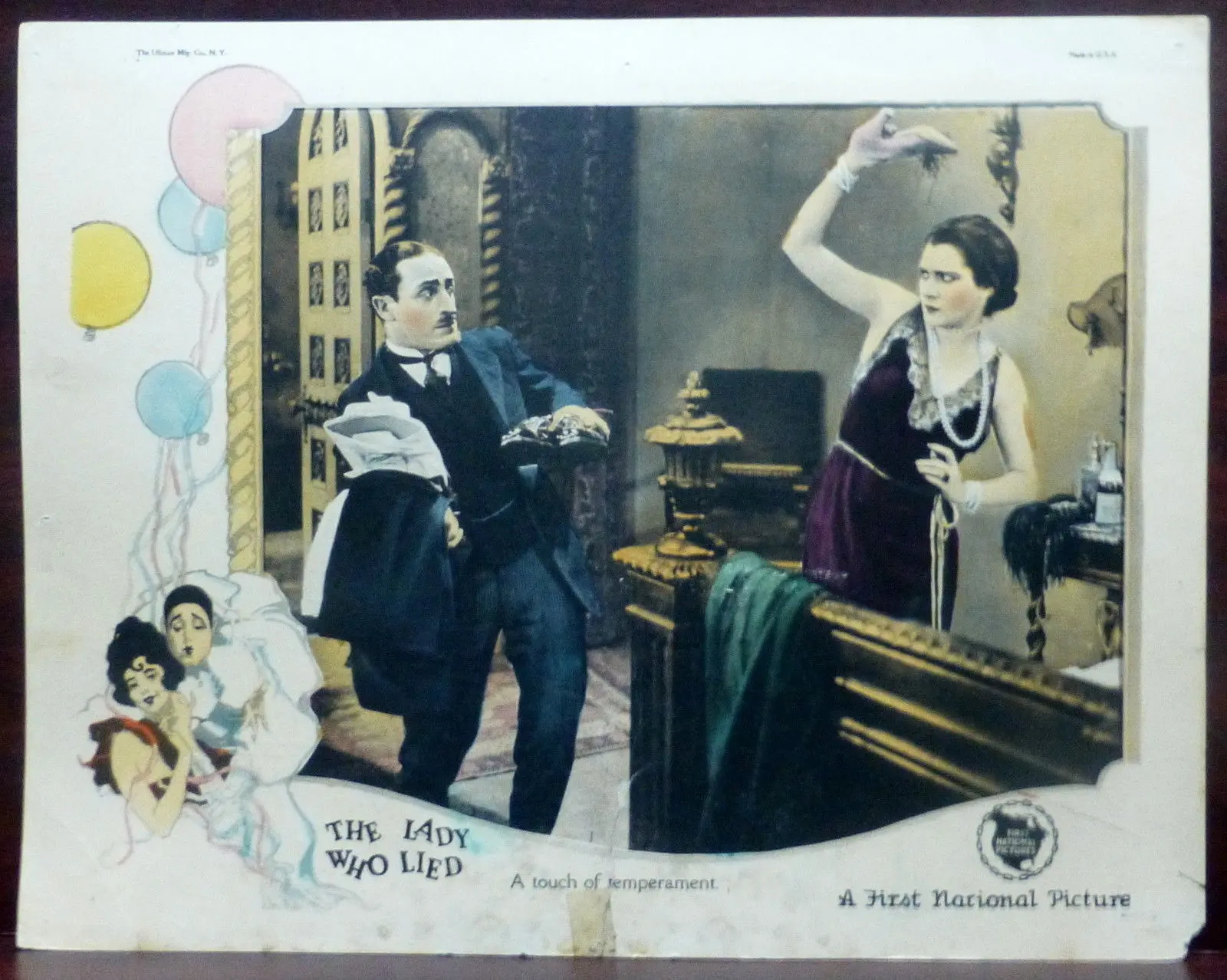
The film also offers a fascinating glimpse into the social mores of the early 20th century, particularly regarding marriage, fidelity, and the roles of women. Fay's initial decision to marry Mortimer after a perceived slight speaks to a certain societal pressure or expectation, even if it’s an emotional reaction. Her subsequent struggles and her ultimate choice to save Pierpont, even through deception, challenge these conventional boundaries, portraying a woman driven by intense personal conviction rather than purely societal dictates. This complexity in female characters was a nascent but growing trend in silent cinema, moving beyond simplistic portrayals.
While The Lady Who Lied might be a lesser-known gem in the vast tapestry of silent films, its narrative sophistication and profound emotional depth make it a compelling subject for study. The film's ability to weave together themes of love, betrayal, sacrifice, and the unpredictable hand of fate into a coherent and intensely dramatic whole speaks to the enduring power of storytelling in its purest form. The reliance on visual storytelling, characteristic of the era, would have demanded exceptional skill from the director and performers, translating complex emotional arcs without the aid of dialogue. The use of intertitles would have been crucial, not just to advance the plot, but to provide insights into the characters' inner thoughts and motivations, guiding the audience through their moral mazes.
The film's writers, Madge Tyrone, Lois Zellner, and Robert Hichens, deserve commendation for crafting a plot that, despite its melodramatic flourishes, maintains a gripping psychological realism. They understood the power of high stakes and moral dilemmas, creating a story where every choice has profound consequences, and where even a 'happy' ending comes with a heavy emotional price. The narrative's twists and turns, particularly the snake bite and the bandit attack, serve not as arbitrary plot devices but as external manifestations of the internal turmoil experienced by the characters, pushing them to their absolute limits.
In conclusion, The Lady Who Lied stands as a testament to the enduring appeal of human drama, proving that stories of love, loss, and the morally ambiguous choices we make in between are truly universal. It is a film that challenges its audience to look beyond simple notions of right and wrong, inviting contemplation on the complex tapestry of human relationships and the unpredictable journey of life. Its intricate plot, compelling characters, and potent themes ensure its place as a significant, albeit perhaps underappreciated, work of silent cinema, worthy of rediscovery and thoughtful consideration by anyone fascinated by the origins of cinematic storytelling and the timeless narratives that continue to shape our understanding of the human condition.
IMDb —
1921
Community
Log in to comment.