DbcultAccessing Vault...
5.5/10
Senior Film Conservator
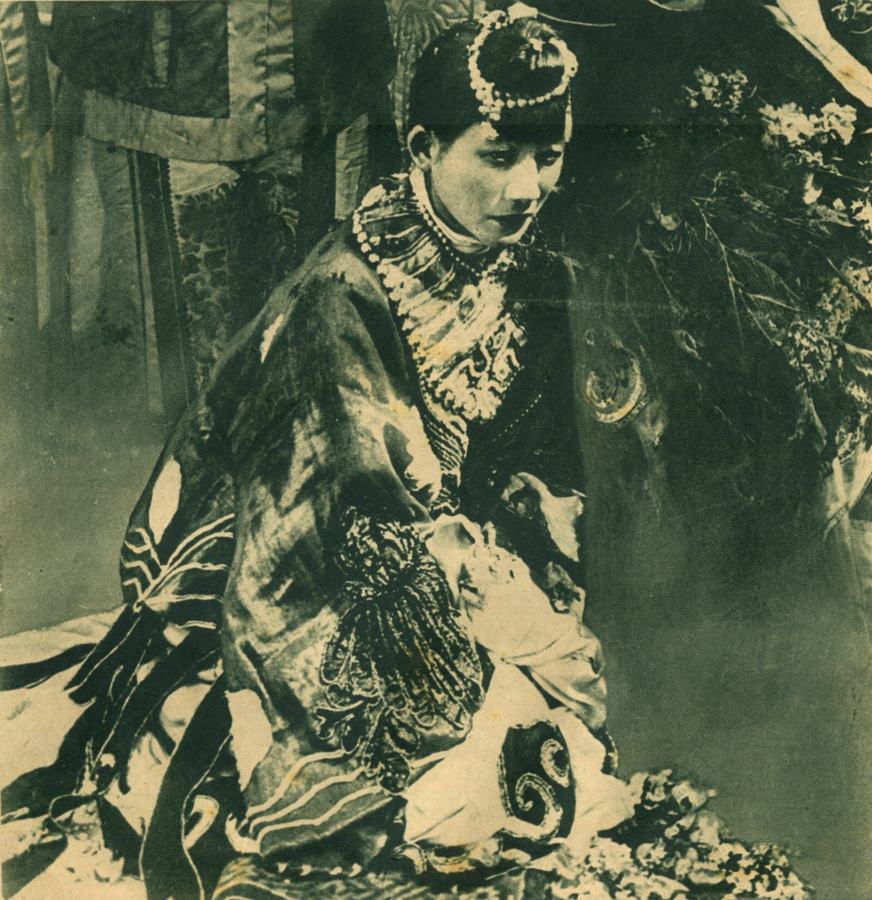
A definitive 5.5/10 rating for a film that redefined the boundaries of cult cinema. Le voile du bonheur remains a cornerstone of transgressive art.
In the annals of early cinema, few films possess the philosophical gravitas and stark emotional resonance of Georges Clemenceau’s 1923 masterpiece, Le voile du bonheur. This is not merely a narrative; it is a profound meditation on the nature of perception, the fragility of constructed realities, and the often-excruciating burden of truth. Clemenceau, more widely known for his political prowess, here demonstrates a startling command of human psychology, crafting a story that peels back layers of illusion with an unsparing hand. The film's premise, deceptively simple, unfurls into a complex examination of a man’s world irrevocably altered by the very thing he once yearned for: sight.
At its core lies the tragic figure of the blind Chinese poet, portrayed with exquisite vulnerability by Shu Hou. His existence is an exquisite tapestry woven from the threads of imagination and the unwavering belief in the inherent goodness of his surroundings. For him, blindness is not merely an affliction; it is a filter, a protective shroud that allows him to perceive only kindness, loyalty, and affection. His wife, the friends who frequent his home, even the very air he breathes, are imbued with an almost divine purity in his mind's eye. This idyllic mental landscape, however, is built upon a foundation of profound ignorance, a blissful unawareness of the genuine characters inhabiting his life. The film masterfully establishes this initial state of serene delusion, making the subsequent unraveling all the more devastating.
Before the poet’s world is shattered, a prophetic whisper echoes through the narrative, a premonition of the cruel clarity that awaits him. A seer’s words, steeped in ancient wisdom and perhaps a touch of fatalism, foretell that the restoration of his vision will not bring unadulterated joy, but rather a devastating revelation. It is a brilliant narrative device, imbuing the impending miracle with a sense of dread rather than hope. This is where Le voile du bonheur distinguishes itself from simpler tales of triumph over adversity. It posits that some truths are too heavy to bear, some realities too stark to confront without profound suffering. The audience is made privy to this impending doom, creating a palpable tension as we witness the poet’s innocent happiness, knowing full well the precipice he stands upon.
The moment of restored sight is handled with a stark, almost clinical realism. There are no soaring musical crescendos or dramatic stylistic flourishes. Instead, the film emphasizes the raw, unfiltered influx of visual information, and with it, the brutal erosion of the poet’s cherished illusions. Shu Hou’s performance here is nothing short of transcendent, conveying the agonizing transition from the gentle embrace of darkness to the harsh glare of an unvarnished reality. His eyes, once blank and serene, now reflect a growing horror as the faces he once trusted begin to contort into expressions of deceit and self-interest. It is a masterclass in non-verbal communication, where every subtle shift in expression, every tremor of the hand, speaks volumes about the internal earthquake he is experiencing.
The immediate aftermath is a cascade of betrayals. The poet, now seeing with unsparing clarity, witnesses his friends – characters previously presented as loyal companions, perhaps even benefactors – for what they truly are: opportunistic sycophants, eager to exploit his vulnerability and reputation. Jean Bradin, in particular, embodies this duplicity with a chilling effectiveness, his once-friendly demeanor now revealing a calculating coldness. The film doesn't shy away from the ugliness of human nature, presenting these revelations not as isolated incidents but as an endemic rot that has long festered beneath the surface of his carefully constructed world.
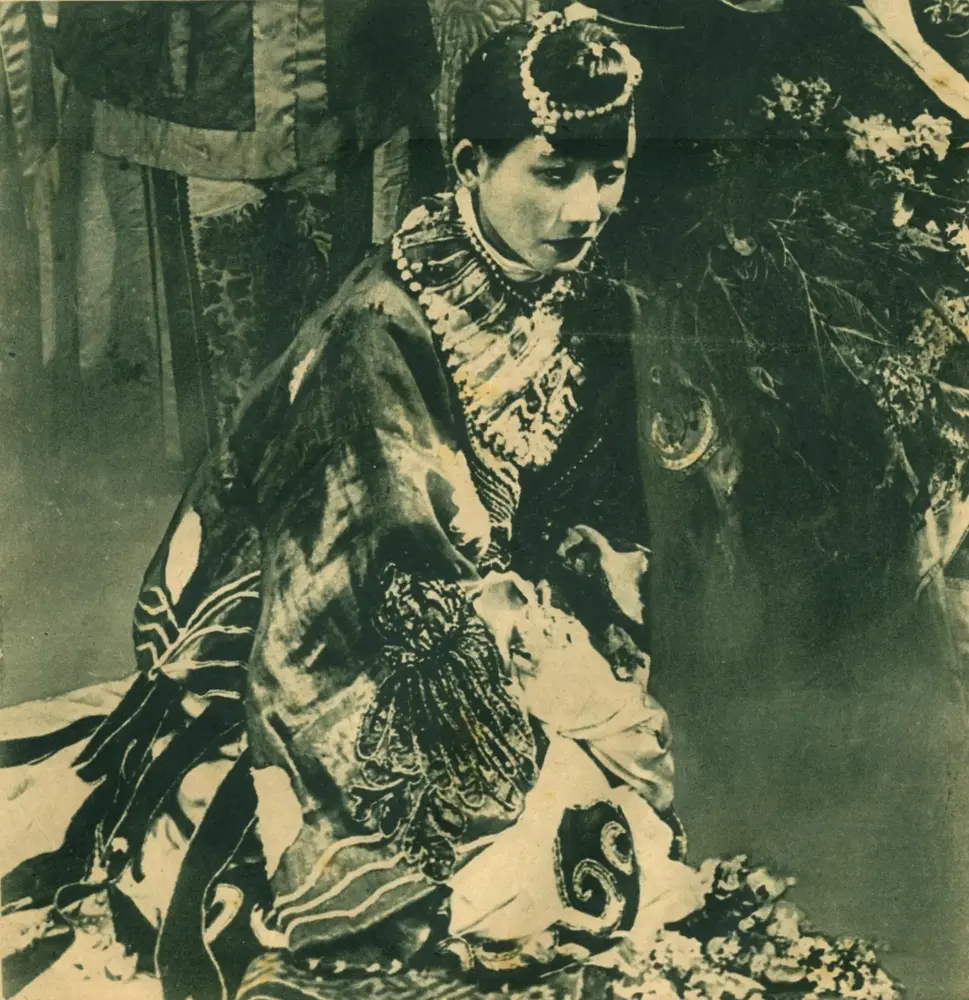
Even more devastating is the revelation concerning his wife, portrayed by Susie Wata. Her faithlessness, once shrouded by his blindness, now stands exposed in stark relief. This particular betrayal cuts deepest, as it strikes at the heart of his most intimate relationship, the one foundational pillar of his happiness. Wata's portrayal, though perhaps understated by modern standards, conveys the subtle shifts in her character's demeanor, from a seemingly devoted spouse to a woman whose true allegiances lie elsewhere. The film’s silent storytelling, reliant on nuanced performances and visual cues, imbues these moments with a potent, gut-wrenching impact.
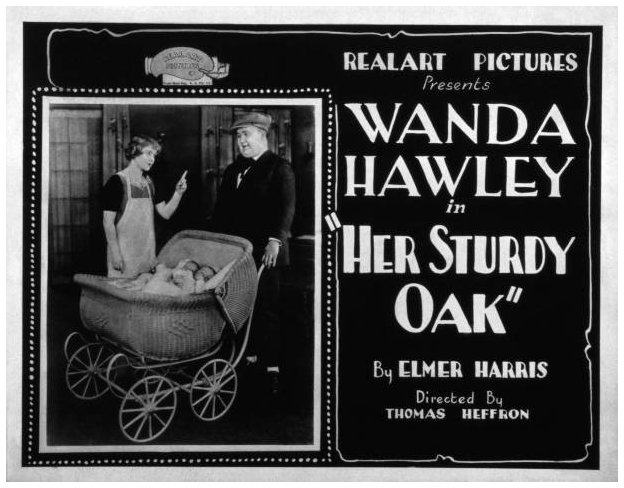
This thematic thread of devastating personal betrayal and the shattering of an idealized personal world resonates with the stark realities often explored in films like Garden of Lies, where hidden identities and long-held secrets unravel, leaving protagonists to grapple with a completely altered understanding of their loved ones and their own past. While Le voile du bonheur focuses on visual revelation, the emotional devastation is profoundly similar, forcing characters to confront the stark chasm between their perception and an ugly truth.
Perhaps the most poignant and truly heartbreaking element of the entire film is the behavior of the poet’s young son, played by Chen Pao-Tan. In a chilling, almost primal response to his father’s newfound sight and subsequent despair, the boy begins to mimic blindness. This is not a malicious act, but an innocent, yet profoundly disturbing, imitation. It speaks volumes about the impressionability of children, their capacity to absorb and reflect the suffering they witness, even if they cannot fully comprehend its origins. This act of mimicry serves as a powerful symbol: the cycle of disillusionment, the inherited burden of a shattered worldview, or perhaps, a child's desperate attempt to reconnect with a father who has suddenly become distant and tormented.
This element elevates Le voile du bonheur beyond a simple morality tale of betrayal. It delves into the intergenerational impact of suffering and the profound psychological toll that truth can exact. The child’s actions are a stark reminder that the consequences of adult deceptions and revelations ripple outwards, touching the most innocent among us. It’s a thematic resonance that, while distinct, can evoke the subtle ways societal pressures and adult conflicts can impact the young, as seen in the earnest yet often troubled portrayals of youth in films like Penrod and Sam, albeit with a far more tragic outcome here.
The cast of Le voile du bonheur delivers performances that are remarkably nuanced for the era. Shu Hou, as the poet, anchors the film with a portrayal that is both deeply empathetic and utterly heartbreaking. His journey from serene ignorance to profound despair is charted with an honesty that transcends the limitations of silent cinema. Susie Wata’s depiction of the wife is subtle yet effective, allowing the audience to infer her hidden motives even before they are explicitly revealed by the poet’s sight. Jean Bradin and Liao Szi-Yen, as the false friend and the prophet respectively, fulfill their roles with gravitas, contributing significantly to the film’s moral landscape.
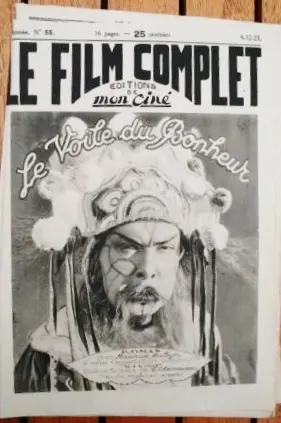
Georges Clemenceau’s direction, while perhaps lacking the kinetic energy of some of his contemporaries, is precise and purposeful. He employs the camera not just to record, but to reveal. The use of close-ups on the poet’s face, particularly after his sight is restored, is incredibly effective, allowing the audience to intimately witness his emotional torment. The framing often emphasizes isolation, even when characters are in proximity, subtly underscoring the spiritual chasm that opens between the poet and his deceitful companions. The visual language of the film, with its interplay of light and shadow, effectively mirrors the thematic shift from the 'darkness' of ignorance to the 'light' of a painful truth.
What makes Le voile du bonheur so enduringly powerful is its unwavering commitment to its central philosophical question: Is ignorance truly bliss, or is the harsh light of truth always preferable, no matter the cost? The film doesn't offer easy answers. It presents a protagonist whose life is utterly destroyed by the very 'cure' he sought. This unsettling conclusion challenges conventional narratives of redemption and enlightenment, suggesting that some forms of happiness, however illusory, are perhaps more benign than the brutal reality that replaces them.
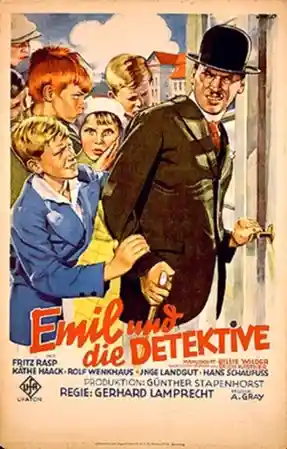
The film's exploration of societal hypocrisy and personal betrayal finds echoes in other cinematic works that dared to expose uncomfortable truths. One might draw a thematic parallel, for instance, to the unflinching social critiques found in films like Prostitution or Damaged Goods, which similarly sought to strip away the 'veil' of polite society to reveal its underlying moral decay. While the specific contexts differ, the shared impulse to confront unpleasant realities, rather than shy away from them, links these powerful early cinematic efforts.
Beyond its immediate narrative, Le voile du bonheur serves as a poignant reminder of the universal human tendency to construct comforting fictions, to see what we wish to see rather than what truly exists. The poet’s initial blindness is a metaphor for a broader human condition: our capacity for self-deception, our willingness to overlook flaws in those we love, and our innate desire for a world that conforms to our ideals. The film's ultimate tragedy lies not just in the specific betrayals, but in the shattering of this fundamental human need for benevolent illusion.
In an era of rapid technological advancement and societal upheaval, Le voile du bonheur provided audiences with a stark, introspective counterpoint. It asked them to consider the cost of knowledge, the pain of seeing clearly, and the profound, often irreversible, impact of truth. Its legacy is not built on spectacle or grand adventure, but on its quiet, devastating power to expose the raw nerve of human vulnerability and the enduring sorrow that can accompany enlightenment. It is a film that lingers long after the final frame, prompting contemplation on the nature of reality, happiness, and the often-unbearable weight of unvarnished perception.
IMDb 5.4
1916
Community
Log in to comment.