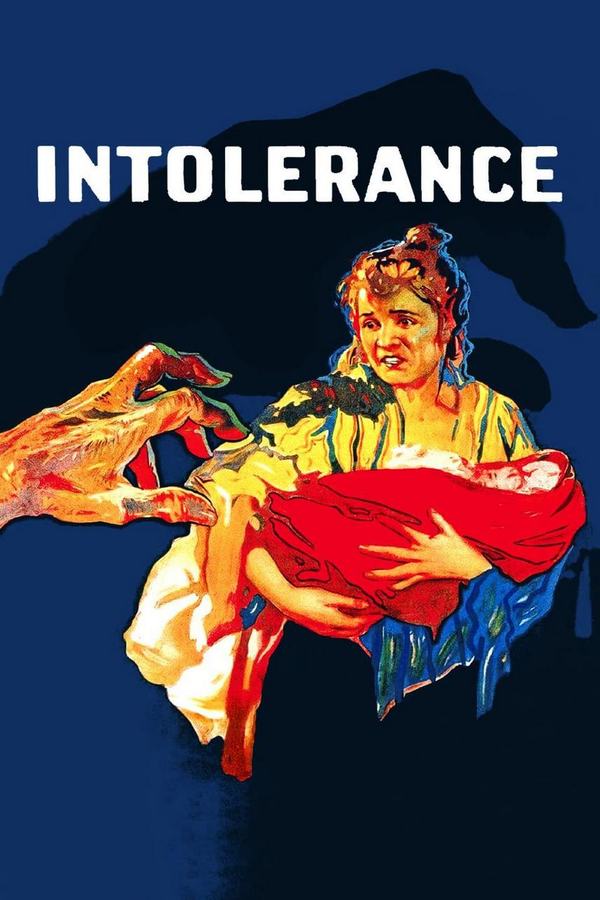
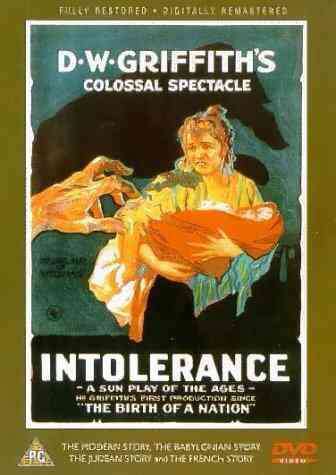
Four historical tales depict the ongoing human struggle against prejudice and inhumanity..
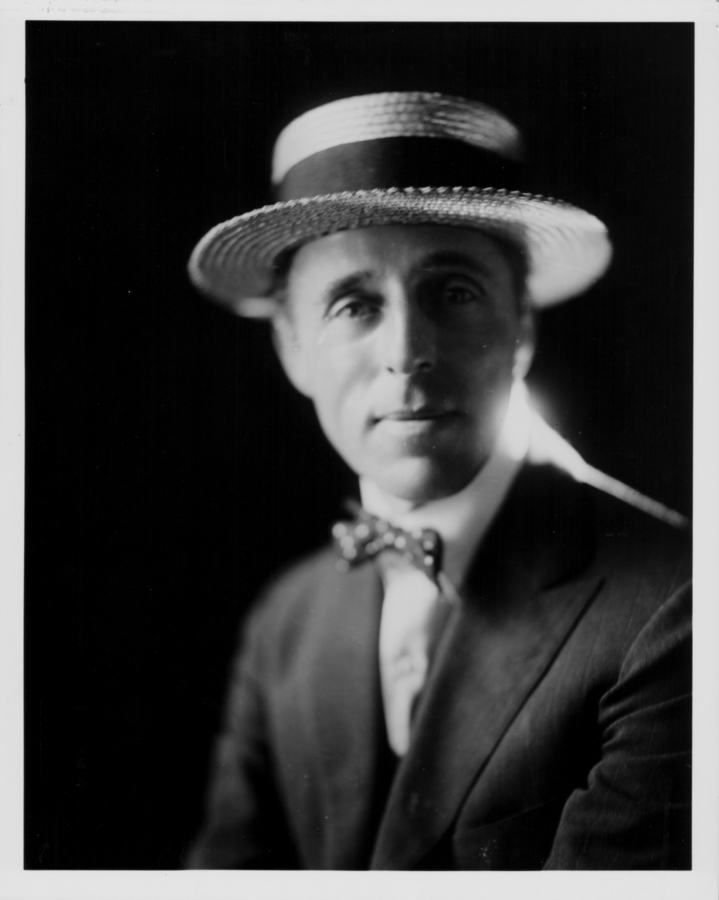
Frank E. Woods, D.W. Griffith, Walt Whitman, Tod Browning, Hettie Grey Baker, Mary H. O'Connor, Anita Loos
United States
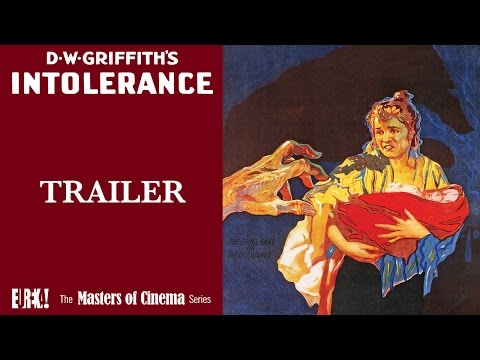
Intolerance does not merely unfold—it detonates. From the first iris-in on the cradle, Griffith’s leviathan project announces itself as a dare against temporality, a reckless wager that four disparate centuries can vibrate in harmonic fury. The film’s spine is an editorial jackhammer: 2,500 cuts ricochet across mille...

Comparing the cinematic DNA and archive impact of two defining moments in cult history.
D.W. Griffith
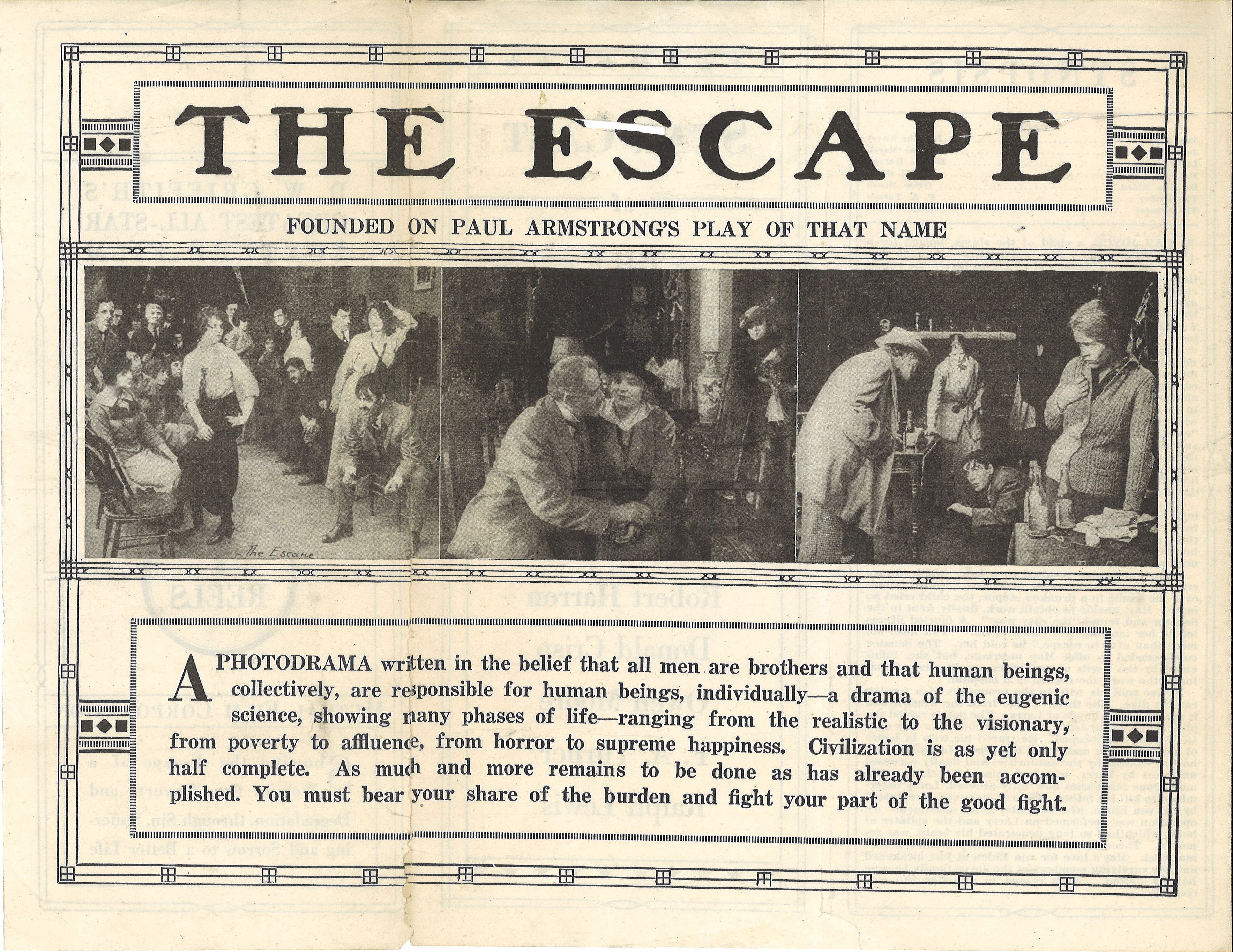
D.W. Griffith
Community
Log in to comment.
" Intolerance does not merely unfold—it detonates. From the first iris-in on the cradle, Griffith’s leviathan project announces itself as a dare against temporality, a reckless wager that four disparate centuries can vibrate in harmonic fury. The film’s spine is an editorial jackhammer: 2,500 cuts ricochet across millennia, forging rhyme where history sees only rupture. Babylon’s sun-dried bricks glisten like nougat under Billy Bitzer’s handheld torches; a single dolly plunges through Belshazzar..."
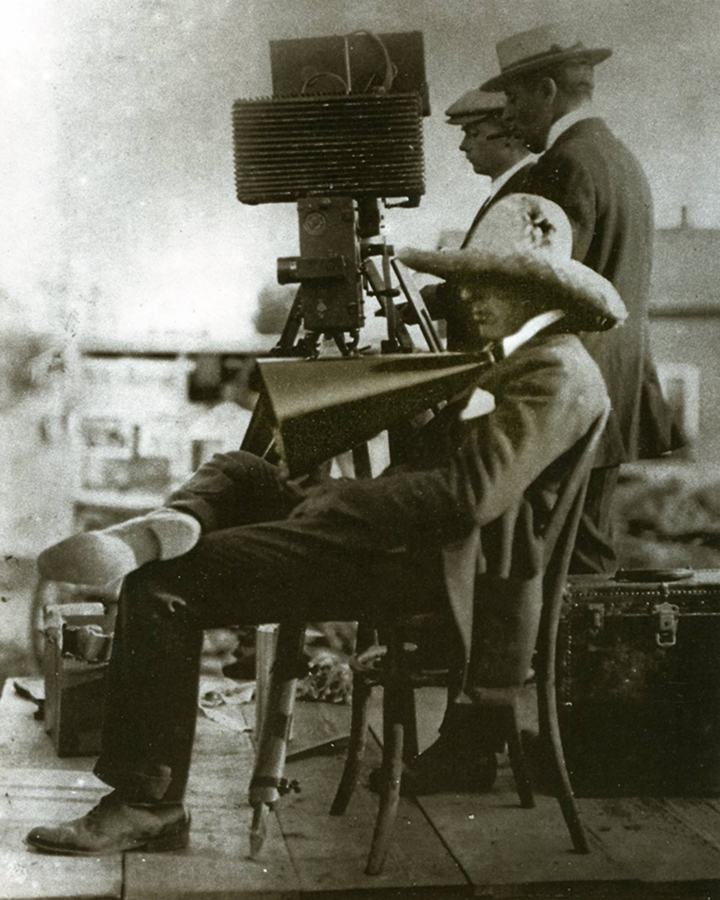
behind_the_scenes
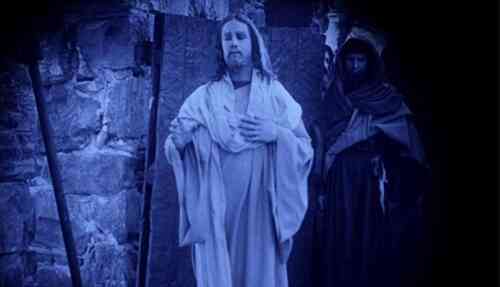
still_frame
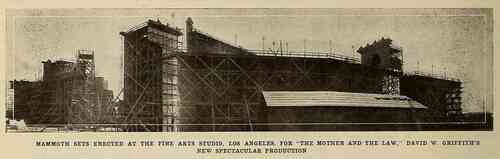
behind_the_scenes
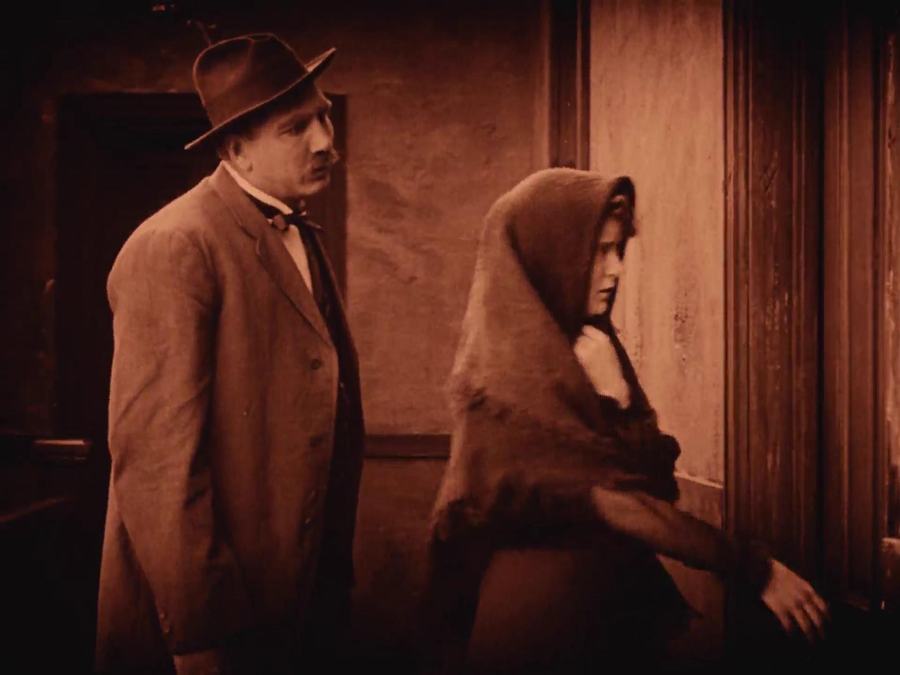
still_frame
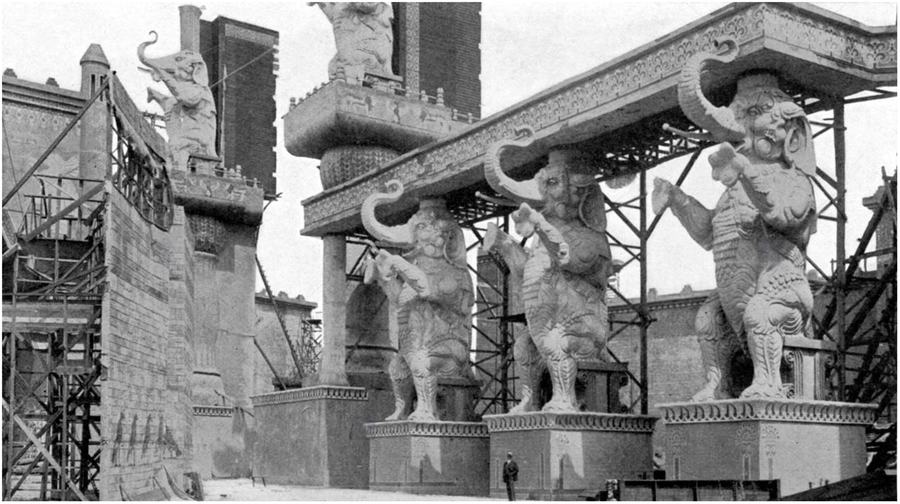
behind_the_scenes
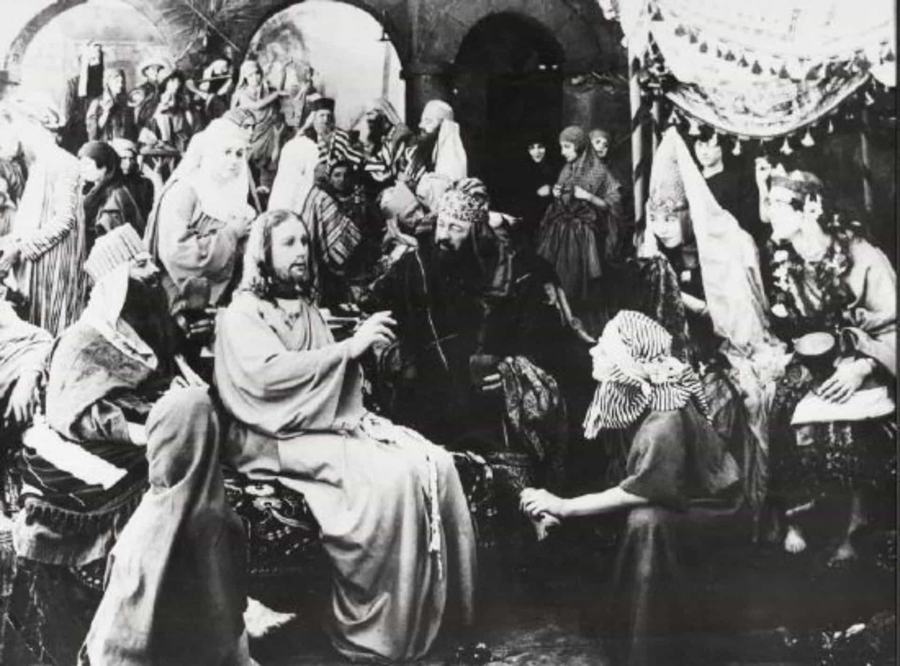
still_frame
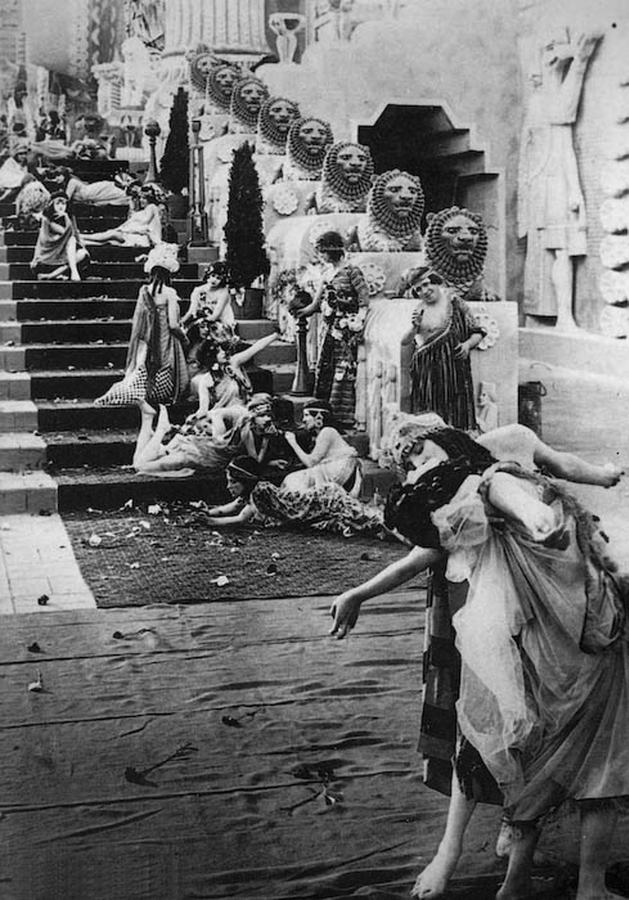
still_frame
product