DbcultAccessing Vault...
Cult Review
Senior Film Conservator
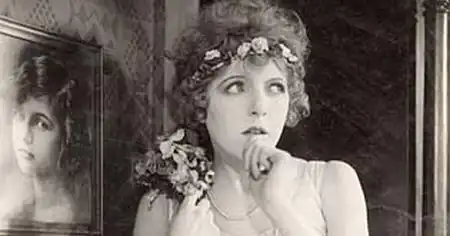
If you're into digging up old silent movies, Ledige Mütter (that's 'Unmarried Mothers' for us) might just surprise you. It's a heavy watch, sure, dealing with some tough stuff from its time, but it holds up in a really raw way. Anyone who appreciates early cinema's knack for big emotions without a single spoken word will get something out of it. If you need explosions and snappy dialogue to stay awake, best skip this one.
The film opens with this immediate sense of quiet dread, just from the way the light falls in the rooms. Like, the shadows feel *heavy* on everything, right from the first frame. You know something difficult is coming.
There's this one shot, very early on, of a woman — maybe Helga Thomas? — just sitting by a window. The light hits her face in such a way, it’s just pure weariness. You feel the weight of the world on her shoulders. 😔
The pacing, it’s slow, but not in a boring way. More like it's letting the discomfort just *sit* with you. That’s a brave choice for 1926, not rushing through the pain.
I remember a scene where she’s trying to get work, and the way the potential employers look at her... it’s not even anger. Just this flat, cold dismissal. Much more powerful than any yelling could have been, really.
One of the older women, Frida Richard, she plays a character who’s initially so stern, almost cruel. But there's this tiny flicker in her eyes, a single moment, that hints at something else. A flicker of past pain, maybe. Or just very good acting, hard to say for sure.
The intertitles here are interesting. They don't just state facts; sometimes they're almost like internal monologues, really leaning into the melodrama. But for a silent film, it totally works. It pulls you right in.
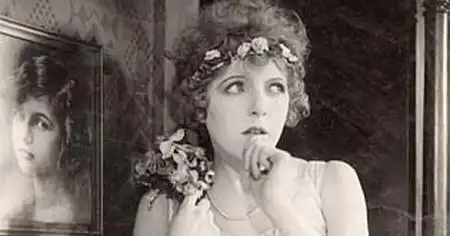
The child actors – there’s a small boy who just has this *stare*. It's not cute; it's unsettling, like he understands everything that’s going on around him. Made me wonder what his actual parents were like off-screen. 🤔
Silent films always make me wonder about the live music that would have accompanied them back then. Would it have been mournful, or perhaps found a hint of hope in certain spots? This one definitely needed a good, sensitive pianist, I think.
The film doesn't shy away from the harsh realities of the time. There's a sequence where the mother is clearly struggling for food. No fancy camera work, just her face and an empty table. **Brutal honesty** there, a tough scene to watch.
And then, the ending. It's not a neat bow, which I honestly appreciate. It leaves you with this feeling of, 'well, what now?' Not everything gets resolved perfectly, and that’s a very *real* feeling to leave an audience with.
There’s a scene with a crowd, and honestly, it looks like maybe five people were available for extras. But they use it so well, making each person’s reaction count. No wasted faces, even in a small group.
I liked how Walter Slezak, even in what felt like a smaller role, brought this sort of nervous energy to the screen. You could almost see him twitching in the background, making his presence felt.
The costume design is pretty understated for the most part, matching the film’s tone. But there's a dress worn by the protagonist towards the end that feels like it’s trying to convey a new beginning, even if her circumstances are still undeniably tough. A small detail, but it really stood out.
It’s not trying to be flashy, you know? No big stunts, no grand spectacle. Just human struggle, depicted plainly. And sometimes, that’s just *enough*.
IMDb 5.1
1926
Community
Log in to comment.