DbcultAccessing Vault...
Cult Review
Senior Film Conservator
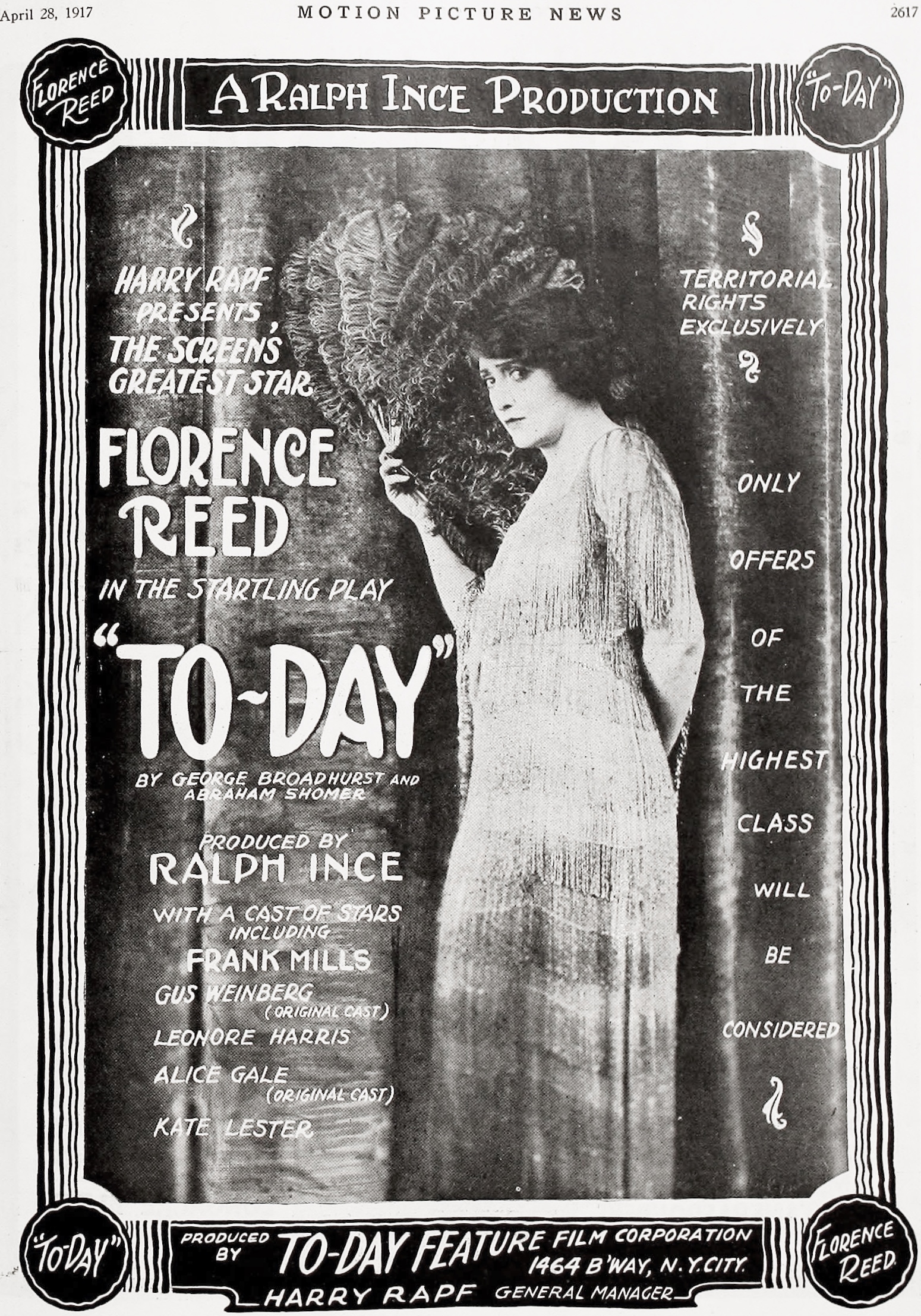
The cinematic landscape of the early 20th century was marked by a plethora of films that delved into the intricacies of the human experience, often using the backdrop of societal upheaval to explore profound themes and emotions. To-Day, a 1917 silent film directed by Ralph Ince, stands as a testament to this era's cinematic prowess, weaving a complex narrative that probes the depths of desire, morality, and redemption. As the film navigates the tumultuous life of Lily Morton, played by the inimitable Leonore Harris, it lays bare the consequences of superficiality and the redemptive power of love and forgiveness.
At the heart of To-Day is the poignant and often heart-wrenching story of Lily Morton, a woman whose life is turned upside down by the financial misfortunes of her husband, Fred. The abrupt transition from a life of luxury to one of modest means sparks a crisis of identity and purpose within Lily, leading her down a path that is both dangerous and alluring. Her decision to become involved with Mrs. Farington, a woman who offers her substantial financial compensation for her companionship, marks a turning point in the narrative, plunging Lily into a world of high-society intrigue and moral ambiguity.
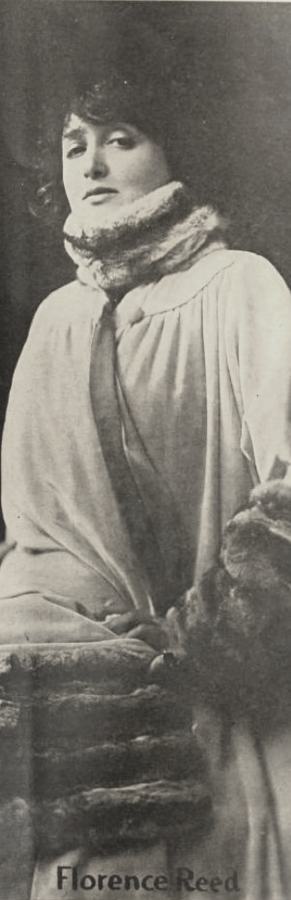
One of the most striking aspects of To-Day is its nuanced exploration of the societal constraints and expectations that govern the lives of its characters. Through Lily's journey, the film sheds light on the limited options available to women during this period, highlighting the economic and social vulnerabilities that could lead individuals into precarious situations. This commentary on the societal ills of the time is both astute and compassionate, eschewing judgment for a deeper understanding of the human condition.
The cinematography and direction in To-Day are noteworthy for their innovative use of lighting and composition to convey the emotional states of the characters. Ralph Ince's direction masterfully guides the audience through the complex emotional landscape of the film, employing a range of cinematic techniques to create a visually stunning and deeply affecting viewing experience. The performances, too, are of the highest caliber, with Leonore Harris delivering a tour-de-force portrayal of Lily Morton that captures the full gamut of her character's emotions and psychological depth.
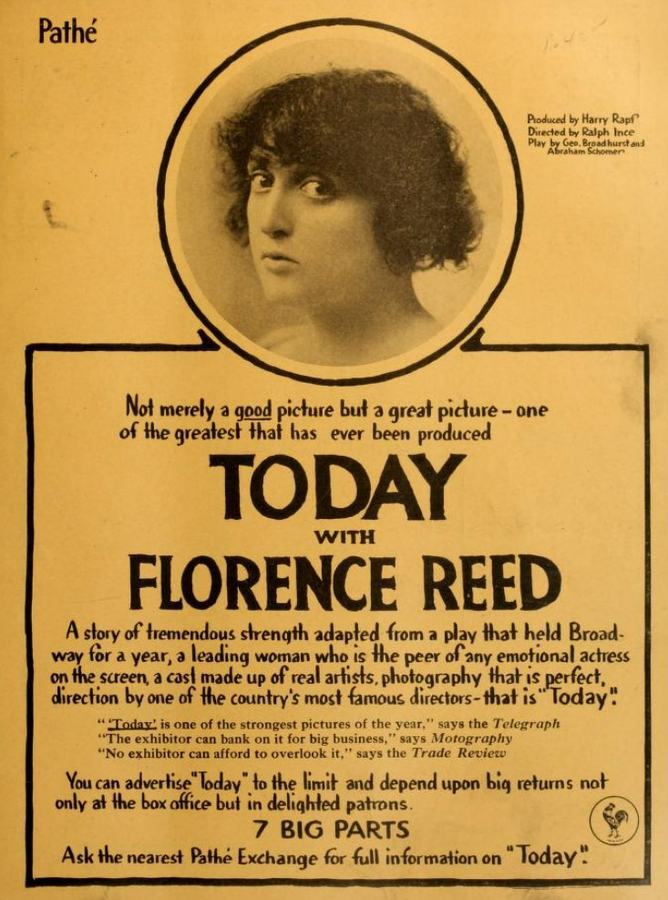
In comparing To-Day to other films of the era, such as Fekete gyémántok and Joan the Woman, it becomes clear that To-Day occupies a unique place within the cinematic canon of the early 20th century. Its blend of psychological drama, social commentary, and poignant character study sets it apart from many of its contemporaries, making it a compelling watch for audiences interested in the history of cinema and the evolution of storytelling on screen.
The climax of To-Day, in which Lily's husband confronts her about her clandestine activities, only to have the scene revealed as a nightmare, serves as a powerful metaphor for the inner turmoil and conflict that defines Lily's journey. This dramatic twist not only underscores the film's thematic concerns with desire, guilt, and redemption but also showcases the filmmakers' ability to craft compelling narrative arcs that keep viewers engaged and emotionally invested in the story.
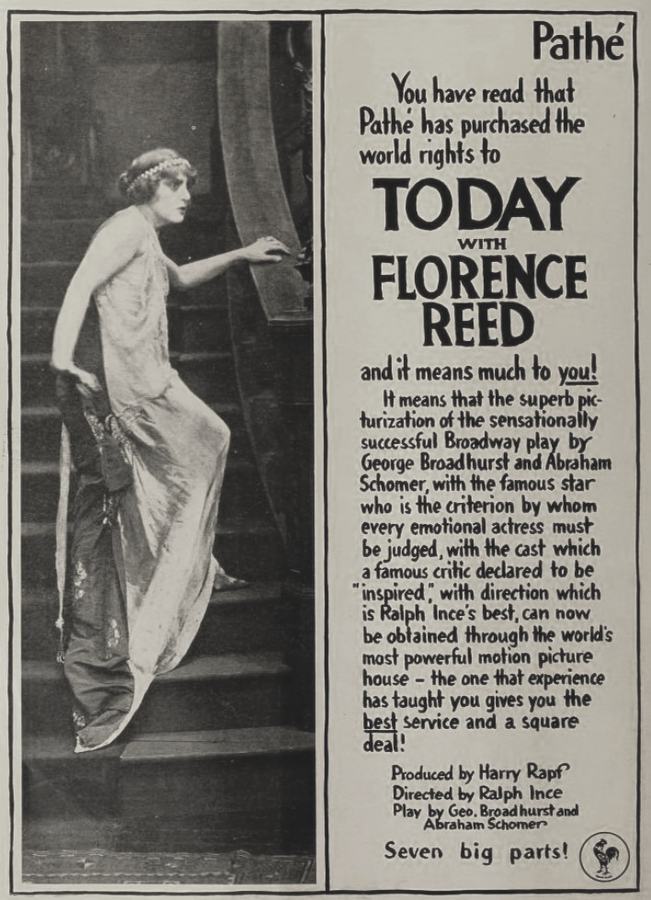
Ultimately, To-Day emerges as a film of remarkable depth and complexity, offering insights into the human experience that remain relevant today. Its exploration of the tensions between personal desire and societal expectation, coupled with its nuanced portrayal of the female experience during a period of significant social change, makes it a work of enduring importance and beauty. For those interested in the silent film era and the development of cinematic storytelling, To-Day is a must-see, a film that continues to captivate audiences with its haunting portrayal of the human condition.
In the context of other films from the same period, such as The Adventures of Kitty Cobb and The House of Mystery, To-Day stands out for its thoughtful and multifaceted examination of themes that were both timely and timeless. The film's ability to balance elements of drama, social commentary, and personal narrative makes it a compelling and thought-provoking watch, one that invites viewers to reflect on the ways in which societal norms and personal aspirations intersect and influence one another.
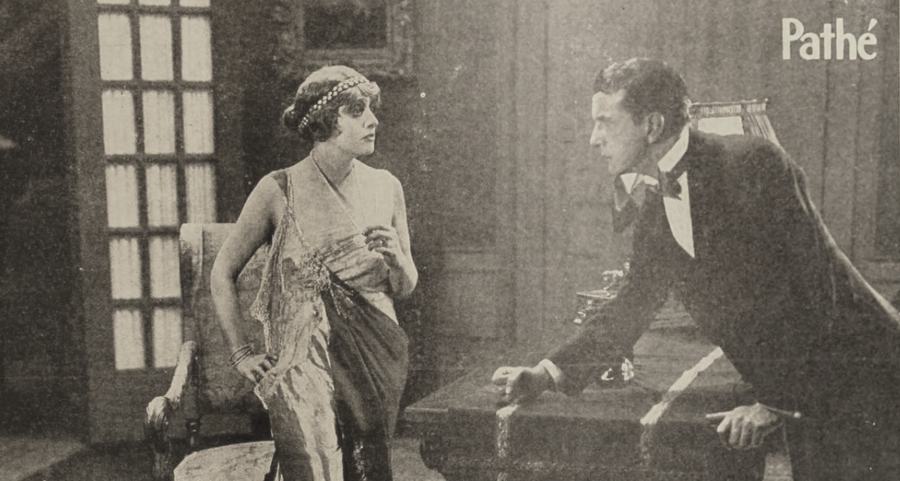
The performances in To-Day are complemented by the film's technical achievements, including its cinematography and editing, which work in tandem to create a visually striking and emotionally resonant film. The use of lighting, in particular, is noteworthy, as it serves to underscore the mood and atmosphere of each scene, drawing the viewer deeper into the world of the film. This attention to detail and commitment to cinematic craftsmanship are testaments to the skill and dedication of the filmmakers, who have created a work that is both a product of its time and a film of lasting beauty and significance.
For viewers seeking to explore the rich cinematic heritage of the early 20th century, To-Day is an indispensable film, one that offers a unique window into the social, cultural, and artistic currents of the time. Its themes of love, redemption, and the human condition continue to resonate with audiences today, making it a film that transcends its historical context to speak to fundamental aspects of the human experience. Whether approached as a work of cinematic art, a historical document, or a powerful drama, To-Day is a film that will leave a lasting impression on all who have the opportunity to see it.
As with other notable films of the silent era, such as Help Wanted and The Vixen, To-Day benefits from a rich historical and cultural context that informs and enriches its narrative. The film's exploration of the social and economic realities of the time, including the limited options available to women and the consequences of financial instability, provides a fascinating glimpse into the lives and experiences of individuals during this period. This historical dimension, combined with the film's enduring themes and cinematic achievements, makes To-Day a work of considerable interest and importance, one that rewards close viewing and reflection.
In conclusion, To-Day is a masterpiece of the silent film era, a work of profound beauty, depth, and emotional resonance. Its complex and deeply human characters, coupled with its thoughtful exploration of themes that remain timely and relevant today, make it a film that will continue to captivate and inspire audiences for generations to come. As a testament to the power and enduring appeal of cinema, To-Day stands as a must-see film, one that invites viewers to immerse themselves in its world and to reflect on the universal human experiences that it so eloquently portrays.
IMDb 5.6
1928
Community
Log in to comment.