DbcultAccessing Vault...
Cult Review
Senior Film Conservator
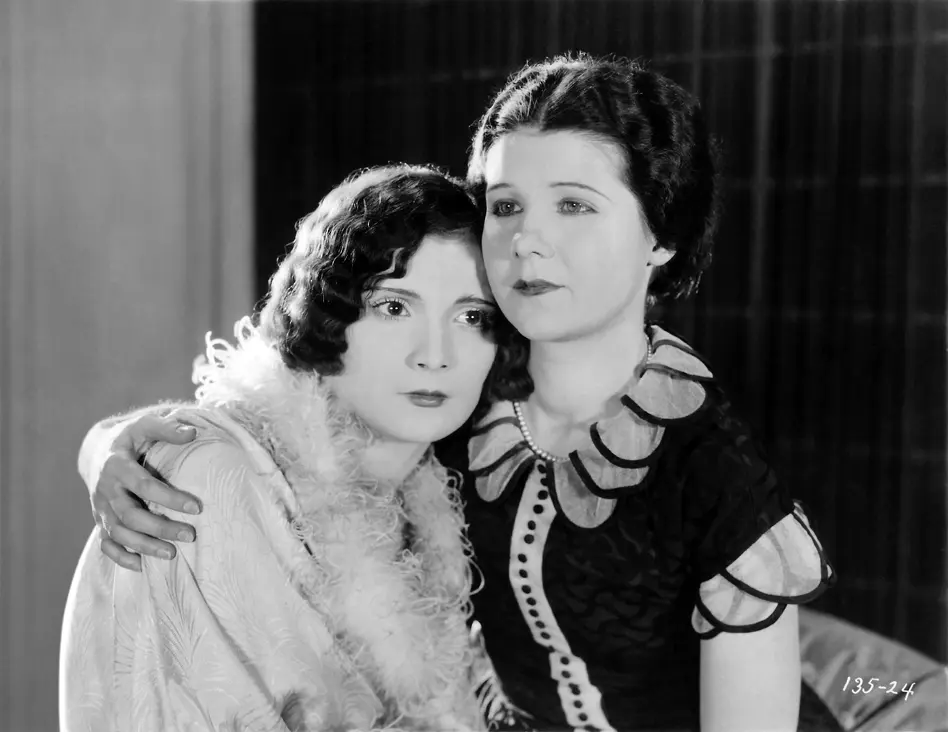
Does Lena Rivers (1925) stand the test of time, or is it merely a relic of a bygone cinematic era? The short answer is yes, but with significant caveats that demand a specific kind of viewer. This film is a fascinating, if uneven, experience tailor-made for silent film enthusiasts, melodrama aficionados, and those keen on exploring the early foundations of narrative cinema. It is decidedly not for viewers seeking modern pacing, nuanced character development, or a casual, undemanding watch, nor for those who struggle with the often exaggerated emotional language of the 1920s.
For a century-old silent film, Lena Rivers presents a curious case study in cinematic endurance. It works. But it’s flawed. The film’s power lies less in its groundbreaking artistry and more in its earnest embrace of pure, unadulterated melodrama, a genre that, when done right, can still resonate. It’s a window into a particular sensibility, a specific kind of storytelling that has largely vanished from mainstream cinema.
This film works because of its sheer melodramatic ambition and the committed central performance that anchors its increasingly convoluted plot. It’s a prime example of silent cinema’s ability to convey complex emotional states without a single spoken word, relying instead on visual storytelling and the expressive power of its actors. The historical value alone, as a surviving piece of early American cinema, grants it a certain intrinsic worth, allowing us to trace the lineage of narrative tropes still prevalent today.
This film fails because its pacing often drags, particularly in its earlier acts, and some of the supporting performances border on the wooden, even by the standards of the era. The plot, while undeniably dramatic, leans into predictability, and the climactic revelation, intended to shock, feels strangely muted to a contemporary audience. It lacks the innovative visual flair or the profound emotional depth that elevate other silent classics.
You should watch it if you appreciate the unique artistry of silent cinema, are a student of film history, or simply enjoy a good, old-fashioned melodrama with high stakes and higher emotions. It’s a commitment, certainly, but one that offers insights into the narrative conventions and societal anxieties of the Jazz Age. Avoid it if you prefer rapid-fire dialogue, subtle character arcs, or films that don't require an active engagement with historical context.
At its core, Lena Rivers is a deeply sentimental journey following its titular character, an unhappy woman whose life seems perpetually shrouded in misfortune. Her unhappiness is not merely a mood but a pervasive state, a quiet desperation that permeates her existence before the central romantic conflict even ignites. This initial characterization, while broad, sets the stage for a narrative that thrives on emotional extremes.
Lena finds herself drawn to a man whose social standing places him firmly in a world far removed from her own. This class disparity is a classic melodramatic trope, immediately establishing an inherent barrier to their burgeoning affection. The film, however, isn't content with just this obstacle. It layers on a twist that ratchets up the emotional stakes to an almost operatic degree: Lena discovers that her own father is the stepfather of her beloved. This revelation transforms a conventional forbidden romance into a labyrinthine entanglement of quasi-incestuous longing and societal taboo, promising utter devastation for all involved.
The plot, derived from Mary J. Holmes' popular novel, is dense with the kind of sensationalism that captivated audiences of the era. Dana Rush's adaptation for the screen manages to retain much of this intricate, almost suffocating, web of relationships. It’s a narrative that demands suspension of disbelief, certainly, but rewards it with a potent emotional payoff, albeit one delivered through the often-stylized lens of silent film acting.
The film leans heavily into the inherent drama of its premise, exploring themes of social aspiration, familial duty, and the crushing weight of secrets. Lena's journey is less about agency and more about reaction, a common characteristic of heroines in melodramas of this period. She is a figure to be pitied and rooted for, a passive recipient of fate's cruel hand, making her eventual, hard-won happiness all the more impactful.
Frank Sheridan's direction of Lena Rivers is competent, if not particularly groundbreaking. He understands the mechanics of silent melodrama, employing established visual cues and framing techniques to tell the story. There are moments of effective visual storytelling, such as the stark contrast between Lena’s humble surroundings and the opulent world of her love interest, conveyed through careful set design and costuming.
However, the pacing can be a significant hurdle for modern viewers. The film takes its time establishing Lena's initial unhappiness and the slow burn of her forbidden affection. While this deliberate pace allows for character development, it often feels protracted, particularly in the first half. Sequences that might be condensed into minutes today stretch into leisurely, almost languid, passages. For instance, the initial scenes depicting Lena's domestic strife could have been tightened considerably without losing their emotional impact, a common issue in early feature films that were still finding their rhythm.
Compared to more dynamic silent films like The Four Horsemen of the Apocalypse, which balances its epic scope with compelling character work, or even the character-driven intensity of Assunta Spina, Lena Rivers sometimes feels hesitant. Sheridan relies heavily on the intertitles to convey crucial plot points and emotional beats, rather than fully integrating them into the visual narrative. This isn't a flaw in itself for silent film, but it does mean the visual storytelling doesn't always achieve the seamless flow one might hope for.
Despite these pacing issues, Sheridan demonstrates an understanding of how to build to a dramatic climax. The reveal of the familial connection, while perhaps not shocking to a contemporary audience well-versed in plot twists, is handled with a certain gravity. The close-ups on the characters' faces during this moment are effective, even if the overall impact is softened by the film's earlier, slower build-up. It's a directorial effort that prioritizes clarity and emotional sincerity over innovation, which, for a film of its type, is often exactly what's needed.
The success of any silent melodrama hinges almost entirely on the lead performances, and Gladys Hulette as Lena Rivers carries the emotional weight of the film with considerable skill. Her portrayal of Lena is marked by a pervasive melancholy, her eyes often conveying a deep-seated sadness that predates any specific tragedy. She masters the silent film actor's lexicon of gestures and expressions – the hand pressed to the heart, the wide-eyed gaze of despair, the subtle trembling of the lips – imbuing these conventions with genuine feeling.
In moments of quiet contemplation or profound sadness, such as her reaction to the initial romantic overtures or her silent agony upon discovering the truth about her father, Hulette truly shines. She avoids falling into pure caricature, even when the script demands heightened emotionality. Her performance is the emotional anchor, consistently pulling the viewer into Lena's plight, even when the surrounding narrative might falter. Her ability to convey nuanced internal conflict, often through a single, lingering close-up, is a testament to her craft.
Johnnie Walker, as the object of Lena's forbidden affection, provides a solid, if less captivating, counterpoint. He embodies the 'man above her station' with a certain aristocratic charm and earnestness. While his performance doesn't possess the same raw emotional vulnerability as Hulette's, he convincingly portrays a man caught between societal expectations and genuine affection. His scenes with Hulette are charged with an undeniable, if understated, chemistry, making their impossible romance feel palpable.
The supporting cast delivers mixed results. Frank Sheridan, also the director, takes on a role that showcases his dramatic presence, adding gravitas to key familial scenes. However, some of the more minor characters, particularly those intended to provide comic relief or purely villainous turns, lean heavily into broad stereotypes. Their exaggerated expressions and gestures, while typical for the era, can sometimes pull a modern viewer out of the film's otherwise earnest emotional landscape. For instance, certain figures intended to represent the 'snobbish' elite are almost comically disdainful, lacking any real depth.
The cinematography in Lena Rivers, while not revolutionary, effectively serves the melodramatic tone. The use of lighting is often quite striking, particularly in interior scenes, where shadows and highlights are employed to emphasize mood. Dim lighting often accompanies Lena's moments of despair, while brighter, more open compositions reflect her fleeting moments of hope or the opulence of the world she longs to enter. This visual contrast, though a standard technique, is executed with a reliable hand.
Set design and costuming play a crucial role in establishing the film's social commentary. Lena's simple, often worn, dresses immediately set her apart from the lavish attire of the upper-class characters, visually reinforcing the class divide that forms a central conflict. The interiors of the grand estates are meticulously crafted to convey wealth and privilege, often feeling almost theatrical in their intricate detail. These visual cues are essential in a silent film for quickly communicating character status and environmental context.
The overall tone of Lena Rivers is unremittingly melodramatic. There are few moments of genuine levity or lightheartedness; the film maintains a serious, almost somber, emotional register throughout. This consistent tone ensures that the audience remains immersed in Lena's plight, constantly feeling the weight of her circumstances. However, this unwavering seriousness can also contribute to the film's perceived sluggishness, as there are fewer peaks and valleys in its emotional landscape.
The intertitles, while sometimes overly descriptive, are stylistically consistent and contribute to the period feel. Their ornate fonts and carefully chosen language reinforce the heightened reality of the narrative. One particularly effective use of intertitles comes during the reveal of the familial secret, where the starkness of the text amplifies the gravity of the information, momentarily pausing the visual narrative to deliver a narrative punch.
Is Lena Rivers (1925) a film that demands your attention in 2024? Yes, but with a significant caveat. It's not a casual watch. It requires patience and an appreciation for the unique aesthetics and narrative conventions of silent cinema. For those willing to engage on its own terms, it offers a rich, if sometimes challenging, experience.
This film is a fascinating historical document. It showcases the storytelling sensibilities of its era. The central performance by Gladys Hulette is compelling. It provides a window into early cinematic melodrama. Its flaws are also part of its historical charm. It is a commitment, but a rewarding one for cinephiles.
IMDb —
1921
Community
Log in to comment.