DbcultAccessing Vault...
Cult Review
Senior Film Conservator

L'enfant des halles

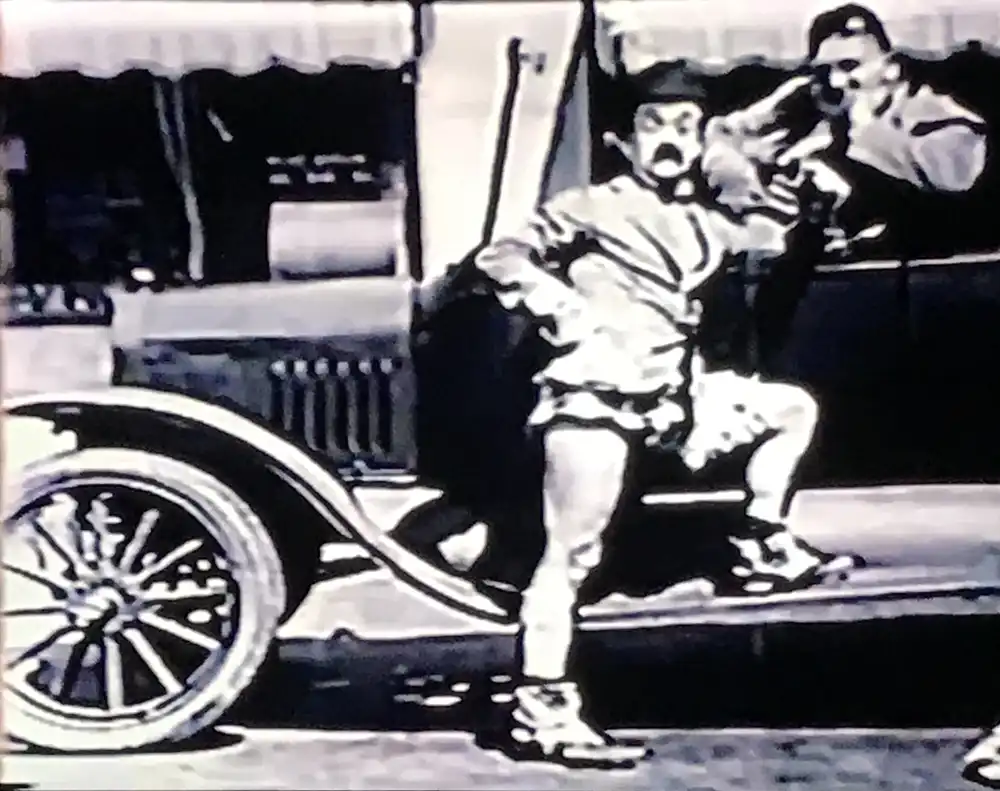
L'enfant des halles, a film that delves into the profound complexities of familial bonds and the enduring impact of nurture, opens with the harrowing scene of a ten-year-old boy, Lucien (played by Charles Camus), discovering a baby in the market. The baby's father has been killed, and the mother, consumed by madness, is nowhere to be found. Lucien, with a mix of innocence and a burgeoning sense of responsibility, takes the baby in, nursing it back to health and ensuring it is fed and cared for. This act of compassion sets the tone for the film, which unfolds as a poignant exploration of the boy's journey through adolescence and young adulthood.

As Lucien grows, he is entrusted by his parents to charitable market gardeners who take in children in need. These gardeners, who are not related to Lucien, raise him with a blend of kindness and firm discipline. The gardeners, played by Jean-Paul de Baere and Gabriel Signoret, become figures of stability and guidance in Lucien's life, instilling in him values of hard work and resilience. Lucien, though initially wary of this new family, gradually forms a bond with them, learning the value of a nurturing environment.
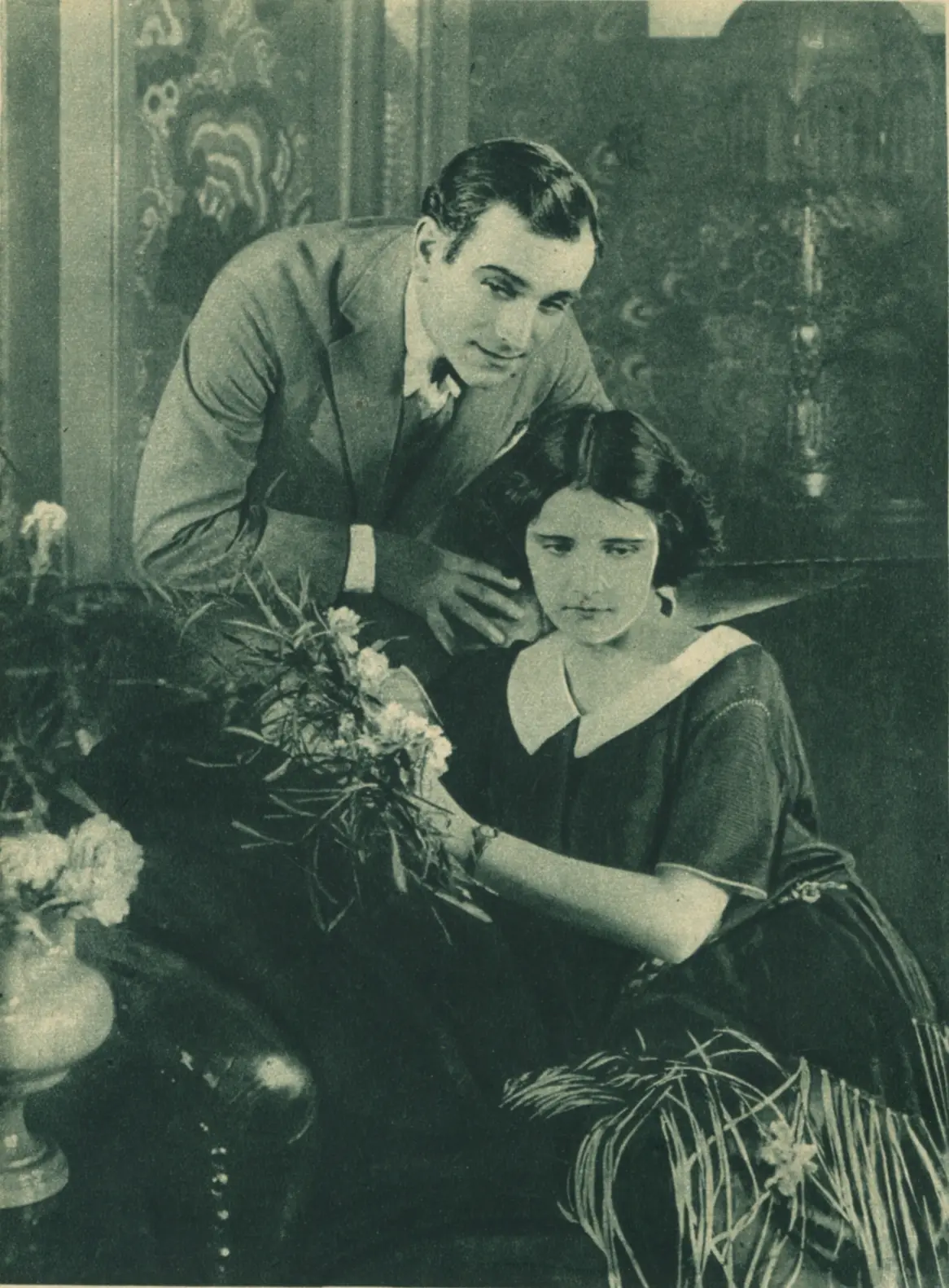
Fast forward fifteen years, and Lucien, now a young man, is compelled to visit the baby he once cared for. The film then transitions to a scene of stark contrast: Lucien finds himself in the presence of a young girl, awakening memories of his past and the complex emotions tied to that era. This meeting is not just a reunion but a poignant exploration of how nurture shapes individuals and the often unintended consequences of such care. Lucien's journey from a child forced into care to a young man seeking closure and understanding serves as a testament to the enduring impact of early life experiences.

L'enfant des halles is a moving drama that beautifully captures the essence of nurture and its long-lasting effects. The film's strength lies in its ability to humanize characters who, despite their circumstances, remain deeply empathetic and resilient. Charles Camus' portrayal of Lucien is particularly commendable, showcasing the boy's growth from a sheltered child to a young man grappling with his past. The supporting cast, including Jean-Paul de Baere and Gabriel Signoret as the gardeners, bring depth and authenticity to their roles, making the film a rich tapestry of emotion and character development.

The film's visual storytelling is equally impressive. The use of market scenes, with their vibrant colors and bustling energy, contrasts beautifully with the quieter, more introspective moments that reveal Lucien's inner world. This visual juxtaposition enhances the narrative, drawing the audience into Lucien's experiences and emotions. The cinematography, by André Léon, captures the essence of the market garden setting, from the verdant fields to the stark, urban landscapes, effectively conveying the passage of time and the changing circumstances of Lucien's life.
While L'enfant des halles stands on its own, it is worth noting its thematic similarities to other films that explore the complexities of family and nurture, such as 'The Victory of Virtue' and 'The Summer Girl.' These films share a common thread of exploring how early life experiences shape individuals and the lasting impact of nurture. 'The Victory of Virtue,' for instance, delves into the moral and ethical dilemmas faced by a young girl, providing a parallel to Lucien's journey in terms of the challenges of growing up in unconventional circumstances.
In conclusion, L'enfant des halles is a deeply affecting film that masterfully explores themes of nurture, abandonment, and the enduring impact of early life experiences. The performances, coupled with the evocative visual storytelling, create a poignant and emotionally resonant narrative. It is a film that not only entertains but also challenges viewers to reflect on the profound influence of nurturing environments on individual development.

IMDb —
1920
Community
Log in to comment.