DbcultAccessing Vault...
Cult Review
Senior Film Conservator
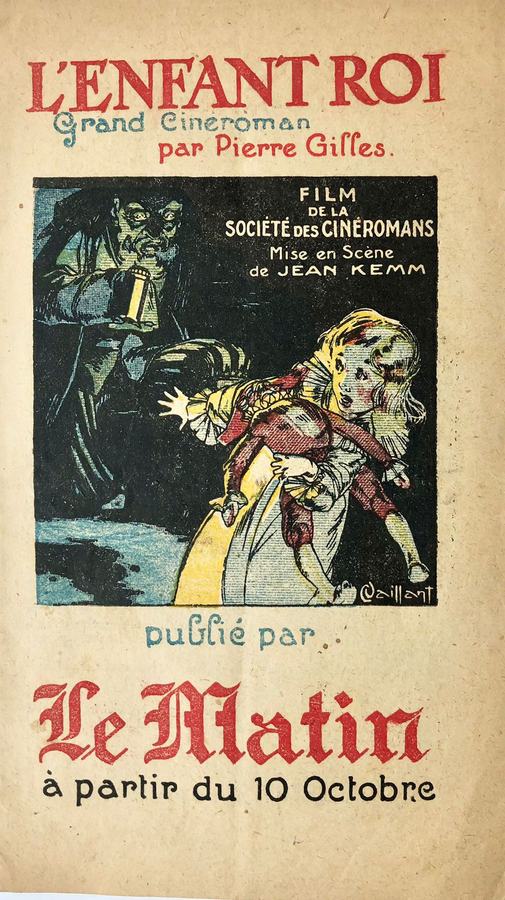
When the reels of L'enfant roi begin to spin, the viewer is thrust into a Versailles that glitters like a chandelier yet trembles with the faintest echo of impending doom. The film, an ambitious eight‑part odyssey, does not merely recount the life of a future king; it paints a portrait of a child whose innocence is repeatedly bruised by the relentless tide of history. Joë Hamman's performance as the young Dauphin is a masterclass in restrained pathos; his eyes convey a yearning for normalcy that the gilded cage of the palace refuses to grant.
The opening sequence is a study in visual composition. The camera glides past marble staircases, lingering on tapestries that depict mythic battles—an ironic prelude to the real conflict that looms. Here, the director employs a muted palette, allowing the occasional flash of golden sunlight to pierce the gloom, symbolizing the fleeting moments of joy in the Dauphin’s early years. The child’s interactions with his governess, played by Georgette Sorelle, are tender yet underscored by an undercurrent of melancholy; each lesson in etiquette feels like a step further away from the world beyond the palace walls.
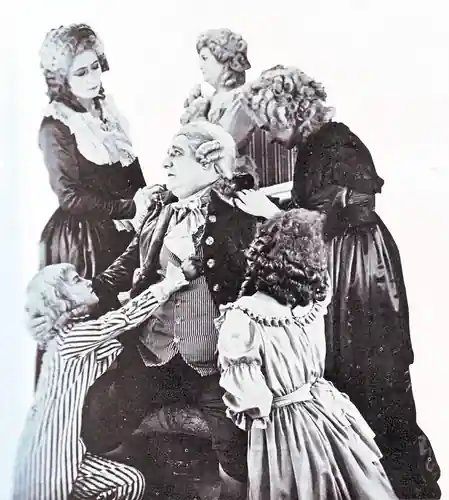
Lucien Bataille, cast as the austere tutor, delivers lines that oscillate between didactic rigor and subtle empathy. His dialogues are peppered with Enlightenment references—Voltaire, Rousseau—yet the film never allows the intellectual discourse to dominate the emotional core. Instead, these moments serve as narrative fulcrums, tipping the young prince toward an awareness of the philosophical currents that will later destabilize his reign. The juxtaposition of scholarly debate against the backdrop of a bustling courtyard, where street vendors hawk pamphlets demanding liberty, creates a visual tension that mirrors the historical paradox of a monarch educated in liberty while destined to suppress it.
Midway through the film, the tone shifts dramatically. The opulent ballrooms give way to dimly lit taverns where revolutionary rhetoric crackles like static. The director introduces a parallel storyline featuring a nameless agitator—an archetype reminiscent of the characters in My Partner—whose whispered conspiracies infiltrate the palace's periphery. This narrative device not only heightens suspense but also underscores the inevitability of societal upheaval. The film’s sound design, a subtle blend of courtly harpsichord and distant chants of “Liberté!”, amplifies the sense of an era caught between two worlds.
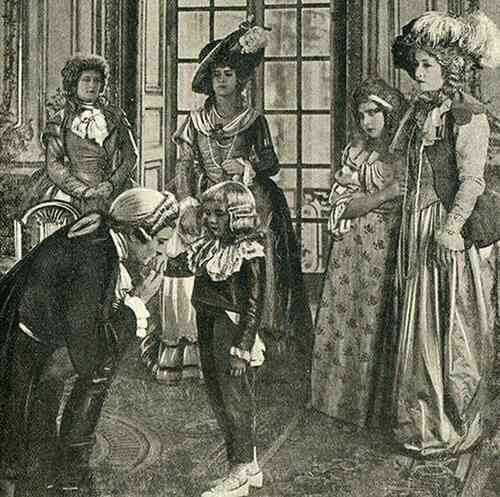
The ensemble cast weaves a rich tapestry of personalities that reflect the multifaceted nature of the French aristocracy. Andrée Lionel, portraying the queen, exudes a regal poise that is simultaneously fragile; her whispered lullabies to the Dauphin are tinged with an awareness of the fragility of her own position. Pierre de Canolle’s depiction of the king’s confidant offers a grounding counterpoint—his measured counsel often serves as the only voice of reason amidst the swirling chaos. Christian Argentin, as the stern minister, embodies the inflexibility that ultimately accelerates the monarchy’s downfall. Each actor, though occupying a limited screen time, contributes to a collective portrait that feels both authentic and dramatically resonant.
When placed alongside contemporaneous works such as Screen Follies No. 2 or the emotionally charged Love, L'enfant roi distinguishes itself through its unflinching commitment to historical fidelity. While Screen Follies indulges in satirical exaggeration, and Love dwells in melodramatic romance, L'enfant roi balances the grandeur of period drama with a stark, almost documentary-like attention to detail. The film’s pacing, deliberate and measured, mirrors the inexorable march toward revolution, a technique reminiscent of the narrative architecture found in Judgement.
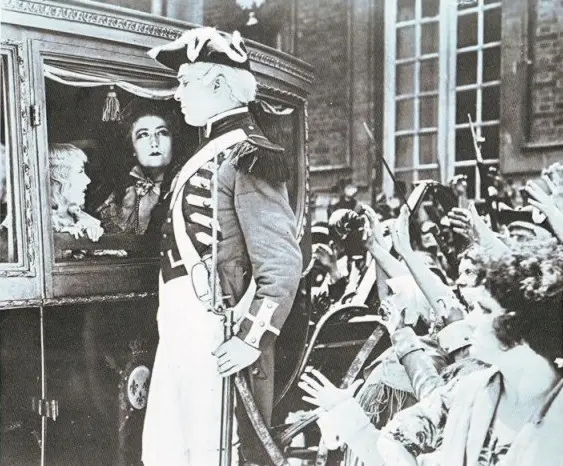
Cinematographer Henriette Kemm employs chiaroscuro lighting to evoke the duality of light and shadow that defines the era. In scenes set within the palace’s grand salons, soft, diffused illumination bathes the characters in a warm glow, emphasizing their privileged existence. Contrastingly, the revolutionary sequences are shot with harsh, angular light that casts deep shadows, symbolizing the darkness encroaching upon the monarchy. The use of the three signature hues—dark orange (#C2410C) for regal banners, yellow (#EAB308) for candlelit intimacy, and sea blue (#0E7490) for the river Seine’s reflective surface—creates a visual leitmotif that subtly guides the audience’s emotional journey.
Dividing the film into eight distinct parts is a structural decision that pays homage to the episodic nature of a monarch’s life. Each segment functions as a self‑contained tableau while contributing to the overarching narrative arc. The first three parts focus on childhood innocence, the middle two on intellectual awakening and political awareness, and the final three on the cataclysmic collapse. This segmentation mirrors the classical unities of time, place, and action, yet the director subverts them by allowing temporal jumps that highlight the rapid acceleration of historical events.
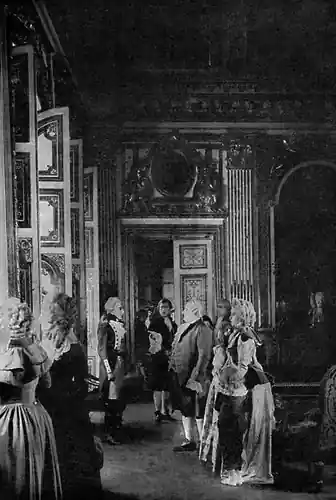
The film’s climax—Louis’s capture and execution—unfolds with a haunting solemnity. The guillotine, rendered in stark silhouette against a crimson sky, becomes a grotesque monument to the futility of power. Joë Hamman’s final moments are captured in a close‑up that lingers on his eyes, reflecting the flickering torchlight of the crowd, a visual echo of the opening scene’s chandelier. The director refrains from melodramatic excess; instead, the silence that follows the blade’s fall is deafening, allowing the audience to contemplate the weight of history’s inexorable march.
While the film remains largely faithful to documented events, it takes artistic liberties in dramatizing personal relationships. The intimate dialogues between the Dauphin and his mother, for instance, are extrapolated from limited historical records, yet they serve to humanize figures often reduced to caricatures. This blend of fact and fiction aligns with the approach taken in Embers, where emotional truth supersedes strict chronology.
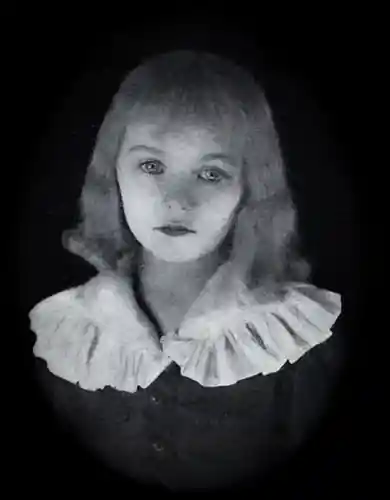
Decades after its release, L'enfant roi endures as a poignant reminder of the perils of unchecked authority and the fragility of youth amidst political turbulence. Its thematic resonance finds parallels in modern narratives that explore the loss of innocence in times of crisis. Moreover, the film’s meticulous craftsmanship offers a template for contemporary filmmakers seeking to balance epic scope with intimate character study.
In sum, L'enfant roi stands as a towering achievement of early cinema, marrying historical gravitas with lyrical storytelling. Its ensemble performances, visual palette, and structural ingenuity coalesce into a work that is both educational and emotionally resonant. For aficionados of period drama, political intrigue, or simply masterful filmmaking, this eight‑part saga warrants repeated viewings and scholarly discussion. The film not only chronicles the tragic arc of a boy‑king but also invites reflection on the cyclical nature of power, rebellion, and the inexorable passage of time.
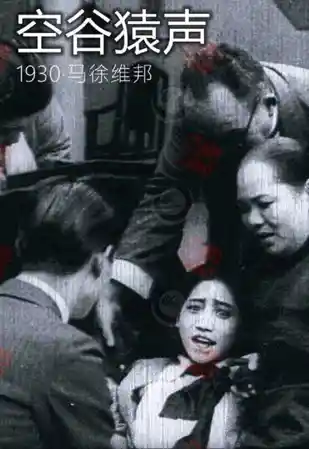
IMDb 4.2
1930
Community
Log in to comment.