DbcultAccessing Vault...
1.6/10
Senior Film Conservator
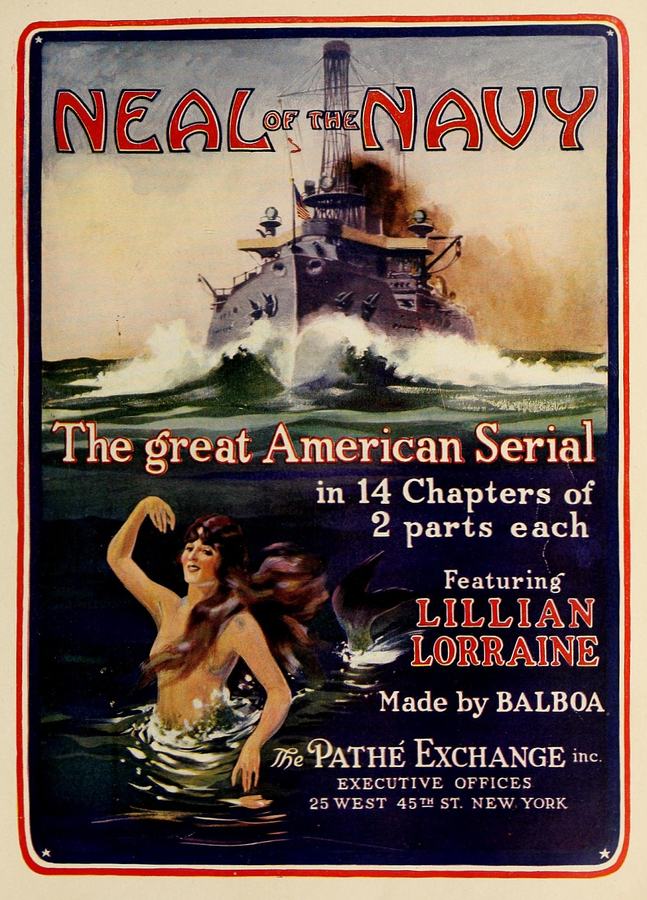
A definitive 1.6/10 rating for a film that redefined the boundaries of cult cinema. Neal of the Navy remains a cornerstone of transgressive art.
A 1915 mutiny of genre DNA—naval academy hazing, picaresque treasure hunt, and dime-novel masochism—Neal of the Navy arrives like a crate of nitrate washed ashore, hissing with contradictions. Its reels smell of saltpeter and mothballs, yet the emulsion still spurts arterial vermilion when daggers kiss throats.
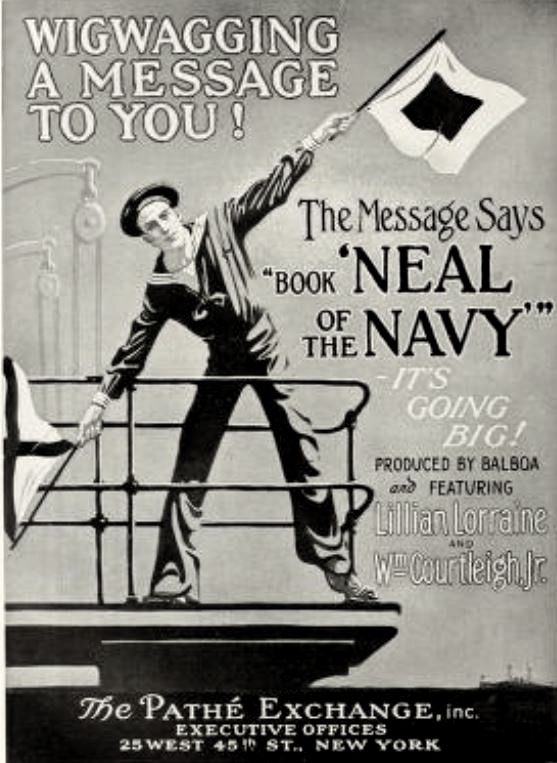
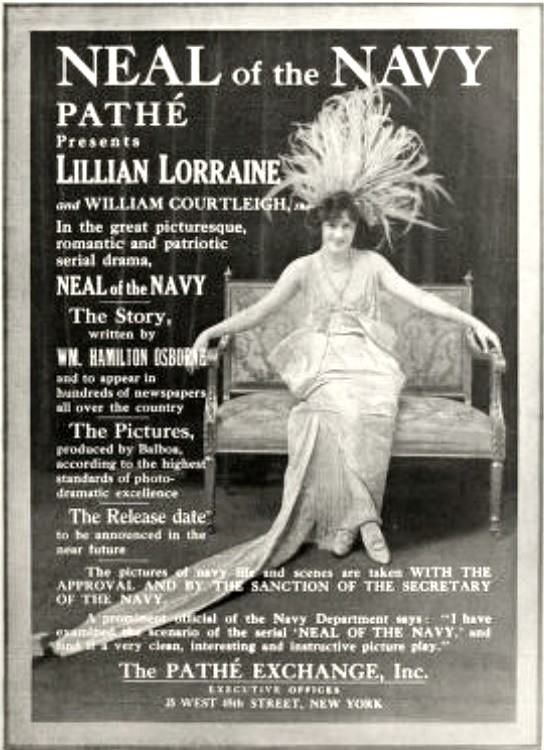
William Courtleigh Jr., heir to a Broadway dynasty, plays Neal Ames with the matinee stiffness of a man raised on marble busts; watch how he softens—minute gradations—in Rosalie’s moonlit presence. Helen Lackaye’s Rosalie, meanwhile, pirouettes between damsel and mastermind: she deciphers ciphered cartography while corseted into a gown so restrictive it could serve as a naval buoy. Their chemistry is less embrace than fencing bout, all parries and glances sharp enough to slice hardtack.
Director Douglas Bronston, moonlighting from his day job as scenario hack, transforms a Long Island sandpit into the Spanish Main via nothing but klieg lights and oatmeal storms. Note the sequence where Neal, lashed to a makeshift raft, drifts through a studio tank dotted with floating miniatures; the water’s surface is daubed with silver iodide to reflect starbursts that never existed off-set. It’s a sleight-of-hand so guileless it becomes hallucinatory.
Obscure fact: the hurricane-cost finale ate 40% of the budget, forcing Bronston to recycle footage from Lucille Love: The Girl of Mystery for insert shots of collapsing masts. Sharp-eyed buffs will spot the same splintered spar that impales a German spy in that 1914 serial.
William Hamilton Osborne’s title cards read like Ezra Pound on a rum bender: "Honor—thy mirage glimmers ‘tween port and starboard!" or "Gold is the ghost that out-haunts every sailor’s soul." They arrive peppered with exclamation marks the way barnacles cling to hulls—gratuitous, calcified, weirdly vital. Contemporary critics sneered at the purple; today those flashes feel like Instagram captions avant la lettre.
Philo McCullough’s villain—Lieutenant Spaulding, he of the waxed Satanic goatee—overacts so thunderously he threatens to burst the aperture plate. Yet peer closer: in the final reel, when his schemes unravel, his left eyebrow twitches a Morse of panic. It’s an embryonic Method moment, smuggled into a picture otherwise drunk on semaphore gestures.
Compare him to Richard Johnson’s sadistic midshipman in The Education of Mr. Pipp, where cruelty is served cold; McCullough opts for camp soufflé—equally delectable, twice as indigestible.
What surprises 21st-century viewers is the film’s sexual fluidity. Rosalie’s sidekick, Lola (Lucy Blake), appears in tailored midshipman’s drag to infiltrate the brig; the camera lingers on her calves with voyeuristic glee that would make even Princess Romanoff blush. A title card winks: "She traded petticoats for freedom’s trousers—and wasn’t that the greater treasure?" Censors in Boston sliced the scene; the Library of Congress print restores it, sepulchral yet shimmering.
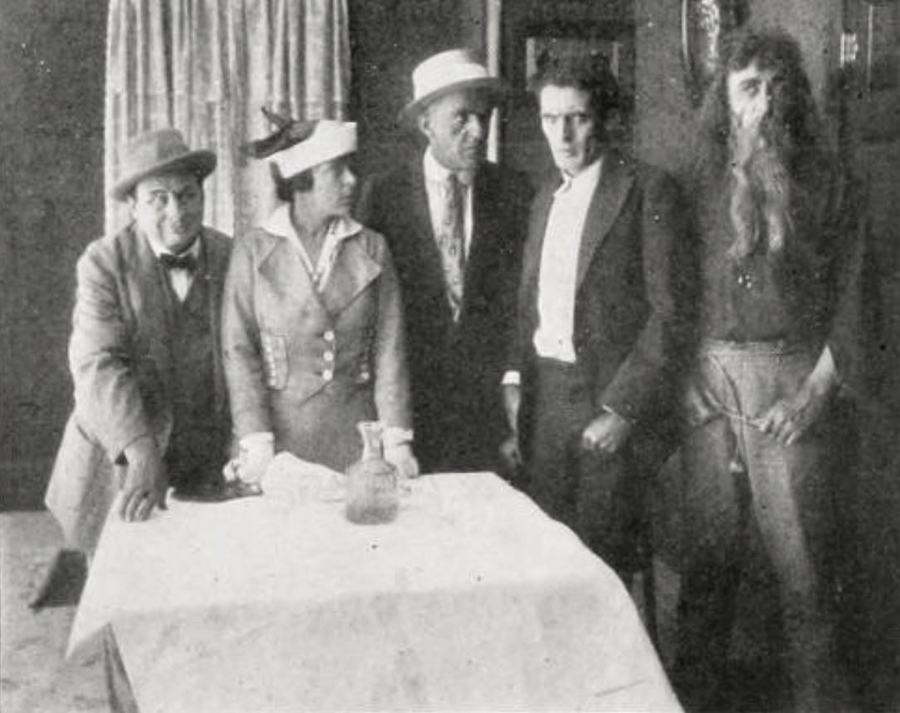
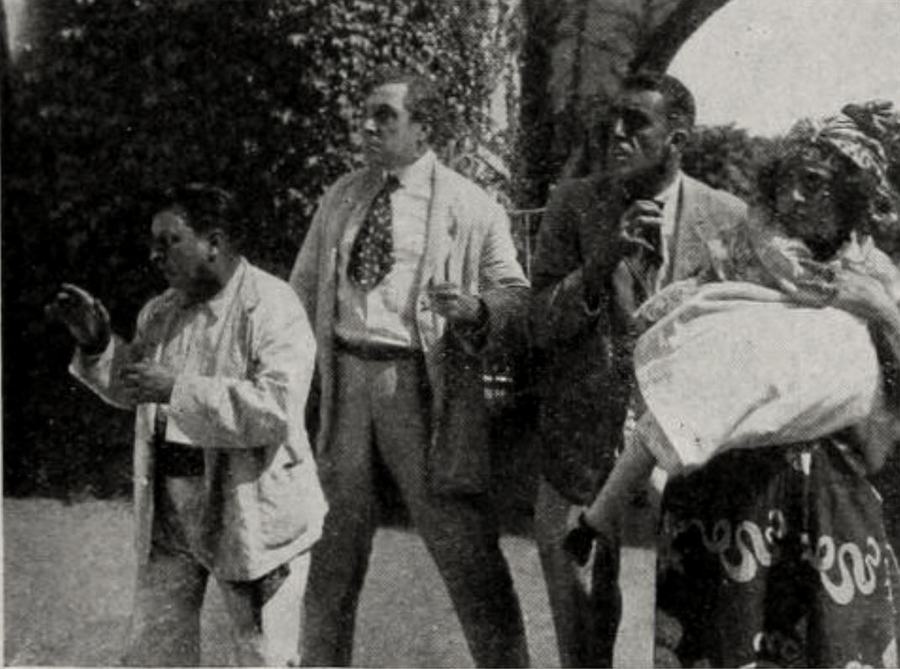
Lost Island’s "natives" are obviously Bronx extras in burnt-cork, chanting gibberish cribbed from a Filipino vaudeville act. The stereotype is odious, yet the film cannily undercuts imperial fantasy: the treasure, once unearthed, turns out to be iron pyrite—fool’s gold—an anti-colonial prank worthy of A Mexican Mine Fraud. The white plunderers leave empty-handed, their launch springing a leak as the island vanishes in fog. Recompense? Poetic, if inadvertent.
The 2023 4K restoration by EYE Filmmuseum sourced two incomplete prints—one from an Argentinean ranch attic, one from a Dutch nunnery—splicing them with chemical tape and digital witchcraft. The tints, once thought gaudy, reveal meticulous chromatic logic: amber for Annapolis nostalgia, cyan for open-sea dread, rose for Rosalie’s close-ups. A new score by Blixa Bargeld clones a calliope inside your skull; kettles boil, chains rattle, typewriters clang Morse code.
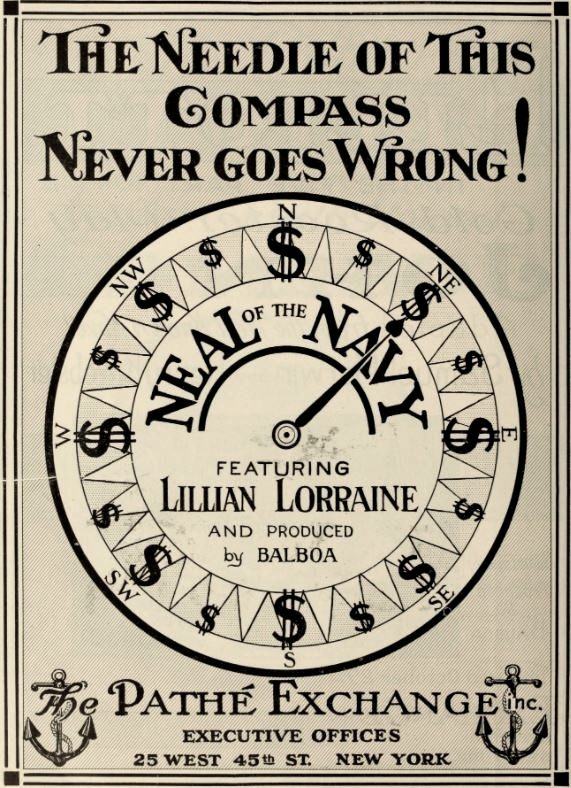
While Griffith was mapping the Ku Klux Klan’s mythic topography, Bronston gave audiences a populist hero who sabotles aristocracy itself. You can trace Neal’s DNA through Douglas Fairbanks’ Black Pirate and, leapfrogging decades, the anticlerical swagger of Jack Sparrow. Even Alone in New York cribs its finale—hero dangling from skyscraper flagpole—from Neal’s yardarm suspense.
Is Neal of the Navy "good" by polite canons? It creaks, it minstrelizes, it wallows in dime-novel coincidences. Yet its kinetic shamelessness, its belief that cinema can be both funfair and confession booth, renders it more alive than half the algorithmic content churned out this century. Watch it drunk on rum or sobriety—either way the nitrate will burn holes in your retina, and you’ll exit grinning like a sailor who’s glimpsed the mermaid’s tail and lived to brag.
Verdict: 8.5 doubloons out of 10—one deducted for racial caricature, half for narrative barnacles. Stream it, scream it, splice it into your TikTok sea-shanties; the treasure was the friends we gaslit along the way.
IMDb —
1921
Community
Log in to comment.