Summary
The chilling silence of the delivery room, rather than the joyous cry of new life, irrevocably cleaves the nascent marital bliss of Rhea and Martin Woodley. The physician's grim pronouncement—that Rhea must never again endure the perils of childbirth—becomes a silent, yet seismic, fault line within their union. This tragedy, ostensibly a shared sorrow, instead becomes the catalyst for an agonizing estrangement, particularly for Martin, whose primal, 'virile manhood' seeks an outlet denied by Rhea's delicate health and the emotional chasm that has opened between them. This void is swiftly, perhaps inevitably, filled by Maysie, Rhea’s young cousin, whose presence in their home introduces a dangerous element of proximity and temptation, leading to an affair that further erodes the already fragile foundation of the Woodley marriage. The quiet desperation of Rhea, caught in a state of semi-invalidism and emotional isolation, is palpable as her husband drifts further from her. The arrival of Rhea's former rejected lover, Welsey, injects a venomous twist into the unfolding drama. Discovering Martin’s infidelity, Welsey, driven by a petty, malicious vindictiveness, reveals the affair to Rhea. This act of cruel exposure, rather than shattering Rhea, ignites a spark of audacious defiance within her. She offers Martin his freedom, not as surrender, but as a test, a desperate attempt to force an admission, a confrontation with a truth he himself refuses to acknowledge. His refusal to accept this freedom, his denial of his true feelings for Maysie, highlights the complex psychological undercurrents at play. Rhea’s subsequent, audacious move—orchestrating a public rendezvous with Welsey at a roadhouse, leaving an anonymous note for Martin—is a stunning act of theatrical desperation, a last-ditch effort to shock her husband into acknowledging the reality of their fractured marriage and his own transgressions. The ensuing chase culminates in a scene charged with raw emotion and performative betrayal; Rhea’s feigned passion for Welsey, maintained until Martin’s departure, is a chilling display of her newfound resolve. Her subsequent turning on Welsey, her scorn and denunciation, strips away the pretense, revealing the depth of her anger and the calculated nature of her actions. The divorce that follows is an inevitable consequence, a formal dissolution of what had already been emotionally severed. Maysie, with a chaperon, assumes the role of mistress of the household, a seemingly triumphant, yet perhaps hollow, victory. Rhea, meanwhile, retreats to a sanitarium, a place of healing, but also of profound isolation. It is here that the narrative takes a profound, almost miraculous turn. The doctor, recognizing Rhea’s deep maternal yearning, hits upon an unconventional, yet inspired, solution: giving her a motherless baby to care for. This act of profound empathy and intuitive understanding becomes Rhea's salvation, a balm for her wounded spirit, and a reawakening of her dormant maternal instincts. Meanwhile, Martin, haunted by memories of happier days, finds himself drawn back to Rhea’s room. There, he discovers her diary, a poignant chronicle of her sacrifice, her suffering, and the depth of her enduring love. The revelation of her selfless acts, her deliberate orchestration of events to force a confrontation, strikes him with the force of an epiphany. Overcome by the injustice he has inflicted, and perhaps by the realization of the superficiality of his relationship with Maysie, he breaks with her. This emotional catharsis leads him back to Rhea, where he finds her transformed, not just by time, but by the profound connection with the baby. The child, once a symbol of his initial loss and the chasm it created, now becomes the bridge, the living embodiment of a renewed hope, destined to help fulfill his dream of home and happiness.
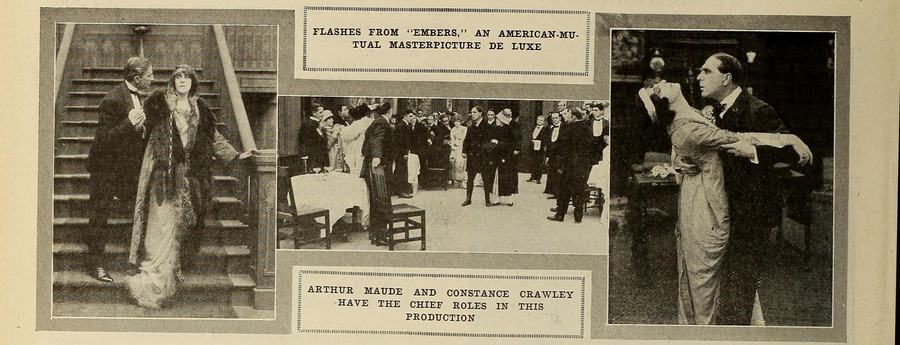
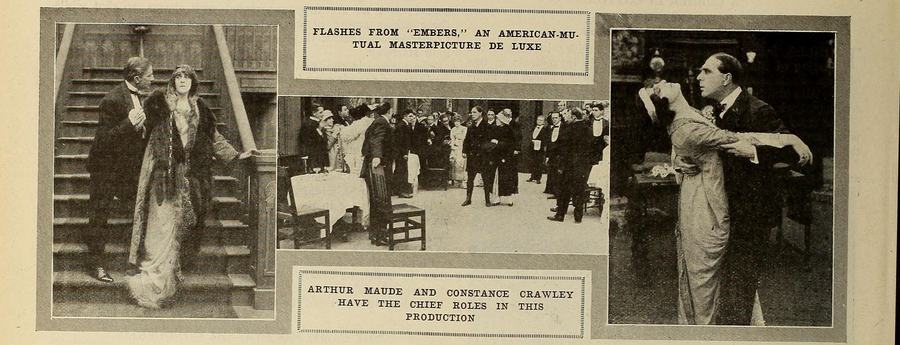
Rhea Woodley's child dies at birth, and the doctor tells Martin Woodley that his wife must never be subjected to such an experience again. This forms the basis of separation between them. Rhea is a semi-invalid, and Martin's virile manhood seeks the physical companionship he is denied and finds it in the person of Maysie, a young cousin of Rhea's, who comes to visit in their home. The breach between the husband and wife continues to widen. A former rejected lover of Rhea's discovers the situation and takes a malicious pleasure in exposing it to Rhea. Rhea offers her husband his freedom, but he will not admit his love for the other woman, even to himself and refuses to be released. As a last resort, Rhea permits the attentions of Welsey, and goes with him to a roadhouse, leaving an anonymous note advising her husband of their destination. Martin and Maysie follow Rhea and her lover and discover them together. Rhea pretends a passion for Welsey until her husband is gone, when she turns upon him in scorn and denunciation. Martin obtains a divorce and Maysie, with a chaperon, takes charge of the household. Rhea goes to a sanitarium, where the doctor, to save her life, hits upon the inspiration of giving her a motherless baby to care for. Martin, going to his wife's room, drawn by the memory of happier days, finds in her diary the record of her sacrifice and overcome by his injustice, breaks with Maysie and returns to find Rhea with the baby, which will have its part in helping to fulfill his dream of home and happiness.
Review Excerpt
"
The film Embers plunges viewers into the devastating aftermath of a stillbirth, not just for the parents, Rhea and Martin Woodley, but for the very fabric of their union. The physician's grim pronouncement—that Rhea must never again endure childbirth—becomes a silent, yet seismic, fault line within their marriage. This tragedy, ostensibly a shared sorrow, instead becomes the catalyst for an agonizing estrangement, particularly for Martin, whose "virile manhood," as the narrative starkly put..."