DbcultAccessing Vault...
5/10
Senior Film Conservator
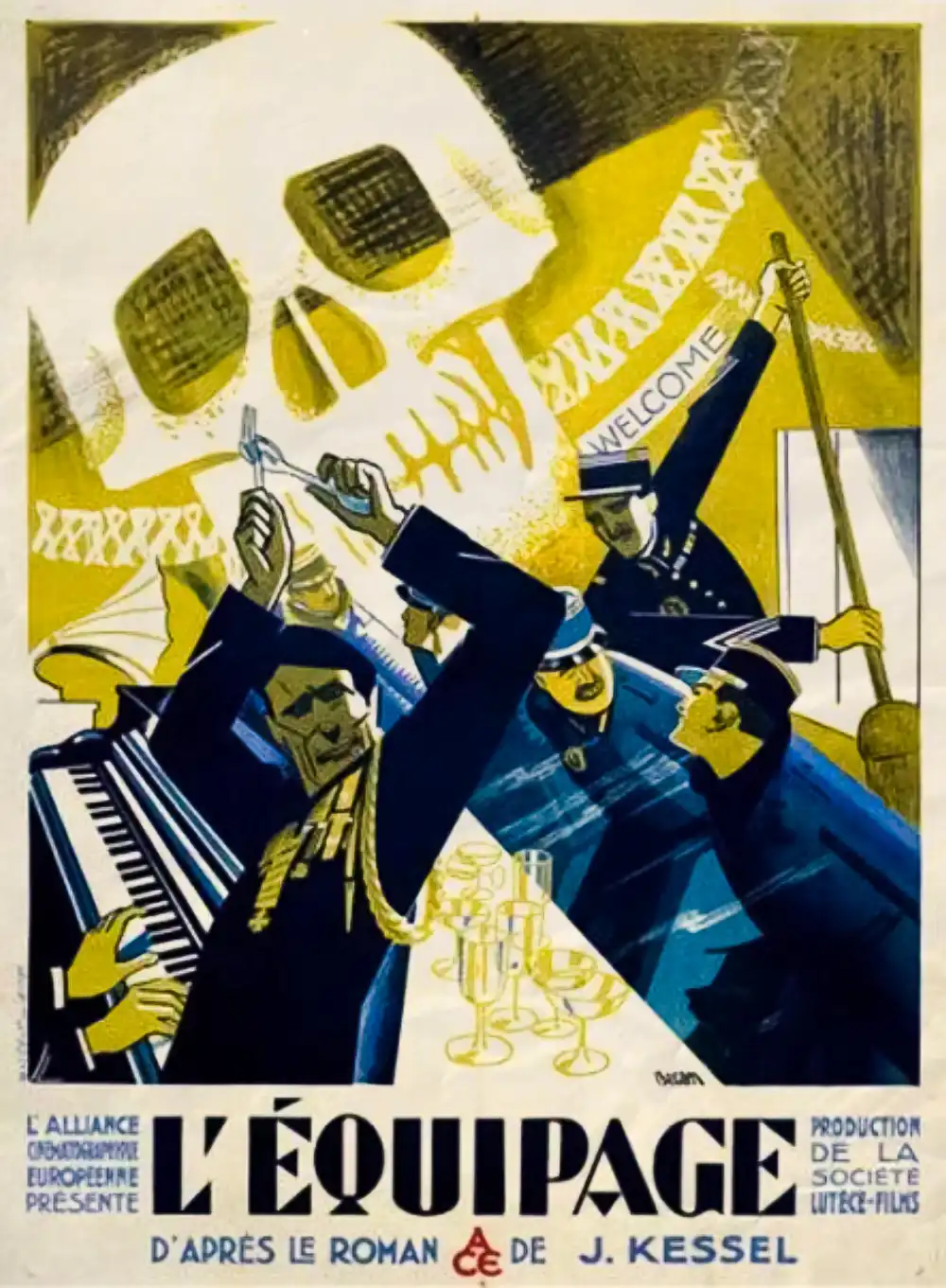
A definitive 5/10 rating for a film that redefined the boundaries of cult cinema. L'équipage remains a cornerstone of transgressive art.
If you have a thing for those grainy, shaky shots of biplanes that look like they’re made of toothpicks and hope, L'équipage is absolutely worth your time. It’s a 1928 silent that feels very much like a bridge between the old-school theatrical acting of the early 20s and the more ambitious, technical filmmaking that was about to take over. If you hate melodramas where people stare intensely at letters for three minutes at a time, you’ll probably find yourself checking your watch.
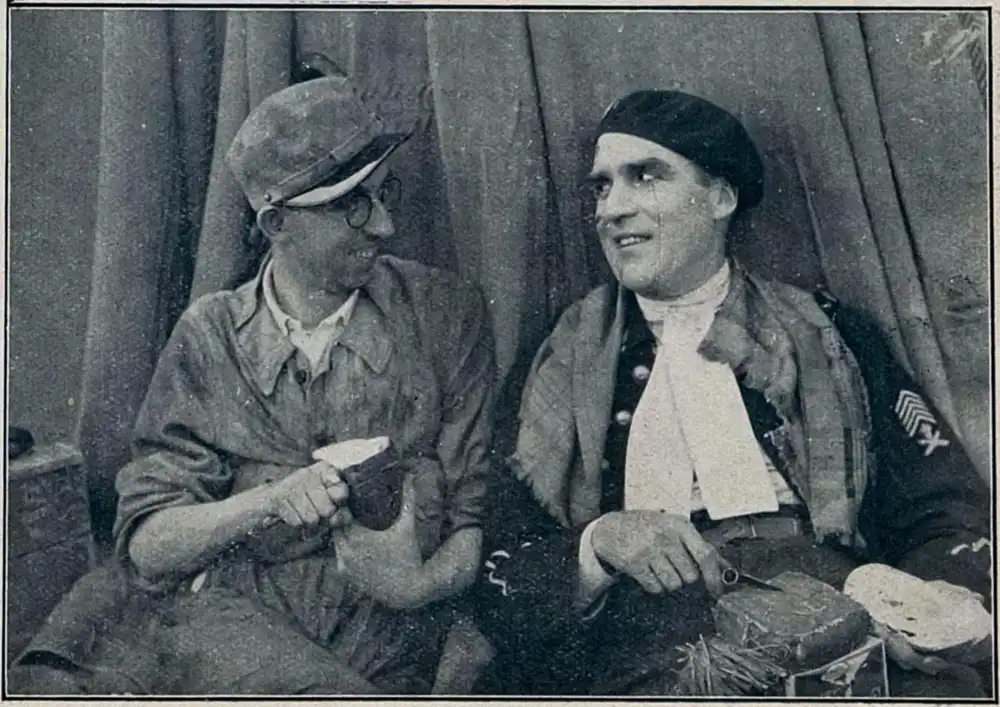
The whole setup is one of those classic 'small world' coincidences that only happen in novels or movies from this era. Herbillon (played by Georges Charlia) falls for Denise while on leave. He goes back to the front, joins a new reconnaissance crew, and realizes his pilot, Maury, is Denise’s husband. It’s awkward. It’s meant to be tragic, but the way the movie handles the 'reveal' is almost funny. There’s a moment where Herbillon sees a photograph and his reaction is so prolonged—he basically goes through five stages of grief in one close-up—that it loses the emotional punch and becomes a study in how much makeup a man could wear in 1928.
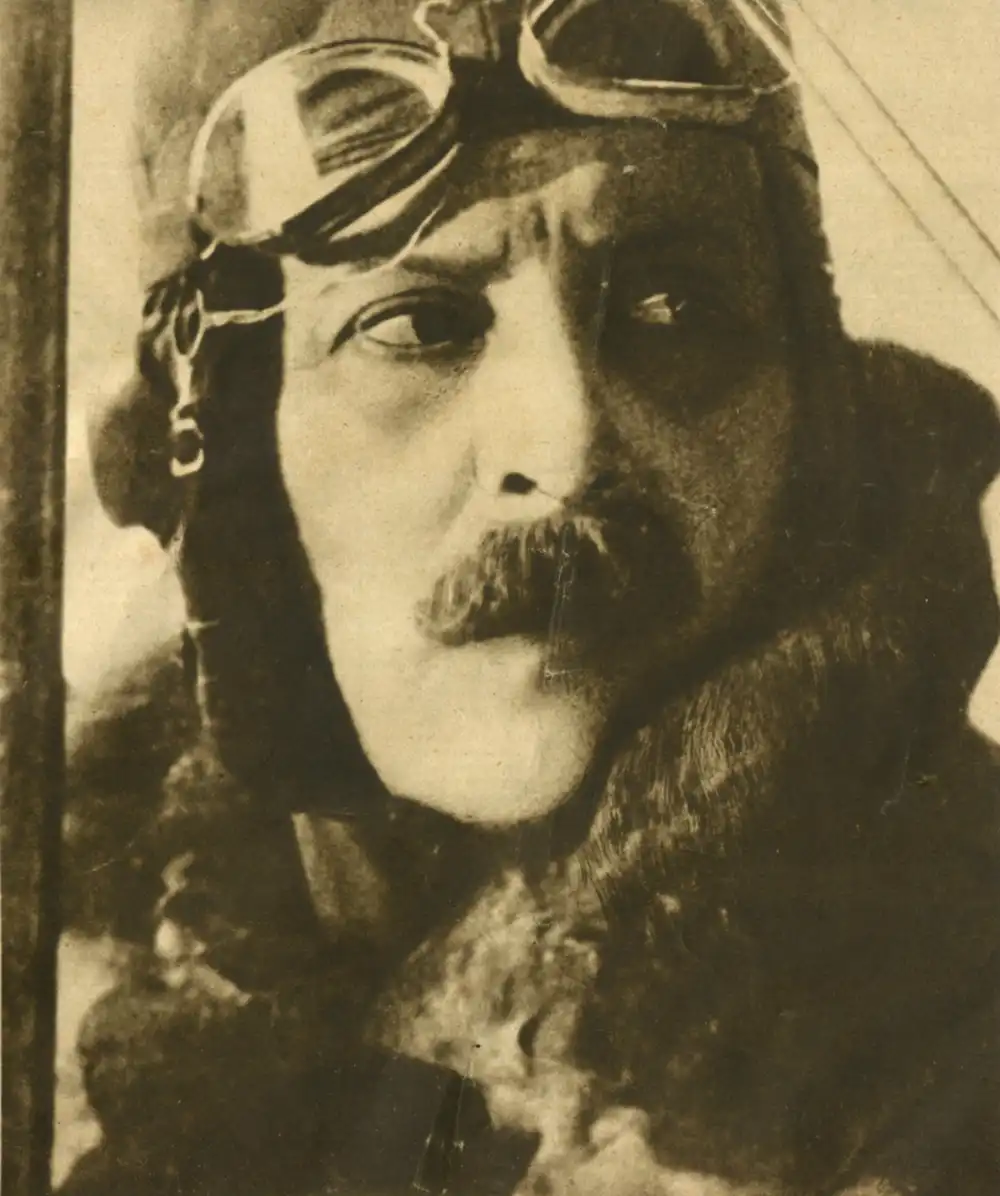
What actually works, and works surprisingly well, is the atmosphere of the airfield. Maurice Tourneur had this eye for composition that makes even the boring scenes look like paintings. There’s a shot of the hangar at night that I kept thinking about long after the movie ended. It’s just shadows and the skeleton of a plane, but it feels more 'war-like' than any of the actual combat scenes. It reminds me a bit of the starkness in The Stain, where the background seems to be doing more work than the actors.
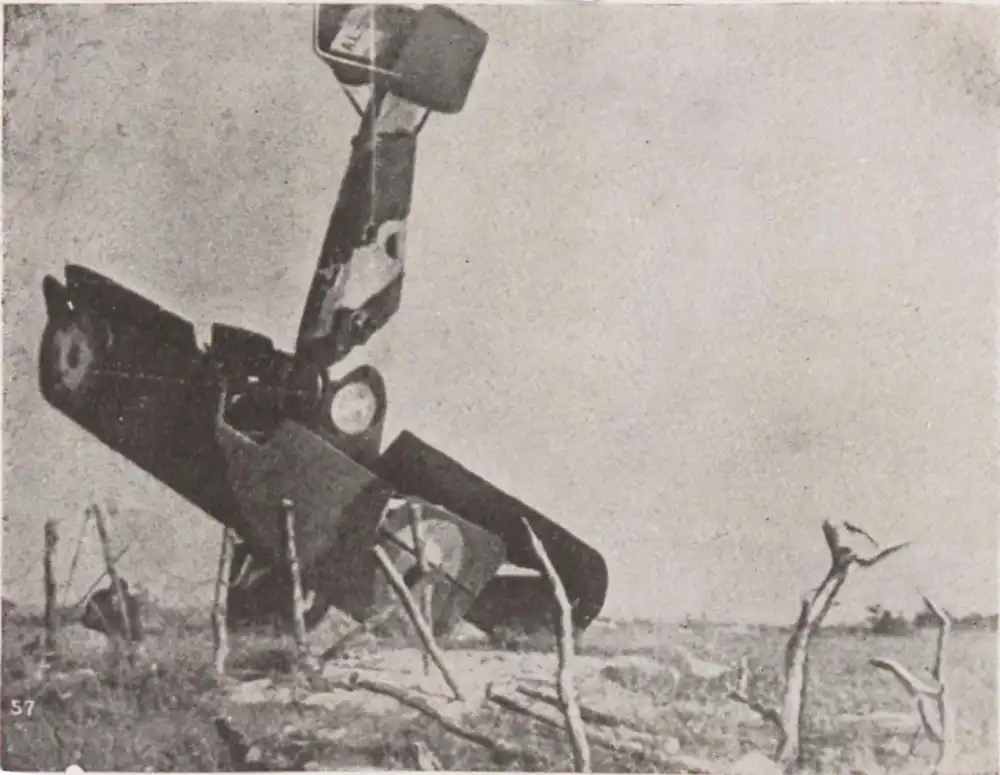
The aerial sequences are the real reason to stay. There is no CGI here, obviously. You can see the wind ripping at the actors' scarves and the way the camera vibrates with the engine. It’s terrifying in a way modern movies aren't. When the planes go down, they don't explode in a massive fireball; they just sort of crumple and fall like dead birds. It’s quiet and miserable. There’s a specific bit where a machine gun jams, and the frantic way the observer tries to fix it while a German plane loops around them feels genuinely panicked. It’s one of the few times the movie stops feeling like a play and starts feeling like a documentary.
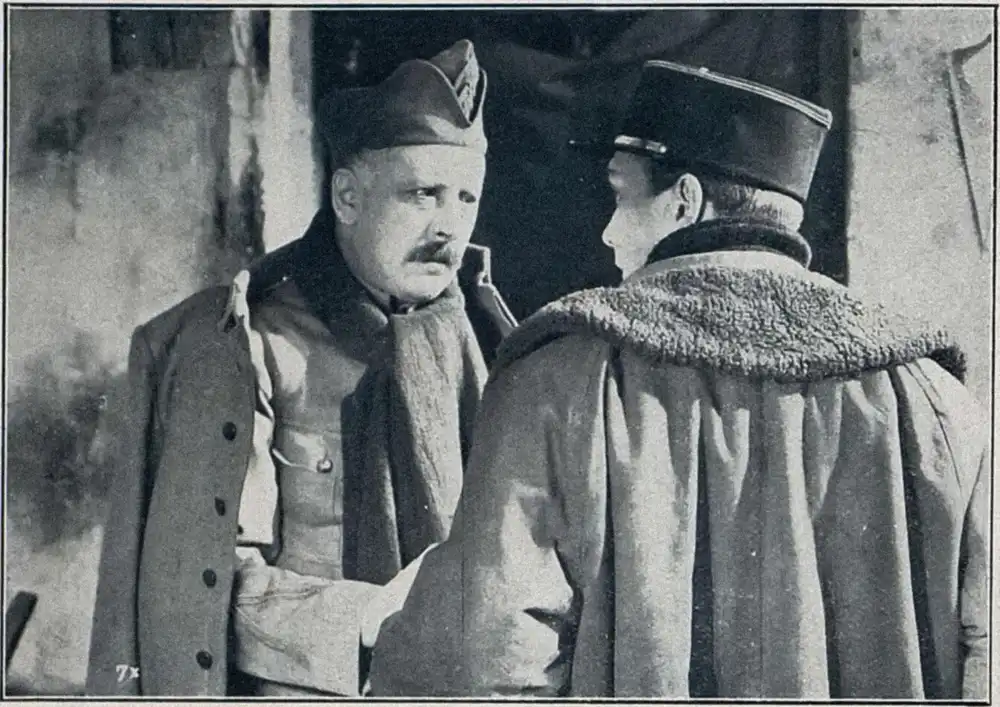
Claire de Lorez, who plays the wife, has this very specific 1920s look—very thin eyebrows, very dark lips—that makes her look perpetually startled. Her performance is fine, I guess, but the movie isn't really interested in her. She’s just a plot device to make the two men feel bad. The real romance is between the pilot and the observer. The way they look at each other after a successful mission has way more heat than any of the scenes in the Parisian apartment. It’s that 'comrades in arms' thing that WWI movies always do, but here it feels heavy, almost suffocating.
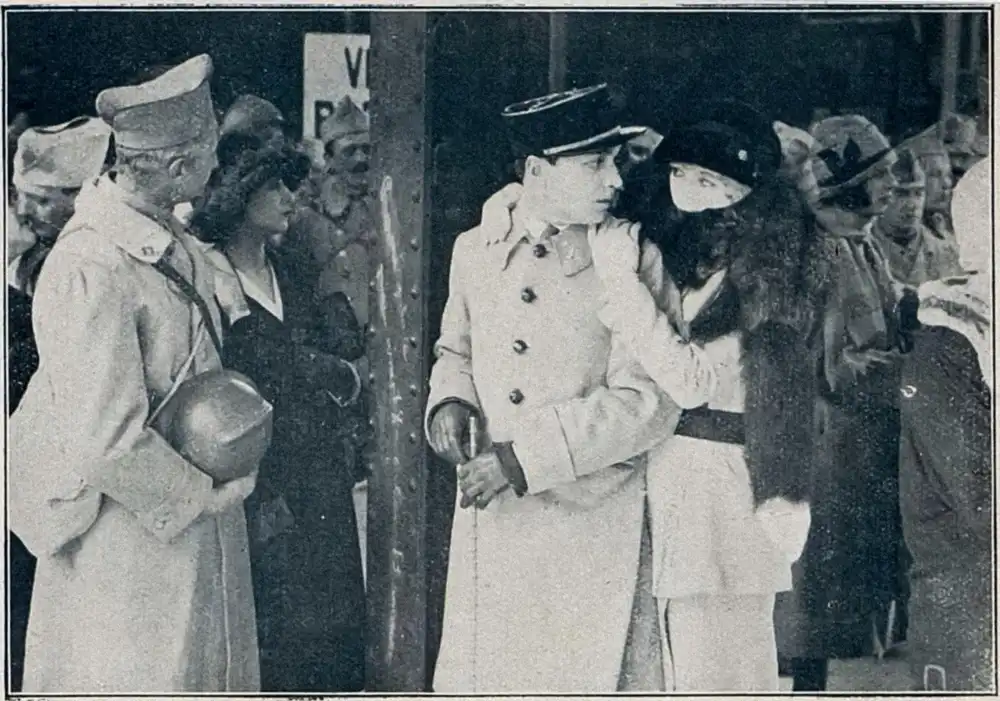
I did notice some weird editing in the middle act. We jump from a tense moment in the barracks to a very slow, lingering shot of a dog wandering around, and then back to the drama. It kills the pacing. It’s like Tourneur liked the shot of the dog too much to cut it, even though it does absolutely nothing for the story. You see that a lot in films like The Young Lady and the Hooligan, where the rhythm just falls apart for a second because the director got distracted by a visual detail.
The ending is where things get really bleak. It doesn't try to give you a happy resolution. It just kind of sits there in the mud with the characters. Some people might find it unsatisfying, but I liked that it didn't try to wrap the love triangle up with a neat bow. The war just swallows the problem. It’s a bit cynical, which is refreshing after an hour of high-pitched emotional pining.
One tiny thing: the costumes for the aviators are great. The leather coats look heavy and smelled like oil, you can almost feel the texture through the screen. But then you have the scenes in the city where everyone looks like they’re dressed for a completely different movie. The tonal shift between the 'war' scenes and the 'romance' scenes is so jarring it’s almost like two different directors were fighting over the camera.
Is it a masterpiece? Probably not. The middle drags, and the 'secret' is dragged out way longer than it needs to be. But if you want to see what 1920s French cinema looked like when it was trying to be both a blockbuster and a serious drama, it’s a fascinating relic. Just don't expect the love story to be the part you remember.
IMDb 7.2
1929
Community
Log in to comment.