DbcultAccessing Vault...
5.5/10
Senior Film Conservator
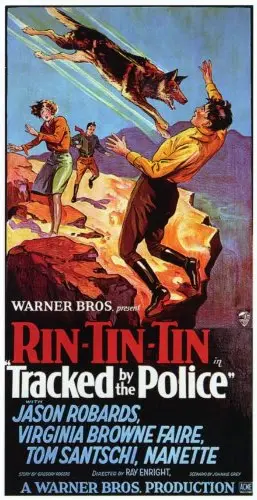
A definitive 5.5/10 rating for a film that redefined the boundaries of cult cinema. Tracked by the Police remains a cornerstone of transgressive art.
Is 'Tracked by the Police' worth your time in the 21st century? Short answer: yes, but with significant caveats. This 1927 silent-era adventure will primarily appeal to cinephiles, fans of early Hollywood animal performers, and those with a high tolerance for period melodrama, while likely alienating viewers seeking modern pacing or nuanced character development.
It's a curious artifact, a silent film that showcases both the undeniable charm of its era and the limitations inherent in its storytelling conventions. It works. But it’s flawed. This film is for those who appreciate the historical context of cinema and the foundational elements of action-adventure storytelling, particularly when a four-legged star is involved. It is decidedly NOT for anyone expecting a fast-paced, dialogue-driven contemporary thriller or a deep character study.
This film works because of its surprisingly effective blend of man-vs-nature drama, corporate espionage, and the sheer charisma of its canine star. The stakes, though presented through silent film conventions, feel genuinely high, especially given the perilous dam-building setting.
This film fails because its human characters are largely archetypal, lacking the depth that would truly anchor the emotional core of the narrative. The pacing, while typical for its time, can feel sluggish to modern viewers, and some plot conveniences stretch credulity even for a silent picture.
You should watch it if you have an interest in silent cinema, an appreciation for early action sequences, or a fondness for animal actors like Rin Tin Tin. It offers a unique window into the popular entertainment of the late 1920s, complete with daring stunts and a clear-cut battle between good and evil.
At its heart, 'Tracked by the Police' is a story of ambition and survival set against the monumental backdrop of the Laguna Dam project in Arizona. The premise is compelling: bringing water to arid lands, a noble pursuit corrupted by the ruthless machinations of rival construction companies. This core conflict, the struggle for a lucrative contract, quickly devolves into violence and sabotage, placing hero Bob Owen (Tom Santschi) and his remarkable dog, Satan (likely played by the iconic Rin Tin Tin), in constant peril.
The script, penned by Darryl F. Zanuck and John Grey, establishes a clear moral dichotomy. On one side, Owen represents integrity and a genuine desire to see the dam built for the public good. On the other, the rival companies embody avarice, willing to resort to any means, including attempted murder, to secure their financial gain. This black-and-white morality is a hallmark of silent cinema, streamlining the narrative for maximum impact without spoken dialogue.
What truly elevates the plot beyond a simple good-versus-evil struggle is the integration of Satan. The dog is not merely a sidekick; he is an active participant, a protagonist in his own right, often serving as the catalyst for key plot developments or the instrument of rescue. His intelligence and loyalty are central to Owen’s survival and the eventual triumph of justice. It’s an early, powerful example of the animal hero trope, executed with surprising conviction.
The film’s central conflict, the fight over the dam contract, is a surprisingly robust framework for a silent actioner. It allows for a variety of set pieces: fisticuffs, chases, and dramatic cliffhangers involving the construction site itself. While the human drama occasionally feels thin, the external pressures and physical dangers are palpable, keeping the audience engaged, particularly if they can adjust to the narrative rhythms of the era.
Tom Santschi, as Bob Owen, embodies the stoic, square-jawed hero typical of the period. His performance relies heavily on physical presence and broad gestures to convey emotion and intent. He is a capable lead, particularly in the action sequences, projecting a sense of unwavering resolve. However, his character, like many human protagonists of silent films, serves more as a vehicle for the plot than a deeply explored individual. There’s little internal conflict, just external obstacles to overcome.
Virginia Brown Faire, playing the romantic interest, delivers a performance that is similarly earnest but constrained by the conventions of the time. She functions primarily as the damsel in distress or the supportive partner, providing emotional stakes for Owen without much agency of her own. Her expressions are often theatrical, designed to be read clearly from a distance, rather than subtly conveying complex inner states.
The real star, undeniably, is Satan, the dog. While listed in the credits as Nanette the Dog and Rin Tin Tin, it’s highly probable that the bulk of the heroic action falls to a dog of Rin Tin Tin’s caliber. His performance is nothing short of astounding. Whether tracking villains, delivering messages, or engaging in dramatic rescues, Satan displays an intelligence and training that puts many human actors to shame. There's a genuine sense of connection between Owen and Satan, a bond that feels more authentic than many of the human interactions on screen.
One particular scene, where Satan navigates treacherous terrain to warn Owen, stands out. The dog's focused determination and the physical demands of the scene are genuinely impressive. It’s moments like these that solidify the film’s unique appeal and demonstrate why animal stars were such a draw in early cinema. The villains, played by actors like Theodore Lorch and Jason Robards Sr., are appropriately sneering and menacing, fulfilling their roles as clear antagonists without much nuance.
The cinematography in 'Tracked by the Police' is functional, serving the narrative with clear, well-composed shots that emphasize action and location. While it doesn't boast the avant-garde flourishes of European silent cinema, it effectively utilizes the expansive Arizona landscape. The vast, untamed desert provides a stark, imposing backdrop for the dam construction and the ensuing conflicts, underscoring the formidable challenge of taming nature.
The sequences involving the dam construction are particularly noteworthy. They convey the immense scale of the project and the inherent dangers involved in such an undertaking. The film wisely uses practical effects and real locations, lending an air of authenticity to the industrial drama. There's a tangible sense of the heavy machinery and the manual labor involved, which is far more impactful than any greenscreen work could achieve.
Director Wilfrid North makes good use of close-ups to convey emotion, especially from Satan, whose expressive eyes often communicate more than the intertitles. The action sequences, while sometimes a bit static by modern standards, are generally well-staged, relying on physical stunts and clear visual storytelling to drive the tension. The chase scenes, though lacking the frenetic editing of later eras, build suspense through the sheer determination of the pursuers and the desperation of the pursued.
One surprising observation is how effectively the film uses natural light. The harsh desert sun and the shadows it casts add a layer of realism and drama to many outdoor scenes. It's a testament to the resourcefulness of filmmakers in an era without sophisticated lighting equipment, relying on the environment itself to create atmosphere. This film, much like Way Out West, understands the power of its setting.
The pacing of 'Tracked by the Police' is undeniably a product of its time. Silent films often featured a slower, more deliberate rhythm, allowing audiences to absorb the visual information and read the intertitles. For contemporary viewers accustomed to rapid-fire editing and constant stimulation, this can be a hurdle. There are moments where the narrative takes its time, perhaps a little too much, to set up a scene or convey a minor plot point.
However, when the action kicks in, the film does generate genuine excitement. The moments of peril, particularly those involving Satan or the dam site, are genuinely thrilling. The tone swings between earnest drama and straightforward adventure, with little room for comedic relief or ironic detachment. It’s a serious film about serious stakes, which contributes to its somewhat heavy, but consistent, atmosphere.
The film’s emotional register is largely one of earnestness and peril. There’s a clear sense of danger and urgency when Owen and Satan are being pursued, and a satisfying catharsis when justice is served. While it doesn't delve into psychological complexity, the straightforward emotional beats are effective for the story it aims to tell. The inherent drama of a man and his dog against overwhelming odds is a timeless appeal, and the film leans into it fully.
For the casual viewer, 'Tracked by the Police' might feel like a relic, a curiosity rather than a compelling cinematic experience. Its silent nature, reliance on intertitles, and deliberate pacing require a certain patience and an adjustment of viewing expectations. However, for those with an interest in film history, particularly the development of the action-adventure genre and the phenomenon of animal stars, it’s absolutely worth seeking out.
It serves as an excellent example of popular entertainment from its era, demonstrating the effective use of a clear narrative, charismatic performers (both human and canine), and practical stunt work. It is a testament to the enduring appeal of loyalty, bravery, and the triumph of good over evil, even when presented without spoken word. You might also find similar historical value in a film like A Fool There Was (1922), though its themes are quite different.
Pros:
- Engaging premise with high stakes
- Remarkable performance by the canine star
- Effective use of real locations and practical stunts
- Clear, morally defined narrative
- Historical value as a silent-era action film
Cons:
- Pacing can feel slow for modern audiences
- Human characters lack depth and complexity
- Reliance on melodrama and plot conveniences
- Limited rewatchability for general audiences
'Tracked by the Police' is more than just a historical curiosity; it’s a surprisingly robust silent action-adventure that leverages the star power of its canine lead to great effect. While its human elements are largely conventional and its pacing requires patience, the film delivers on its promise of danger, suspense, and the unwavering loyalty of a heroic dog. It’s a foundational piece of cinema that demonstrates how engaging storytelling could be achieved without a single spoken word.
For those willing to meet it on its own terms, 'Tracked by the Police' offers a charming, if somewhat dated, glimpse into a bygone era of filmmaking. It’s not a masterpiece, nor does it aim to be, but it is an honest, thrilling piece of popular entertainment that still has the power to captivate, particularly for those who appreciate the unique artistry of silent cinema. The film serves as a potent reminder that a compelling narrative, even with archetypal characters, can resonate when anchored by genuine peril and an extraordinary four-legged hero.
IMDb 6.4
1933
Community
Log in to comment.