DbcultAccessing Vault...
7.8/10
Senior Film Conservator
A definitive 7.8/10 rating for a film that redefined the boundaries of cult cinema. Les yeux du dragon remains a cornerstone of transgressive art.
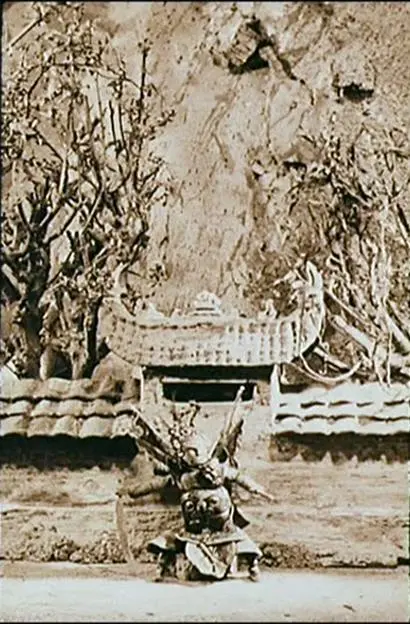
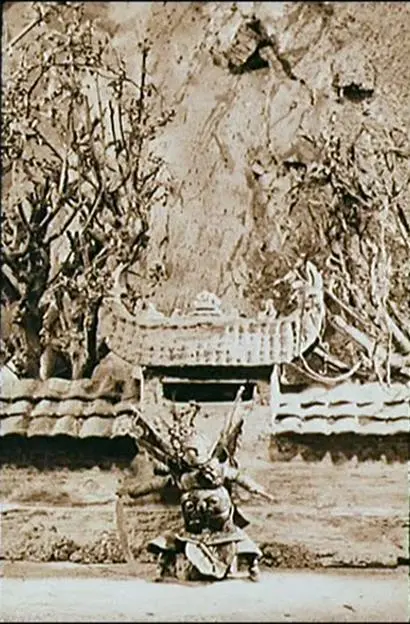
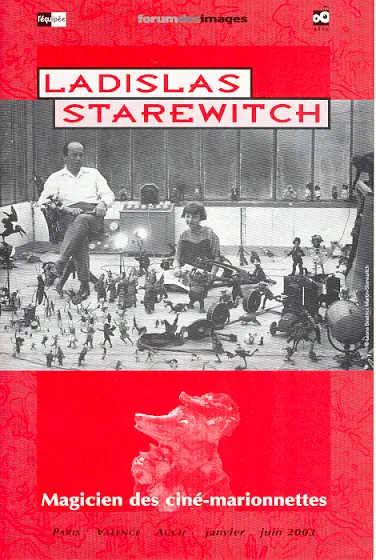
In the heart of a small Chinese neighborhood, a tale of enchantment unfolds, captured in the silent yet eloquent language of cinema. 'Les yeux du dragon' (The Eyes of the Dragon), a whisper of a story brought to life by the visionary Wladyslaw Starewicz, invites viewers into a world where reality and dreams intertwine. This film, a silent masterpiece, is a visual tapestry of love, betrayal, and the captivating allure of beauty.
The narrative begins in a quaint, almost idyllic setting, where a little girl lives among a collection of antique trinkets. Among these, a precious vase stands out, a vessel that she has always believed to be special, though she knows not why. One evening, after the opium pipe of a dealer brings her to a dream, the vase takes on a life of its own, spawning a fantastical tale that speaks to the depths of human emotion and the enduring power of love.
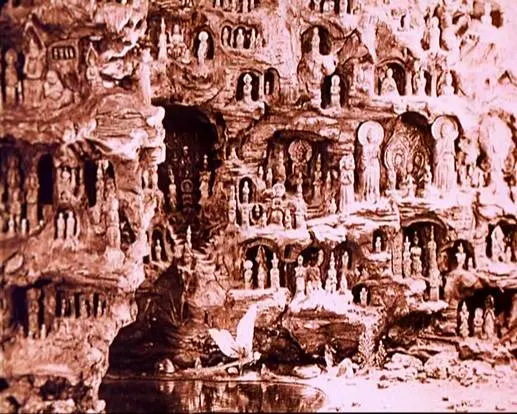
In the dream, we are introduced to the prince and the Sun Princess, Sunray, whose love is thwarted by the sinister Mandarin Tan-Tan. The Mandarin, a symbol of the clouds that obscure the sun, represents the forces of darkness and disarray. Driven by a desire to escape this oppressive reality, the two lovers embark on a journey to the Country of Love, a place where they hope to find a respite from the shadows that Tan-Tan casts over their lives. But their path is fraught with peril, as they encounter a dragon who lures travelers to his cave, where the fates of the unfortunate are sealed.
However, the prince and the Sun Princess, guided by their unyielding love, resist the dragon's seductive powers and continue their journey. Their journey takes them to the Country of Love, a place where happiness reigns forever, a place they had imagined to be filled with light and freedom. But time, as measured by the curious game of constellations, does not stand still. Years pass, and the once hopeful journey becomes a story of transformation and loss.
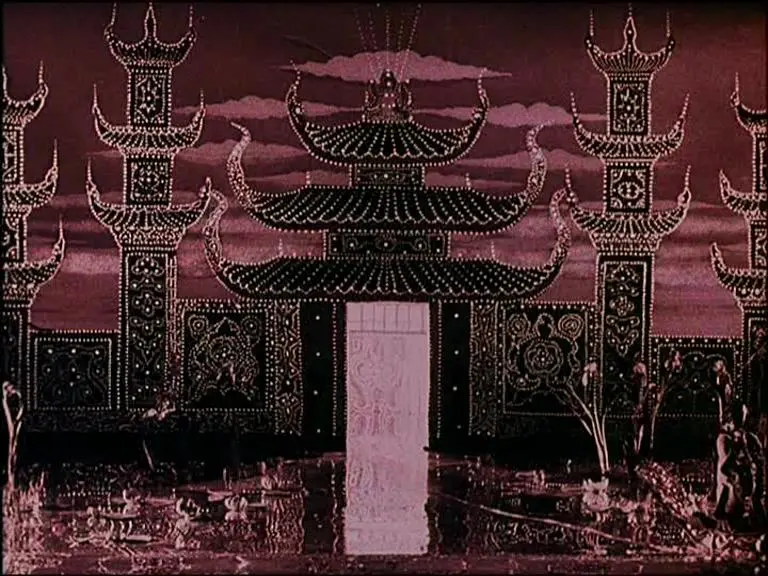
Years later, the dragon, disheartened by the lack of victims, decides to tear out his eyes, which become two beautiful diamonds. These diamonds, a symbol of the dragon's despair, are sought after and eventually fall into the hands of a hero. But the hero, warned by a friend, the Sun, about the dangers of these diamonds, ignores the advice. The diamonds, indeed, possess a malevolent power, turning all who come into contact with them into porcelain, mirrors of their former selves but lifeless and devoid of warmth.

Back in the real world, the story returns to the little girl and the antique dealer. The dealer, who has sold the precious vase, now finds himself in a dilemma when a curious English tourist expresses an interest in purchasing the broken vase. The little girl, who has witnessed the entire narrative, is reluctant to part with the vase. Her refusal to sell it leads to a humorous and unexpected turn of events, as the girl bites the tourist, causing him to drop the vase. The merchant, seeing an opportunity, doubles the price, but the persistent customer accepts and carries the debris carefully, driven by the promise of the diamonds within.
As the customer leaves, the girl's attention is captured by the diamonds in the debris. Amused for a moment, she is then disinterested, seeing through their false allure. She returns the diamonds to the merchant, dismissing their power, and steps outside to bask in the real, sunlit world. This act symbolizes a return to the tangible, a rejection of the false promises of beauty that can turn into emptiness.
Through the lens of Starewicz, 'Les yeux du dragon' becomes a profound exploration of the human condition, where the allure of beauty and the promise of happiness can sometimes be as dangerous as they are enticing. This film, a silent testament to the power of storytelling, invites the viewer to reflect on the nature of reality and dreams, and the eternal quest for true happiness.
For those interested in exploring more silent cinema, you may also enjoy 'Algeria', 'The Common Law', 'The Shrine of Happiness', 'The Emotional Miss Vaughn', 'Engelein', 'Az egyhuszasos lány', 'The Gaiety Girl', 'The Bigamist', 'The Belgian', 'The Golf Bug', 'Mysteries of Paris', 'A Woman of No Importance', 'Voodoo Vengeance', 'Sweet Kitty Bellairs', and 'The Crucial Test'. Each of these films offers a unique glimpse into the art of storytelling in the silent era.
IMDb —
1920
Community
Log in to comment.