DbcultAccessing Vault...
Cult Review
Senior Film Conservator
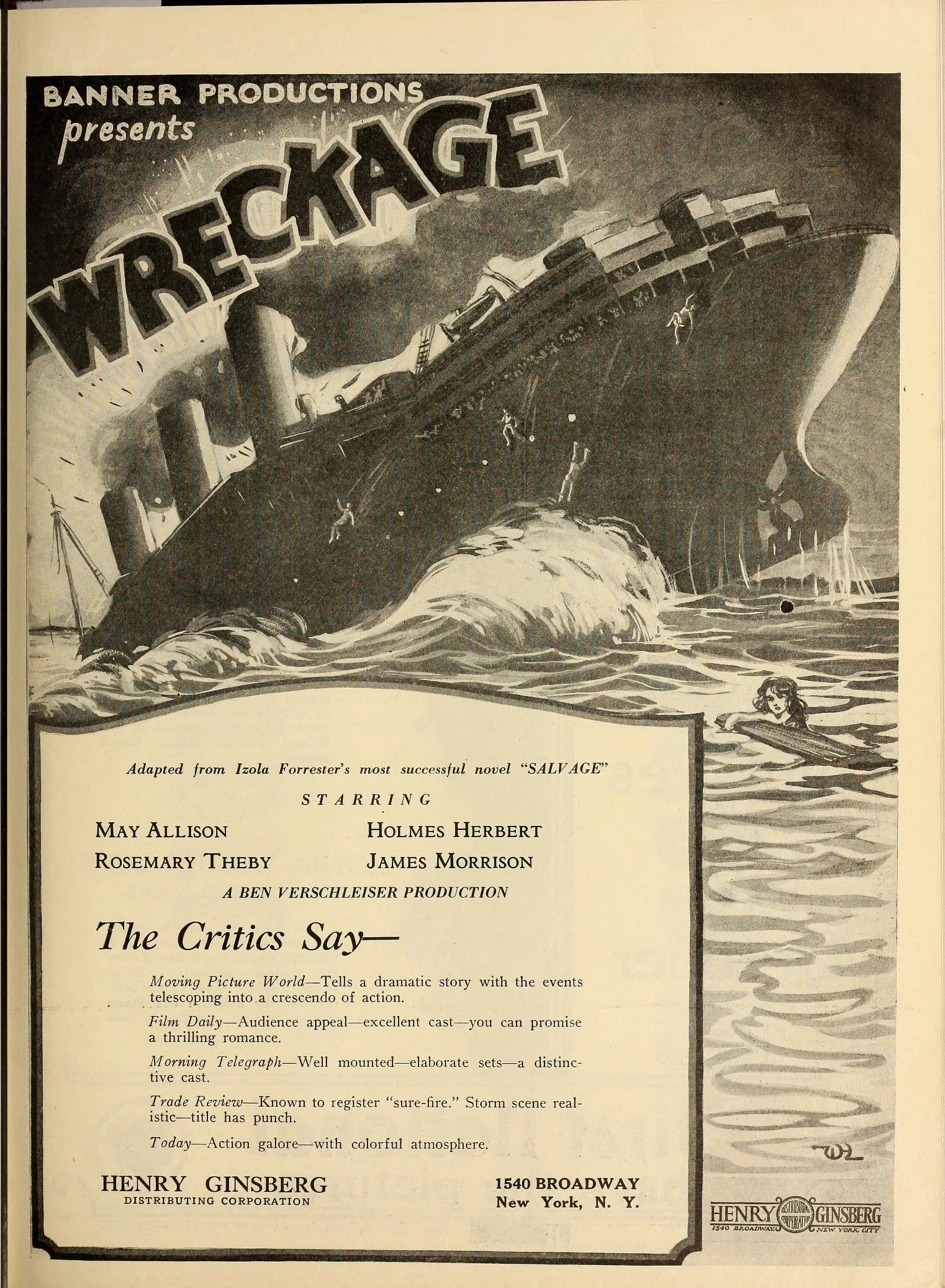
In the pantheon of 1925 cinema, Wreckage occupies a space that is as much psychological as it is melodramatic. This film, directed with a keen eye for the simmering tensions of the Jazz Age, delves into the harrowing repercussions of a single, misguided act of altruism. Stuart Ames, portrayed with a brooding intensity by Holmes Herbert, is not your typical hero. He is a man defined by his failures, a character whose initial impulse to protect a friend leads directly to that friend's demise. The opening acts of the film are saturated with a sense of impending doom, a stylistic choice that mirrors the darker undercurrents found in Pagan Passions, where the weight of social expectation often crushes the individual spirit.
The narrative machinery is set in motion by Margot, played with a chilling, manipulative grace by Rosemary Theby. She is the archetypal 'vamp' of the silent era, a figure whose presence is toxic yet magnetic. When Stuart attempts to disillusion Grant Demarest (James Morrison) regarding Margot's true nature, he inadvertently triggers a sequence of events that highlights the fragility of human life. The accidental shooting of Grant is handled with a restraint that was rare for the period, eschewing grandiosity for a stark, intimate horror. This moment serves as the 'wreckage' of the title—not just of a physical vessel, but of Stuart's moral compass and his belief in his own agency.
Following the tragedy, Stuart seeks the anonymity of the sea. The transition from the drawing rooms of high society to the vast, indifferent ocean is a masterful stroke by the writers Izola Forrester and Agnes Parsons. It is here that the film shifts gears, moving from a domestic tragedy into an adventure of the soul. On the liner, Stuart meets Rene, played by May Allison. Allison brings a luminosity to the role that provides a necessary counterpoint to Herbert's shadowed performance. Rene is a character caught between worlds; she is the daughter of a dishonest gem dealer, yet she possesses an inherent purity that Stuart finds intoxicating.
The shipwreck sequence is the film's technical centerpiece. While it may lack the documentary-style scale of The Battle of Jutland, it excels in capturing the chaotic terror of the elements. The destruction of the ship is not merely a plot device; it is a baptism. In the wreckage, the social hierarchies and past sins of the passengers are stripped away. Stuart and Rene are forged in this crisis, their bond established not through polite conversation but through the primal struggle for survival. This segment of the film resonates with the themes of rebirth found in other contemporary works like No Woman Knows, where the protagonist must endure significant hardship to find their true path.
As the setting shifts back to the United States, the film introduces a layer of intrigue that borders on the noir. Rene, now back on solid ground, finds herself a guest of her childhood friend—who happens to be Margot. This coincidence might strain the credulity of a modern audience, but within the logic of 1920s melodrama, it serves to tighten the thematic noose. The past is inescapable. Enter Dysart, played by John Miljan with a sinister charm that would become his trademark. Disguised as a count, Dysart represents the predatory nature of the social elite, a theme also explored with varying degrees of cynicism in A Prince in a Pawnshop.
Dysart’s attempt to lure Rene to a wilderness cabin is the film’s descent into the gothic. The cabin, isolated and surrounded by the untamed wild, becomes a theater of menace. It is a stark contrast to the earlier maritime disaster; where the sea was an indifferent force of nature, Dysart is a calculated force of human malice. The tension in these scenes is palpable, driven by a cinematography that utilizes shadows and tight framing to emphasize Rene’s vulnerability. The writers, including the Hattons, expertly weave the disparate threads of the plot together, ensuring that Stuart’s eventual intervention feels like a cosmic necessity rather than a mere coincidence.
One cannot discuss Wreckage without acknowledging the sophisticated visual language employed by the director. In an era before synchronized sound, the burden of emotional communication fell entirely on the actors' expressions and the intertitles. The lexical diversity of the intertitles in Wreckage is particularly noteworthy, avoiding the clichéd platitudes of many lesser silents. Instead, they offer a poetic commentary on the characters' internal states. The film’s pacing is deliberate, allowing the audience to marinate in the atmosphere of each location, from the opulent interiors of the city to the desolate beauty of the cliffside finale.
Comparing this film to The Carpet from Bagdad, one notices a similar fascination with the intersection of crime and high-stakes adventure. However, Wreckage feels more grounded in psychological realism. The characters are not mere archetypes; they are individuals grappling with the consequences of their choices. Stuart Ames’ journey is a profound meditation on the nature of guilt. He does not simply move on; he carries the weight of Grant’s death like an invisible anchor until the final confrontation with Dysart allows him to cut the line.
May Allison’s performance deserves a deeper analysis. In many films of this period, such as American Maid, the female lead is often relegated to the role of a passive observer or a victim in need of rescue. While Rene does find herself in peril, Allison imbues her with a quiet resilience. Her survival of the shipwreck and her navigation of Margot’s treacherous social circle suggest a character of significant internal strength. She is the moral center of the film, the beacon that guides Stuart back to the world of the living. Her relationship with her father, the dishonest gem dealer, adds a layer of moral complexity that enriches the narrative, reminding us that no one in this story is entirely untainted by the world’s corruption.
The dynamic between Rene and Margot is also fascinating. It is a study in contrasts: the siren versus the survivor. Margot’s beauty is a weapon, whereas Rene’s is a shield. Their shared history provides a subtext of lost innocence that haunts their interactions. This focus on female relationships, even within the context of a male-driven plot, shows the influence of the diverse writing team, which included several women. This collaborative effort resulted in a script that feels more nuanced and less formulaic than many of its contemporaries, such as The Lucky Devil.
The final act of Wreckage is a masterclass in suspense. The wilderness cabin serves as a claustrophobic pressure cooker, leading to the climactic struggle on the cliffside. The choice of location is significant; the verticality of the cliff mirrors the moral stakes. Dysart’s fall is not just a physical defeat but a symbolic expulsion of evil from the narrative landscape. When Stuart knocks him over the edge, it is a visceral moment of catharsis. It is the only way the 'wreckage' of the past can be cleared away to make room for a future.
The resolution, with Ames and Rene making plans for marriage, might seem like a standard 'happy ending,' but it is earned through fire and water. They are two survivors of different kinds of catastrophes, finding solace in one another. This ending resonates with the emotional honesty found in Till We Meet Again, where the hope for the future is tempered by the scars of the past. The film concludes not with a grand celebration, but with a quiet understanding, a testament to the enduring power of human connection in the face of overwhelming adversity.
Reflecting on Wreckage nearly a century later, one is struck by its modernity. While the technology of filmmaking has evolved, the human emotions it explores remain unchanged. The film’s exploration of guilt, the search for identity, and the corrupting influence of greed are as relevant today as they were in 1925. It stands as a testament to the sophistication of silent era storytelling, a period often unfairly dismissed as primitive. In its visual elegance and thematic depth, it rivals more well-known classics, offering a rewarding experience for any serious student of cinema history.
In the broader context of the cast's careers, this film represents a high point for May Allison and Holmes Herbert. Their chemistry is the engine that drives the emotional stakes of the film. Furthermore, the work of the writing team—Forrester, Hatton, Parsons, and Hatton—demonstrates the power of a multifaceted approach to narrative. They managed to blend elements of social drama, maritime adventure, and psychological thriller into a cohesive and compelling whole. For those who enjoy the intricate plotting of Sneakers or the atmospheric tension of Bag Filmens Kulisser, Wreckage offers a fascinating historical antecedent that is well worth the journey.
Ultimately, Wreckage is a film about the persistence of hope. It suggests that while we may be broken by the events of our lives, we are not defined by our tragedies. We are defined by how we choose to move forward from the debris. It is a powerful message, delivered with a cinematic flair that remains impressive to this day. As the final intertitles fade, the viewer is left not with a sense of gloom, but with a profound appreciation for the resilience of the human spirit—a spirit that can survive even the most devastating of shipwrecks, both literal and metaphorical.
IMDb —
1923
Community
Log in to comment.