DbcultAccessing Vault...
Cult Review
Senior Film Conservator
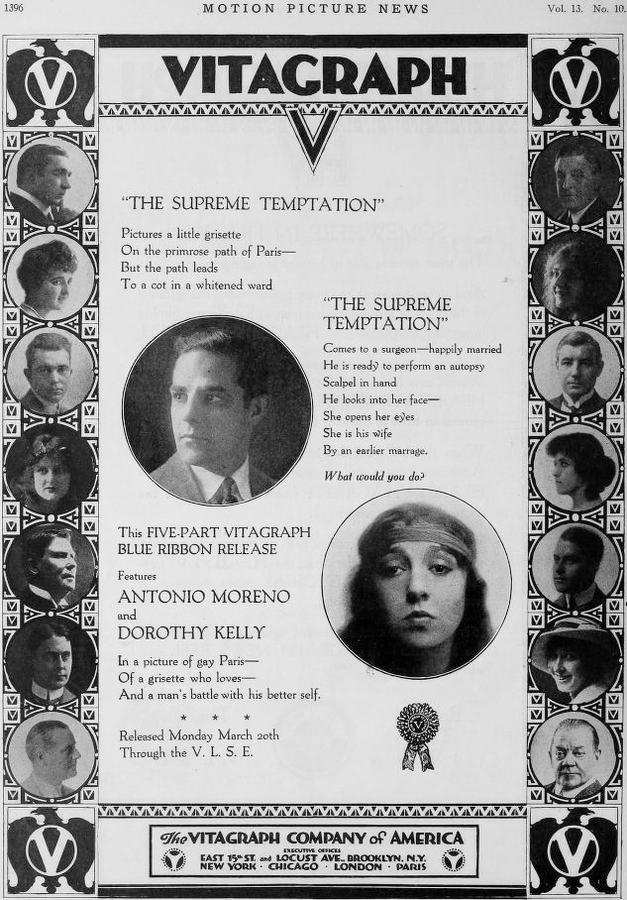
Step back into the nascent days of cinema, to a time when flickering shadows on a screen could convey the most profound moral struggles and human dilemmas with an intensity that still resonates today. Arthur J. Westermayr’s 1916 silent drama, The Supreme Temptation, is not merely a historical artifact; it is a potent exploration of fate, choice, and the crushing weight of a past that refuses to stay buried. This film, featuring a compelling performance by Evart Overton as the tormented protagonist Herbert DuBois, delves into the very core of what it means to be human, to grapple with an ethical tightrope walk where the stakes are nothing less than one’s entire future happiness.
The narrative unfurls with a velocity characteristic of early cinema, yet it never sacrifices the emotional depth required to make Herbert’s predicament genuinely palpable. We meet Herbert DuBois, a bright medical student in the romantic, if somewhat bohemian, milieu of Paris. His youthful ardour leads him into a hasty marriage with Annette, a vivacious grisette portrayed with a poignant fragility by Kate Davenport. This initial union, however, is less a fairytale and more a harbinger of future strife. Their incompatibility becomes glaringly apparent, culminating in a legal separation that, for Herbert, must have felt like a merciful escape from an ill-conceived entanglement. But as any student of human experience knows, some ties, even severed, continue to exert an invisible, insidious pull.
Herbert’s return to America marks a dramatic shift, not only in geography but in his personal burdens. He arrives to find his father teetering on the precipice of financial ruin, a societal shame that, in that era, often carried a far heavier stigma than it might today. The devastating blow of impending bankruptcy, a concept that could easily lead to social ostracization and personal despair, precipitates a tragedy: DuBois Senior, unable to bear the ignominy, takes his own life. This devastating blow instantly transforms Herbert from a hopeful student into the reluctant patriarch, burdened with the immediate care of his mother, played with understated grace by Mary Maurice, and his sister Lydia, brought to life by Dorothy Kelly. This sudden, crushing responsibility is the first of many trials that will test Herbert’s character, forcing him to confront the harsh realities of life beyond academic pursuits and romantic whims. The weight of expectation, both familial and societal, becomes a palpable force shaping his every subsequent decision.
In the wake of this familial catastrophe, a fragile new beginning emerges. Herbert finds solace and burgeoning affection in Florence, the daughter of the family lawyer, a character embodying purity and the promise of a stable future. Their courtship, depicted with the tender, restrained romanticism typical of the period, stands in stark contrast to the tumultuous passion of his first marriage. Simultaneously, his friend Milton, played by Antonio Moreno, finds himself captivated by Lydia, suggesting a harmonious future for both siblings. The stage is set for a redemption arc, a path towards respectability and domestic bliss, a stark contrast to the struggles faced by characters in films like The Waifs, who often grapple with a lack of societal safety nets. Just as this new life begins to solidify, the shadow of the past makes its seemingly final retreat. A visit from M. Picard, a French milliner, delivers the news of Annette’s death. This convenient, if tragic, pronouncement clears the way for Herbert and Florence’s marriage, cementing his ascent into a life free from the specter of his Parisian misstep.
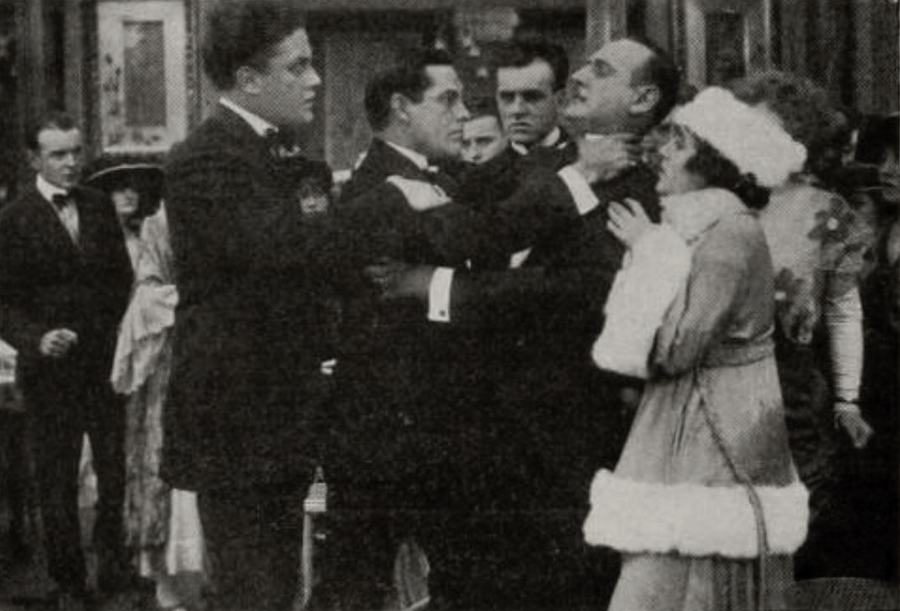
A year passes, marked by professional triumph for Herbert, who has risen to the esteemed position of head of the medical college. His personal life, too, blossoms with the joyous news of Florence’s pregnancy. He stands at the zenith of his aspirations, a testament to his resilience and hard work. Yet, the narrative, under Westermayr’s skillful hand, is about to wrench him back into the harrowing clutches of his forgotten past. This is where The Supreme Temptation truly earns its title, pivoting from melodrama to a psychological thriller of the highest order. The meticulous script by Arthur J. Westermayr, who also penned the story, crafts this escalation with a precision that belies the common perception of early cinema as simplistic. It's a testament to the power of a well-structured plot to build suspense and character depth.
The pivotal scene unfolds in the cold, clinical environs of the medical college. Herbert is preparing to perform an autopsy on a young woman who has died suddenly. The routine grimness of the task is shattered when, in a moment of chilling recognition, he realizes the deceased is none other than Annette. But the horror deepens immeasurably: she is not dead, but in a cataleptic trance, a hereditary condition known to run in her family. This discovery is a stroke of narrative genius, a dramatic contrivance that, while perhaps straining credulity, serves as a magnificent engine for the film’s central moral conflict. It’s a moment that could easily be compared to the agonizing choices faced by protagonists in films centered on impossible dilemmas, perhaps even echoing the profound ethical struggles found in a film like På livets ödesvägar, where characters are frequently confronted with life-altering decisions that pit personal desire against societal or moral imperatives. The sheer audacity of this plot twist is what elevates the film beyond mere melodrama into a realm of profound psychological examination.
The film’s title finds its searing manifestation here. The supreme temptation descends upon Herbert with an almost visceral force. With a scalpel in hand, a slight, almost imperceptible movement could end Annette’s life, forever silencing the inconvenient truth of his past and securing his meticulously constructed present. It’s a moment of terrifying solitude, a battleground within his own soul. The audience is privy to this internal struggle, conveyed through Overton’s nuanced expressions—a testament to the power of silent acting. His face, a canvas of conflicting emotions, eloquently portrays the moral quicksand he finds himself in. This is not merely a choice between right and wrong, but between an easy, albeit immoral, path to happiness and a morally upright, yet potentially catastrophic, one. It is a moment that echoes the moral ambiguities explored in films like Half a Rogue, where characters navigate shades of gray rather than stark black and white, grappling with temptations that threaten to unravel their very identities.
Yet, Herbert’s inherent decency, his better nature, ultimately prevails. He calls his colleagues’ attention to Annette’s living state, a silent act of profound moral courage that defines his character. The subsequent application of restoratives brings Annette back to consciousness, plunging Herbert into an agonizing new phase of suspense. Will she live to reclaim her place in his life, shattering his present happiness and potentially disgracing him? Or will she succumb, offering a final, albeit grim, resolution? The tension here is masterfully sustained, a testament to Westermayr’s narrative construction and the performers' ability to hold the audience captive without uttering a single word. The psychological torment Herbert ensues is a powerful portrayal of the human condition under extreme duress, reminiscent of the relentless pressure depicted in films such as Das Gesetz der Mine, where characters are forced to make desperate choices in dire circumstances, often with their lives, or their moral standing, hanging in the balance.
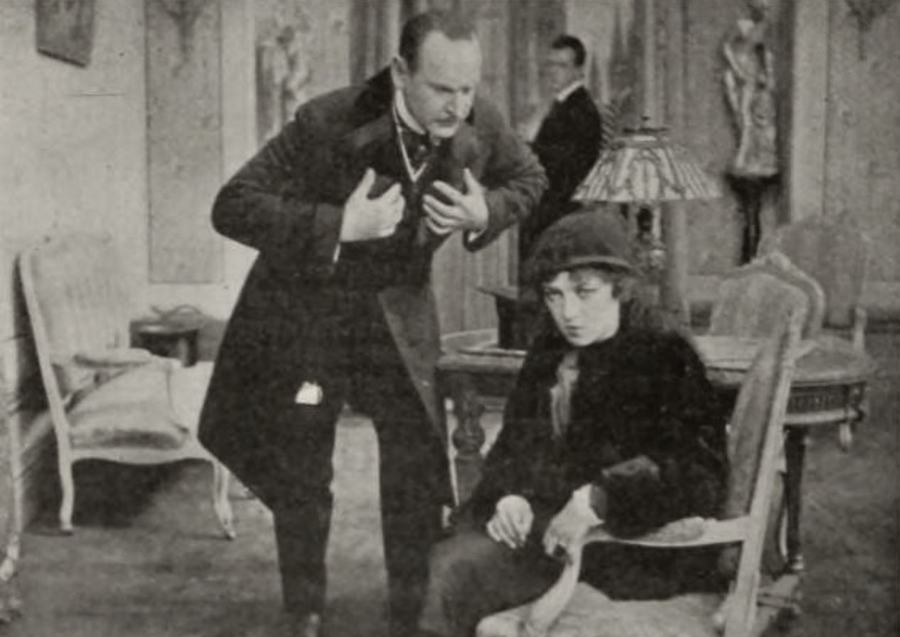
The climax is a study in dramatic irony and the capricious nature of fate. After what feels like an eternity of agonizing uncertainty, one of the doctors delivers the news: Annette has finally died. The relief, though tinged with the sadness of her tragic life, must be overwhelming for Herbert, a release from an unbearable burden. But the narrative isn't done with its emotional oscillations. As he rushes towards his wife’s room, presumably to share the news and embrace their future, he is stopped by a nurse who delivers the joyous, life-affirming news: a son has been born to them. This simultaneous arrival of death and new life, of closure and genesis, creates a profoundly moving and complex resolution. It’s a moment that speaks to the cyclical nature of existence, a brutal yet ultimately liberating twist that underscores the film’s exploration of destiny and the often-unforeseen ways in which life’s chapters close and open. This dramatic juxtaposition exemplifies the heightened emotional stakes that silent cinema, at its best, could deliver, leaving audiences breathless and deeply moved.
The performances in The Supreme Temptation are a masterclass in silent film acting. Evart Overton, as Herbert, carries the immense emotional weight of the film with remarkable subtlety and power. His expressions convey the internal turmoil, the moral struggle, and the eventual relief with a depth that transcends the lack of spoken dialogue, drawing the viewer into his tortured psyche. Kate Davenport, as Annette, is equally compelling, imbuing her character with a tragic vulnerability that makes her an object of both pity and, for Herbert, profound moral conflict; she is not a villain, but a victim of circumstance and a haunting reminder of a past he desperately wishes to erase. The supporting cast, including the steady presence of Marguerite Blake, Charles Kent, and Jack Brawn, provides solid backing, grounding the melodramatic elements in believable human interactions. The direction, while not explicitly credited in all sources, demonstrates a keen understanding of cinematic storytelling, using framing and pacing to heighten tension and emotional impact. The film avoids the overly theatrical gestures that sometimes plague early silent pictures, opting instead for a more restrained, yet equally effective, approach to conveying complex emotions, allowing the raw human drama to shine through.
In an era that often favored grand spectacle and straightforward morality tales, The Supreme Temptation stands out for its sophisticated psychological depth. It asks difficult questions about human nature, the boundaries of ethics, and the relentless grip of the past. While some might view its plot contrivances, particularly Annette’s cataleptic trance, as a convenient narrative device, it serves its purpose brilliantly, pushing the protagonist to an unimaginable moral precipice. The film’s exploration of a man caught between two lives, two loves, and two moral paths remains as compelling today as it must have been over a century ago. Its ability to navigate such complex themes without the aid of spoken dialogue speaks volumes about the artistry of early filmmakers and the inherent power of visual storytelling.
The tension between personal desire and moral rectitude is a timeless theme, one that continues to be explored in cinema across generations. While films like A Daughter of the City or The Heart of Jennifer might focus on different facets of urban life or romantic entanglements, The Supreme Temptation elevates these common melodramatic tropes by injecting a profound ethical dilemma that forces the audience to consider what they themselves might do in Herbert’s shoes. It's a testament to the power of early filmmaking to not just entertain, but to provoke thought and introspection, cementing its place as a significant, if often overlooked, piece of cinematic history.
Ultimately, The Supreme Temptation is more than just a forgotten gem from the silent era. It is a powerful reminder of cinema’s enduring capacity to explore the darkest corners of the human heart and the complex interplay of fate and choice. It challenges us to consider the fine line between justice and mercy, between self-preservation and moral integrity. For enthusiasts of classic cinema, and indeed for anyone interested in the evolution of storytelling, this film offers a rich, thought-provoking experience that transcends its historical context, proving that some temptations, and the struggles they ignite, are truly timeless. Its nuanced portrayal of moral conflict, combined with its dramatic narrative twists, ensures its continued relevance for those willing to look beyond the absence of sound and embrace the profound visual language of its time.
IMDb —
1912
Community
Log in to comment.