DbcultAccessing Vault...
5.8/10
Senior Film Conservator
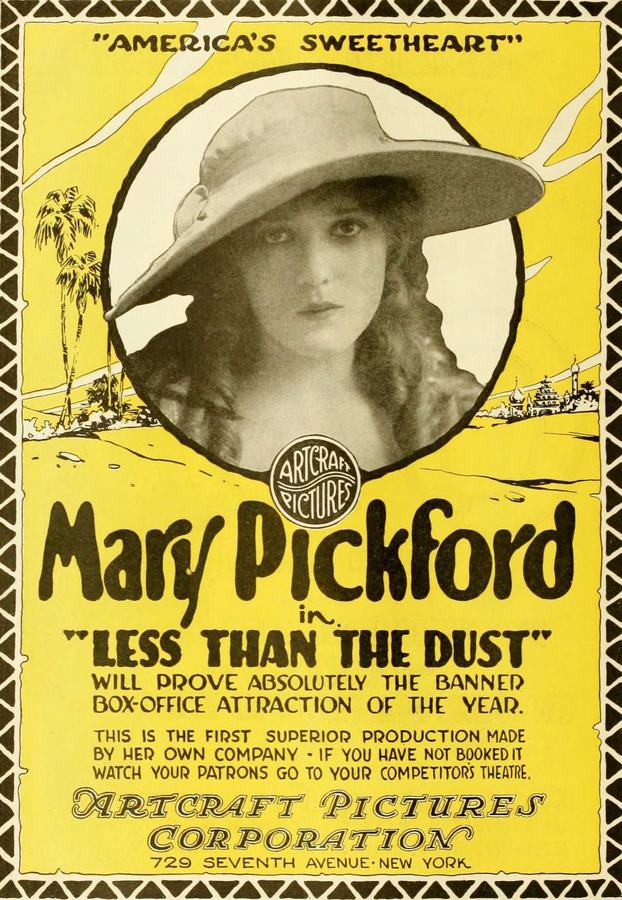
A definitive 5.8/10 rating for a film that redefined the boundaries of cult cinema. Less Than the Dust remains a cornerstone of transgressive art.
In the annals of early cinema, few figures shone with the incandescent brilliance of Mary Pickford. Her presence alone could elevate a production, transforming a simple narrative into a compelling exploration of human emotion. Such is the case with the 1916 drama, Less Than the Dust, a film that, even a century later, resonates with a surprising depth and complexity, particularly in its audacious tackling of themes like identity, cultural dislocation, and the enduring legacy of colonialism. It's a journey from the sun-drenched, exotic landscapes of India to the more rigid, perhaps colder, climes of England, all seen through the eyes of a young woman caught between two worlds.
Hector Turnbull’s screenplay, a work of considerable ambition for its time, takes a premise that could easily devolve into mere melodrama and imbues it with a certain gravitas. The story posits a poignant scenario: a little English girl, tragically orphaned and effectively abandoned in India, is taken under the wing of an Indian swordmaker. This is not a tale of simple adoption, but a profound immersion. She is raised not merely *in* India, but *as* Indian, absorbing the customs, the language, and the intricate artistry of her surrogate father's craft. This upbringing shapes her entirely, forging her character in a crucible of rich, unfamiliar traditions, far removed from the stiff-upper-lip sensibilities of her birthland. It’s a narrative choice that immediately sets Less Than the Dust apart from many of its contemporaries, which often painted foreign lands with broad, stereotypical strokes. Here, there's an attempt, however nascent, to explore the beauty and dignity of a culture often viewed through a colonial lens.
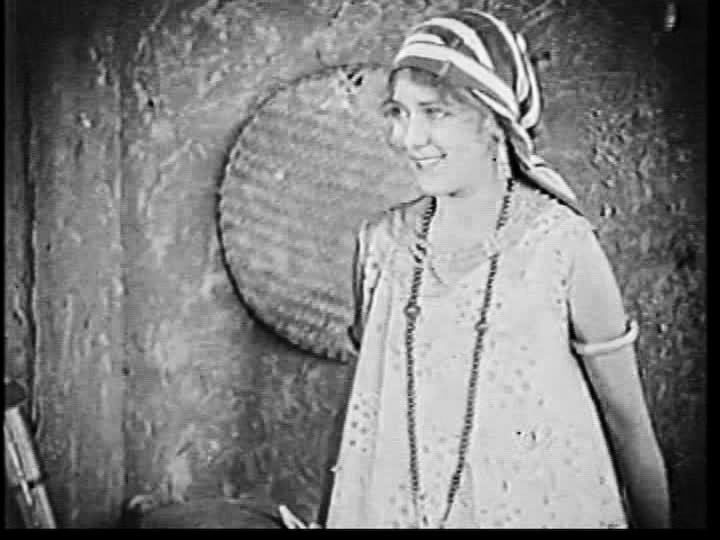
Mary Pickford, the undisputed 'America's Sweetheart,' delivers a performance here that transcends her often-charming, sometimes saccharine, persona. As Radha (her Indian name, an echo of Hindu mythology), she embodies a youthful vivacity tempered by an underlying strength. Her portrayal is a masterclass in silent acting, conveying a vast spectrum of emotions through subtle gestures, expressive eyes, and a physicality that speaks volumes. We witness her joyous childhood, her deep affection for her adoptive father, and the burgeoning confusion and curiosity that arise when whispers of her true parentage begin to surface. It’s a delicate balance, portraying a character who is culturally Indian but ethnically English, and Pickford navigates this tightrope walk with remarkable grace. Her internal conflict, the sense of being an outsider in both worlds, is palpable, making her eventual journey to England not just a physical relocation but an existential quest for self-definition.
The film truly begins to unfurl its thematic wings when Radha learns of her English lineage. This revelation shatters the comfortable reality she has known, forcing her to confront the profound implications of her dual heritage. The decision to return to England is fraught with emotional peril. It's an act of reclaiming a birthright, yes, but also a wrenching departure from the only home and family she has ever truly known. This internal struggle is where Pickford's genius truly shines. She doesn't just play a character seeking her inheritance; she portrays a soul grappling with the very essence of who she is, where she belongs, and what 'home' truly means. This depth of characterization elevates Less Than the Dust beyond a simple adventure story, situating it firmly within the realm of psychological drama.
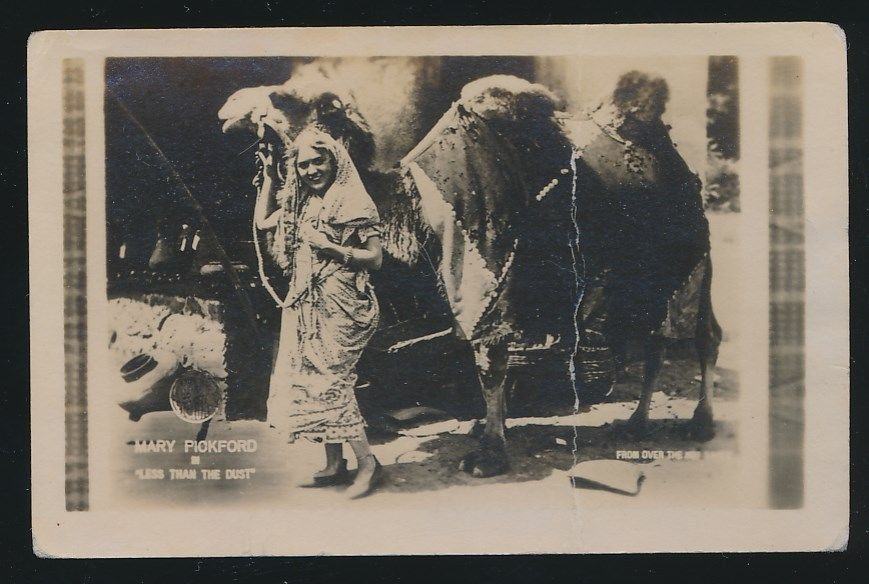
The film's depiction of India, while undoubtedly filtered through a Western lens, attempts a degree of authenticity that was rare for the period. The scenes set in the swordmaker’s workshop, the vibrant marketplace, and the general atmosphere of an Indian village are rendered with a visual richness, even in monochrome, that suggests a genuine effort to portray a living, breathing culture rather than just an exotic backdrop. This contrasts sharply with the England Radha encounters – a land of rigid social structures, unfamiliar customs, and an often-cold indifference that makes her feel more alien than she ever did in her adopted Indian home. This cultural clash is central to the film’s message, highlighting the arbitrary nature of 'belonging' and the often-painful process of assimilation. It’s a theme that resonates even today, in an increasingly globalized world where individuals frequently navigate multiple cultural identities.
The screenplay by Hector Turnbull thoughtfully explores these dichotomies. While not shying away from the romantic ideal of a lost princess reclaiming her throne (a common trope of the era, seen in films like Beverly of Graustark), Turnbull grounds the narrative in Radha's personal journey. Her 'birthright' is not just a title or an estate, but a deeper understanding of herself. The film subtly critiques the insularity of English society, which often struggles to accept someone who doesn't fit neatly into its predefined boxes. Radha's Indian upbringing, initially perceived as a handicap or an oddity, ultimately becomes her strength, equipping her with a unique perspective and an inner resilience that her English counterparts often lack. The contrast is stark and serves as a powerful commentary on the perceived superiority of one culture over another.
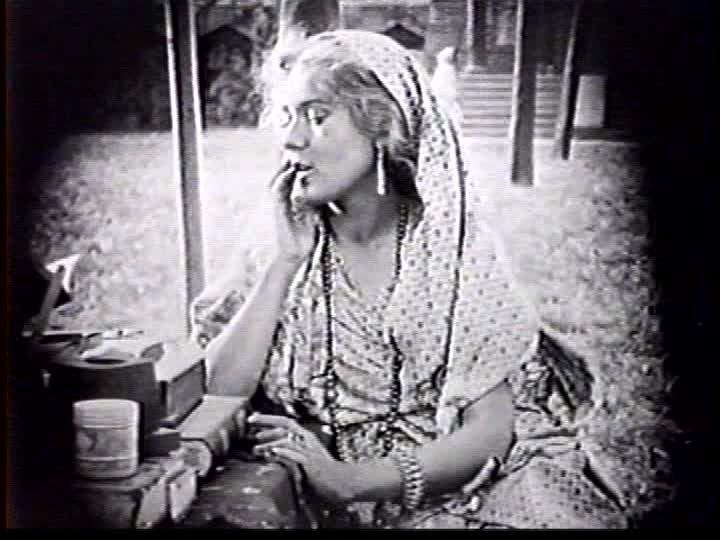
While Pickford undeniably carries the film, the supporting cast provides crucial anchors to her narrative. Cesare Gravina, as the wise and loving Indian swordmaker, brings a quiet dignity and paternal warmth to his role, making his bond with Radha entirely believable and deeply moving. His performance is a testament to the power of silent acting to convey profound emotional connection without a single spoken word. Frank Lackteen, often cast in villainous or exotic roles, here contributes to the rich tapestry of the Indian setting. On the English side, actors like Russell Bassett and Frank Losee portray the more conventional, often rigid, figures of English society, providing a stark contrast to the warmth and flexibility of Radha's Indian family. Their performances, while perhaps less flamboyant, are essential in establishing the social landscape Radha must navigate.
The direction, though uncredited for much of the early silent era, demonstrates a clear understanding of visual storytelling. The use of location shooting (or convincing sets) for the Indian sequences adds an air of authenticity, while the framing and pacing allow Pickford's nuanced performance to take center stage. The film avoids overly theatrical gestures, opting instead for a more naturalistic approach, which was progressive for its time. The visual language effectively communicates the emotional states of the characters, from the vibrant joy of Radha’s youth to the quiet despair of her dislocation. The tension between the two worlds is not just a plot device but is visually articulated through costuming, set design, and even the body language of the actors. One might draw parallels to the grand historical epics of the era, such as Cleopatra, in terms of ambition for setting and scope, though Less Than the Dust opts for a more intimate, character-driven journey.
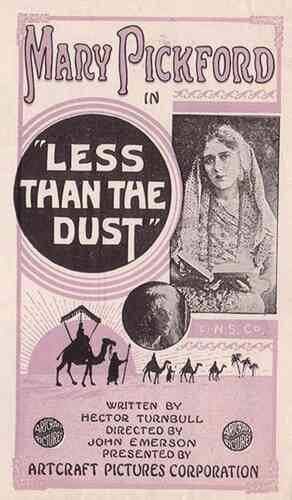
What truly solidifies Less Than the Dust as a noteworthy cinematic artifact is its enduring thematic relevance. The exploration of identity, belonging, and the clash of cultures remains as potent today as it was over a hundred years ago. It prompts us to consider how our upbringing shapes us, how our origins define (or fail to define) our future, and the often-complex relationship between personal history and societal expectations. Much like the protagonist in Mortmain might fight for a legal inheritance, Radha fights for a spiritual one, a right to define herself on her own terms. The film subtly questions the very nature of 'civilization' and 'barbarism,' suggesting that true refinement lies not in one's place of birth or social standing, but in one's character and capacity for love and understanding.
Hector Turnbull’s narrative construction, while adhering to certain conventions of the time, allows for a surprising degree of nuance. It doesn't present a simplistic good-versus-evil dichotomy, but rather a more complex interplay of cultural values and individual desires. The film’s resolution, without giving too much away, strives for a sense of reconciliation, not just between Radha and her English heritage, but within herself. It suggests that identity is not a fixed, immutable thing, but a fluid construct shaped by experience, love, and self-acceptance. In this regard, it stands as a precursor to many later films that would delve into similar themes of cultural integration and self-discovery.
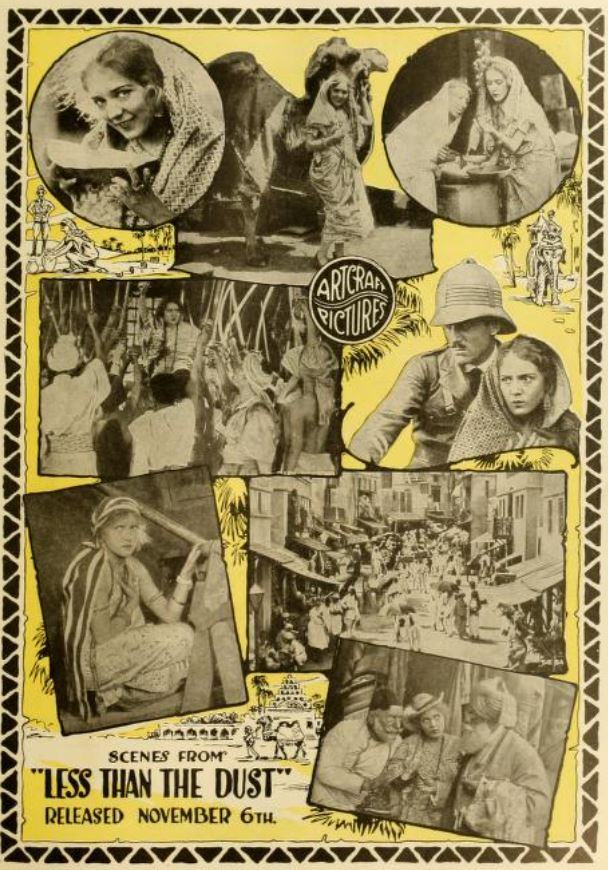
For cinephiles and historians alike, Less Than the Dust offers a valuable glimpse into the capabilities of silent cinema to tackle complex social issues with sensitivity and dramatic force. It’s more than just a vehicle for its star; it’s a thoughtfully constructed narrative that uses its exotic setting to explore universal human truths. Mary Pickford's performance is, of course, the radiant core, but the film's lasting impact stems from its willingness to delve into the often-uncomfortable questions of who we are when stripped of our familiar surroundings, and how we forge a sense of self in a world that constantly tries to define us. It is, indeed, a testament to the enduring power of storytelling, transcending the limitations of its era to deliver a message that remains profoundly relevant.
In an age dominated by spectacle, Less Than the Dust reminds us of the quiet power of human drama. It’s a film that, despite its antiquity, refuses to be relegated to the dustbin of history. Instead, it stands as a vibrant, poignant reminder of cinema’s early capacity to mirror and interrogate the human condition, offering a compelling narrative that continues to provoke thought and stir emotion. A true gem from the golden age of silent film, it deserves rediscovery and appreciation for its bold vision and timeless message.
IMDb 6.3
1929
Community
Log in to comment.