DbcultAccessing Vault...
Cult Review
Senior Film Conservator
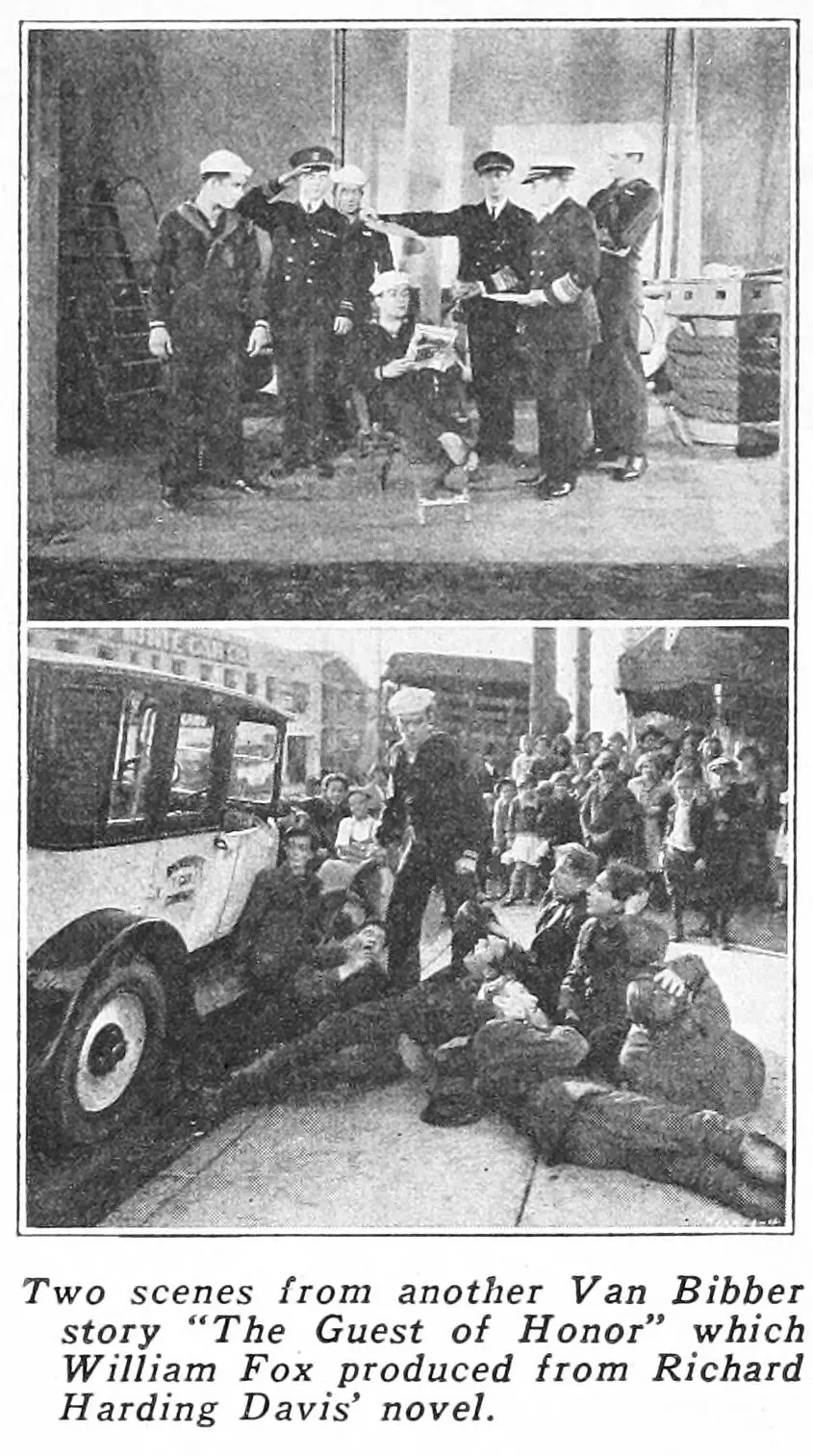
Is 'The Guest of Honor' a silent film worth seeking out in today's crowded cinematic landscape? Short answer: yes, but with significant caveats that demand a specific kind of viewer. This film is an absolute must-see for ardent silent film aficionados, film historians, and those with a deep appreciation for the foundational narrative structures of early cinema. Conversely, it will likely test the patience of casual viewers accustomed to modern pacing, intricate plotting, and sound design; it’s simply not for everyone.
For those who understand the language of the silent screen, however, 'The Guest of Honor' offers a fascinating glimpse into the nascent art of cinematic storytelling, propelled by performances that, while constrained by the era's conventions, often transcend them. It works. But it’s flawed, as many early films are, a product of its time that occasionally struggles to communicate its full emotional weight without the benefit of sound.
This film works because of its surprisingly effective character studies, particularly Gilbert's nuanced portrayal of a woman under pressure, and its clear, albeit straightforward, narrative arc. Its historical value alone, as a piece of work from the prolific Richard Harding Davis, solidifies its importance. This film fails because its pacing can feel glacial to contemporary eyes, and some of its dramatic beats, while potent for 1919, now lean heavily into melodrama without the necessary build-up modern audiences expect. You should watch it if you are genuinely curious about the evolution of film, appreciate the expressive power of silent acting, or simply want to experience a pivotal moment in the careers of its stars.
'The Guest of Honor,' with a screenplay credited to the acclaimed Richard Harding Davis, presents a narrative that, while simple by today's standards, was likely compelling for audiences of its time. The film masterfully establishes a sense of anticipation around the arrival of Earle Foxe's character, the eponymous guest. This initial setup is crucial, as it lays the groundwork for the quiet tension that permeates the entire picture. Davis, known for his adventurous tales and keen understanding of human nature, crafts a scenario where social decorum clashes with personal revelations, a theme that resonates even in this early cinematic form.
The plot, revolving around a high-society event disrupted by the guest's presence, relies heavily on implication and visual cues rather than explicit dialogue. We witness Florence Gilbert's character, perhaps a hostess or a young woman with a delicate secret, navigate the treacherous waters of polite society. Her subtle shifts in posture, her averted glances, and the barely perceptible tremor in her hands during the ballroom sequence all speak volumes. It's a testament to Davis's ability to structure a story that allows for such visual interpretation, even if some of the finer points are lost to time or the limitations of the medium.
What truly distinguishes 'The Guest of Honor' in its narrative approach is its commitment to the slow burn. Unlike more overtly dramatic silent films such as The Avalanche (1919), which relies on grand gestures and rapid-fire revelations, this film takes its time. It lingers on faces, on reactions, allowing the audience to piece together the underlying drama through close observation. This deliberate pacing can be both a strength and a weakness, depending on the viewer's expectations. For those willing to engage with its measured rhythm, the film rewards with a deeper understanding of its characters' internal struggles.
The dramatic core often feels surprisingly contemporary, despite the archaic trappings. The anxieties of reputation, the burden of past mistakes, and the facade of social grace are universal themes. While the execution might feel quaint, the emotional undercurrents are anything but. Davis’s script, even in its silent manifestation, hints at a psychological depth that elevates it beyond mere melodrama. It suggests that even in a world without spoken words, the weight of a secret can be profoundly felt.
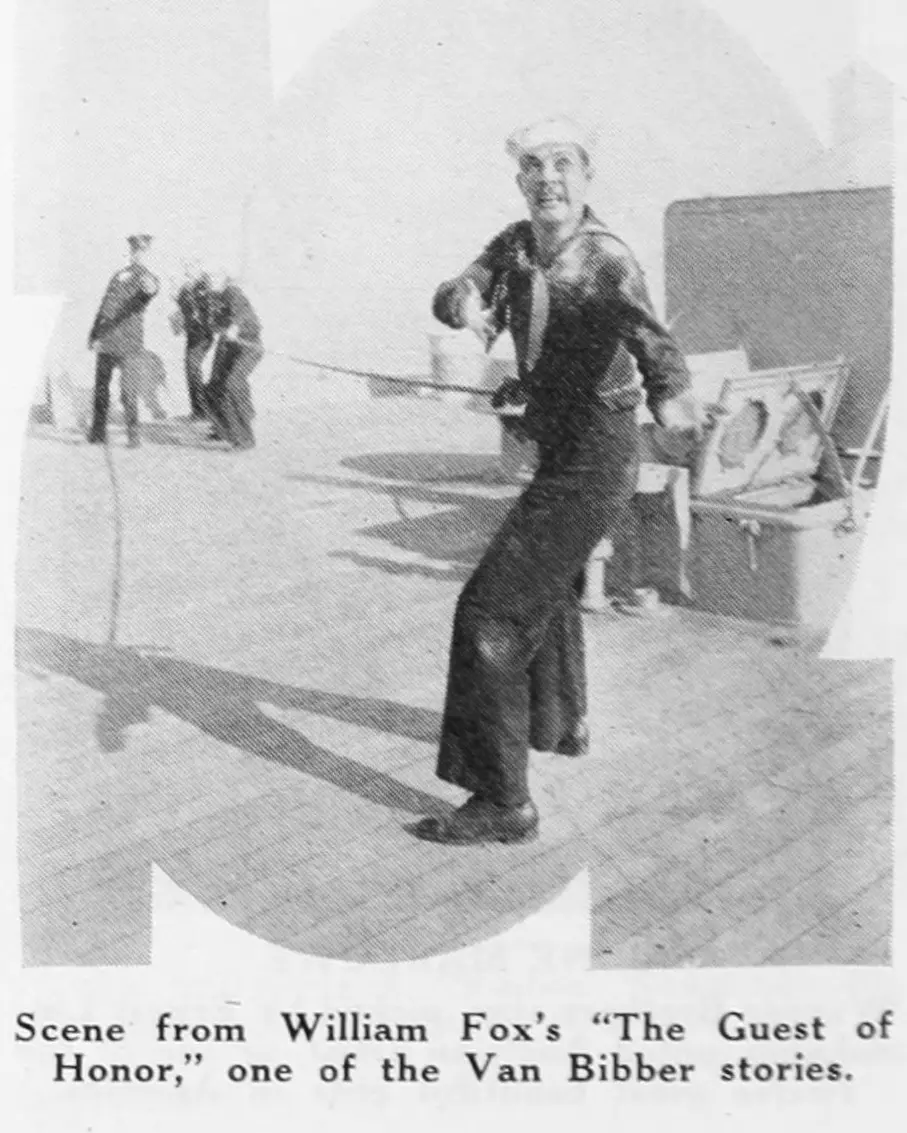
The performances in 'The Guest of Honor' are, for many, the primary draw, offering a window into the acting styles prevalent in early cinema. Florence Gilbert, a prominent figure of the era, delivers a performance that is both restrained and remarkably expressive. Her face, often framed in medium close-ups, becomes a canvas for unspoken emotions. During a particularly tense dinner scene, her eyes, wide with a mixture of fear and defiance, convey more than any intertitle could. It’s a masterclass in silent film acting, relying on gestures, facial contortions, and body language to communicate complex inner states.
Gilbert’s ability to shift from poised elegance to palpable vulnerability is striking. There's a moment when she receives a note – a simple piece of paper – and her entire demeanor changes, a subtle slump of the shoulders, a fleeting shadow across her features, suggesting an immediate and profound impact. This kind of understated power is often overlooked in discussions of silent film, which are frequently caricatured as overly theatrical. Gilbert proves that subtlety was absolutely achievable.
Earle Foxe, as the titular guest, brings a commanding yet enigmatic presence to the screen. His character is not overtly villainous, nor is he purely heroic; he exists in a morally ambiguous space, which is refreshing for the period. Foxe’s stillness, his measured movements, and the intensity of his gaze often make him the focal point of any scene he inhabits. In a crucial confrontation, his slight, almost imperceptible nod carries the weight of an accusation, a silent judgment that reverberates through the narrative. His performance avoids the broad, pantomime style sometimes associated with the era, opting instead for a more internalized portrayal that hints at deeper motives.
The chemistry between Gilbert and Foxe, though largely non-verbal, is palpable. Their interactions are charged with an unspoken history, a tension that is expertly built through sustained glances and careful staging. It speaks to the skill of these early performers that they could convey such intricate relationships without the aid of dialogue. Their work here offers a valuable lesson in the power of visual storytelling, demonstrating that true acting transcends the need for spoken words. It’s a shame more people don't seek out these kinds of performances, as they offer a unique perspective on the craft of acting itself.
While 'The Guest of Honor' may not boast the grand scale of later epics, its direction and cinematography are surprisingly thoughtful for a film of its vintage. The filmmakers, working within the constraints of early 20th-century technology, demonstrate a clear understanding of how to use the camera to tell a story. The use of natural light, particularly in the interior scenes, creates a soft, almost ethereal glow that adds to the film's refined atmosphere. There's a particular shot of Gilbert gazing out of a window, bathed in a gentle light, that is remarkably poetic and visually arresting.
The framing is often deliberate, placing characters within their environment in ways that emphasize their social standing or their emotional isolation. Wide shots establish the grandeur of the social settings, contrasting with tighter close-ups that magnify the characters' internal struggles. The editing, while not rapid-fire, is effective in guiding the viewer's attention, using cuts to reveal reactions or shift perspectives at crucial moments. It’s a quiet mastery, far from the bombastic techniques that would define some later silent films, but effective nonetheless.
Intertitles, the text cards used to convey dialogue or narration, are integrated with a degree of finesse. They don't overwhelm the visual narrative but rather complement it, providing just enough information to keep the plot moving without disrupting the flow. In fact, one could argue that the sparse use of intertitles in 'The Guest of Honor' forces the viewer to pay closer attention to the visual storytelling, an exercise that can be incredibly rewarding. This film, alongside others of its time like You Can't Believe Everything, showcases a period where filmmakers were truly experimenting with visual language, finding ways to evoke complex emotions and narratives without a single spoken word.
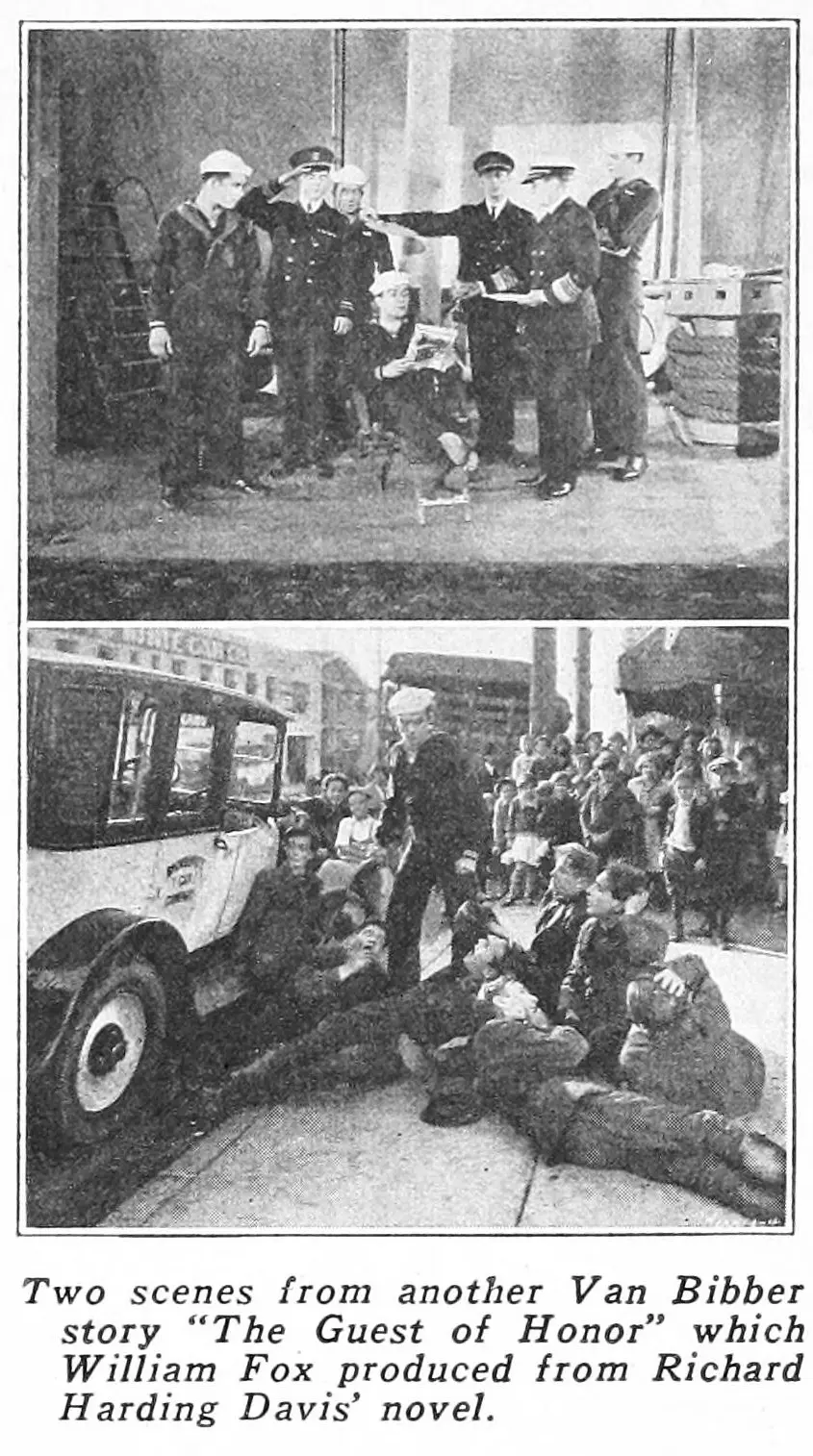
My unconventional observation here is that the film's apparent simplicity in direction actually elevates its emotional impact. By not overtly manipulating the viewer with complex camera movements or elaborate sets, it forces a more intimate engagement with the characters and their plight. The lack of overt directorial flourishes ensures that the performances and the narrative take center stage, a choice that feels both brave and remarkably confident for its time. It’s a film that trusts its audience to interpret, to feel, rather than to be led by the hand.
The pacing of 'The Guest of Honor' is perhaps its most challenging aspect for modern audiences. It operates on a different temporal rhythm, one where scenes unfold gradually, allowing moments to breathe and emotions to slowly register. This isn't the rapid-cut, high-octane narrative we've grown accustomed to. It's a film that demands patience, a willingness to slow down and immerse oneself in its historical context. For those uninitiated in silent cinema, this deliberate pace can feel frustratingly slow, almost static.
However, for those attuned to the rhythm of early film, this pacing becomes a strength. It allows for a deeper appreciation of the subtle nuances in performance and the meticulously composed frames. The tone is predominantly one of refined drama, tinged with suspense and a touch of melancholy. There’s an underlying sense of dread that pervades the social gathering, an unspoken threat that looms over Gilbert’s character, creating a taut emotional landscape.
Does it hold up? In many ways, yes. The core themes of reputation, societal pressure, and personal integrity are timeless. What has dated are the conventions of silent film itself: the reliance on intertitles, the absence of synchronized sound, and the sometimes exaggerated expressions that were necessary to convey emotion without dialogue. Yet, these very elements are what make 'The Guest of Honor' a valuable historical document and a unique viewing experience. It forces us to reconsider our own cinematic prejudices and appreciate the artistry that existed before the advent of talkies.
Comparing it to a contemporary release like Morals for Men, released around the same period, highlights the subtle differences in narrative focus. While both explore societal norms, 'The Guest of Honor' feels more contained, more focused on the internal struggles of its central figures rather than broader social commentary. This narrower scope allows for a deeper dive into character psychology, a feat not easily achieved in the silent medium.
Yes, 'The Guest of Honor' is worth watching today if you are a dedicated silent film enthusiast or a student of film history. It provides a crucial window into early narrative techniques and performance styles. However, for the average viewer seeking modern entertainment, its slow pacing and lack of sound will be a significant hurdle. It is a historical artifact with artistic merit, not a casual watch. Its value lies in its contribution to cinematic evolution and its demonstration of early acting prowess.
'The Guest of Honor' is more than just a relic; it's a testament to the foundational artistry of silent cinema. While it undoubtedly demands a specific kind of engagement, its rewards are considerable for those willing to meet it on its own terms. Florence Gilbert’s performance alone is reason enough to seek it out, offering a masterclass in non-verbal communication that few contemporary actors could replicate. It’s a film that whispers its story, rather than shouts it, inviting a contemplative viewing experience that is increasingly rare in our fast-paced world.
My final stance is unwavering: this film is essential for understanding where cinema began and how much could be conveyed with so little. It may not provide the instant gratification of a blockbuster, nor the intricate plotting of modern dramas, but it offers something arguably more profound: a direct connection to the roots of an art form still finding its voice. It’s a quiet triumph, a film that, despite its age, still has lessons to impart about storytelling, human emotion, and the enduring power of the cinematic image. For those who dismiss it as merely 'old,' they miss the very soul of film history. It’s a piece of history that still breathes, still compels, and still deserves to be seen, even if only by a discerning few.
IMDb —
1914
Community
Log in to comment.