DbcultAccessing Vault...
Cult Review
Senior Film Conservator
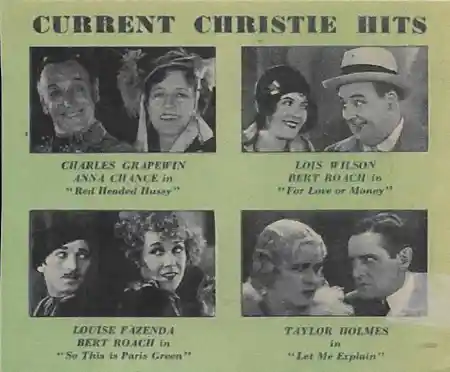
Alright, let's talk about Let Me Explain from 1930. Is it worth watching today? Honestly, for most folks, probably not. This one is a real deep dive into early cinema, and it moves at a pace that modern audiences just aren't used to. It's a specific taste.
If you're a film history buff, or someone really into the transition from silent to sound, then yes, absolutely give it a look. You'll probably hate it if you expect anything resembling today's slick productions, fast edits, or subtle performances. This is very much a product of its time, and you need to go in with that mindset. It’s like watching a home movie from a great-grandparent, really.
The premise is simple enough: someone needs to explain something, and everyone else is just getting it wrong. I mean, the title doesn't lie. It mostly feels like a parlor play that someone decided to film, with the camera usually just parked in one spot. You get these long takes, almost static, as characters walk in and out of the frame.
You can really feel the era's technical limitations. The sound, oh boy, the sound! It’s often muddy, with background hums you almost learn to tune out. Sometimes a line just gets lost, swallowed by the microphone or a sudden shift in volume. It’s quaint, but also a bit of a workout for your ears. You really gotta lean in.
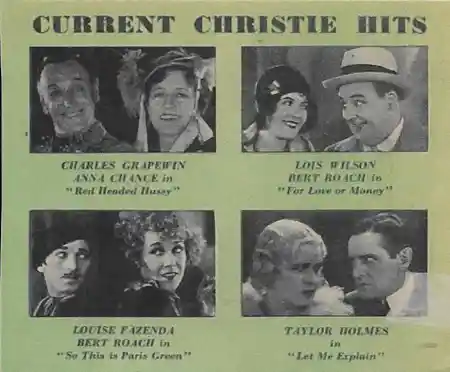
Taylor Holmes, who I remember from a few other early talkies, plays the central figure here, the one probably doing most of the 'explaining.' He has this very theatrical way of delivering lines, almost like he’s still playing to the back row of a stage. You can tell actors were still figuring out how to act for a microphone, not just an audience.
There's a moment, maybe twenty minutes in, where Vivien Oakland is just standing there, hands clasped, listening to a monologue. Her eyes dart around a little, almost like she's waiting for her cue rather than reacting organically. It's not bad acting, just a different style, a bit stiff, like she's thinking about her lines. It’s fascinating, in a way, to see that process unfold on screen.
John T. Murray, he's the one who often gets the short end of the stick in these misunderstandings. He has a few scenes where he’s just bewildered, and you can almost feel him straining to deliver his dialogue with the right amount of exasperation without moving too far from the mic. The camera doesn't really cut away. It just *lingers*.
The sets are what you'd expect: mostly interior, fairly simple. A living room, maybe an office. You don't get a lot of wide shots. It's almost claustrophobic sometimes, especially when two or three people are crammed into a frame, all trying to hit their marks for sound. The whole thing feels very contained. 🏠
Pacing is another thing. It's slow. I mean, glacier slow by today’s standards. A scene might involve someone walking across a room, sitting down, clearing their throat, and then finally speaking. And it all just happens in real time, with no quick cuts to keep things moving. It's a different rhythm, for sure. You're not going to be on the edge of your seat.
There's a bit where Holmes tries to interrupt Oakland, but she just keeps talking, completely oblivious. It goes on for a bit longer than you’d think, making you wonder if it was intentional or just a timing issue from the era. It felt oddly real in its awkwardness, actually.
I kept thinking about the sheer audacity of making these films back then. The technology was so new, so unwieldy. Let Me Explain is less about the grand story and more about the simple fact that they *could* make a movie with sound. It's a document of that early struggle, those early victories.
Is it a masterpiece? No, not really. Is it an important piece of cinematic history? Absolutely. It’s a quiet, sometimes clunky, sometimes charming little film. It won't change your life, but it might just give you a new appreciation for how far we've come. Just don't expect a thrilling ride. It's more of a gentle, slightly dusty stroll down memory lane. 🚶♀️🎬

IMDb —
1927
Community
Log in to comment.