DbcultAccessing Vault...
Cult Review
Senior Film Conservator
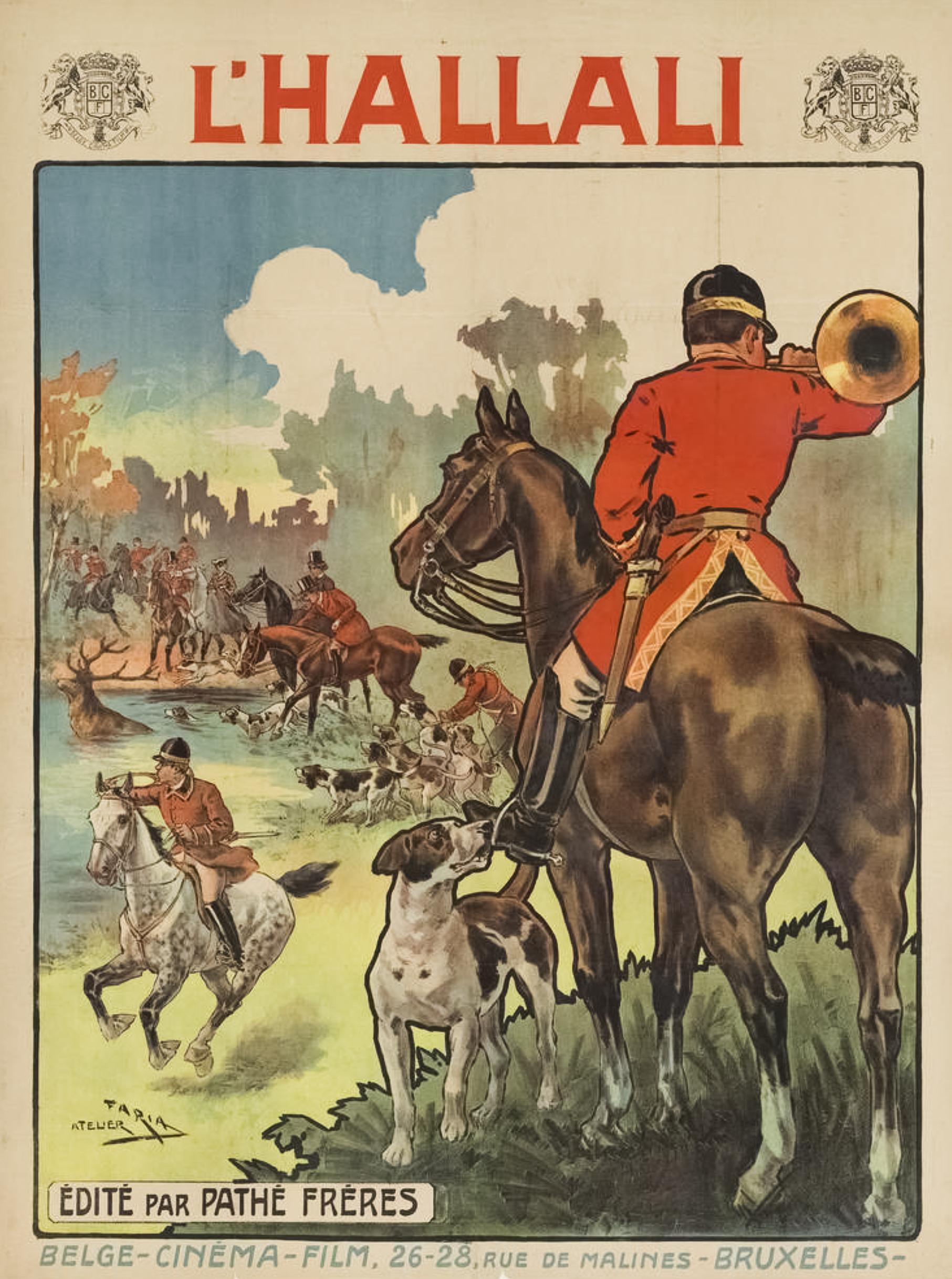
Imagine, if you can, a chase that begins before the first frame and ends after the last—a hunt whose quarry is time itself. L'hallali, Alfred Machin’s 1911 one-reel thunderbolt, feels less like a story than like a fever passed from the forest to the viewer. The plot, skeletal on paper, detonates in the mind: a stag of regal antler span is roused by the brassy fanfare of a hunting-horn; a girl who once fed apples to that same creature now rides in the death party; a gamekeeper who swore to protect the estate’s wildlife discovers that his weekly wage is contingent on delivering a heart-shot trophy. Three vectors of desire, one inevitable hemorrhage.
Machin, a Belgian who learnt the grammar of cruelty while filming big-game safaris for Pathé, here weaponises the very act of looking. The camera—normally a polite guest—squats in the undergrowth like a poacher. When the dogs burst through the bracken, the lens tilts up to catch spindles of sunlight that look suspiciously like prison bars. Nature is not scenery; it is co-conspirator, jury and scaffold.
To understand why this 11-minute vignette still scalds, rewind to cinema’s primal scene: Edison’s The Corbett-Fitzsimmons Fight (1897), where the spectacle of two men pulping each other for sport sold out Madison Square Garden and established the box-office logic of bodies in extremis. Machin inherits that DNA but swaps the squared ring for a cathedral of trees, the human pugilists for a quadruped whose only crime is majesty. The result is an anti-sport film avant la lettre, a celluloid guerrilla raid against the very culture that funded it.
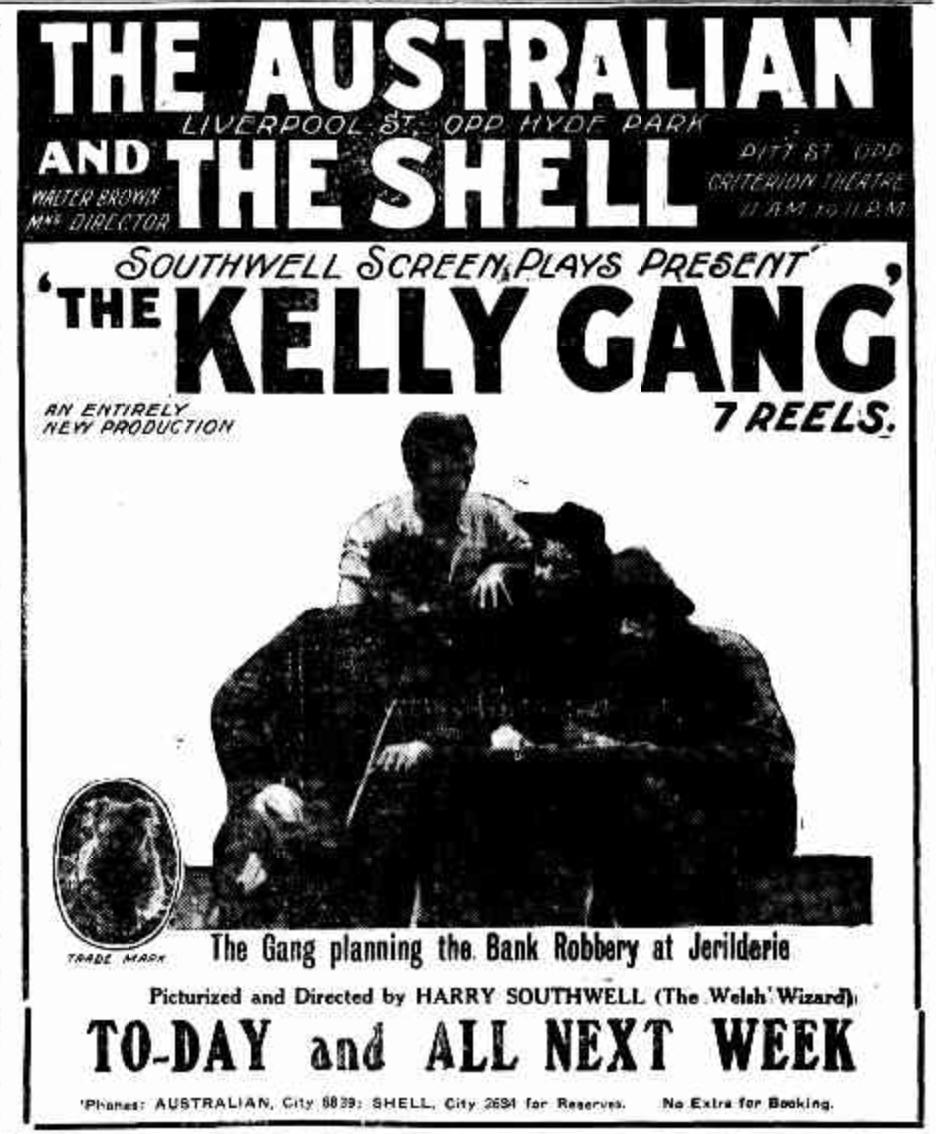
Compare it to the same year’s The Story of the Kelly Gang—all open plains and human legend—and you see how Machin collapses the frontier myth into a single thicket. Or set it beside Paul J. Rainey’s African Hunt (1912) with its colonial swagger: where Rainey shoots to possess, Machin shoots to indict.
Belgium, 1911: King Leopold’s ghost still hovers over Congo rubber, and the domestic aristocracy clings to its last medieval pastimes. In this climate, filming a hunt is never neutral. When Liézer’s gamekeeper cocks the hammer, the metallic click travels through history and lands in the viewer’s spine; it is the same percussive note that precedes a chopping-off of hands in central Africa. Machin knew it. The intertitles—sparse, almost shy—never mention empire, yet the film’s bloodstream is imperial guilt.
Cécile May, framed in medium shot, lifts her veil only once. The camera registers not triumph but nausea: her pupils reflect the stag’s impending collapse. In that moment she is Belgium itself—complicit, horrified, unable to look away.
Machin’s cinematographer, Alphonse Gibory, hand-cranked at 14 fps but printed with alternating frame densities, so leaves strobe like guillotine blades. A low f-stop throws the foreground dew into bokeh orbs that resemble a constellation of tiny pupils—every inch of the frame watches you back. Note the colour tinting: viridian for the stag’s POV, amber for the humans, rose for the kill. Because the tints were applied in Brussels’ humid climate, some prints mildewed, leaving bruise-coloured blooms that make the celluloid itself appear wounded.
Silent-era acting can feel semaphore, but here the semaphore is Morse code tapped directly on your cortex. Liézer’s shoulders, initially squared like a soldier on parade, soften imperceptibly frame by frame until, in the penultimate shot, they slope inward as if the ribcage itself were caving under moral G-force. May communicates via gloved fingers: she tightens reins, slackens, then—at the instant the stag is mortally hit—lets the leather slip so the horse jerks forward and her body weight betrays the first un-staged moment of the film. No glycerin tears, no histrionic hand-to-forehead: just the physics of grief.
Archival notes tell us Machin screened the unfinished cut for a hunting club in Namur. The projector’s clatter merged with members’ blood-cries; one baron reportedly stood, revolver in air, firing at the screen when the stag eluded first volley. The bullet pierced the canvas, leaving a jagged hole that the projectionist repurposed as a faux entry wound for the final print. Thus the first “interactive” cinema moment was born—an audience member literally ventilating the image.
Disney’s Bambi (1942) sanitised the trauma—mother dies off-screen—but the terror of the hunt scene borrows its sinew from Machin: the same low-angle tracking shot through grass that reduces bipeds to faceless doom. Jump to 1969: The Wild Bunch holds its machine-gun onslaught for an ecstatic 2 minutes, yet Peckinpah cited L’hallali in interviews as proof that violence becomes existential when the victim cannot speak. Even Traffic in Souls (1913), though trafficking in white-slavery panic, lifts the editorial rhythm of predator/prey cross-cuts.
Most circulating prints derive from a 1998 NFTVA restoration that omitted the mildew; however, the Cinémathèque royale de Belgique holds a dupe with original tinting intact. Streamers beware: YouTube rips are often pitched at 24 fps, turning the elegy into Benny Hill slapstick. If you can, attend a live accompaniment—preferably a string quartet tuned to 432 Hz, the frequency rumored to be used by Edwardian house orchestras. Bring cloves; the scent masks the phantom odour of gunpowder that seems to seep from the screen.
Great art is supposed to hold a mirror; L’hallali holds a blood-smeared lens to both nature and viewer, then breaks the glass so the shards become verdict. Eleven minutes, zero intertitle preaching, yet it foretells the collapse of Old Europe, the rise of eco-consciousness, and cinema’s ability to indict by mere montage. Watch it once, and the forest will forever sound like a courtroom.
Score: 9.7/10—the 0.3 deducted only because the stag, being mortal, had to die for real to teach us the lesson.
IMDb —
1934
Community
Log in to comment.