DbcultAccessing Vault...
6.6/10
Senior Film Conservator
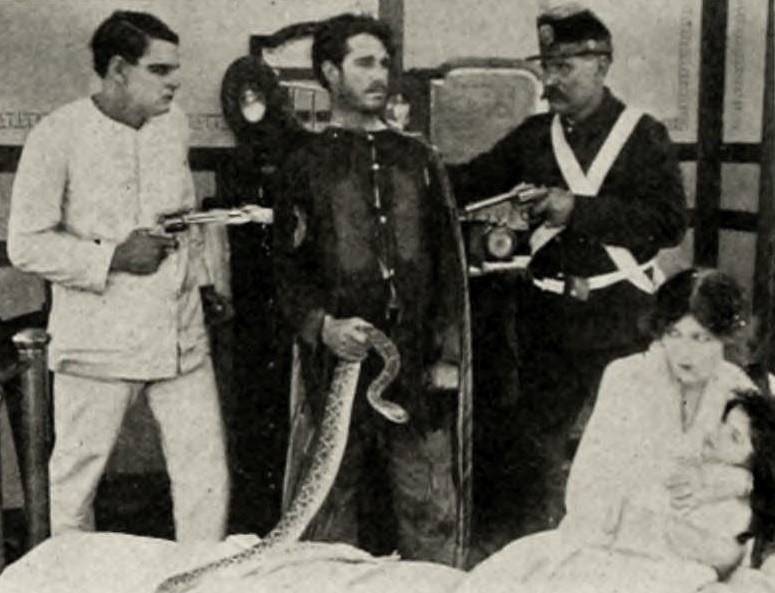
A definitive 6.6/10 rating for a film that redefined the boundaries of cult cinema. The Rattlesnake remains a cornerstone of transgressive art.
A sun-scorched parable of gratitude curdled into venomous vendetta, The Rattlesnake slithers across the nickelodeon screen with the fatal elegance of a coiled muscle ready to strike.
Imagine a landscape bleached to the color of bone, a frontier where love is currency so scarce it turns men into misers of memory. Into this arid theatre strides our unnamed protagonist—call him Cain in a collarless shirt—whose heart has already been flayed by the thief of affection. Fate, wearing reptilian scales, intervenes: a sidewander rattler flicks its tongue against his dehydrated lips, an uncouth kiss of life. The man wakes, repays the debt by adopting the serpent as both house pet and moral ledger, and promptly weaponizes the creature against the usurper who now shares his former lover’s pillow.
Fielding’s camera—static yet somehow predatory—lingers on the snake’s slow glide across rumpled sheets, turning a mundane bed into an altar of potential infanticide.
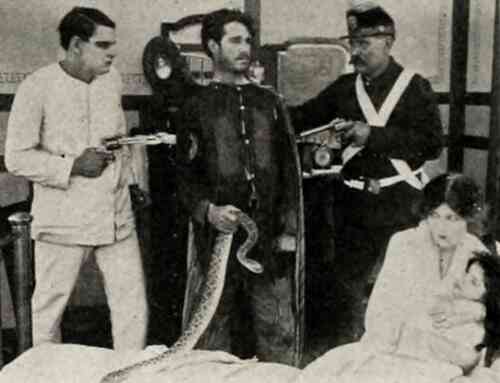
But cinema, even at twelve cents a ticket, insists on conscience. When the child—golden curls like wheat in moonlight—tumbles into the trap, the narrative pivots on a single heartbeat. The man’s face, previously carved from petrified spite, melts into a Pietà of panic; he snatches the child, recoils the snake, and in that instant purchases a sliver of salvation priced at the cost of his own future peace.
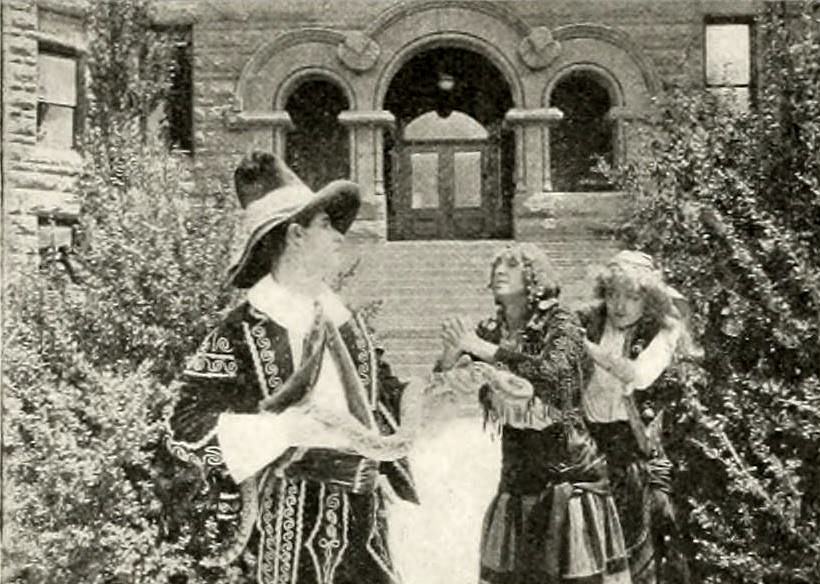
Technically, the film is a mongrel of contradictions: chiaroscuro interiors swallowed by nitrate grain, daylight exteriors so overexposed they resemble white-hot parchment. Yet these flaws congeal into a primitive fever dream. The sidewinder, a living special effect, performs with Method-actor commitment—its rattle a percussive metronome counting down to doom.
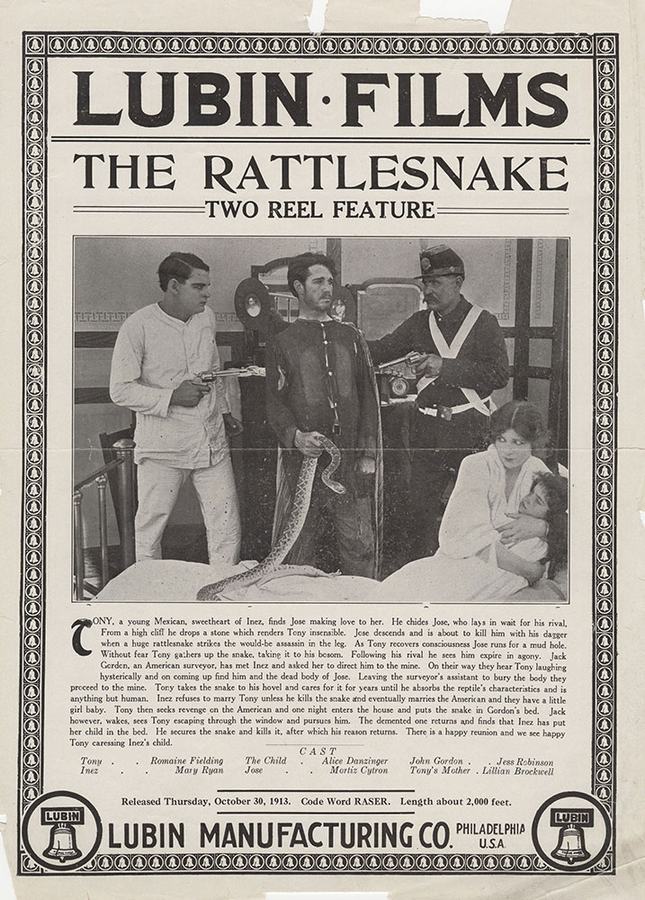
Performances oscillate between barn-stomping melodrama and proto-naturalistic stillness. Romaine Fielding, triple-hatting as director, writer, and wounded male lead, channels a silent howl; Mary Ryan’s fleeting presence as the lost sweetheart is a daguerreotype of regret; little Maurice Cytron, playing the imperiled girl, achieves what few child actors manage—she erases the lens, demanding rescue not merely from characters but from the audience itself.
Compare it to the moral absolutes of From the Manger to the Cross or the blood-sport pageantry of The Corbett-Fitzsimmons Fight, and The Rattlesnake feels shockingly modern: a psychological western sans guns, a horror fable where the monster is merely the protagonist’s mirrored id.
At a trim quarter-hour, the picture condenses the arc of Greek tragedy into a hiccup of celluloid, proving that brevity can brand the psyche deeper than three-hour epics.
Contemporary viewers may scoff at the staginess, yet the film’s ethical whiplash anticipates Hitchcock’s Sabotage and Lynch’s Blue Velvet: the home as booby-trapped sanctuary, innocence as collateral damage, love as the original snakebite. The final tableau—man, child, and serpent frozen in tableau beneath a kerosene lamp—glows like a triptych from some desert church of ambiguous grace.
Restorationists at the Eye Filmmuseum recently unearthed a 35mm Dutch print, its tints of sulfur-yellow and bruise-blue reviving the feverish palette. Accompanied by a newly commissioned rattlesnake-rattle score—part percussion, part atonal moan—the experience vibrates in the sternum like distant thunder.
So, does The Rattlesnake still bite? Absolutely. Its venom is existential: the recognition that we are all one gratitude away from becoming assassins, one heartbeat away from redemption. Watch it, then spend the rest of the night listening for phantom rattles beneath your own sheets.
Verdict: A blistering miniature of Americana gothic, as morally itchy today as in 1913. Let it coil around your cortex; the fangs leave no visible wound, yet the ache lingers for years.
IMDb —
1917
Community
Log in to comment.