DbcultAccessing Vault...
Cult Review
Senior Film Conservator
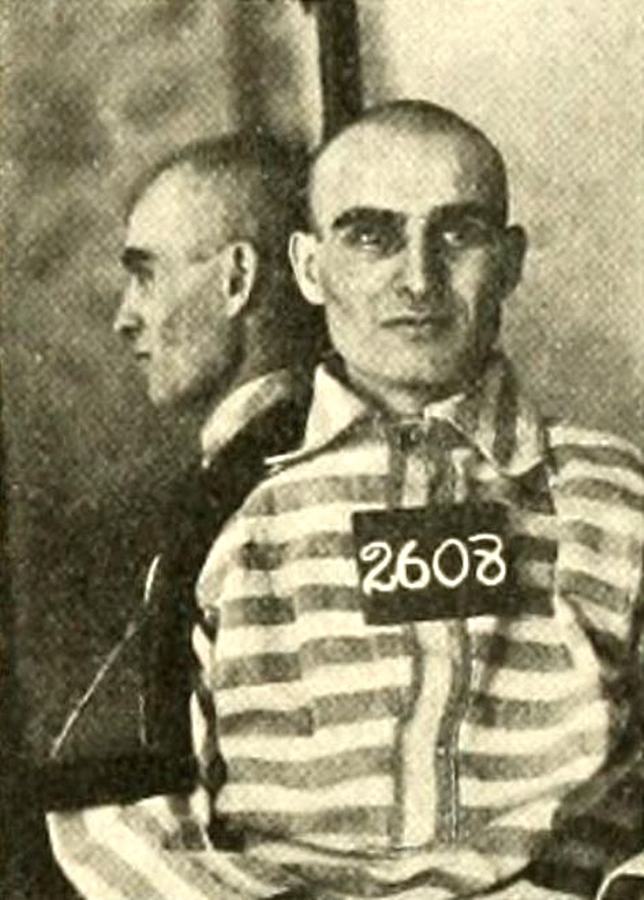
The first image is a dolly shot that refuses the expected establishing sweep. Instead of grandeur we get granularity: a single black scorpion traversing the sally port, moonlit adobe flakes drifting like desiccated snow. That microscopic attention to entropy sets the tonal register for Life in a Western Penitentiary, a documentary whose historical excavation feels closer to forensic poetry than to Ken Burns pastoralism. Director-cinematographer L. M. Caldera keeps the aperture wide, letting desert phosphorescence leak into the prison’s stone arteries until carceral time feels porous, reversible.
Yuma Territorial Prison opened in 1875—eleven years after Arizona became a territory, three before the invention of the electric light. Its “country club of the Colorado” nickname was bitter gallows humor; 111 inmates died inside, several from tuberculosis nicknamed “the slow rope.” Caldera does not recite these facts; he evokes them through negative space. A five-minute static take of Cell Block #3 shows only a rusted hinge, but sound designer Xochitl Ríos layers the distant echo of 19th-century coughs, the squeak of a turnkey’s boots, the hush of tallow candles. The result is hauntological cinema: history as reverb rather than reenactment.
Scholars of visual penology often compare prison iconography to medieval triptychs—condemned center, flanking saints of law and order. Caldera sabotages that symmetry. He shoots the cellblocks at Dutch angles, warping the limestone into trapezoids that recall German Expressionism more than frontier photography. The palette alternates between two temperatures: the molten gold of high noon and the cerulean chill of night, suggesting the prison itself suffers thermic shock. Viewers versed in The Crime of the Camora will notice a similar chiaroscuro, though that 1912 melodrama used Naples alleyways, not Sonoran dust.
Where the film truly departs from genre precedent is its refusal of the body. We never see an inmate’s flesh flogged; scars are implied through architecture. A shot of the “snitch hole”—a vent where guards eavesdropped—lingers until the iron lattice resembles a suppurating wound. The absence of corporeal suffering paradoxically intensifies empathy; viewers fill the frame with their own catalog of bruises, a phenomenological tactic reminiscent of Behind the Scenes (1914), where off-screen violence bled louder than on-screen blows.
The documentary’s argumentative spine is a single artifact: an 1890s leather-bound punishment ledger whose ink has oxidized to the color of dried blood. Caldera’s macro lens caresses each pen stroke until the calligraphy feels sculptural. When the superintendent writes “solitary for insolent gaze,” the phrase hovers onscreen, then dissolves into present-day surveillance footage of a Yuma middle-school detention room. The montage is wordless yet thunderous: it posits that penological language migrates across centuries, finding new bureaucratic hosts.
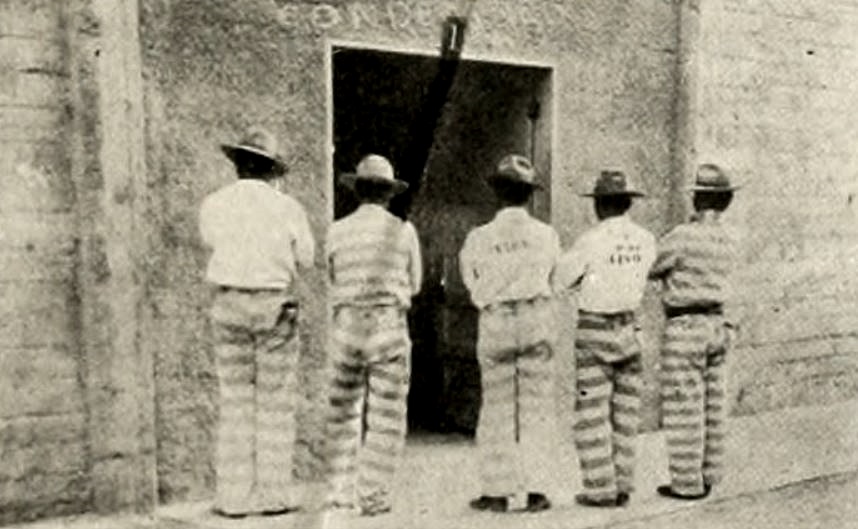
Archival intervention reaches its apotheosis in a deceptively simple sequence. Caldera overlays a 1901 photograph of an inmate band—yes, Yuma had a twenty-piece orchestra—onto contemporary audio of the Quechan tribal youth drum group. The two rhythms syncopate, dissonant yet harmonic, a sonic metaphor for how settler punishment structures were built atop Indigenous song cycles. The moment lasts forty-five seconds, but it detonates centuries of colonial acoustics.
Women comprised less than 8% of Yuma’s population yet generated 38% of its infamy. The film resurrects five of them, most notably María Moreno, convicted of killing a mine boss who reneged on wages. Rather than deploy talking-head historians, Caldera hires a Chicana performance artist who lip-syncs María’s court transcript while scrubbing the original gallows beam with lavender soap. The lavender, a color coded feminine in 1890s fashion, stains the porous wood, turning punishment’s most phallic symbol into a chromatic rebuttal.
Compare this feminist visual strategy to The Lady Outlaw (1914), where the heroine’s revolver is fetishized in close-up; Caldera’s inversion replaces the gun with domestic labor, asserting that resistance can manifest as maintenance, as caretaking, as soap.
Environmental humanities scholars will salivate over the film’s eco-critical layer. Yuma prison required 500 gallons of river water per inmate per day; the documentary charts that hydraulic hunger through time-lapse thermography. The Colorado River appears first as a vein of molten copper, then as a skeletal white scar, evoking what anthropologist Clyde Woods termed “slow death by dehydration.” Caldera interviews a contemporary alfalfa farmer who admits his pivot irrigation would be impossible without the labor of incarcerated Indigenous men in 1898. The admission is delivered in a single unbroken take, the camera slowly descending into the crop furrows until the frame fills with emerald blades that look eerily similar to steel bars.
Though the documentary never sermonizes, its iconography drips with eschatological dread. Inmates dubbed the complex “Hell Hole,” yet the film finds a hell curiously bereft of fire; instead it offers blinding white light, a solar overexposure that scorches the soul rather than the flesh. One breathtaking shot peers through the “lunatic ward” skylight at high noon; the sun’s corona blooms into a blinding halo that recalls Through Dante’s Flames (1903), but where that early trick film literalized inferno, Caldera spiritualizes it, implying that redemption may be a dialectic of blindness and insight.
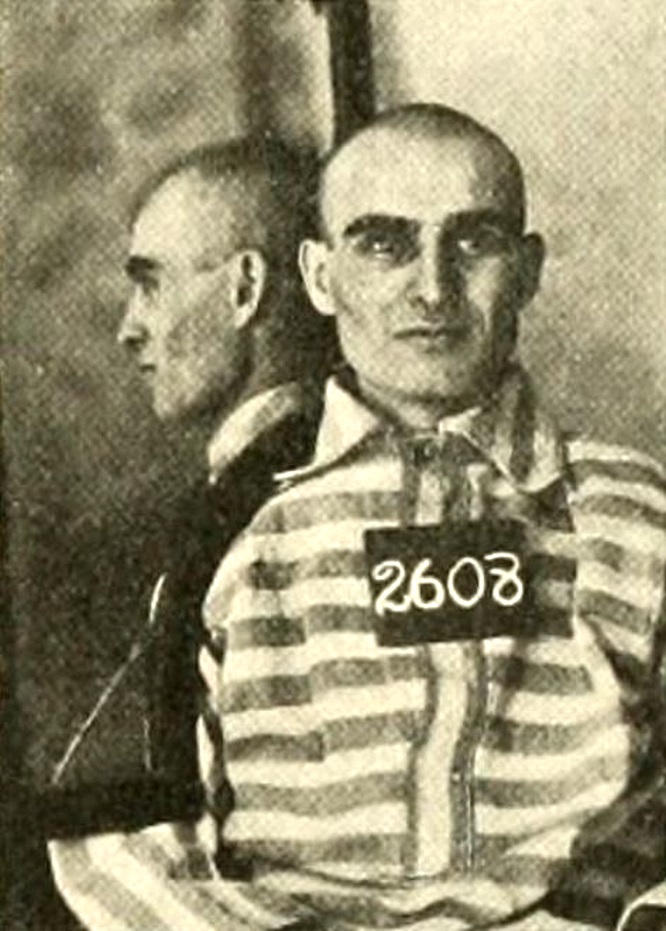
Editor J. D. Carrizosa employs a match-cut that will be studied in film schools for decades. A petri dish of modern-day methamphetamine confiscated near the prison perimeter dissolves into a 1890s photograph of inmates brewing “pruno” wine. The chemical similarity—both substances fermented in toilets—collapses 130 years into a single hiccup of addiction. Later, Carrizosa loops a half-second shot of a gate clanging, repeating it 37 times to mimic the average number of times a maximum-security prisoner hears that sound per day. The effect is nauseating, hypnotic, a cinematic “temporal feedback.”
There is no orchestral score. Instead, the film’s emotional crescendo arrives via infrasonic frequencies—20 Hz rumblings that vibrate the sternum more than the eardrum. These ghost tones are derived from field recordings of the prison’s original 19th-century iron doors, slowed 800%. Paired with whispered recitations of commissary lists (beans, salt pork, lye), the soundtrack weaponizes banality. You do not hear Yuma; you feel it in the marrow.
In 2023 Arizona spent $1.3 billion on private prisons. Caldera ends with a drone ascent above the ruins, rising until the adobe cells morph into the blueprint of a nearby for-profit detention center—same radial spokes, same panopticon DNA. The graphic overlay is merciless: incarceration rates for Indigenous and Latino men remain triple that of white citizens, a demographic echo that thunders across centuries.
Yet the film is not fatalistic. In a coda both ironic and tender, we see present-day tourists snapping selfies inside the “dark cell,” a solitary pit once reserved for escape artists. Their smartphone flashes strobe like muzzle fire, each click a pixel-sized act of exorcism. Caldera freezes one tourist’s grin, then reverse-zooms into her phone screen where the image becomes an Instagram story tagged #ThrowbackThursday. The loop is complete: punishment as meme, history as filter.
Purists may carp that the documentary’s 107-minute runtime indulges too many meditative lulls. They miss the point: those ostensible lulls are the argument. Carceral time is surplus time, dead time, and Caldera forces the viewer to serve it in real time. If you check your watch, the film has colonized your temporal perception—an experiential coup as audacious as anything in Pieces of Silver: A Story of Hearts and Souls.
Comparative cinephiles will detect visual DNA from Chantal Akerman’s News from Home and the carceral longueurs of Angela Schanelec, yet the film’s DNA is distinctly Southwestern: the patience of a vulture circling thermals, the cruelty of a sun that outlives every warden.
The film closes with a time-lapse of the desert blooming after a rare winter rain. Lupine and desert gold carpet the ruins until the prison resembles a misplaced garden. Nature did not reclaim the site; it simply buried the handcuffs under chlorophyll. That image—simultaneously hopeful and horrifying—lingers longer than any closing credit. You exit the theater reminded that stones forget faster than governments, that every adobe wall was once river mud, that your own gaze, insolent or otherwise, is already inscribed in some看不见的 ledger.
IMDb 7.1
1932
Community
Log in to comment.