DbcultAccessing Vault...
5.6/10
Senior Film Conservator
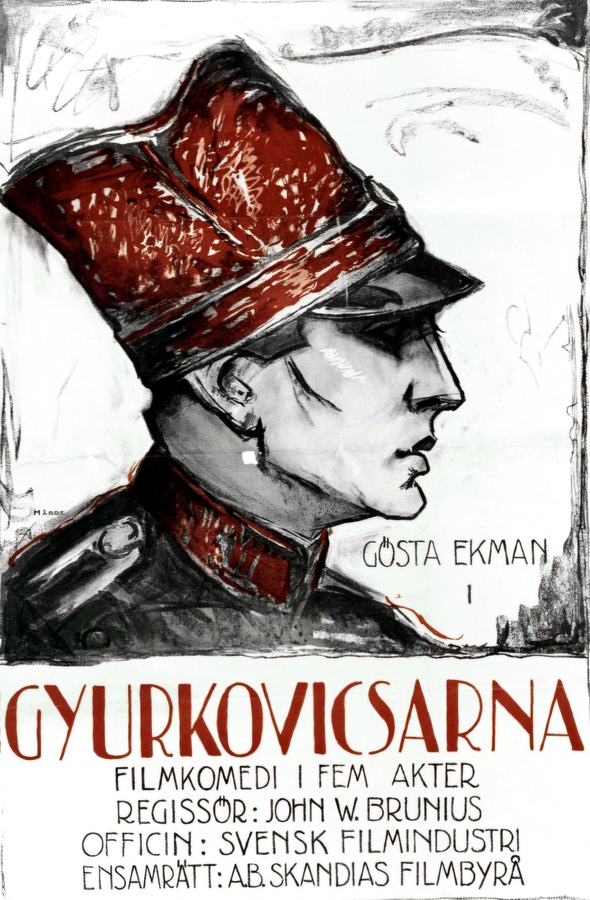
A definitive 5.6/10 rating for a film that redefined the boundaries of cult cinema. Gyurkovicsarna remains a cornerstone of transgressive art.
A ballroom suffocating under stucco angels, candle soot, and the ghost of a minuet—this is where Gyurkovicsarna plants its flag, daring you to waltz while the parquet buckles beneath your shoes.

Strip away the footnotes and what remains is an emotional earthquake: one clan’s death-rattle disguised as a house party. Director-cum-star Gösta Ekman understood that nostalgia, when filmed head-on, becomes horror. Thus every opulent set piece carries a whiff of formaldehyde: gilded frames minus canvases, violins missing strings, laughter echoing through vacated nurseries. The camera stalks these abscesses of wealth with carnivorous patience; time itself seems to gnaw the damask.
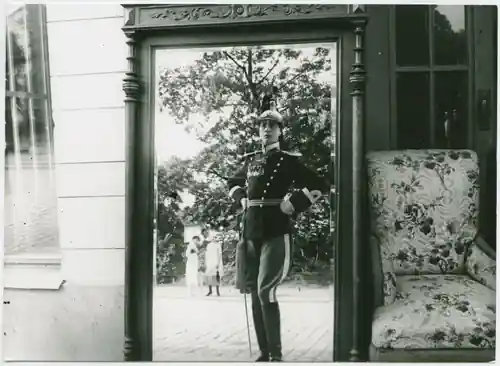
Ekman’s matinee-idol profile—think Byron drawn by Toulouse-Lautrec—gets weaponised for self-laceration. Notice how he enters a scene: spine theatrically erect, coat collar popped like a raven’s wing, yet the pupils quiver with self-disgust. The performance scales from whispered bon mots to a spectacular drunken soliloquy shot in a single, unforgiving take, pupils reflecting the chandelier he will soon smash. It is silent-era acting at its most musically calibrated; every eyebrow arch a sixteenth-note, every shrug a caesura.
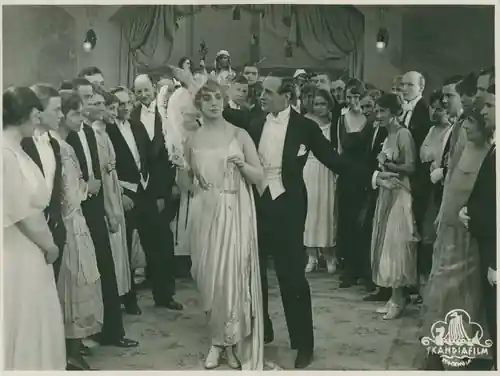
Behind the lens he collaborates with Pauline Brunius on the intertitles, pruning Herczeg’s verbose social commentary into haiku that detonate between images. Example: „Her dowry: a prayer book and a gambling debt“—white font on black, lingered upon for three insolent seconds before we cut to the fiancé’s despairing erection in a cold boudoir mirror.
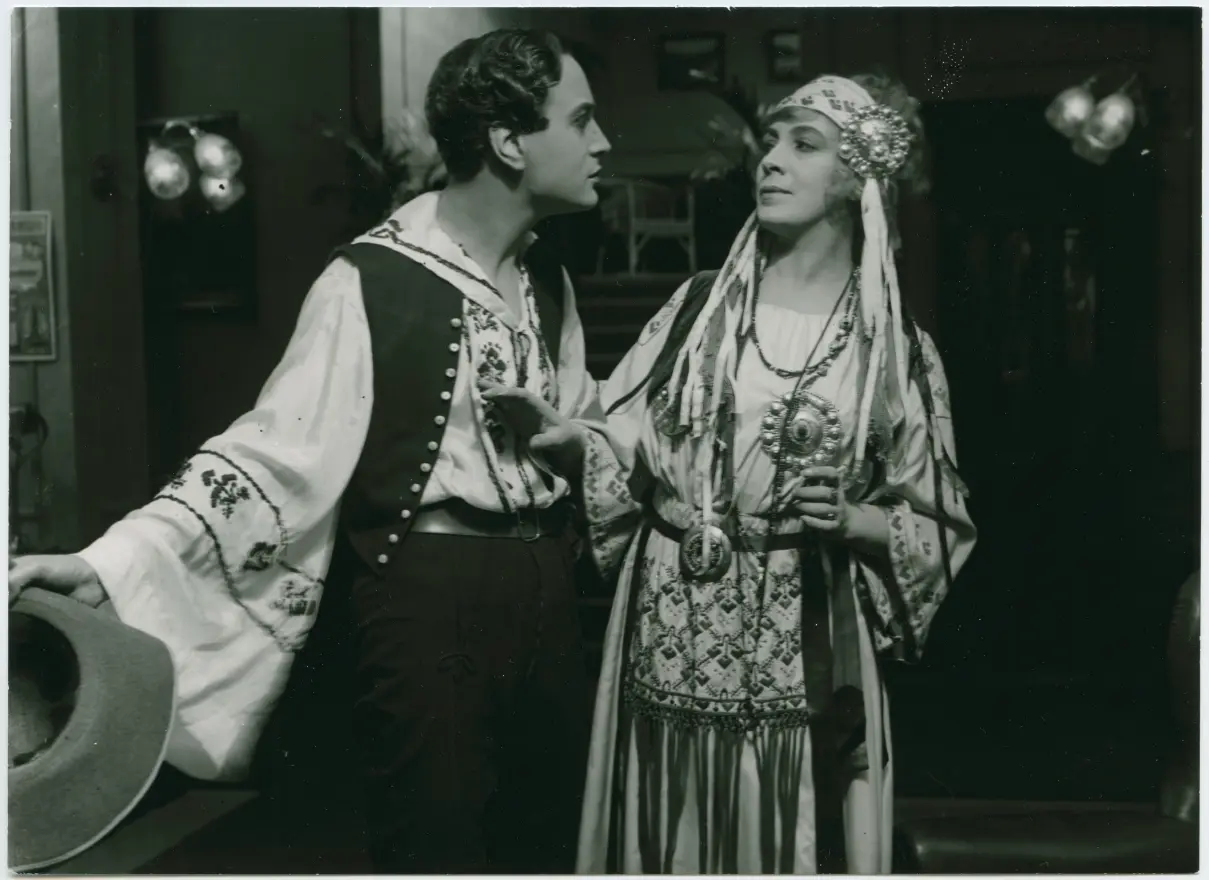
The producers smuggled a gramophone set onto the soundstage, coaxing Stiebel to record live during takes. The result? A proto-symphonised hybrid where a close-up of Ekman listening becomes its own duet: his facial micro-twitches synchronise with Stiebel’s tremulous tenor in „Una furtiva lagrima“. Cinephiles who revere the marriage of image and score in Lend Me Your Name will recognise here the seed of that audiovisual eroticism, blooming years before synchronised sound became normative.

Cinematographer Julius Jaenzon (on loan from Svenska Bio) floods parlours with top-light that carves cheekbones into alpine ridges, while corridors drown in nocturnal cobalt. Note the pivotal duel sequence: blades spark against a backdrop of towering mirrors, producing an infinity of fractured selves—an unsubtle yet irresistible metaphor for aristocratic self-sabotage. Compared to the rural functionalism of The Busher or the urban tungsten glare of The City, this is cinema as Baroque painting hurled into motion.
Jessie Wessel’s Countess Rozi oscillates between porcelain doll and proto-femme fatale; she weaponises fan-language and the occasional, devastating silence. In one exquisite shot, the camera observes her back as she faces a window, rain sliding down the pane like molten silver across her reflection—an image that anticipates Bergman’s later feminine iconography. Meanwhile Gucken Cederborg, as the widowed aunt clinging to rosaries and morphine, supplies sardonic intertitles with her eyes alone: two charcoal smudges indicting the male idiocy around her.
While Hollywood contemporaries such as Real Folks celebrated mercantile pluck, Gyurkovicsarna lingers on the rot inside heraldic walls. Debts are settled not with labour but with strategically brokered marriages; the working class appear as silhouettes—footmen, creditors, gypsy violinists—whose invisibility underwrites every waltz. It’s a worldview where capitalism hasn’t replaced feudalism so much as infected it, turning titles into tradable junk bonds.
Place it beside Divorced’s marital skirmishes or Jealousy’s triangular fatalism and you’ll find Gyurkovicsarna operating on a grander, more operatic register—think Tolstoy trimmed by Lubitsch. Unlike A Fisherless Cartoon’s slapstick nihilism, the humour here is serrated, embedded in the mismatch between rhetorical grandeur and economic impotence.
For decades the negative slumbered in a Stockholm cellar, mislabelled as „Gyurko“. A 2018 nitrate excavation by the Swedish Film Institute revealed 87 of the original 98 minutes; the gaps were bridged with explanatory intertitles and, controversially, stills. Though some purists bristle, the reconstructed passages actually amplify the film’s meditation on absence—missing frames mirroring missing inheritances. The 4K scan drenches Jaenzon’s candlelit textures in phosphorescent detail, while a new score by Matti Bye—performed on hammered dulcimer, accordion, and wine glasses—channels Stiebel’s vanished arias into uncanny minimalism.
By the time end credits (retroactively added) roll, you realise the narrative never promised catharsis—only a snow-globe tableau you must invert repeatedly, watching glitter settle into new yet equally damning patterns. Gyurkovicsarna is less a museum piece than a living bacillus: once viewed, its melancholic decadence colonises your perception of every subsequent costume drama. Seek it out, preferably at midnight, with a Tokaji wine you can’t afford and a willingness to recognise your own complicity in systems that valorise lineage over empathy. The chandelier shivers; the waltz grinds to a halt; yet the echo of Stiebel’s voice ricochets down the century, reminding us that all empires—cinematic, political, personal—end not with a bang, but with a stagger, a shrug, and a door left ajar onto darkness.
IMDb —
1933
Community
Log in to comment.