DbcultAccessing Vault...
Cult Review
Senior Film Conservator
In the pantheon of early American silent cinema, few films capture the grit and grime of the urban experience with as much unvarnished sincerity as Pride of Sunshine Alley. Released in 1924, this feature serves as a fascinating specimen of the 'rookie cop' subgenre—a narrative archetype that would later become a cornerstone of the noir tradition. The film does not merely present a story of crime and punishment; it interrogates the socio-economic pressures that drive the working class toward the precipice of illegality. Unlike the more pastoral themes found in At Piney Ridge, this production thrives on the claustrophobia of the alleyway and the tension of the precinct house.
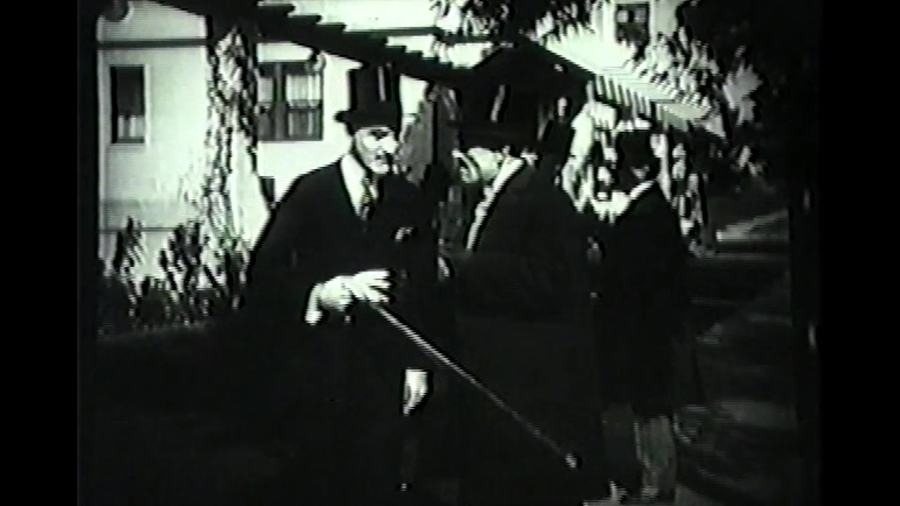
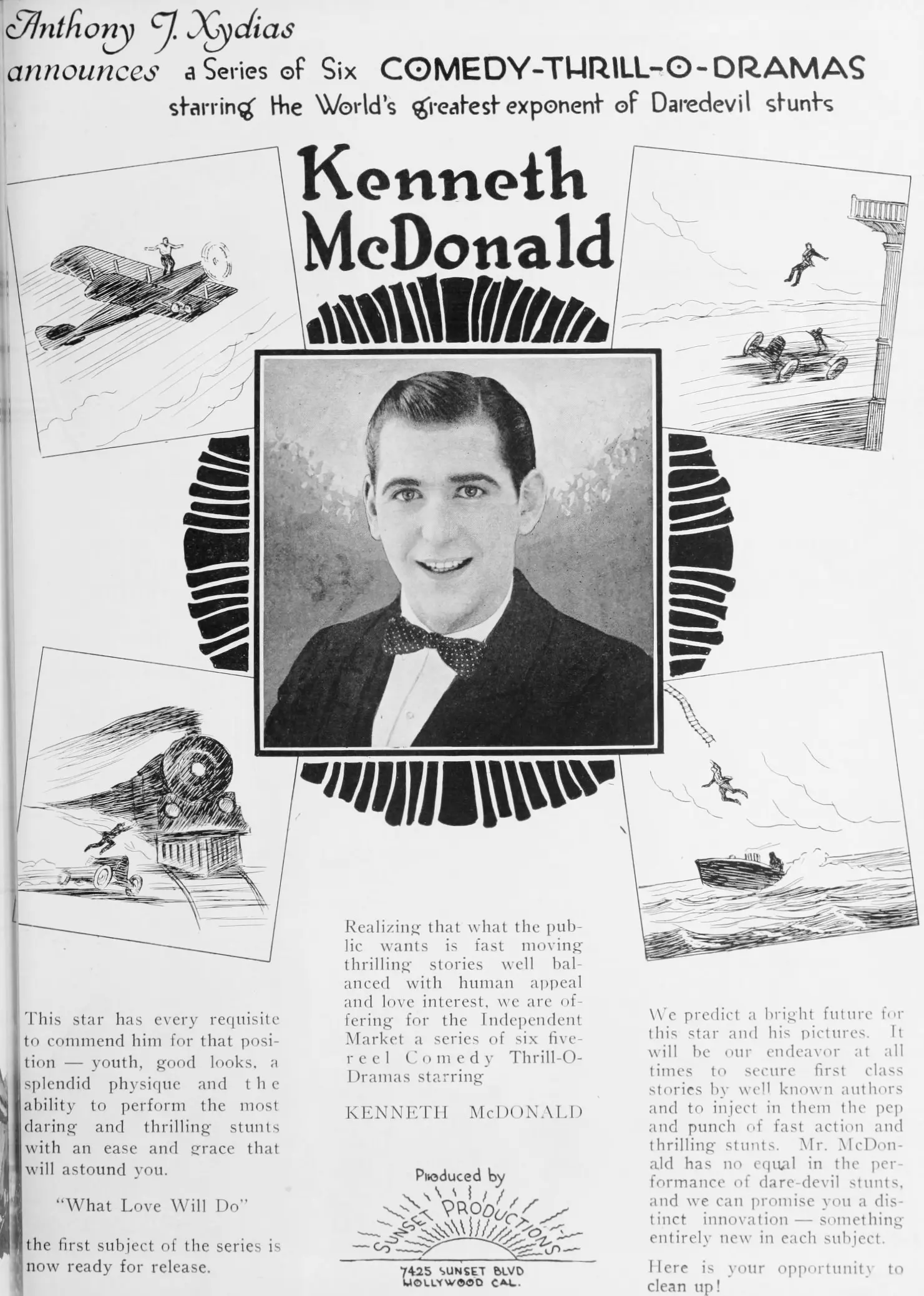
Kenneth MacDonald, long before he became a staple of the Three Stooges shorts and B-movie westerns, delivers a performance of surprising gravitas as Tim. His portrayal of the rookie policeman is devoid of the caricatured heroism often found in contemporary shorts. Instead, MacDonald imbues Tim with a palpable vulnerability. When he becomes engaged to Mary O'Neill (played with a luminous resilience by Violet Schram), his joy is tempered by the looming presence of the 'Sunshine Alley' gang. This isn't just a story about a man in uniform; it’s a story about the weight of the badge and the cost of the blue wall of silence, themes that resonate even more loudly in our modern discourse than they perhaps did in the roaring twenties.
The central pivot of the plot—the framing of Tim’s father, Pat—is executed with a narrative precision that rivals the psychological depth of Moral Suicide. Red Mike, the antagonist, is a masterclass in silent-era villainy. His motivations are not rooted in a grand scheme for world domination but in the petty, stinging embers of a rejected marriage proposal. This personal vendetta elevates the stakes from a mere police procedural to a Shakespearean tragedy of errors. The scene where Tim beats Mike in a street fight is choreographed with a raw, kinetic energy that highlights the physical demands of the era's filmmaking.
The cinematography, though limited by the technical constraints of 1924, utilizes shadows and high-contrast lighting to create an atmosphere of impending doom. The 'Alley' itself becomes a character—a labyrinthine trap for the virtuous and a sanctuary for the predatory. In comparing this to the visual grandeur of Fridericus Rex - 1. Teil: Sturm und Drang, one notices a shift from the historical epic to the intimate, dirty realism of the American street. The focus here is not on kings and queens, but on the struggle for a clean reputation in a world that thrives on scandal.
One of the most compelling aspects of the script by Samuel M. Pyke is Tim’s decision to take the blame for his father. This act of sacrificial love is a recurring motif in silent melodrama, yet here it feels earned rather than forced. It echoes the thematic concerns of Channing of the Northwest, where duty to the law often clashes with duty to the self. Tim’s release on bail marks the beginning of a desperate race against time, a proto-thriller element that keeps the pacing tight and the audience engaged.
"Pride of Sunshine Alley is a testament to the enduring power of the silent image to convey complex moral quandaries without the crutch of spoken dialogue."
The supporting cast adds layers of texture to the film. William Gould as the patriarch Pat provides a grounded sense of history, while Monte Collins offers a nuanced portrayal of Mary’s wayward brother. It is through the brother's eventual confession that the film finds its resolution, suggesting that even those lost to the underworld possess a spark of redemptive conscience. This nuance is often missing in films like A Champion Loser, which tend to paint their characters in more monochromatic shades of good and evil.
To appreciate Pride of Sunshine Alley, one must view it through the lens of its time. The car thief subplot was particularly relevant in the mid-1920s, as the automobile transitioned from a luxury item to a ubiquitous part of American life. The theft of cars represented a new frontier of crime, and the film captures the public's anxieties regarding this technological shift. In this sense, it shares a certain DNA with The Man Who Saw Tomorrow, which likewise grappled with the implications of future-facing societal changes.
The intertitles are used sparingly, allowing the visual storytelling to carry the emotional weight. The direction ensures that the audience remains focused on the expressive faces of the actors—MacDonald’s jaw-clenched determination, Schram’s tear-filled eyes, and Mike’s sneering malice. This level of performance-driven narrative is what separates a standard genre piece from a lasting work of art. It lacks the whimsical nature of Polly Put the Kettle On, opting instead for a somber, more reflective tone that anticipates the gritty police dramas of the 1940s.
As the film hurtles toward its climax, the tension is palpable. Tim’s reinstatement on the force is not merely a career milestone; it is a spiritual resurrection. The final union with Mary O'Neill serves as the traditional 'happy ending,' but it is earned through fire and trial. The film suggests that while 'Sunshine Alley' may be a place of darkness, the individuals within it have the agency to choose their own path. This message of individual responsibility is a hallmark of the era’s storytelling, similar to the themes explored in Hei de Vencer.
In conclusion, Pride of Sunshine Alley stands as a vital piece of cinematic history. It bridges the gap between the simplistic moral plays of the early 1910s and the sophisticated crime dramas that would follow. It is a film about the pride of the working man, the corruption of the envious, and the ultimate triumph of the truth. Whether you are a scholar of silent cinema or a casual viewer interested in the roots of the crime genre, this film offers a rich, rewarding experience that transcends its nearly century-old origins. It reminds us that while the technology of filmmaking has evolved beyond recognition, the human stories at its core—love, betrayal, and justice—remain eternally unchanged.
For those who enjoyed the domestic tensions of Ragged Robin or the societal critiques of Open the Bars, this film is an essential addition to your watchlist. It captures a moment in time when the screen was beginning to reflect the complexities of the modern world with startling clarity.
IMDb 7.1
1936
Community
Log in to comment.