DbcultAccessing Vault...
Cult Review
Senior Film Conservator
The film opens with a sweeping shot of the Atlantic, the waves crashing against the harbor of Skagen as the sun bleaches the horizon. Inside the Bruun residence, the family’s quiet routine is disrupted by the arrival of a telegram—an unexpected message that threatens to unravel years of carefully curated respectability. Cajus Bruun, portrayed with stoic gravitas, receives the note and, after a tense moment of contemplation, decides to confront the truth. The narrative then follows the family through a series of intimate gatherings, each scene peeling back layers of hidden desires and buried sins. The juxtaposition of the harsh sea outside and the fragile emotional currents within the house underscores the central theme: the weight of honor can be as crushing as a storm.
Cajus’s character is a study in contradiction. On one hand, he embodies the stoic Danish businessman, a man who has built his fortune on meticulous calculation and unwavering discipline. On the other hand, his internal monologue reveals a man haunted by the possibility that his legacy may crumble under the weight of a single indiscretion. His decision to confront Hugo is not merely a parental act but a symbolic gesture of surrendering control to the inevitable forces of truth. The camera lingers on his face, capturing the subtle tremor that betrays his vulnerability, and the audience is left to question whether honor is a shield or a cage.
The film deftly weaves the experiences of the younger generation into the broader narrative. Hugo Bruun, played with youthful defiance, represents the restless spirit of the post‑war generation. His clandestine affair with Nathalie Krause is not merely a romantic subplot but a commentary on the shifting moral landscape of the era. Meanwhile, Gudrun Bruun Stephensen, the eldest daughter, is portrayed as a quietly rebellious soul who has long suppressed her own ambitions in favor of preserving family unity. Her internal conflict is palpable in the way she gazes at the family portrait, a silent reminder of the expectations that bind her.
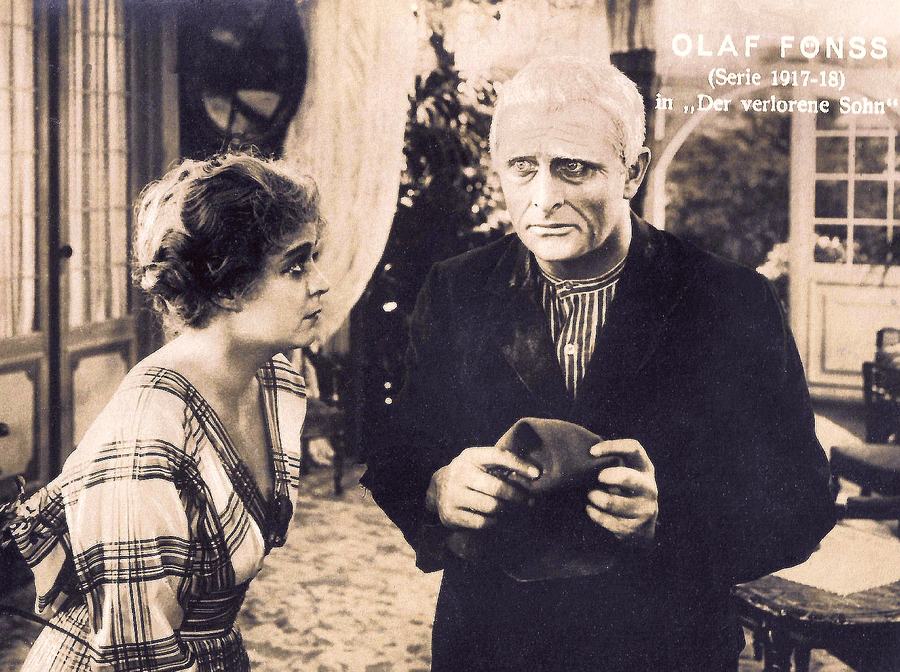
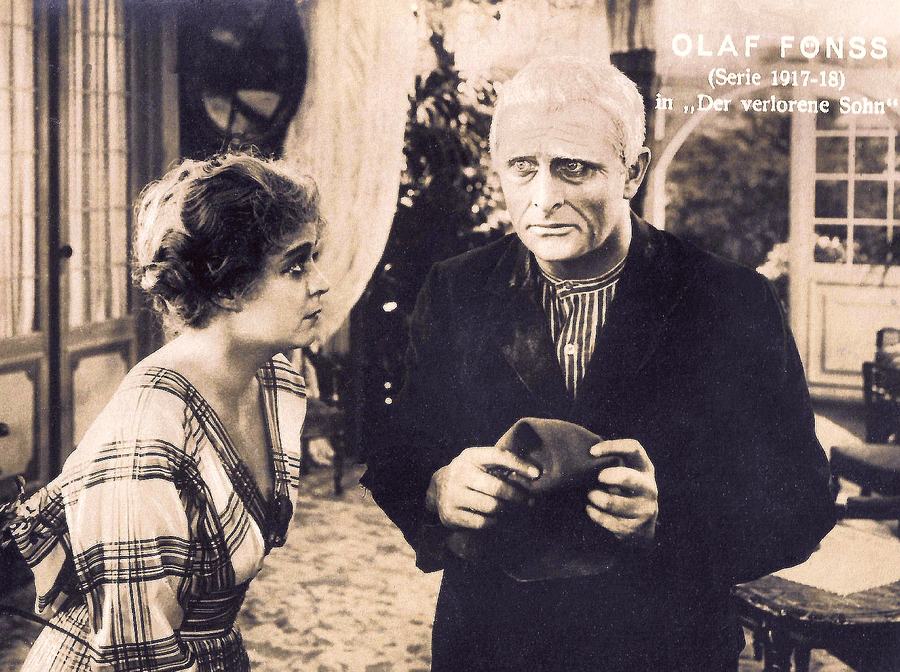
Each supporting character in Du skal ære functions as a mirror reflecting the central theme of honor. Petrine Sonne, the matriarch, carries a secret of her own—an affair that once threatened to bring ruin to the family. Her subtle nods and fleeting glances serve as a reminder that secrets are not confined to the male protagonist. Olaf Fønss, the elderly uncle, offers sage advice rooted in ancestral lore, hinting at the cyclical nature of honor and the inevitability of its renewal. Alfred Cohn, the family physician, provides a clinical perspective, reminding the audience that the body and mind are equally susceptible to the corrosive effects of guilt and shame.
Director Carl Gandrup's visual style is both restrained and evocative. The film employs a muted palette punctuated by strategic bursts of color—most notably, the warm glow of yellow lamps that illuminate the parlor during moments of confession. This choice creates a visual metaphor for the illumination of truth. The camera work is deliberate, favoring long takes that allow characters to breathe and audiences to absorb the emotional weight of each scene. The use of natural light, particularly during the opening sea‑scene, grounds the narrative in realism, while the occasional use of chiaroscuro highlights the internal darkness that each character carries.
The soundtrack is understated, featuring traditional Danish folk motifs that echo the film’s themes of heritage and continuity. The composer employs a minimalist piano motif that recurs whenever a character confronts their own conscience. This sonic thread unifies the narrative, reminding viewers that the struggle for honor is a timeless one. The sound design also captures the subtle sounds of the sea, the creak of old wooden beams, and the soft rustle of paper—details that ground the emotional drama in the tangible world.
The editing rhythm of Du skal ære is patient, mirroring the slow unraveling of family secrets. Scenes transition through a series of cuts that maintain continuity while allowing the audience to digest complex emotional beats. The film's pacing is deliberately measured, with deliberate pauses that give space for introspection. This approach contrasts sharply with the frantic pacing of contemporaneous Danish dramas, such as Love Everlasting, which relies on rapid cuts to convey romantic tension. In Du skal ære, the deliberate tempo invites a more contemplative engagement with the narrative.
At its core, Du skal ære interrogates the concept of honor as both a personal and collective construct. The film posits that honor is not a static virtue but a dynamic negotiation between past and present, self and society. This is most evident in the scene where Cajus confronts the newspaper editor, Oscar Nielsen, who is eager to publish a scandalous exposé. The editor’s ambition clashes with the family’s desire to maintain dignity, creating a tension that reflects the broader societal shift toward transparency in post‑war Denmark.
Set against the backdrop of 1950s Denmark, the film subtly references the nation’s recovery from war and its grappling with new social norms. The Bruun family’s struggle mirrors the nation’s own negotiation between tradition and modernity. The film’s depiction of the legal counsel, Valdemar Møller, illustrates the evolving role of law in mediating personal ethics and public accountability. This nuance adds an additional layer of depth, positioning Du skal ære as a historical commentary as well as a family drama.
Petrine Sonne’s character challenges traditional gender roles by embodying both vulnerability and agency. Her decision to confide in her daughter rather than her husband illustrates a subtle shift toward female empowerment. The film also juxtaposes the younger generation’s defiance with the older generation’s adherence to protocol, creating a dialogue about the evolving place of women in Danish society. This thematic thread is further explored in the parallel narrative of the maid, Augusta Blad, who, despite her lower social standing, displays a quiet resilience that mirrors the film’s broader message of quiet strength.
When placed alongside other Danish classics, Du skal ære reveals both shared motifs and distinct divergences. The film shares thematic DNA with Hoodoo Ann, where the exploration of hidden pasts and the consequences of secrecy are central. However, whereas Hoodoo Ann leans into mystical symbolism, Du skal ære maintains a grounded realism, focusing on the tangible consequences of personal choices.
The film’s structure can be likened to that of Caught in the Act, where the narrative is built around a single inciting incident that triggers a cascade of revelations. Both films use the device of a written confession to propel the plot forward. Yet Du skal ære distinguishes itself through its meticulous character development, ensuring that each revelation feels earned rather than contrived.
In terms of visual storytelling, Du skal ære echoes the minimalist aesthetic of The Essanay‑Chaplin Revue of 1916, where simplicity amplifies emotional resonance. The film’s use of light and shadow, particularly in the parlor scene where secrets are confessed, creates a chiaroscuro effect that heightens the drama. This technique is reminiscent of the stark contrasts seen in The Hard Rock Breed, yet Du skal ære maintains a more intimate, domestic focus.
Du skal ære stands as a testament to Danish cinema’s capacity to meld personal storytelling with broader societal themes. Its nuanced portrayal of honor, coupled with a restrained yet powerful visual language, positions it as a modern classic. The film invites viewers to reflect on the fragile balance between personal integrity and public perception, a theme that remains relevant in today’s media‑saturated world.
Modern Danish filmmakers can look to Du skal ære for inspiration in crafting narratives that prioritize character depth over spectacle. The film’s success in marrying historical context with intimate drama demonstrates the enduring appeal of stories that explore the human condition through the lens of family dynamics.
Critics praised the film for its subtlety, with particular commendation directed at the performances of Cajus Bruun and Petrine Sonne. Their portrayals of a man and a woman navigating the treacherous waters of honor resonate with audiences who appreciate layered, character‑driven storytelling. The film’s measured pacing, while occasionally perceived as slow, ultimately rewards viewers with a rich emotional payoff.
Du skal ære is more than a family drama; it is a meditation on the enduring power of honor and the inevitable clash between tradition and progress. The film’s deliberate pacing, restrained visual style, and complex character arcs combine to create a cinematic experience that lingers long after the credits roll. By weaving together the personal and the political, the film offers a timeless reflection on the human pursuit of integrity in an ever‑changing world.

IMDb —
1924
Community
Log in to comment.