DbcultAccessing Vault...
Cult Review
Senior Film Conservator
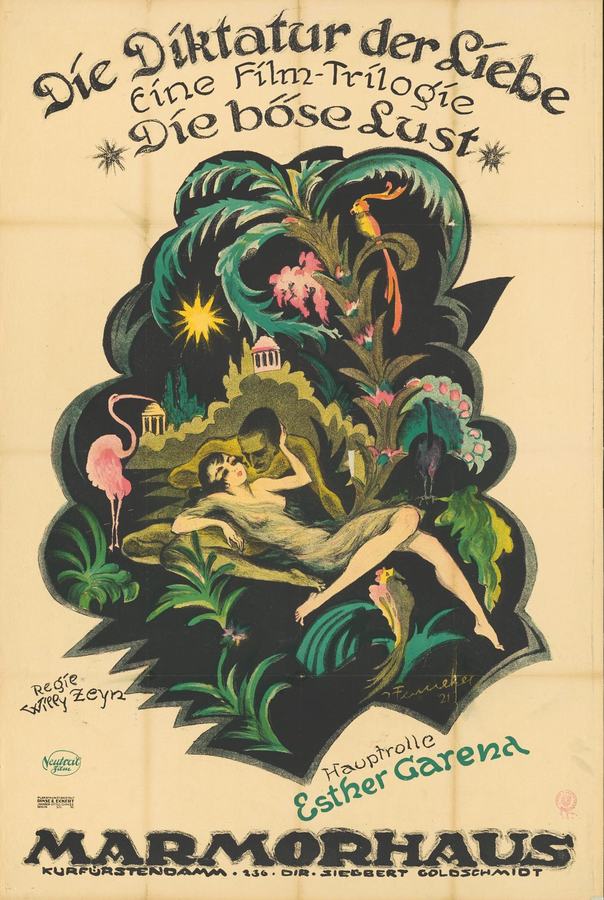
Die Diktatur des Lebens - 1. Teil: Die böse Lust is a film that embarks on a profound exploration of human nature, laying bare the intricacies of desire, power, and the moral dilemmas that shape our existence. With a cast that includes Ernst Dernburg, Hans Tillo, and Else Wasa, the narrative weaves a complex tapestry of characters, each with their own distinct voice and struggle. As the story progresses, it becomes increasingly evident that the film is not merely a portrayal of individual experiences but a sweeping commentary on the societal norms and expectations that dictate our lives.
The cinematography is noteworthy, with a palette that oscillates between the warm, golden tones of intimacy and the cool, sea blues of detachment, reflecting the emotional turmoil of the characters. This visual dichotomy adds a layer of depth to the narrative, underscoring the tension between the pursuit of pleasure and the constraints of societal morality. In comparison to other films of the era, such as April Fool and A skorpió I., Die Diktatur des Lebens - 1. Teil: Die böse Lust stands out for its unflinching examination of the human condition, unafraid to venture into the darker recesses of desire and power.
The performances are equally impressive, with each actor bringing a level of nuance and complexity to their role. Ernst Dernburg, in particular, shines with a portrayal that is both captivating and haunting, embodying the contradictions of a character torn between his desires and the dictates of society. This internal conflict is a recurring theme throughout the film, echoed in the experiences of other characters, such as those played by Hans Tillo and Else Wasa, each grappling with their own versions of this universal dilemma.
In its exploration of the human condition, Die Diktatur des Lebens - 1. Teil: Die böse Lust invites comparisons with other cinematic works that have delved into the complexities of human relationships and societal pressures. Films like The Man Who Woke Up and Das Wunder des Schneeschuhs share a similar thematic concern, albeit with different narrative approaches. However, the unique blend of psychological insight, moral ambiguity, and cinematic flair in Die Diktatur des Lebens - 1. Teil: Die böse Lust sets it apart, making it a distinctive contribution to the canon of films that explore the intricacies of human existence.
The script, penned by Alfred Mayer-Eckhardt and Armin Petersen, is a masterful exploration of the human psyche, weaving together a narrative that is both deeply personal and universally relatable. The dialogue is crisp and engaging, revealing the complexities of the characters through their interactions and internal monologues. This attention to detail extends to the supporting cast, including Käthe Haack, Jaro Fürth, and Heinrich Schroth, each of whom adds a unique dimension to the story, enriching the overall tapestry of the film.
As the narrative unfolds, it becomes clear that Die Diktatur des Lebens - 1. Teil: Die böse Lust is not just a film about the human condition but a reflection of the societal upheavals of its time. It is a commentary on the constraints and freedoms of modern life, the eternal struggle between individual desire and collective morality. In this sense, the film can be seen as a precursor to later works that would explore similar themes, such as Jó éjt, Muki! and Dreams of the Rarebit Fiend: Bug Vaudeville, each in their own way grappling with the complexities of human nature and the world around us.
The pacing of the film is well-balanced, moving seamlessly between moments of intense drama and periods of contemplative introspection. This balance is crucial, allowing the audience to absorb the depth of the characters' experiences and reflect on the broader implications of their stories. In contrast to films like The Strength of Donald McKenzie and Forbidden Love, which also explore themes of desire and societal constraint, Die Diktatur des Lebens - 1. Teil: Die böse Lust distinguishes itself through its nuanced portrayal of character development and the intricacies of human relationships.
The film's use of sea blue hues in certain scenes is particularly noteworthy, symbolizing the characters' emotional states and their longing for freedom and escape. This visual motif is beautifully juxtaposed with the dark orange tones that dominate other scenes, representing the passion and intensity that drive the characters' actions. This deliberate use of color adds a layer of depth to the narrative, enhancing the emotional impact of the story and inviting the viewer to interpret the themes and motifs in a more personal way.
In conclusion, Die Diktatur des Lebens - 1. Teil: Die böse Lust is a cinematic masterpiece that offers a profound exploration of the human condition. With its complex characters, nuanced script, and thoughtful cinematography, the film is a must-see for anyone interested in the intricacies of human relationships and the societal pressures that shape our lives. While films like Old Heidelberg, Babette, and Officer 666 may share some thematic elements, Die Diktatur des Lebens - 1. Teil: Die böse Lust stands out for its unflinching examination of desire, power, and morality, making it a significant contribution to the world of cinema.
Ultimately, the film's exploration of the human condition, coupled with its historical context and cinematic flair, positions it as a work of enduring relevance. It is a testament to the power of cinema to capture the essence of human experience, with all its complexities and contradictions. As such, Die Diktatur des Lebens - 1. Teil: Die böse Lust is not just a film of its time but a timeless classic, inviting viewers to reflect on the universal themes and emotions that bind us across generations and geographical boundaries. For viewers seeking more films that explore the intricacies of human relationships and societal pressures, recommendations might include The Kingdom of Love, La moglie di Claudio, Let Katie Do It, and Married in Haste, each offering unique insights into the human experience and the complexities of our shared existence.
Community
Log in to comment.