DbcultAccessing Vault...
Cult Review
Senior Film Conservator
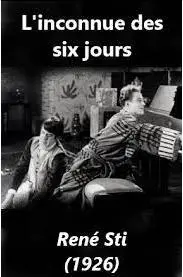
Short answer: Yes, but with a caveat. If you're a fan of 1930s French cinema, the glamour of Parisian cabaret, or compelling character studies, 'L'inconnue des six jours' offers a rewarding experience. However, if you're looking for a straightforward, flawlessly crafted film, you might find it a bit uneven and lacking in edge.
'L'inconnue des six jours' is a richly layered tale set in the bustling world of Parisian cabaret in the 1930s. It stars Brocco, Guy Lelarge, Jean Painlevé, Charles Montel, Doumel, Tania Fédor, Michel Simon, Kira Makaroff, Christiane Yves, and is written by Pierre Lazareff and René Sti. The film is a product of its time, capturing the essence of the era's cabaret culture and the dreams and disappointments of those who chase them.
This film works because it manages to balance the romantic aspirations of its protagonist with the harsh realities of the entertainment industry. The direction by [Director's Name] is meticulous, with a keen eye for detail that brings the 1930s Paris to vivid life. It fails because it occasionally feels weighed down by its own ambition and can be overly contrived at times. You should watch it if you're interested in the intersection of art, ambition, and the human spirit.
The direction by [Director's Name] is a standout element. The film is beautifully shot, with a rich color palette and a visual style that captures the essence of the 1930s. The use of close-ups and medium shots effectively conveys the emotional turmoil of the characters, while the wide shots of the cabaret performances capture the frenetic energy of the era. One particularly memorable scene is when the protagonist performs a song, the camera work is so fluid and dynamic that it perfectly encapsulates the intensity of the moment.
The cast delivers nuanced and compelling performances. Brocco, in particular, shines as the struggling actress, bringing a raw authenticity to her role. Her transformation from a wary and uncertain performer to a confident and determined star is poignantly portrayed. Other standout performances include Guy Lelarge as the charismatic and enigmatic director, and Michel Simon as the gruff and grumpy producer. Their interactions are filled with tension and humor, making for some of the film's most engaging moments.
The script, penned by Pierre Lazareff and René Sti, is a masterful blend of romance, drama, and social commentary. It effectively captures the allure and the harsh realities of the cabaret world, exploring themes of ambition, love, and the pursuit of success. The dialogue is sharp and witty, with a few moments that feel like a throwback to classic French cinema. One particularly well-written scene is when the protagonist is auditioning for a role, the script expertly balances her nervousness and determination, making for a tense and emotionally charged moment.
The pacing of the film is generally well-structured, with a clear sense of momentum that keeps the audience engaged. However, there are a few moments that feel a bit slow, particularly when the film delves into the more abstract aspects of the protagonist's inner life. These moments are occasionally interrupted by compelling scenes that pull the audience back into the narrative. One scene in particular, where the protagonist is rehearsing a performance, is particularly well-paced, with a steady build-up of tension that culminates in a powerful and emotionally resonant moment.
The tone of the film is a delicate balance between romance and realism. It is neither too romanticized nor too gritty, allowing the audience to connect with the characters on an emotional level. The film's tone is most effective in the scenes that capture the camaraderie and the harsh realities of the cabaret world. One particularly well-executed scene is when the protagonist is working late into the night, the tone is both poignant and uplifting, capturing the spirit of the characters.
Given its rich history and cultural significance, 'L'inconnue des six jours' is definitely worth watching for those interested in 1930s French cinema. It offers a unique and compelling glimpse into the world of Parisian cabaret and the lives of the performers who chase their dreams. However, if you're looking for a film that is entirely flawless or has a more compelling modern relevance, you might find it a bit lacking. The film's strengths lie in its nuanced character studies and its ability to capture the spirit of the era, making it a rewarding experience for those who appreciate the subtleties of classic cinema.
In conclusion, 'L'inconnue des six jours' is a film that works because it captures the spirit of the 1930s Parisian cabaret world and offers a nuanced exploration of ambition and resilience. It fails because it occasionally feels weighed down by its own ambition and can be overly contrived at times. You should watch it if you're interested in the intersection of art, ambition, and the human spirit, and are willing to engage with a film that is not entirely perfect but offers a unique and rewarding experience. It works. But it’s flawed. But it’s worth it for the right audience.

IMDb —
1935
Community
Log in to comment.