DbcultAccessing Vault...
Cult Review
Senior Film Conservator
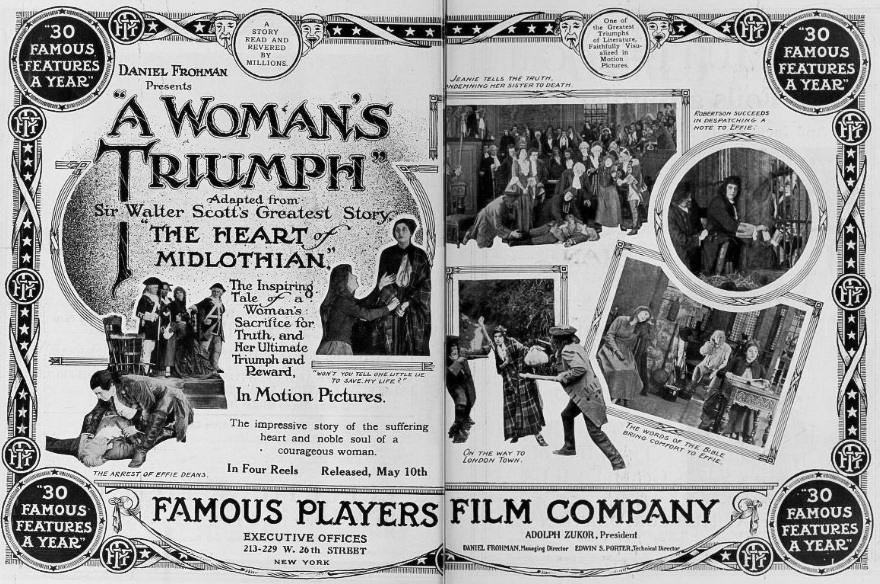
In an era when cinematic narratives were often grand, sweeping gestures of morality and melodrama, 'A Woman's Triumph' emerges not merely as a film, but as a profound philosophical inquiry into the very fabric of human integrity. This is a motion picture that dares to ask how far one might bend their principles for love, and what constitutes true heroism in the face of an impossible choice. It's a testament to the enduring power of classic storytelling, rooted deeply in the Scottish literary tradition, and brought to life with a gravitas that resonates even today.
At its core, 'A Woman's Triumph' is a study in contrasts, primarily embodied by the two daughters of David Deans. Jeanie, portrayed with a quiet, unshakeable strength by Emily Calloway, represents an almost archaic adherence to truth. Her character is a rock, steadfast and unyielding, even when the tides of familial love and societal pressure threaten to erode her very foundation. This stoicism, however, is not coldness; it is a deep, burning conviction that truth, above all else, must prevail. Her counterpart, Effie, brought to life by the vivacious Laura Sawyer, is a whirlwind of youthful passion and vulnerability. Effie's flighty nature, her susceptibility to the charms of the roguish Georgie Robertson (George Moss), sets in motion a chain of events that will test the bonds of sisterhood to their absolute limit.
The film masterfully establishes the austere, God-fearing environment in which the Deans sisters are raised. Old David Deans, a character etched from the granite of Calvinist rectitude, instills in his daughters a rigid moral code. For Jeanie, this code becomes her very essence; for Effie, it is a cage from which her spirit yearns to escape. This foundational tension between strict upbringing and innate temperament provides a rich psychological landscape for the ensuing drama. It's a struggle that feels timeless, echoing the internal conflicts seen in many character-driven narratives, where personal desires clash with inherited values.
Effie's clandestine romance with Georgie Robertson, the profligate son of a minister, is not merely a youthful dalliance; it is a dangerous liaison that pulls her into a world far removed from her father's strictures. Robertson, a character of conflicted loyalties and questionable morals, is not entirely villainous, but rather a man driven by circumstance and a thirst for adventure that leads him down a path of smuggling. Their secret meetings, fueled by promises of marriage, culminate in Effie's pregnancy – a secret she guards with desperate intensity, even from Jeanie.
The narrative takes a darker turn with Robertson's arrest, leaving Effie isolated and vulnerable. Her journey to Edinburgh, seeking solace and refuge with Madge Wildfire and her mother, is a descent into a nightmarish underworld. Madge, a figure of tragic pathos, her mind shattered by grief over her own lost child, becomes an unwitting architect of Effie's further suffering when she steals Effie's newborn. The infant's rescue by strangers, while a small mercy, means it is irrevocably lost to Effie, leaving her with an unbearable void and a secret that threatens to consume her.
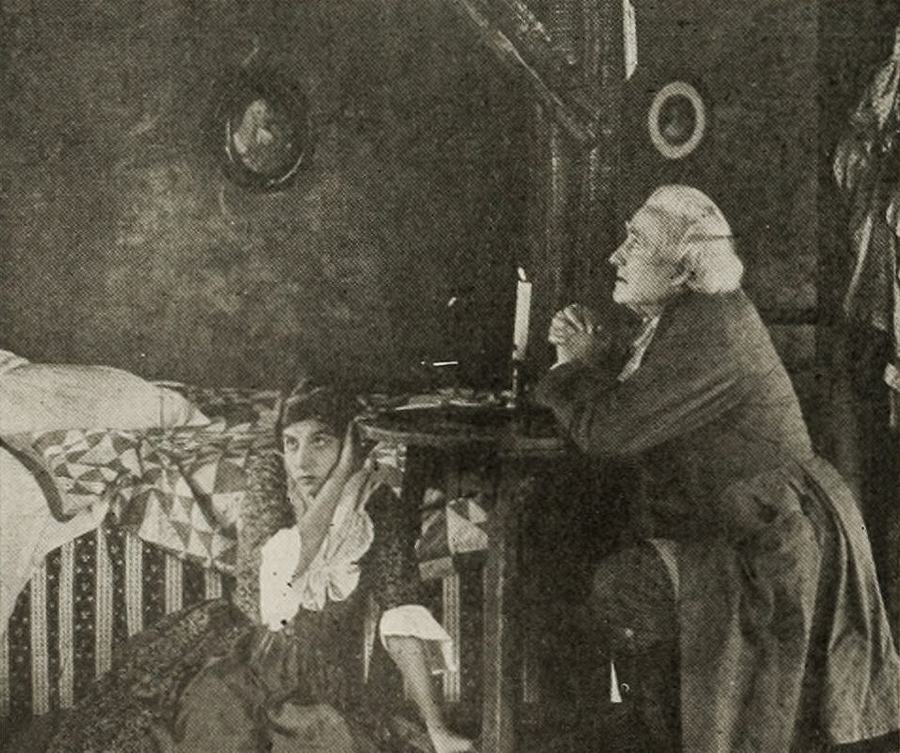
The old hag's malevolent accusation of infanticide against Effie is the catalyst that ignites the film's central moral dilemma. Effie, torn from her dazed family, is thrust into a judicial system that, in this historical context, often prioritized appearance and circumstantial evidence over a nuanced understanding of human suffering. This portrayal of a flawed justice system, where the vulnerable are easily condemned, finds echoes in later films like Fantômas: The False Magistrate, where the arbitrary nature of legal proceedings can lead to tragic outcomes for the innocent.
Robertson's dramatic escape and his subsequent attempts to free Effie introduce a layer of desperate expediency to the narrative. His alarm at Effie's refusal to leave prison without her innocence being proven speaks volumes about her underlying character – a desire for vindication that, while perhaps naive, is deeply principled. This refusal sets the stage for the film's most agonizing choice.
The old Scotch law, stipulating that a prior disclosure of pregnancy could negate intent of infanticide, becomes Robertson's desperate gambit. He writes to Jeanie, imploring her to meet him and, crucially, to lie in court. This moment is the narrative's fulcrum. Jeanie's steadfast refusal to even discuss the contents of the note with Mr. Butler (Wellington A. Playter), the young minister who loves her, causes an estrangement that highlights the depth of her commitment to truth. Her integrity is not merely a matter of convenience; it is an intrinsic part of her being, a "slavery to truth and honor" that she cannot escape.
The scene where Jeanie meets Robertson, and he pleads with her to utter a single, life-saving lie, is imbued with immense emotional power. It's a classic moral quandary: save a life through a falsehood, or uphold an absolute truth at the cost of a loved one. Jeanie's struggle is palpable, but her conviction ultimately triumphs. This unwavering commitment to personal truth, even when faced with dire consequences, is a theme explored in many narratives, though rarely with such stark and uncompromising clarity. It's a reminder of the moral fortitude sometimes demanded by the most difficult of circumstances, a stark contrast to the more ambiguous moral landscapes presented in films like The World, the Flesh and the Devil, where survival often necessitates a loosening of conventional ethics.
The narrative accelerates dramatically as Jeanie, unwilling to compromise her integrity, embarks on a remarkable journey. Her barefoot pilgrimage to London to petition the Queen is an act of almost mythical devotion. It signifies not just physical endurance, but an unshakeable belief in a higher justice, a direct appeal to the ultimate authority. This arduous trek, reminiscent of epic journeys in literature, elevates Jeanie's plight beyond mere personal drama into a tale of heroic endeavor.
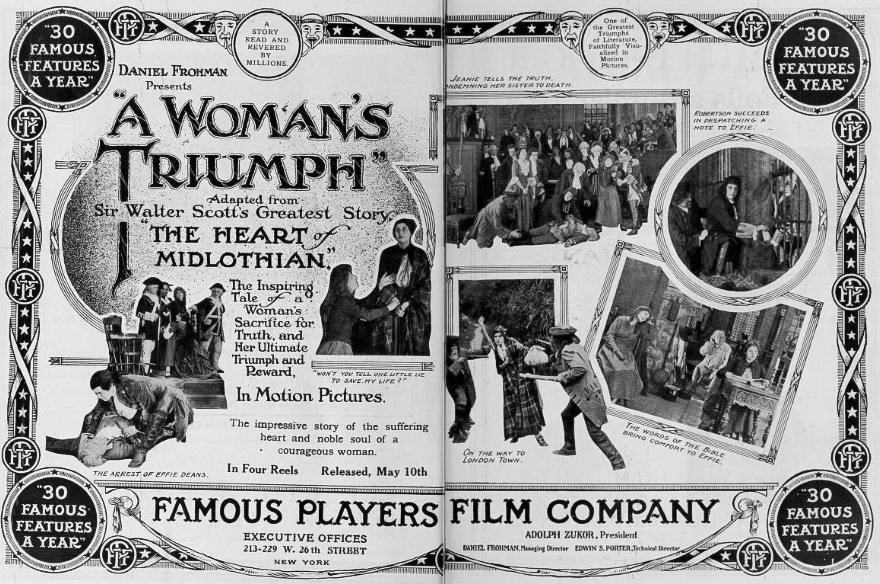
The confrontation with the Queen is the film's climactic emotional peak. Here, Jeanie's refusal to betray Robertson for the pardon, even with her sister's life hanging in the balance, is the ultimate demonstration of her character. It is this profound loyalty, not just to truth, but to a complex sense of justice that acknowledges the plight of others, that finally sways the Queen. The monarch, moved by Jeanie's unblemished honesty and strength of conviction, grants the pardon. This moment underscores the film's central message: that true power lies not in manipulation or deceit, but in the transparent force of an uncorrupted spirit. It’s a powerful statement on the potential for empathy to bridge divides of class and power, a theme that, while perhaps idealized, offers a compelling vision of justice.
The final race against time, as Jeanie hastens back to the place of execution, is a classic cinematic trope, yet here it feels earned and intensely poignant. Her arrival just in time to save Effie, without having uttered a single lie, is not just a triumph of plot, but a profound victory of character. It validates Jeanie's unwavering moral stance, proving that integrity need not be sacrificed for love or survival. This resolution offers a deeply satisfying emotional catharsis, affirming the film's core values.
The performances are uniformly strong, particularly Emily Calloway's Jeanie, whose quiet determination speaks volumes. George Moss as Robertson navigates the complexities of his character with skill, portraying a man caught between his love for Effie and his own self-preservation. Laura Sawyer’s Effie evokes both sympathy and frustration, making her ultimate salvation all the more impactful. Even supporting roles, such as Helen Aubrey and Betty Harte as Madge Wildfire and her mother, leave a lasting impression, adding texture to the film's grim underbelly.
'A Woman's Triumph' is more than just a captivating drama; it serves as a window into the historical and social attitudes of its time. The portrayal of Scottish law, the societal rigidities, and the stark class distinctions are rendered with an authenticity that transports the viewer. While the film’s narrative may seem melodramatic by modern standards, it is deeply rooted in the storytelling conventions of its period, reflecting a time when moral clarity and the triumph of virtue were highly prized cinematic themes. This makes it a valuable artifact for understanding early cinema's focus on character and ethical dilemmas, much like The Escape or Brother Against Brother, which also explored profound societal conflicts through personal narratives.
The themes explored – sisterly love, the weight of conscience, the pursuit of justice, and the power of truth – are timeless. In an age often characterized by moral relativism, Jeanie Deans' unwavering commitment to honesty offers a powerful, almost radical, counter-narrative. The film challenges us to consider our own moral boundaries and the sacrifices we are willing to make, or not make, for those we love. It’s a narrative that, despite its historical setting, speaks directly to contemporary concerns about integrity and authenticity.
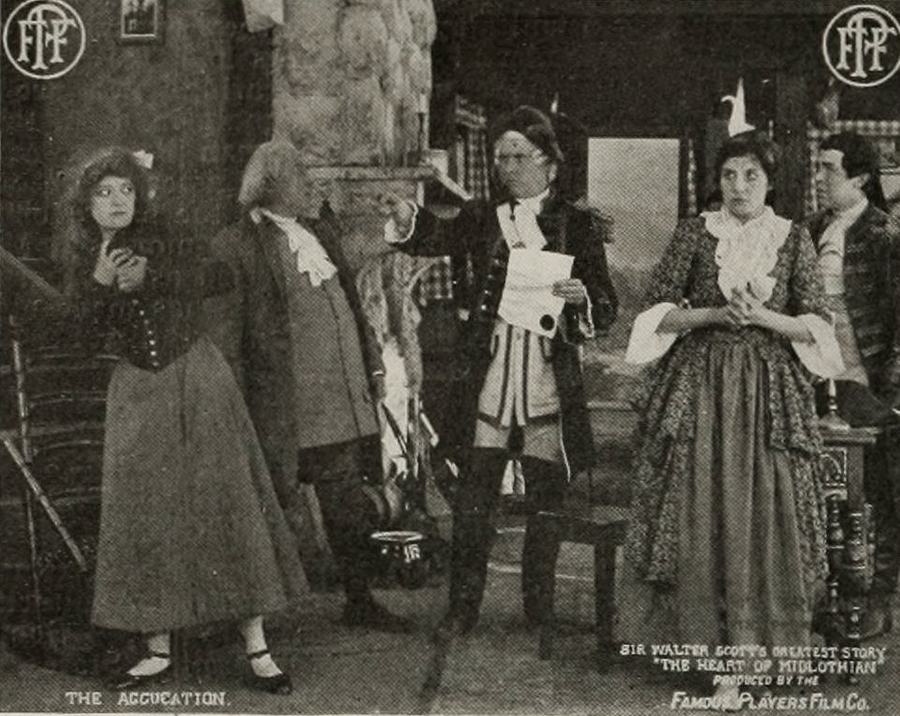
Ultimately, 'A Woman's Triumph' is a compelling cinematic experience that transcends its historical origins. It is a powerful exploration of human character, driven by a narrative that is both emotionally gripping and intellectually stimulating. The film’s enduring appeal lies in its courageous portrayal of a woman who, against all odds, refuses to compromise her deepest convictions, proving that true triumph is not merely survival, but the preservation of one's soul. It reminds us that some victories are won not with swords, but with an unyielding spirit and an unwavering commitment to the truth.
It stands as a testament to the fact that even in the earliest days of filmmaking, complex moral tales could be told with profound impact. This film, much like its protagonist, possesses an integrity that allows it to shine, undimmed by the passage of time. For those seeking a narrative that champions virtue without sacrificing dramatic tension, 'A Woman's Triumph' remains an essential watch, a beacon of moral clarity in the ever-evolving landscape of cinema.
This is not merely a historical curiosity; it is a vibrant, beating heart of a story that continues to resonate with audiences who appreciate the profound struggles of the human spirit. Its examination of legal minutiae, familial duty, and personal honor places it in a venerable tradition of storytelling that seeks to illuminate the deepest corners of the human condition. It is a film that, like Jeanie Deans herself, refuses to be forgotten, its message of unwavering truth a powerful echo through the decades.
The subtle nuances in character development, particularly Jeanie’s internal conflict, elevate the film beyond simple melodrama. Her journey isn't just a physical one to London, but a spiritual odyssey, affirming her identity and values in the face of immense pressure. The film beautifully captures the quiet strength of conviction, a theme that resonates universally. In an age where quick fixes and convenient truths often dominate, Jeanie's steadfastness is a refreshing and inspiring anomaly. This dedication to portraying the inner life of its characters, even with the limitations of early cinema, is a hallmark of its quality.
The contrast between the rigid, almost brutal legal system and Jeanie’s personal code of ethics forms the dramatic backbone of the story. It highlights the often-stark difference between institutional justice and moral righteousness. This exploration of the tension between law and ethics is a recurring motif in powerful dramas, from classical tragedies to modern courtroom sagas. 'A Woman's Triumph' tackles this head-on, offering a compelling argument for the power of individual conscience to, at times, supersede the letter of the law.
Moreover, the film's depiction of the Scottish landscape and social milieu, though perhaps simplified for the screen, adds a crucial layer of authenticity. The rugged terrain and the deeply ingrained community values are not mere backdrops but active participants in shaping the characters' destinies. This sense of place, much like in Cetatea Neamtului, where the setting is integral to the historical narrative, grounds the fantastical elements of Jeanie’s journey in a believable reality. It allows the audience to immerse themselves fully in the world of the Deans family and understand the profound implications of their choices within that specific cultural framework.
The supporting cast, though given less screen time, contributes significantly to the film's rich tapestry. Madge Wildfire, with her tragic madness, is a particularly poignant figure, adding a layer of psychological complexity and pathos that prevents the story from becoming overly simplistic. Her unwitting role in the infant's disappearance and subsequent actions underscore the chaotic and often cruel nature of life outside the ordered world of the Deans household. This exploration of mental anguish and its societal impact is surprisingly nuanced for its era, demonstrating a willingness to tackle difficult subjects that foreshadows later, more complex psychological dramas.
In conclusion, 'A Woman's Triumph' is not just a relic of early cinema; it is a vibrant, engaging, and morally resonant work that continues to speak to the human condition. Its powerful narrative, compelling characters, and timeless themes ensure its place as a significant piece of cinematic history and an enduring testament to the strength of the human spirit. It's a film that proves the most profound victories are often those won not through force or cunning, but through the quiet, unyielding power of an honest heart.

IMDb 6.3
1929
Community
Log in to comment.