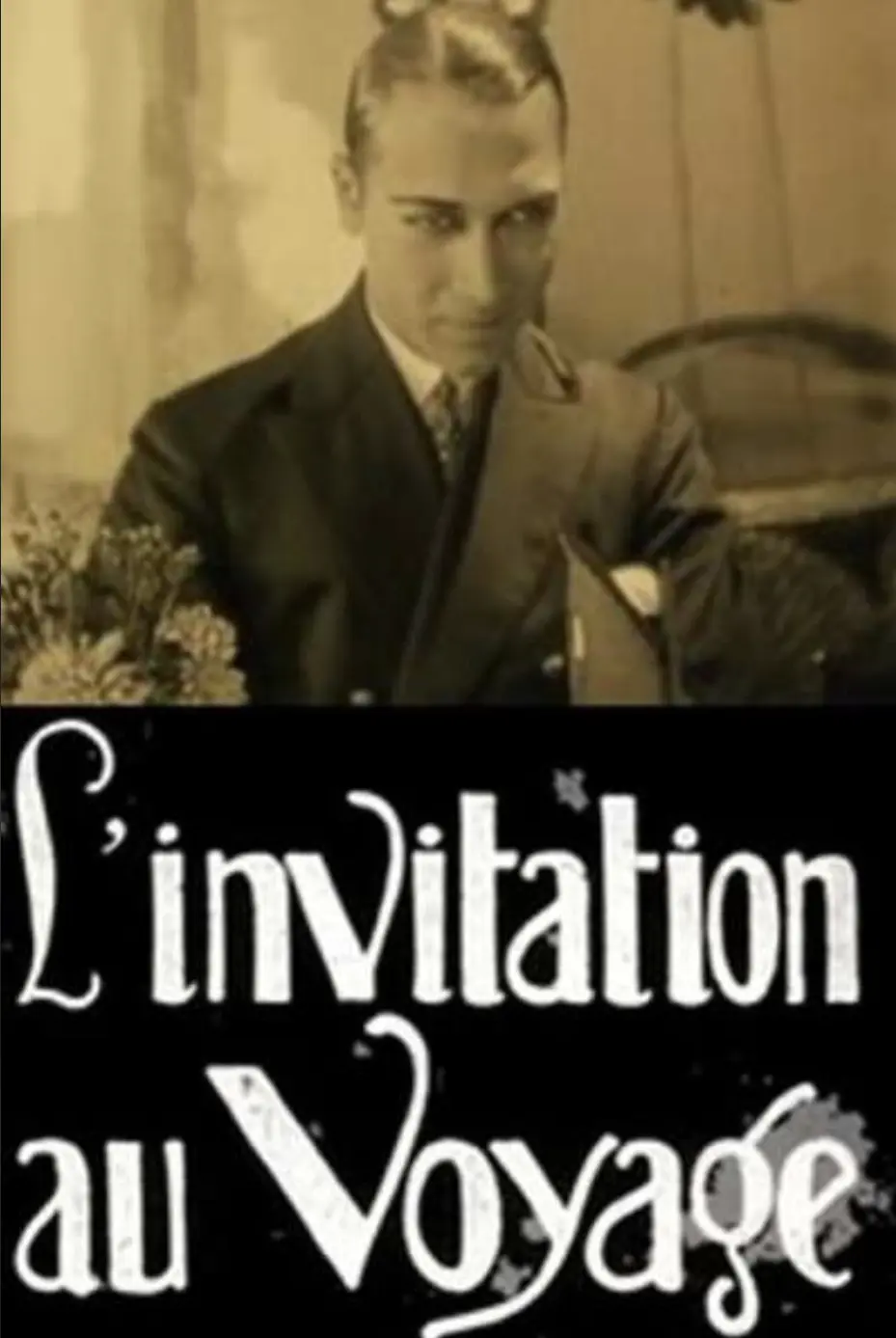
A definitive 6.9/10 rating for a film that redefined the boundaries of cult cinema. L'invitation au voyage remains a cornerstone of transgressive art.
Is L'invitation au voyage Worth Watching Today?
Is L'invitation au voyage worth watching today? Short answer: yes, but with significant caveats. This early French silent film is a fascinating, if sometimes frustrating, artifact for cinephiles and students of cinematic history, yet it will likely test the patience of a casual modern viewer accustomed to narrative clarity and brisk pacing.
This film works because of its audacious visual poetry and Germaine Dulac's pioneering exploration of internal states through external imagery. It fails because its experimental nature often prioritizes mood over momentum, leading to a viewing experience that can feel abstract and deliberately obtuse. You should watch it if you appreciate avant-garde silent cinema, psychological dramas, and the foundational works of female directors, but you should probably skip it if you're looking for a conventional, plot-driven story or an easy entry point into silent film.
Scene from L'invitation au voyage
Cinematic perspective: Exploring the visual vocabulary of L'invitation au voyage (1927) through its definitive frames.
Germaine Dulac, a titan of early French cinema, crafts a film that is less a straightforward narrative and more a sensory immersion into a woman's inner world. It’s a bold artistic statement, even by today’s standards, that challenges expectations of what cinema should be. But challenging doesn't always mean universally enjoyable.
A Cinematic Poem of Desire and Disillusionment
At its core, L'invitation au voyage is a profound meditation on unfulfilled desire and the intoxicating allure of escape. The film introduces us to a young woman, confined not by physical walls, but by the emotional vacuum of her marriage. Her husband's indifference, a silent yet palpable presence, drives her to seek solace and excitement beyond the confines of her domestic life. This setup, while simple, is rich with psychological depth, a hallmark of Dulac's approach.
Scene from L'invitation au voyage
Cinematic perspective: Exploring the visual vocabulary of L'invitation au voyage (1927) through its definitive frames.
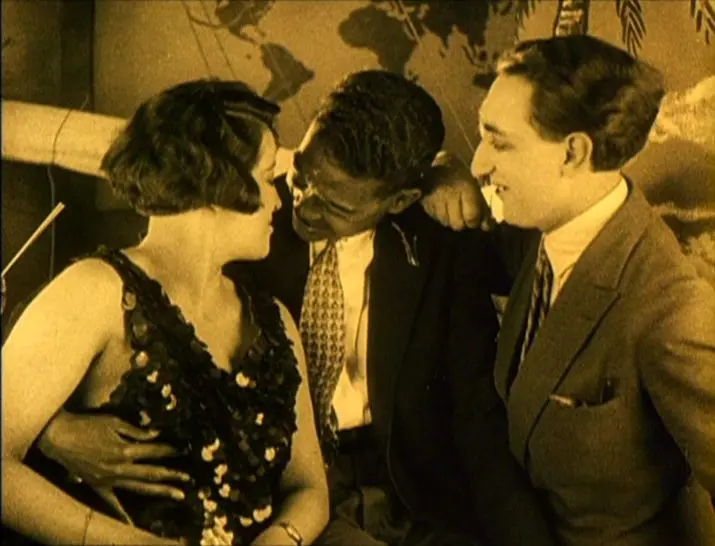
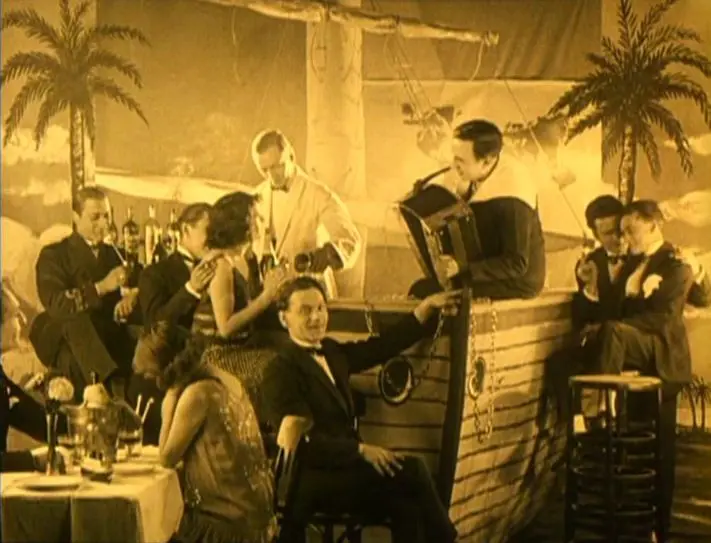
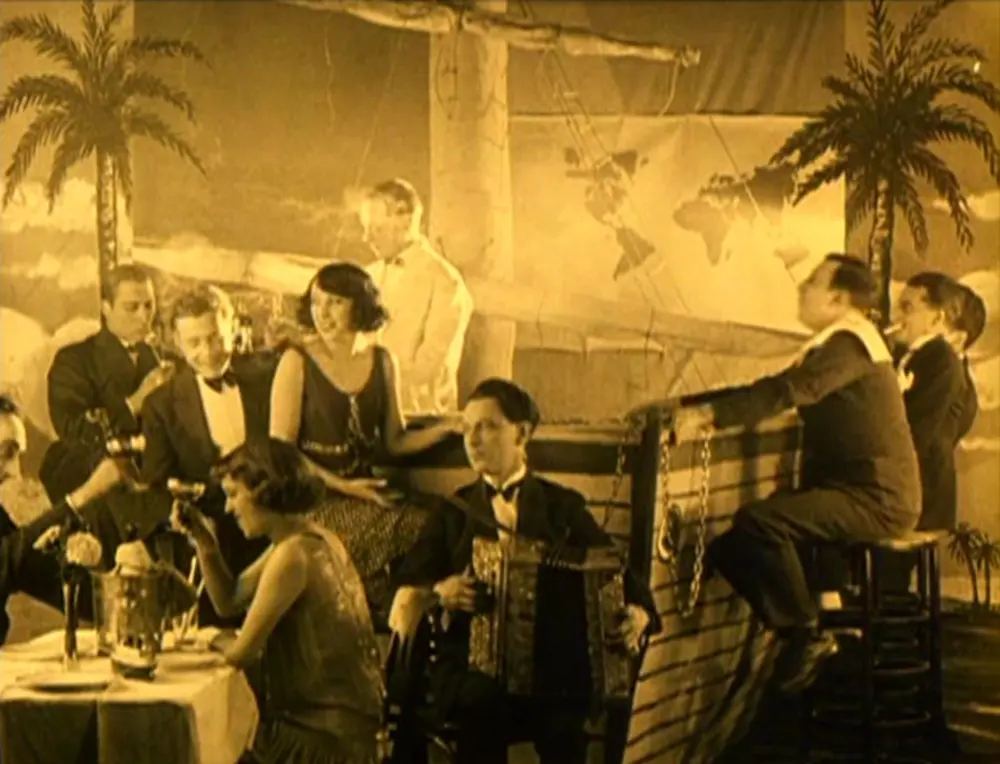
Her journey takes her to a nautical-themed nightclub, a vibrant, almost fantastical realm teeming with boisterous sailors. This setting is crucial, serving as a stark contrast to her muted home life. It represents freedom, adventure, and the chaotic energy of the sea itself – a world away from her stagnant reality. The choice of a naval officer as the object of her fleeting attention is equally symbolic. He embodies a promise of escape, a dashing figure from a world of distant horizons, mirroring the very title of the film, a direct nod to Baudelaire's poem of longing.
Dulac doesn't just tell this story; she feels it. The narrative isn't linear in the way we've come to expect from modern cinema. Instead, it flows like a dream, punctuated by moments of stark reality and heightened emotionality. This approach can be disorienting, yet it is undeniably effective in conveying the protagonist's fragmented state of mind. The plot, minimal as it is, acts as a skeleton upon which Dulac drapes layers of visual metaphor and psychological insight.
Scene from L'invitation au voyage
Cinematic perspective: Exploring the visual vocabulary of L'invitation au voyage (1927) through its definitive frames.
The film’s tone oscillates between melancholic introspection and bursts of vibrant, almost feverish, energy. The nightclub scenes, for instance, are not merely settings; they are extensions of the woman's subconscious yearning. The raucous laughter, the clinking glasses, the swirling dance – all contribute to a sense of overwhelming possibility that is both exhilarating and, ultimately, perhaps illusory. It's a testament to Dulac's directorial prowess that she can evoke such a complex emotional landscape with so few explicit plot points.
"L'invitation au voyage is a testament to the power of suggestion in cinema, proving that a film can be deeply moving without a single spoken word or an intricate plot."
Scene from L'invitation au voyage
Cinematic perspective: Exploring the visual vocabulary of L'invitation au voyage (1927) through its definitive frames.
Dulac's Vision: Beyond the Narrative
Germaine Dulac’s direction in L'invitation au voyage is nothing short of revolutionary for its time. She was a pioneer of impressionist and surrealist cinema, and this film showcases her unique artistic sensibilities. Her camera is not merely an observer; it’s an active participant, weaving through the narrative with a poetic grace that elevates the simple plot into something far more profound.
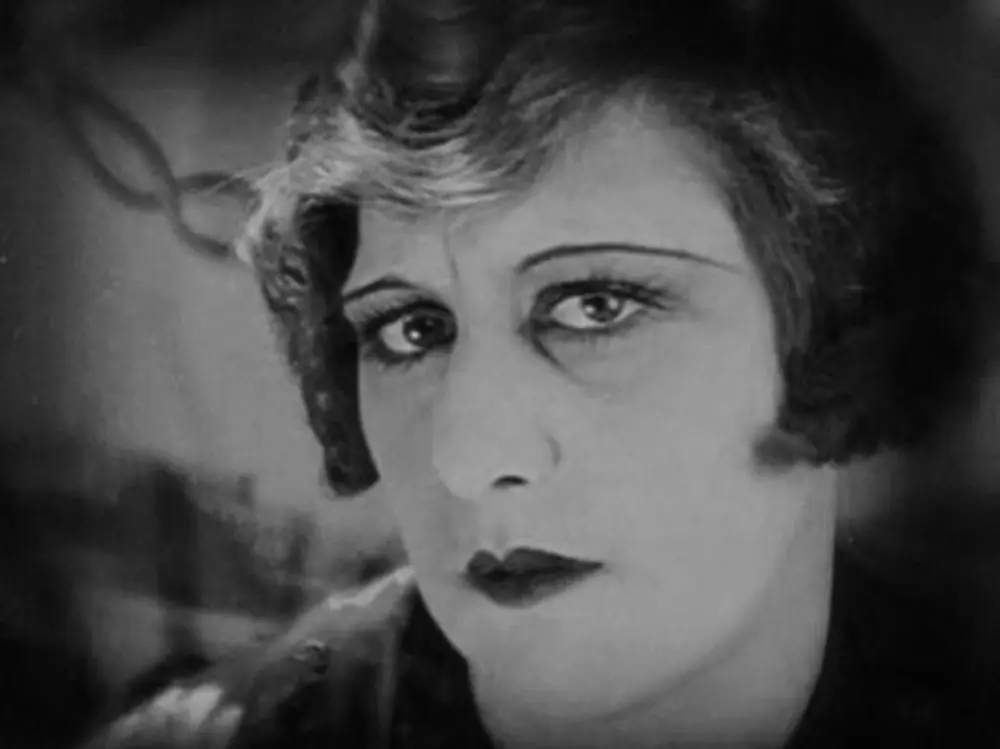
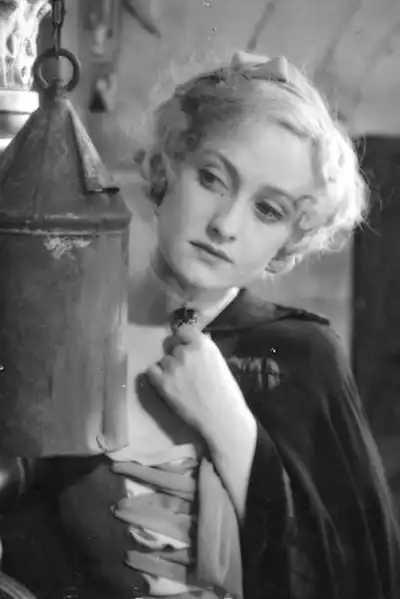
The cinematography, while limited by the technology of the era, is remarkably expressive. Dulac employs various techniques to convey the protagonist's internal turmoil. Close-ups of Emma Gynt's face, for instance, are used not just to show emotion, but to make us feel the weight of her unspoken thoughts. The way she frames her shots, often isolating the woman amidst a bustling crowd or dwarfing her within the vastness of the nightclub, visually articulates her loneliness and her quest for connection.
Scene from L'invitation au voyage
Cinematic perspective: Exploring the visual vocabulary of L'invitation au voyage (1927) through its definitive frames.
Consider the recurring motif of the sea. Though the film takes place largely indoors, the nautical theme of the club, combined with subtle visual cues, imbues every scene with a sense of oceanic vastness and unpredictability. Dulac uses this to symbolize both the allure of the unknown and the potential for being lost at sea. It's a brilliant stroke of visual storytelling, one that resonates deeply without ever needing explicit exposition. The way light plays across the faces in the smoky club, mimicking the glint of sun on water, is a subtle yet powerful example.
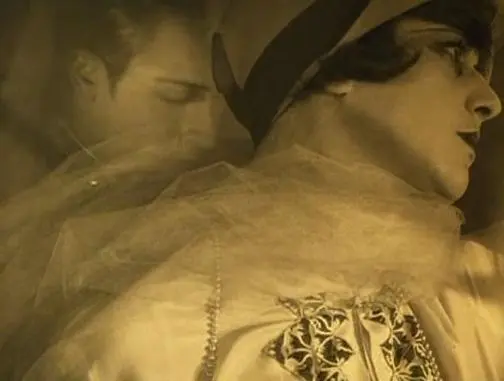
Her editing style is equally audacious. Dulac often uses dissolves and superimpositions to blend reality with the woman’s subjective experience, creating a dreamlike quality that blurs the line between what is happening and what is merely imagined. This is particularly evident in the sequences depicting the woman's longing for the naval officer, where his image might subtly overlap with her mundane surroundings, highlighting her mental preoccupation. This technique, while common now, was groundbreaking then, showcasing a director unafraid to experiment with the very language of cinema.
The film’s aesthetic is a far cry from the more overtly dramatic or melodramatic films of the period, such as From the Manger to the Cross. Dulac favors an understated, almost lyrical visual style that demands active engagement from the viewer. It's a film that asks you to feel rather than just watch.
The Art of the Unspoken: Performances in Silence
In silent cinema, acting is a delicate balance of exaggerated gesture and nuanced facial expression. The cast of L'invitation au voyage navigates this challenge with remarkable skill, particularly Emma Gynt in the lead role. Her performance is the anchor of the film, conveying a spectrum of emotions – from quiet despair to burgeoning hope and eventual resignation – without uttering a single word.
Gynt’s portrayal of the neglected wife is profoundly empathetic. Her eyes, often downcast in the early scenes, speak volumes about her internal suffering. When she enters the nightclub, there’s a subtle shift in her demeanor; her gaze becomes more active, more searching, reflecting a nascent spark of hope. This evolution is conveyed through minimal, precise movements and expressions, avoiding the broad theatricality that sometimes plagued silent film acting.
Paul Lorbert as the naval officer, while having less screen time, projects an aura of idealized masculinity and adventure. His interactions with Gynt's character, though brief, are charged with a silent magnetism. He represents not just a man, but an entire possibility. The chemistry, or rather the potential for chemistry, is expertly crafted through lingering glances and subtle body language, making his presence a powerful catalyst for the protagonist’s emotional journey.
The supporting cast, particularly the 'rowdy sailors' played by actors like Djemil Anik and Robert Mirfeuil, contribute to the vibrant atmosphere of the nightclub. Their boisterous energy serves as a dynamic backdrop, highlighting the protagonist's initial shyness and her gradual, tentative immersion into this new world. Their performances are broad and energetic