DbcultAccessing Vault...
Cult Review
Senior Film Conservator
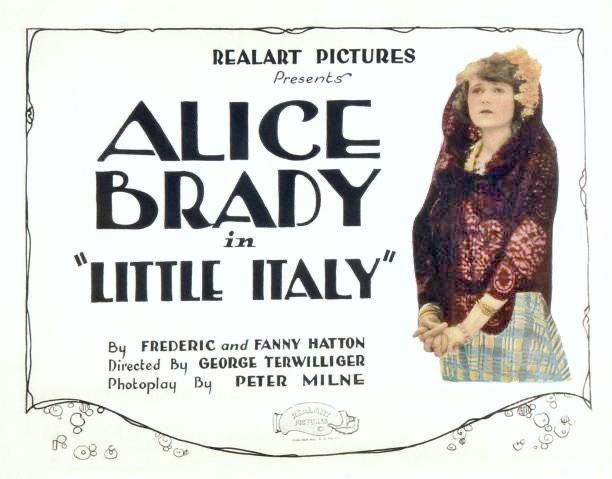
'Little Italy' (1934), a film steeped in the rich soil of cultural conflict and personal rebellion, unfolds as a visceral exploration of tradition’s grip and the individual’s capacity to defy it. Alice Brady, in one of her most electrifying roles, embodies Rosa, a woman whose refusal to conform to her father’s decree sets in motion a chain of events that tests the boundaries of love, loyalty, and self-determination. The film, directed with a deft hand by an ensemble of writers including Peter Milne and Fanny Hatton, weaves a narrative that is equal parts melodrama and social critique, its aesthetic anchored in the gritty authenticity of its titular neighborhood.
Rosa’s father, a figure of stern authority, demands that she marry within her clan—a demand that reeks of both control and cultural preservation. Yet Rosa, portrayed with a fiery intensity by Brady, is a woman of impulsive conviction. Her vow to marry the first stranger she encounters is not mere rebellion; it is a calculated act of defiance, a rejection of the patriarchal script that seeks to define her life. That stranger becomes Antonio (Norman Kerry), a man from a rival clan whose presence in her life is as much a curse as it is a catalyst. Their union, born of rash promise rather than affection, becomes a battleground for clashing ideologies: Rosa’s disdain for Antonio’s lineage and his unyielding love for her.
The film’s brilliance lies in its nuanced dissection of gender roles and societal hierarchies. Rosa’s loathing for Antonio is not merely a personal antipathy but a symbol of her rejection of systemic oppression. Her marriage becomes a microcosm of the larger cultural feud, yet it also serves as a mirror for the internalized constraints she must dismantle. Antonio, in contrast, is a tragic figure—his love for Rosa is as unrelenting as it is unrequited, his quiet suffering a counterpoint to her brash defiance. The film does not offer easy resolutions; instead, it challenges the viewer to consider the cyclical nature of hatred and the cost of autonomy.
The visual language of 'Little Italy' is steeped in the texture of its setting. The cobblestone streets, the flickering lamplights, and the bustling market scenes are rendered with such authenticity that the neighborhood itself becomes a character. Cinematographers and set designers capture the essence of immigrant life in early 20th-century America, a theme that resonates with modern audiences grappling with issues of identity and belonging. The film’s aesthetic choices—dramatic shadows, stark contrasts—mirror the emotional turbulence of its protagonists.
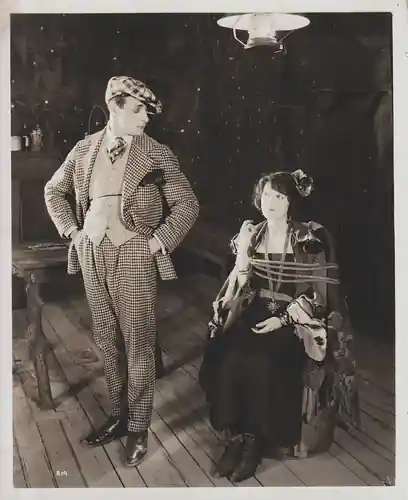
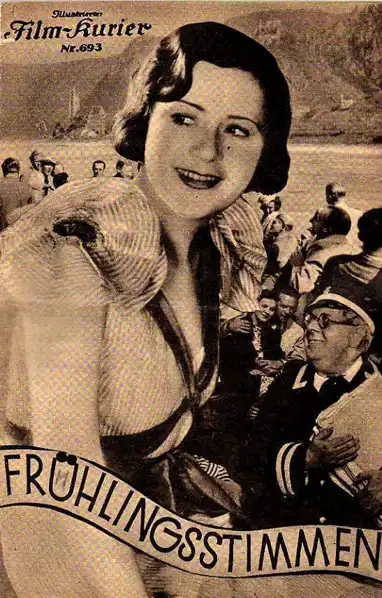
'Little Italy' shares thematic DNA with other works exploring familial conflict and societal expectations. Films like 'The Vagabond Prince' and 'Prinzessin Tatjanah' also grapple with the tension between duty and desire, though here the focus is distinctly grounded in a working-class, immigrant context. The inter-clan rivalry echoes the star-crossed lovers trope popularized in Shakespearean drama, yet the film subverts romantic clichés by centering a female protagonist whose agency is not contingent on love.
Alice Brady’s portrayal of Rosa is a masterclass in emotional volatility. Her performance oscillates between fiery indignation and simmering vulnerability, a duality that anchors the film’s emotional core. Norman Kerry, as Antonio, brings a quiet pathos to the role, his restrained demeanor a foil to Rosa’s tempestuousness. Supporting actors, including Gertrude Norman and Jack Ridgeway, add depth to the narrative, their interactions with the leads underscoring the community’s entanglement in Rosa’s rebellion.
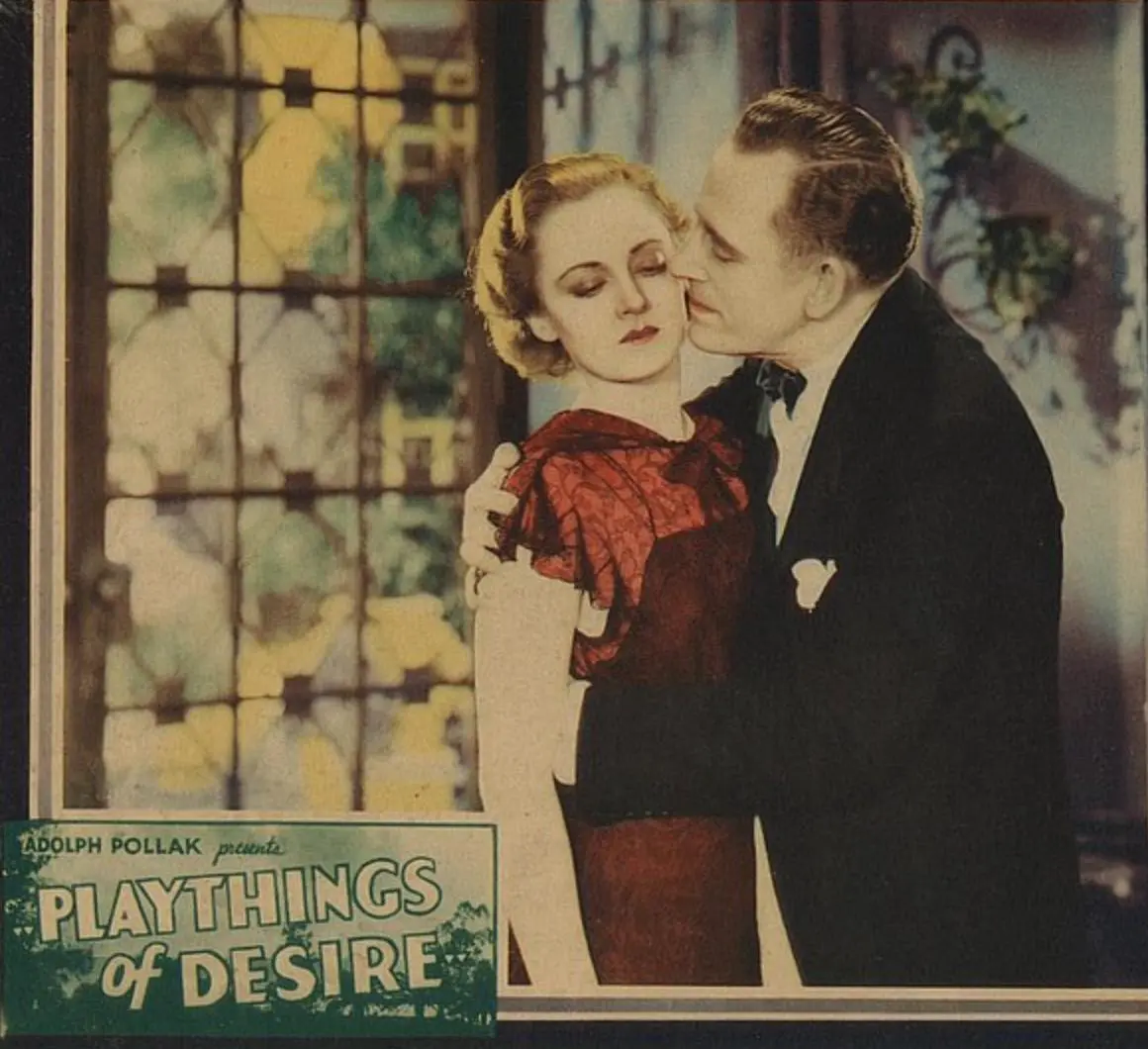
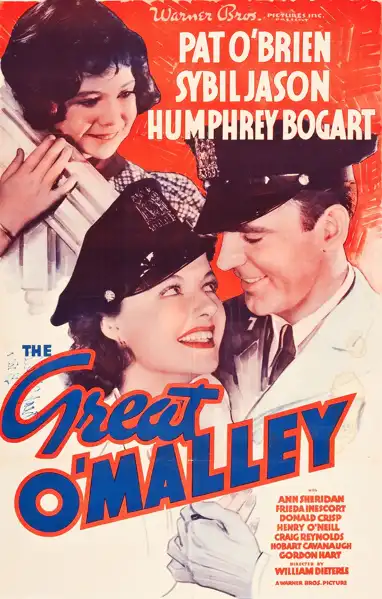
Decades after its release, 'Little Italy' retains its relevance as a meditation on autonomy and resistance. The film’s exploration of cultural identity and the personal sacrifices required to transcend societal boundaries resonates in an era of renewed debate over immigration and heritage. Its unflinching portrayal of a woman’s struggle for self-determination prefigures contemporary feminist discourse, positioning it as a precursor to more modern narratives like those in 'Behold My Wife' or 'Other Men’s Daughters'.
'Little Italy' is more than a period piece; it is a searing examination of the human spirit’s capacity to resist oppressive systems. Its narrative, though rooted in a specific cultural milieu, speaks to universal themes of freedom and identity. The film’s enduring power lies in its refusal to sanitize its characters’ journeys, offering instead a raw, unvarnished look at the cost of defiance. For modern audiences, it is a reminder that the fight for individual agency is as relevant now as it was in 1934.
IMDb 6.6
1929
Community
Log in to comment.