DbcultAccessing Vault...
Cult Review
Senior Film Conservator
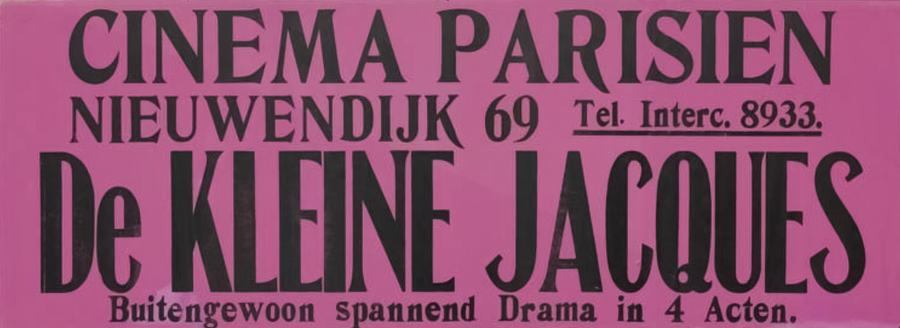
In the annals of early cinema, few narratives cut as deeply or resonate with such raw, primal emotion as Little Jack. This 1912 drama, penned by Jules Clarétie, transcends mere plot mechanics to deliver a searing indictment of fate's cruel hand and a testament to the unyielding power of paternal love. It’s a film that, despite its vintage, speaks volumes about the human condition, exploring themes of betrayal, injustice, sacrifice, and the fragile threads that bind a family together. The cinematic landscape of the early 20th century was often a canvas for grand spectacles or moralistic fables, but Little Jack distinguishes itself with an intimate tragedy that feels both epic and deeply personal.
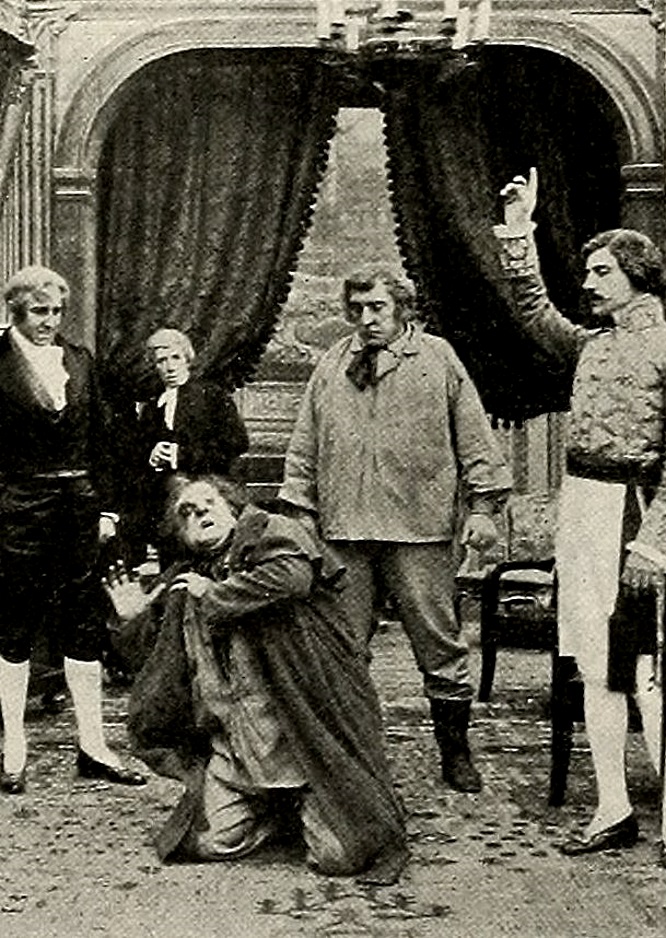
The film introduces us to Noel Rambert, portrayed with a haunting gravitas by Paul Fromet, a character embodying the everyman whose virtue is his undoing. Rambert's world, initially one of honest labor and domestic contentment, is violently upended by the discovery of his wife's infidelity. This isn't just a marital spat; it's a seismic betrayal, compounded by the fact that the betrayer is his closest friend. The agony of this revelation is palpable, a silent scream that reverberates through the early frames of the film. Rambert's subsequent decision to banish his wife isn't an act of petty vengeance, but a desperate attempt to excise the poison from his life, to protect the last bastion of his innocence: his son, Little Jack. This initial trauma sets the stage for a relentless downward spiral, a narrative descent into the very abyss of human suffering that rarely finds its equal in contemporary cinema, let alone films of its era. The emotional weight placed upon Rambert is immense, and Fromet's performance, relying solely on gesture and expression in the silent medium, conveys a profound sense of loss and disillusionment.
The dominoes of misfortune continue to fall with a tragic inevitability. Rambert, his mind consumed by personal anguish, suffers a debilitating injury at work, rendering him incapable of providing for his beloved son. This sequence, though likely brief by modern standards, would have been profoundly impactful, illustrating the precariousness of life for the working class and the swift descent into destitution that a single misstep or tragedy could precipitate. The film doesn't shy away from depicting the harsh realities of poverty, forcing Rambert to beg on the streets to feed Little Jack. This act of profound humility and sacrifice underscores the depth of his paternal love, a recurring motif that forms the narrative's emotional bedrock. The contrast between his former dignity and his current degradation is stark, a powerful visual metaphor for the erosion of his spirit. It’s a thematic thread that echoes in other melodramas of the time, where social injustice and personal tragedy often intertwined, though few explore the emotional landscape with such unflinching candor.
Just when Rambert's circumstances seem insurmountable, fate twists the knife with a chilling precision. While begging, he witnesses a murder through an open window. His innate decency compels him to intervene, to prevent the tragedy, but he arrives too late. The assassin, Mortal (whose name itself suggests a grim destiny), flees, leaving Rambert to be discovered by servants and promptly accused of the crime. This narrative beat is a classic trope of melodrama – the innocent man wrongly accused – but Little Jack imbues it with a particular poignancy. Rambert isn't just a victim of circumstance; he's a victim of a world that has already stripped him of so much. His prior suffering makes this new injustice all the more unbearable. The legal system, often portrayed as a bastion of truth, becomes another instrument of his torment, a cold, unfeeling machine grinding him beneath its gears. The film skillfully builds tension around this central conflict, making the audience keenly aware of the stakes: Rambert's life, and by extension, Little Jack's future.
Mortal, driven by gambling debts, embodies the antithesis of Rambert's moral uprightness. His unpunished freedom while an innocent man languishes in prison is a bitter pill, a stark commentary on the arbitrary nature of justice. The film doesn't merely present this as a plot device; it uses it to explore the profound psychological toll on Rambert. Crushed by a series of wrongs, his primary concern remains his son. His decision to entrust Little Jack to Dr. Arthez, a man he implicitly trusts, is another profound act of parental love, a desperate measure to ensure his child's well-being even as his own life hangs in the balance. This selfless act further distinguishes Rambert as a character of immense moral fortitude, a man who, despite every reason to despair, clings to the hope of a better future for his child. The scene of his estranged wife, Germaine Dermoz, visiting him in prison, vainly begging for forgiveness, adds another layer of emotional complexity. Her belated remorse highlights the irreversible damage of her initial betrayal, a consequence that now extends far beyond their immediate relationship to threaten the very fabric of their family.
The narrative gains considerable momentum as the authorities, disturbed by Rambert's consistent denials and an innate sense of his innocence, begin to re-investigate. This shift in the justice system, however slow and agonizing, offers a glimmer of hope. Mortal, seeing the newspaper announcements, is consumed by a guilt-ridden fear, leading to one of the film's most dramatic confrontations: his attempt to bribe Rambert. The offer of $10,000 for Little Jack's future, contingent on Rambert pleading guilty, presents a moral quandary of staggering proportions. Rambert, faced with the unimaginable choice between his own life and his son's secure future, chooses the latter. This is the ultimate act of paternal sacrifice, a decision born of profound, desperate love. He wills the money to Dr. Arthez, penning a letter to be opened only after his death, a testament to his enduring care for Little Jack even from beyond the grave. This moment is the emotional core of the film, a powerful depiction of a father's willingness to endure the ultimate injustice for his child. It elevates Little Jack beyond a simple crime drama into a profound exploration of human devotion.
The tension builds to an almost unbearable crescendo as the execution looms. Here, the film introduces a touch of the mystical, a convention not uncommon in early cinema to resolve seemingly intractable dilemmas. The night before his father's execution, Little Jack experiences a vivid vision of Rambert on the scaffold. This premonition, deeply affecting the sensitive child, compels him to open the letter from his father, which he knows holds significance. The letter, of course, contains the proof of Rambert's innocence, a meticulously detailed account that exposes Mortal's perfidy. The subsequent race against time to halt the execution is a masterclass in suspense, even by today's standards. The dramatic climax, with the execution averted in the nick of time, is a moment of cathartic release for the audience, a hard-won victory against overwhelming odds. This narrative device, while perhaps appearing overtly melodramatic to modern sensibilities, was a powerful tool in silent cinema to heighten emotional stakes and deliver satisfying, if miraculous, resolutions. It stands in stark contrast to the grim realism of films like Les misérables, where justice is often delayed or denied, yet it serves its purpose in affirming the enduring power of love and truth.
The cast of Little Jack, including Germaine Dermoz, Paul Fromet, Georges Saillard, and Henri Étiévant, delivers performances that, while constrained by the conventions of silent film acting, convey the intense emotional landscape of the story. Paul Fromet's portrayal of Rambert is particularly noteworthy. His face, a canvas of sorrow and resilience, carries the burden of the narrative. In an era before spoken dialogue, the ability to communicate complex emotions through facial expressions and body language was paramount, and Fromet excels. Germaine Dermoz as the repentant wife navigates a difficult role, her character's journey from infidelity to desperate remorse providing a crucial counterpoint to Rambert's unwavering suffering. Her eventual forgiveness by Rambert, after such profound anguish, speaks to a deeply human capacity for reconciliation, a theme that adds another layer of moral complexity to the film's conclusion.
Jules Clarétie's writing, adapted for the screen, crafts a narrative that is both intricate and emotionally direct. The plot, with its numerous twists and turns, maintains a relentless pace, ensuring that the audience remains fully invested in Rambert's plight. The film's thematic depth is remarkable for its time, exploring not just individual suffering but also broader questions of justice, fate, and the resilience of the human spirit. The enduring appeal of stories like this lies in their ability to tap into universal fears and hopes: the fear of false accusation, the hope for redemption, and the unwavering bond between parent and child. It’s a narrative construction that finds parallels in enduring tales of adversity, from Oliver Twist to The Redemption of White Hawk, where the innocent often suffer at the hands of a cruel world before finding their rightful place.
Little Jack, as a product of early 20th-century cinema, offers fascinating insights into the storytelling techniques and audience expectations of the era. The reliance on clear moral dichotomies, heightened emotional states, and dramatic reversals was characteristic of a time when the language of film was still being codified. Yet, within these conventions, the film manages to achieve a profound emotional impact that transcends its historical context. It demonstrates the nascent power of cinema to evoke empathy, to transport audiences into the lives of characters facing extraordinary challenges, and to deliver narratives that, while often sensational, were deeply rooted in recognizable human experiences.
The film's ultimate resolution, with Rambert freed, Mortal arrested, and the family reunited, is a testament to the era's preference for moral order restored. After the relentless barrage of misfortunes, the happy ending feels earned, a necessary catharsis for both the characters and the audience. Rambert's forgiveness of his wife is perhaps the most poignant aspect of this reunion, signifying a complete healing, not just of the legal injustice but of the initial emotional wound that set the entire tragic chain of events in motion. This final act of grace elevates the film from a mere melodrama to a more nuanced exploration of human resilience and the capacity for love to overcome even the deepest scars. It reminds us that even in the face of overwhelming adversity, the bonds of family and the pursuit of justice can ultimately prevail. The journey through Rambert’s torment and eventual triumph, underscored by the unwavering devotion to his son, makes Little Jack a compelling piece of cinematic history, one that continues to speak to the timeless struggle for happiness and integrity against a world often indifferent or hostile. The ability of early filmmakers to craft such intricate emotional tapestries with limited technical means is a testament to their artistry, making Little Jack a valuable artifact and an enduring story in the grand narrative of cinema.
What truly elevates Little Jack beyond a period piece is its unwavering focus on universal human emotions. The raw anguish of betrayal, the crushing weight of poverty, the terror of false accusation, and the boundless, self-sacrificing love of a parent for a child – these are sentiments that transcend time and cultural boundaries. The film, through its stark visual storytelling, manages to convey the profundity of these experiences with an immediacy that still resonates. It serves as a powerful reminder of cinema's early capacity to mirror and magnify the human experience, even in its most dramatic and tragic forms. One might compare its emotional intensity to other dramas of the period, such as The Eternal Law or The Convict Hero, which similarly grappled with moral dilemmas and the struggle for justice. However, Little Jack maintains a unique blend of domestic tragedy and legal thriller, all filtered through the lens of a father's unwavering devotion.
The journey of Noel Rambert is a masterclass in character development, portrayed without the luxury of dialogue. His descent into despair, his moments of profound sacrifice, and his ultimate redemption are communicated through the nuanced performances of the cast, particularly Paul Fromet. The silent film era demanded a different kind of acting, one that relied heavily on mime, gesture, and exaggerated facial expressions to convey internal states. Fromet's ability to elicit such deep sympathy and understanding from the audience speaks volumes about his skill and the effectiveness of this particular mode of storytelling. The visual language of the film, though rudimentary by today’s standards, is employed with considerable effect to highlight the emotional beats. The stark contrasts between light and shadow, the framing of intimate moments, and the dramatic staging of key events all contribute to the film’s powerful impact.
Ultimately, Little Jack is more than just a historical curiosity; it is a potent piece of dramatic filmmaking that showcases the enduring power of narrative. It reminds us that the fundamental building blocks of compelling storytelling – relatable characters, high stakes, moral conflicts, and emotional depth – have been present in cinema from its earliest days. Its intricate plot, though heavily reliant on dramatic contrivances common to its time, delivers a satisfying emotional arc that culminates in a profound sense of justice and familial restoration. It’s a film that, when viewed with an understanding of its historical context, offers a rich and rewarding experience, solidifying its place as a significant, if often overlooked, gem of early cinematic melodrama. The sheer emotional force with which it tackles themes of betrayal, destitution, false imprisonment, and ultimately, the triumph of unwavering paternal love and truth, makes Little Jack a compelling and resonant watch, a testament to the enduring power of human drama on screen.

IMDb 7.6
1918
Community
Log in to comment.