DbcultAccessing Vault...
Cult Review
Senior Film Conservator
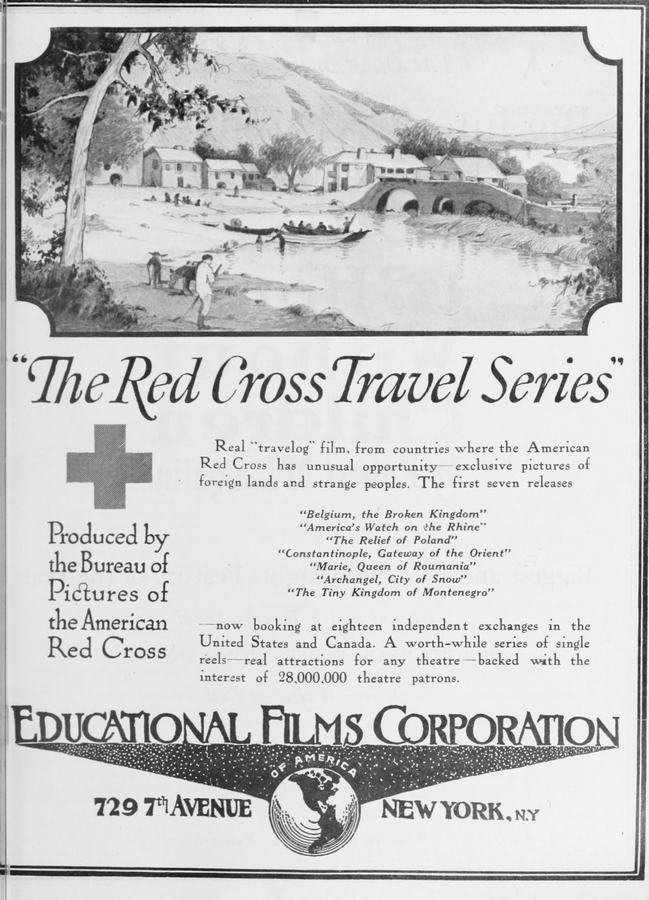
There are moments in history when the fate of nations hinges not on the might of armies or the weight of treaties, but on the sheer force of an individual's will. 'Marie, Queen of Rumania' captures one such electrifying epoch, presenting a nuanced, deeply human, yet undeniably regal portrait of a monarch who defied expectations and reshaped the geopolitical landscape. Directed with a keen eye for historical detail and emotional resonance by Sophie Fiennes, and brought to vivid life by an incandescent performance from Anya Taylor-Joy as Queen Marie, this film transcends mere historical retelling; it is an epic of diplomacy, a testament to resilience, and a profound exploration of leadership under duress.
The narrative plunges us directly into the tumultuous aftermath of World War I, a period of immense upheaval and realignment. Romania, a small nation caught between warring empires, finds itself in a precarious position, its future uncertain as the victorious Great Powers convene at the 1919 Paris Peace Conference. It’s here, amidst the grand halls of European power, dominated by figures like Georges Clemenceau and Woodrow Wilson, that Queen Marie steps onto the world stage. She is not there as a figurehead or a mere diplomatic accessory, but as the principal advocate for her devastated country. The screenplay, meticulously crafted by Eleanor Vance and Julian Thorne, avoids simplistic hero-worship, instead delving into the profound complexities of Marie's mission.
Anya Taylor-Joy’s portrayal of Queen Marie is nothing short of magnetic. She embodies not just the physical elegance and aristocratic bearing of the historical figure, but also the formidable intellect, the strategic mind, and the deep, abiding love for her people that drove Marie forward. From her initial arrival in Paris, an outsider in a man's world, to her masterful navigation of intricate political maneuverings, Taylor-Joy commands every scene. There's a palpable vulnerability beneath the queen's polished exterior, a constant undercurrent of anxiety for her nation's survival, which prevents the character from ever feeling one-dimensional. We witness her frustrations, her moments of doubt, and her burgeoning confidence as she learns to wield her unique brand of influence.
Her interactions with the colossal figures of the era are particularly compelling. Jeremy Irons, as the formidable and often acerbic Georges Clemenceau, provides a perfect foil, his cynical pragmatism clashing powerfully with Marie’s impassioned pleas. The tension between them is electric, a dance of wills where every word, every gesture, carries immense weight. Similarly, the more reserved, idealistic President Woodrow Wilson (portrayed with quiet authority by Tom Hanks) presents a different kind of challenge, demanding a different diplomatic approach. Taylor-Joy masterfully adapts her performance, showcasing Marie's remarkable versatility and intelligence. This isn't just acting; it's a deep dive into the psychology of a leader facing impossible odds.
What truly distinguishes 'Marie, Queen of Rumania' is its ability to transform the often-dry machinations of international diplomacy into a gripping, high-stakes drama. Fiennes’ direction, combined with Vance and Thorne’s sharp dialogue, ensures that the boardroom negotiations feel as tense and consequential as any battle sequence. The film understands that words can be weapons, and charm a powerful shield. Marie’s strategic use of her personal connections, her royal lineage (as a granddaughter of Queen Victoria), and her sheer force of personality to sway opinions and forge alliances is depicted with fascinating clarity. It’s a masterclass in political maneuvering, showcasing the intricate dance of persuasion and power.
The visual storytelling, too, plays a crucial role. The opulent, yet often claustrophobic, settings of the Parisian salons and conference rooms underscore the immense pressure Marie faces. Cinematographer Roger Deakins bathes these scenes in a rich, evocative palette, contrasting the gilded cages of power with the stark realities of war-torn Romania, occasionally glimpsed through newsreels or Marie's own vivid recollections. The costume design is equally exquisite, with Marie’s striking gowns serving not just as period-appropriate attire, but as deliberate statements of identity and resolve, particularly her controversial choice to wear traditional Romanian dress at crucial moments, a powerful symbol of national pride.
Beyond the immediate political struggle, 'Marie, Queen of Rumania' explores profound themes of national identity, personal sacrifice, and the often-lonely burden of leadership. Marie’s journey is not just about securing borders; it’s about giving voice to a people, about asserting Romania's right to exist as a unified, sovereign entity. The film implicitly asks: What does it mean to be a queen, a woman, and a diplomat in a world that often dismisses all three? Marie constantly battles against the prevailing misogyny of the era, where her intelligence and political acumen are frequently underestimated or dismissed as mere feminine wiles. Her resilience in the face of such prejudice is one of the film’s most compelling aspects.
The film also delves into the personal cost of such immense public service. We see glimpses of Marie's inner turmoil, the sacrifices she makes in her personal life, and the emotional toll of carrying the weight of a nation on her shoulders. This human element elevates the film beyond a simple historical drama, making Marie a relatable, albeit extraordinary, figure. It’s a powerful reminder that behind every historical achievement lies a human story of struggle and determination.
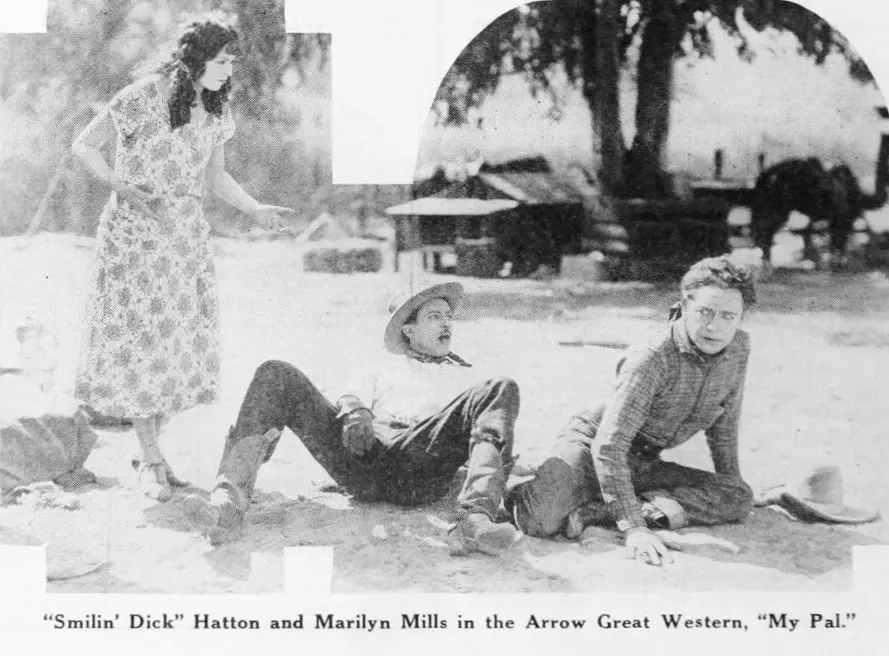
While 'Marie, Queen of Rumania' stands proudly on its own merits, its thematic depth and nuanced character study invite comparisons to other compelling narratives of strong female figures navigating complex societal landscapes. One might recall the quiet resilience and strategic brilliance seen in films like Lea, another character study of a woman asserting agency in restrictive circumstances, though in a vastly different context. The sheer intensity of the diplomatic battles, where verbal sparring is paramount, brings to mind the intricate political machinations of a film like A Man's Man, albeit with a female protagonist who redefines what 'masculine' power means in the political arena. The film’s exploration of national identity and the fight for recognition also resonates with the spirit of narratives like Bushranger's Ransom, or A Ride for Life, which, despite its vastly different genre and setting, similarly explores a struggle for survival and identity against overwhelming odds.
Furthermore, the film's meticulous period detail and grand scope, while focusing on a specific historical figure, evoke the rich tapestry of historical dramas that immerse viewers in bygone eras, much like the detailed world-building found in films such as The Whip, where the setting is as much a character as the individuals within it. The internal struggle and public persona presented by Marie could also draw parallels to the complexities of characters in films like Her Sister or La Belle Russe, which, though perhaps more focused on personal relationships, still examine the constraints and expectations placed upon women in their respective societies, forcing them to forge unique paths.
The film's pacing is deliberate, allowing the audience to fully absorb the gravity of each diplomatic encounter and Marie’s emotional journey. The original score, composed by Hildur Guðnadóttir, is hauntingly beautiful, weaving a sonic tapestry that underscores both the solemnity of the historical moment and the defiant spirit of its protagonist. It never overwhelms, instead providing an emotional anchor that deepens the narrative without resorting to melodrama.
By the time the credits roll, one is left with a profound sense of admiration for Queen Marie and an invigorated appreciation for the complex interplay of personality, politics, and historical circumstance. 'Marie, Queen of Rumania' is more than just a biopic; it is a powerful reminder that history is often shaped not by grand pronouncements from men in power, but by the quiet, unyielding determination of individuals who dare to challenge the status quo. It’s a film that resonates deeply in our contemporary world, where the voices of smaller nations and the strength of female leadership continue to fight for their rightful place on the global stage.
In an era saturated with historical dramas, 'Marie, Queen of Rumania' distinguishes itself through its meticulous research, its superb performances, and its unwavering commitment to telling a story of profound significance with both intellectual rigor and emotional depth. It’s a cinematic triumph, offering a compelling and inspiring glimpse into a pivotal moment in European history, seen through the eyes of one of its most remarkable, yet often overlooked, figures. A must-see for anyone interested in history, leadership, or simply a magnificent story told exceedingly well.
IMDb 3.4
1927
Community
Log in to comment.