DbcultAccessing Vault...
Cult Review
Senior Film Conservator
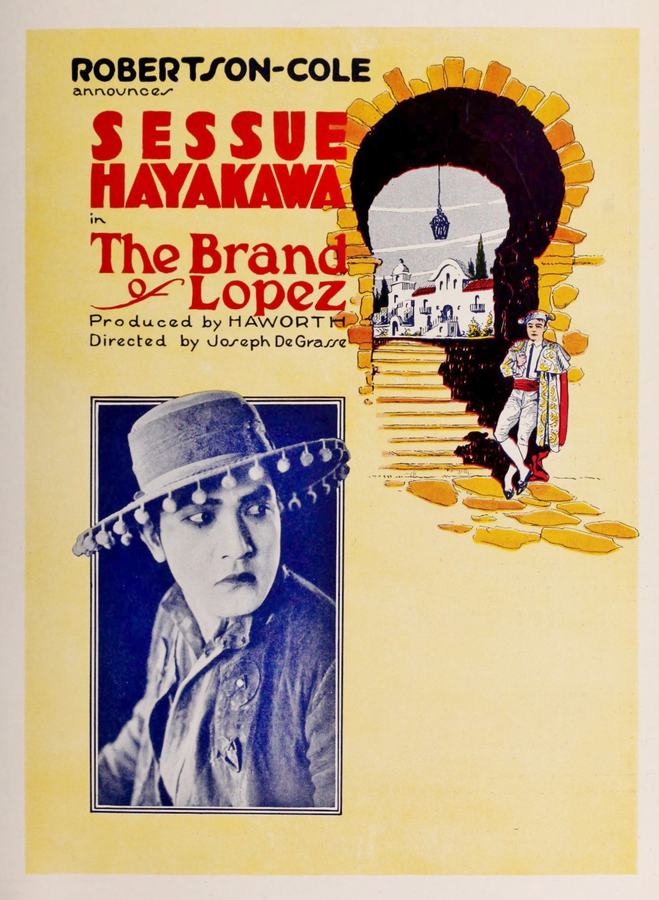
To witness The Brand of Lopez is to observe the intersection of early Hollywood stardom and the profound, often tragic, nuances of the immigrant experience in silent cinema. Sessue Hayakawa, an actor whose presence was as formidable as it was enigmatic, carries this 1920 production with a gravitas that few of his contemporaries could emulate. In an era where melodrama often leaned into the hyperbolic, Hayakawa’s performance as Vasco Lopez is a masterclass in the 'Muga' technique—a state of non-ego that allows for a devastatingly internalised portrayal of grief and fury. Unlike the more theatrical flourishes found in Trilby (1915), Hayakawa’s Vasco is a creature of stillness, a coiled spring waiting for the inevitable release of his vengeance.
The film opens with the vibrant, almost tactile energy of the bullring. Here, Vasco is not merely a man; he is a symbol of national pride, a dancer with death whose every movement is scrutinized by the adoring masses. The cinematography captures the dust and the heat with a surprising clarity for its age, establishing a world where honor is the only currency that matters. However, the narrative, penned by the deft hands of Richard Schayer and J. Grubb Alexander, quickly subverts this triumph. The introduction of the dancing girl—the catalyst for Vasco’s downfall—shifts the film into a darker, more cynical gear. This isn't just a story about a woman’s betrayal; it’s an exploration of how quickly a society that worships a hero will devour him when he falls from grace. It reminds me of the social ostracization depicted in Appearance of Evil, where the facade of morality is used as a weapon against the protagonist.
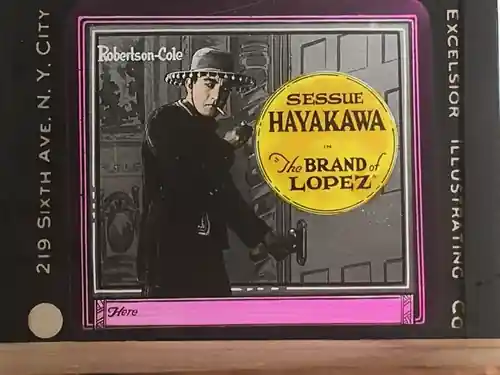
As Vasco is forced into the life of an outlaw, the visual palette of the film undergoes a transformation. The bright, open spaces of the arena are replaced by the craggy, shadow-drenched hideouts of the bandit. This transition is handled with a sophistication that rivals the atmospheric depth of The Flash of an Emerald. The 'brand' mentioned in the title is both literal and metaphorical. While the physical mark identifies him as a criminal, the emotional brand of the betrayal is what truly defines his new existence. The supporting cast, including the formidable Eugenie Besserer and the ethereal Evelyn Ward, provide a necessary human anchor to Vasco’s spiraling obsession. Besserer, in particular, brings a maternal weight that echoes her work in Tempest and Sunshine, offering a glimpse of the man Vasco might have been had the world been kinder.
One cannot overlook the structural integrity of the screenplay. Richard Schayer and J. Grubb Alexander were architects of early narrative tension, and here they weave a plot that feels surprisingly modern in its pacing. The revenge arc is not a straight line; it is a jagged path through the moral wilderness. They avoid the simplistic 'good vs. evil' tropes found in many contemporary shorts like How Uncle Sam Prepares, instead opting for a psychological realism that was rare for the time. The dialogue titles are sparse, allowing Hayakawa’s face to communicate the complex interplay of love and loathing that drives him toward his final confrontation with the dancer.
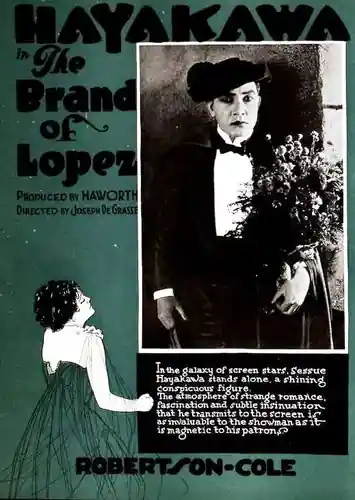
When placing The Brand of Lopez within the wider context of 1920s cinema, it stands out as a bridge between the Victorian sensibilities of the previous decade and the burgeoning realism of the jazz age. While Branding Broadway utilized the concept of 'branding' for comedic and urban social commentary, this film takes the notion to its most visceral, primal conclusion. It shares a certain thematic DNA with The Painted World, specifically in how it treats the artifice of performance—whether in the bullring or on the stage—as a mask for deeper, more dangerous impulses. The film also mirrors the gritty, survivalist undertones of Dikaya sila, suggesting a universal human preoccupation with the struggle against fate and social rejection.
The direction (often attributed to Joseph De Grasse, though the production's synergy suggests a collaborative effort) utilizes the landscape as a character itself. The mountains are not just scenery; they are the jagged edges of Vasco’s psyche. There is a specific scene involving a mountain pass that rivals the tension found in The Flower of No Man's Land. The use of light—flickering campfires against the oppressive blackness of the night—serves to highlight the isolation of the outlaw. In these moments, the film transcends its genre, becoming a meditation on the loneliness of the seeker. The revenge, when it finally arrives, is not the cathartic explosion the audience might expect, but a somber, almost ritualistic conclusion that leaves the viewer questioning the cost of such a victory.
The Brand of Lopez is more than just a vehicle for Sessue Hayakawa’s undeniable charisma; it is a poignant relic of a time when cinema was discovering its power to tell complex, adult stories without the need for spoken word. It lacks the whimsicality of The Matinee Girl or the domestic melodrama of Wife Number Two, choosing instead to dwell in the uncomfortable spaces of the human heart. For fans of silent film, it is an essential watch, providing a fascinating look at how early filmmakers handled themes of racial identity (implicitly, through Hayakawa’s casting) and the universal drive for justice. It stands alongside works like The Daughters of Men as a testament to the era's ability to tackle social hierarchy and personal ruin with unflinching honesty. If you seek a film that combines the spectacle of the old world with the psychological depth of the new, look no further than this scorched-earth tale of the matador who became a ghost.
Technical Note: The restoration of this film is crucial, as the interplay of light and shadow is fundamental to Hayakawa's performance. Much like the historical weight found in The Cavell Case, the preservation of such works allows us to see the foundations of modern cinematic storytelling.
IMDb —
1919
Community
Log in to comment.