DbcultAccessing Vault...
Cult Review
Senior Film Conservator
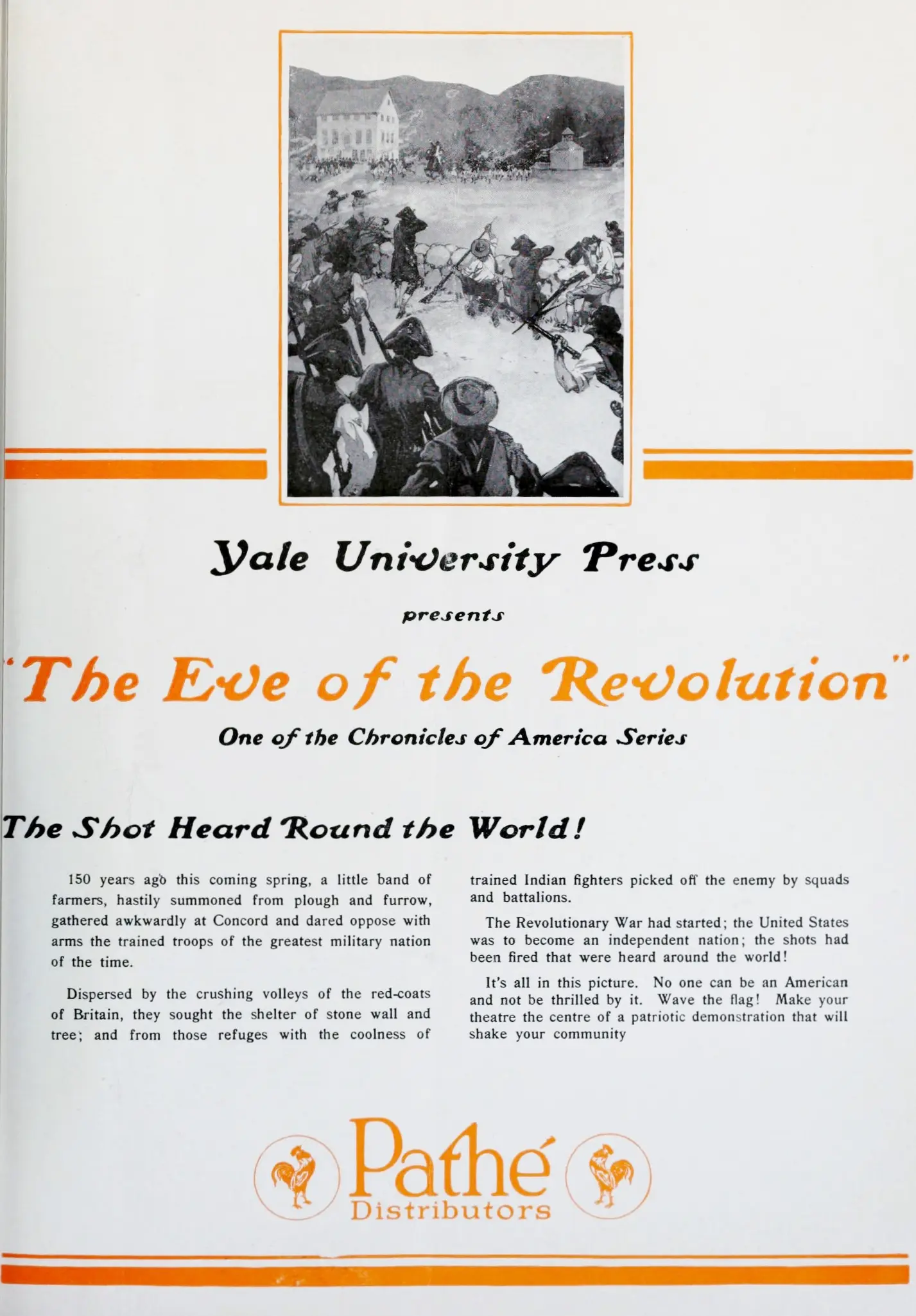
Stepping into the tumultuous decade preceding the American Revolution, George Pierce Baker's cinematic endeavor, The Eve of the Revolution, isn't merely a historical recounting; it's a vibrant, often harrowing, immersion into the very genesis of a nation. This film, a meticulous recreation of events unfolding in and around Boston from 1765 to 1775, manages to distill a complex, decade-long powder keg of political and social unrest into a compelling narrative that feels both grand in scope and intimately personal. It avoids the dry, didactic tone of a history lesson, instead opting for a dramatic, human-centered portrayal of a society grappling with profound questions of liberty, governance, and identity. The film is a masterclass in establishing atmosphere, drawing the viewer directly into the cobbled streets and simmering tension of colonial Boston, a city teetering on the precipice of an irreversible transformation.
What truly sets The Eve of the Revolution apart is its commitment to depicting the gradual, often agonizing, evolution of dissent. It doesn't present the revolution as an inevitable, sudden outburst, but rather as a slow burn, fueled by a series of escalating provocations and responses. We begin in 1765, a year marked by the Stamp Act, an imposition that sparked outrage not just for its economic burden but for its perceived violation of fundamental rights. The film adroitly illustrates the initial forms of protest: petitions, boycotts, and the formation of groups like the Sons of Liberty. There’s a palpable sense of a people awakening, slowly realizing the implications of distant parliamentary decrees on their daily lives. The early scenes, featuring figures like H.P. Woodley and Warner Richmond, capture a certain genteel, yet firm, resistance that gradually hardens into something far more radical. These aren't caricatures of patriots but individuals navigating an unprecedented political storm, their convictions forged in the crucible of escalating British policy.
The narrative structure, under Baker’s expert guidance, feels less like a chronological march and more like a rising crescendo. Each act of British assertion, from the Townshend Acts to the quartering of troops, is met with an amplified colonial reaction. The casting, featuring talents like Lee Beggs and the formidable Brian Donlevy, is instrumental in conveying this escalating tension. Donlevy, in particular, brings a nuanced intensity to his role, embodying the complex loyalties and burgeoning defiance that characterized many during this period. The film showcases the intricate dance between civil discourse and outright agitation, demonstrating how public opinion was swayed, how leaders emerged, and how the concept of 'British subject' slowly began to give way to 'American citizen.'
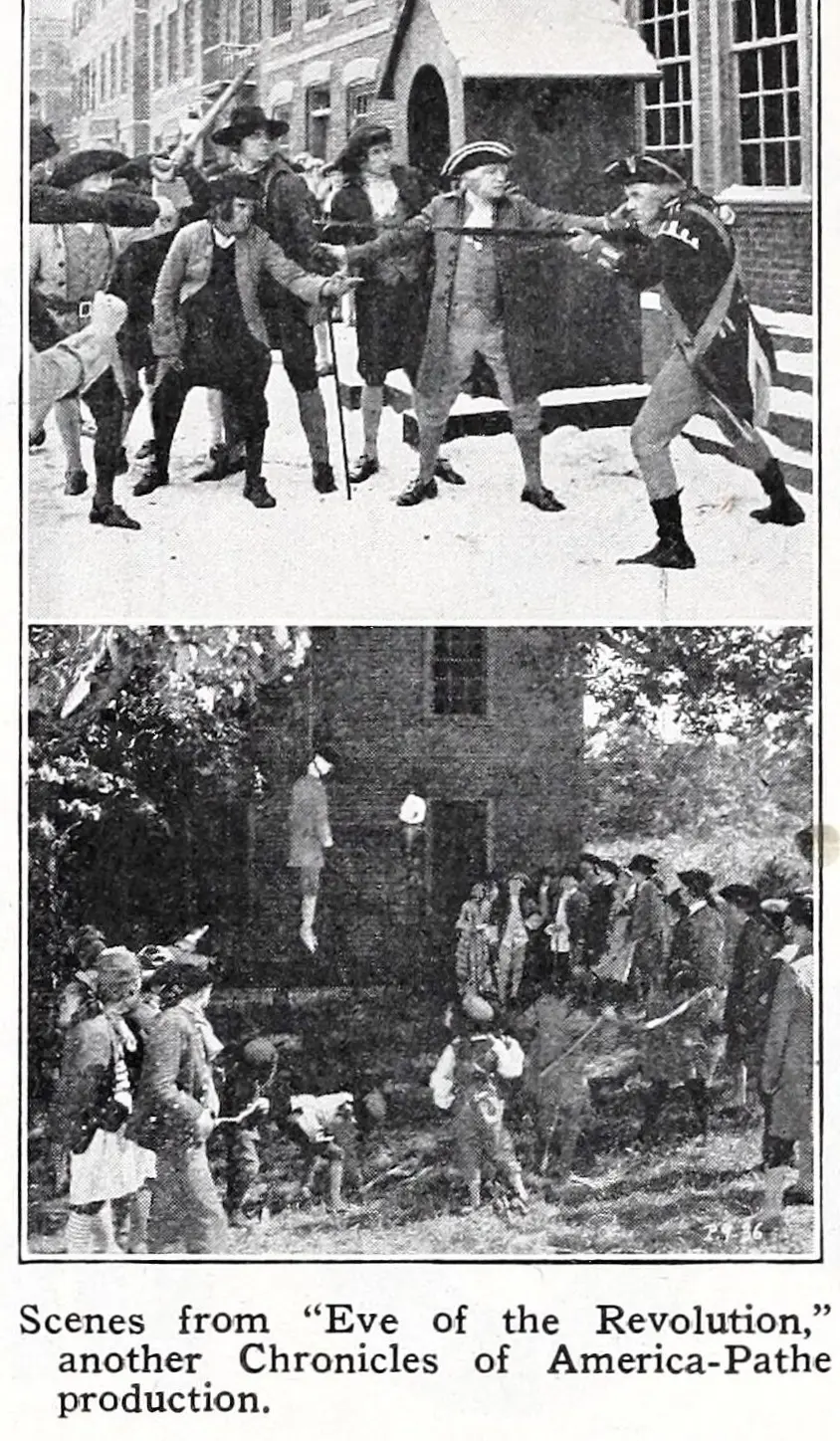
One of the film's most powerful aspects is its portrayal of the Boston Massacre. This isn't just a dry historical footnote; it's a traumatic turning point. The scene is rendered with a chilling immediacy, emphasizing the chaos, fear, and tragic inevitability of such an event when armed soldiers confront an agitated populace. The visual language employed here, even within the constraints of its era, is remarkably effective in conveying the horror and the subsequent outrage that galvanized the colonies. It’s a moment that irrevocably shifts the psychological landscape, pushing Bostonians, and by extension, other colonists, from mere protest to a deeper, more existential opposition. This pivotal event is handled with a gravity that underscores its profound impact on the revolutionary psyche, making it clear that the path to reconciliation was becoming increasingly narrow.
The ensemble cast truly shines in their collective efforts to inhabit this critical decade. J. Moy Bennett, Edward P. Finley, Henry Van Bousen, Wilfred Donovan, and Lew Johnson, among others, contribute to a richly textured tapestry of characters, representing the diverse cross-section of society caught up in the maelstrom. From impassioned orators to beleaguered shopkeepers, from resolute women supporting the cause to conflicted loyalists, the film paints a comprehensive picture of a community under immense pressure. Their performances lend an authenticity to the historical recreation, ensuring that the grand sweep of history never overshadows the individual human stories caught within it. There’s a genuine sense of individual struggle and communal resolve that resonates throughout, making the historical figures feel less like distant icons and more like relatable individuals facing impossible choices.
The dramatic crescendo of the film arrives with the Boston Tea Party, an act of audacious defiance that solidified the colonies' commitment to resistance. The recreation of this event is both visually striking and thematically profound. It's not just about destroyed tea; it's about a symbolic rejection of imperial authority, a declaration that the colonists would no longer tolerate taxation without representation. The film captures the raw energy and daring spirit of the participants, highlighting the personal risks involved in such an overt challenge to the Crown. This act, more than any other, signals the irreversible march towards armed conflict, setting the stage for the battles that would soon follow. It’s a moment of collective agency, where the people of Boston, through a single, defiant act, asserted their will against an empire.
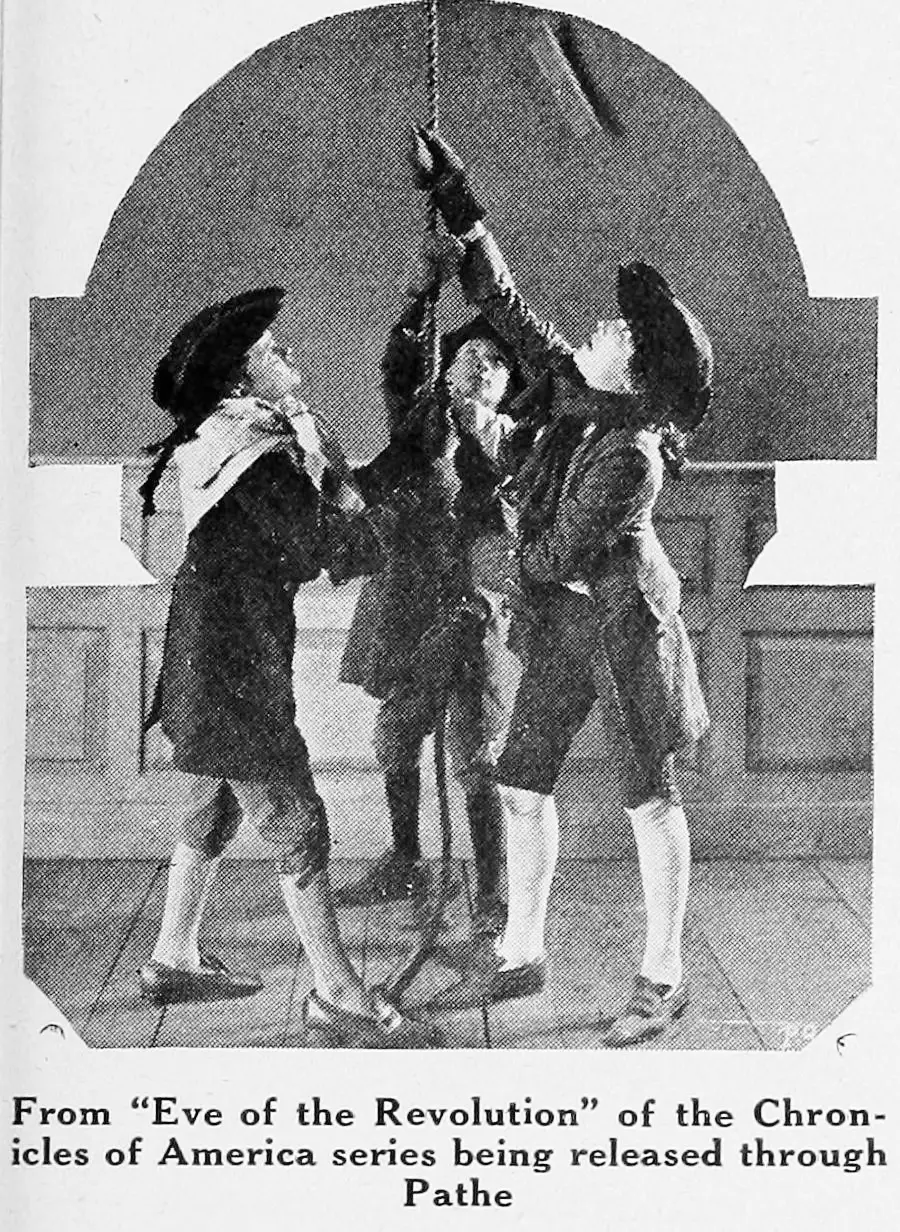
Baker's approach to historical storytelling is refreshingly nuanced. He doesn't shy away from the complexities and ambiguities inherent in revolutionary movements. While the film clearly champions the cause of liberty, it also implicitly acknowledges the difficult choices, the moral quandaries, and the human cost of such a profound societal upheaval. This layered perspective prevents the film from becoming a simplistic propaganda piece, elevating it instead to a thoughtful examination of historical forces and human agency. In this regard, it shares a certain thematic depth with films like The Seekers, which often explores the arduous journeys and foundational struggles of communities in nascent stages, grappling with both external threats and internal divisions. Both films, in their own ways, portray the forging of identity under duress, albeit in vastly different contexts.
Visually, the film is a triumph of period detail. The costumes, the sets, the bustling street scenes – all contribute to a vivid sense of immersion. One can almost smell the salt air of Boston Harbor and hear the clamor of its markets. This meticulous attention to authenticity serves not just as window dressing but as a crucial element in grounding the historical narrative. It allows the audience to suspend disbelief and truly feel transported to a pivotal moment in history. The cinematography, while perhaps not groundbreaking by modern standards, effectively uses its techniques to emphasize the growing claustrophobia and tension within the city, making Boston itself a character in the unfolding drama. The narrow alleys and crowded meeting houses become stages for destiny, illuminated by the flickering light of revolutionary fervor.
The writing, spearheaded by George Pierce Baker, is particularly commendable for its ability to weave historical fact with compelling dramatic arcs. Baker, a renowned figure in dramatic literature, brings an academic rigor tempered with a keen understanding of theatricality to the screenplay. The dialogue, while perhaps slightly formalized for modern ears, feels authentic to the period, echoing the rhetorical style of the era's great orators and pamphleteers. It's clear that every line, every scene, is carefully constructed to build upon the previous, propelling the narrative forward with an inexorable momentum. This craftsmanship is reminiscent of the disciplined storytelling required for historical epics like A Regiment of Two, where individual acts of heroism or defiance are carefully placed within a grander narrative tapestry, contributing to a larger, overarching conflict.
The film’s lasting impact lies not just in its historical accuracy, but in its ability to evoke the spirit of the age. It reminds us that the American Revolution was not a foregone conclusion, but a hard-fought struggle born of intellectual debate, economic grievances, and profound moral conviction. It highlights the courage required to challenge an established order and the sacrifices made by ordinary people for the sake of an extraordinary ideal. In an era where historical narratives can often feel distant, The Eve of the Revolution breathes life into the past, making the struggles of 1765-1775 feel remarkably relevant to contemporary discussions about freedom, governance, and the power of collective action. It's a foundational text in cinematic historical drama, providing a benchmark for how to transform complex historical events into engaging and enlightening cinema.
Watching The Eve of the Revolution today, one is struck by its enduring power to illuminate the origins of American identity. It’s a testament to the vision of George Pierce Baker and the dedicated cast and crew that a film recreating such a pivotal decade can still resonate so deeply. It encourages contemplation on the nature of patriotism, the responsibilities of citizenship, and the eternal struggle for self-determination. The film doesn't just present history; it invites us to reflect on its lessons, making it a vital piece of cinematic heritage that continues to inform and inspire. It’s a stark reminder that revolutions are not born overnight, but are the culmination of years of simmering discontent, courageous acts, and a collective belief in a better future, echoing the profound personal and societal shifts explored in films like The Right to Happiness, albeit on a much larger, national scale. The journey from colonial grievance to revolutionary fervor is depicted with an integrity that few historical dramas achieve, cementing its place as an essential viewing for anyone seeking to understand the formative years of the United States.
IMDb 5.4
1936
Community
Log in to comment.