DbcultAccessing Vault...
Cult Review
Senior Film Conservator
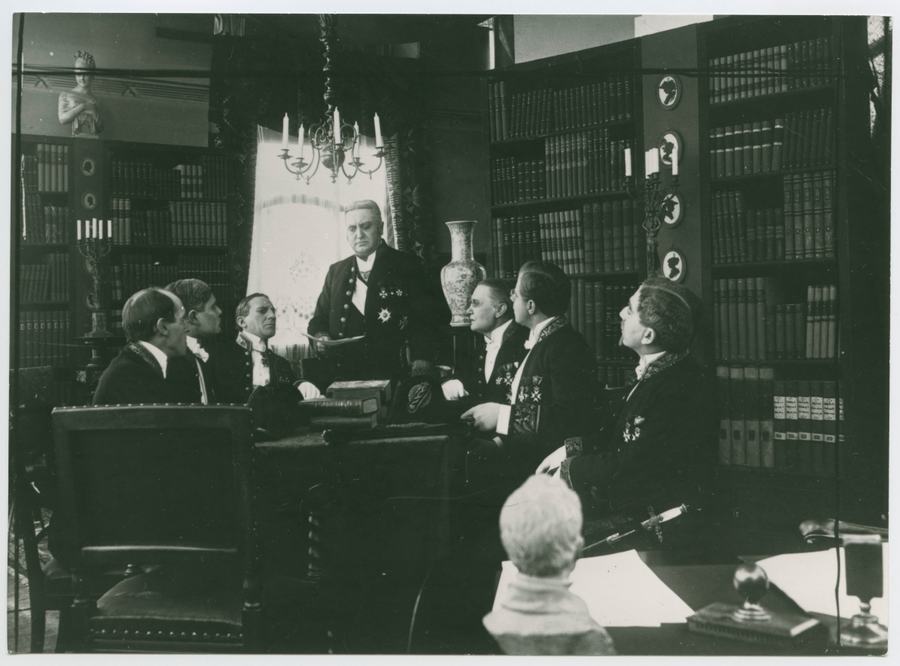
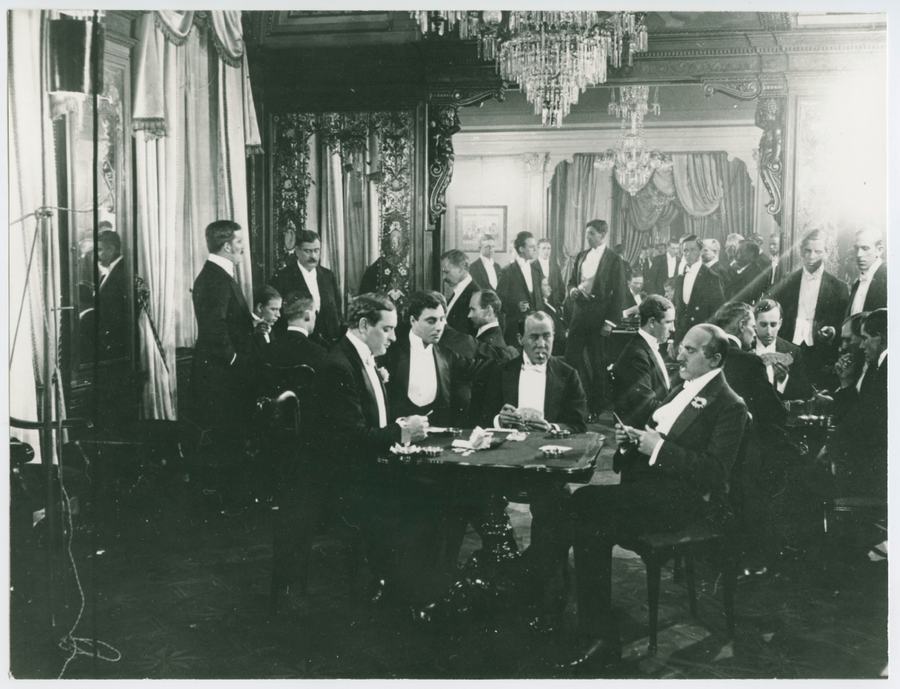
Mauritz Stiller’s Livets konflikter arrives like a half-remembered fever dream scraped from the Nordic winter—frames brittle as lake-ice, yet beneath the crackle of nitrate lies a political volcano scalding every social veneer it brushes. Stockholm, 1913: electric streetlights still feel illicit, women pin hats with daguerreotype dignity, and the camera dares to push faces so close you count pores and pulse beats. In this half-lit limbo two estranged confidants, Otto Berner (Nils Aréhn) and Charles Von Barton (Richard Lund), lock antlers over a single parliamentary clause that could yank Sweden toward suffrage and free trade or keep it mummified in baronial privilege. Their feud is no polite tea-table debate—it detonates in duels of rhetoric, midnight raids on printing presses, and ballroom whispers sharp enough to shred debutante gloves.
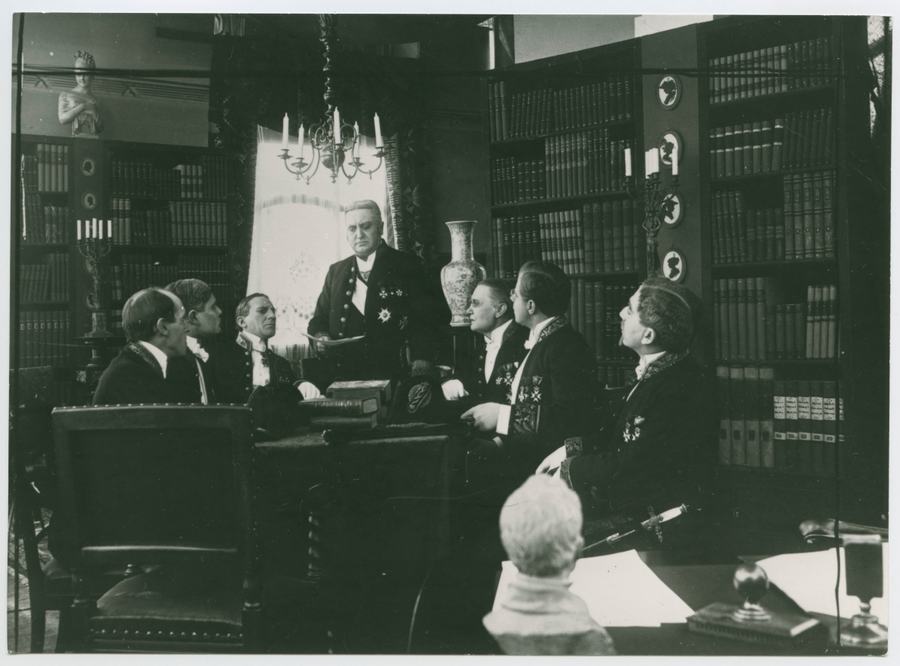
Stiller, never a director content to let history sit pretty, chops sequences into jagged montage: a clenched jaw, a torn leaflet, Greta Pfeil’s paintbrush slashing vermilion across canvas like a wound. Intertitles are weaponized haikus—white letters on obsidian that punch harder than most talkies manage two decades later. The austerity of Scandinavian décor becomes psychological topography; every candelabra shadow stretches like a noose, every parquet squeak anticipates betrayal.
Aréhn embodies Otto with the brittle magnetism of a man who has memorized every Enlightenment tract yet flinches from his own pulse. Watch the way he removes pince-nez in a single swipe, as though clarity itself were a burden. Lund’s Charles, by contrast, is a granite statue learning to bleed—his shoulders squared by centuries of heraldry, but eyes flickering with the dread that time’s lease might expire before he proves his relevance.
Greta Pfeil, essayed by the luminous Jenny Tschernichin-Larsson, refuses the cliché of muse-turned-casualty. She paints not merely to love but to see, and when her seascapes start swallowing the men’s rhetoric whole, the film tilts into modernity: art as both witness and insurgent.
Cinematographer Henrik Jaenzén chiaroscuros interiors until faces resemble marble busts arguing with ghosts. Exterior Copenhagen exteriors (doubling for Stockholm) are soaked in pewter skies that spit sleet, turning cobblestones into reflective black mirrors—every footstep an echo chamber of conspiracy. Compare this to the open-air optimism of Glacier National Park or the biblical pageantry of From the Manger to the Cross; Stiller’s Nordic chiaroscuro feels like inhaling shards of frozen iron.
Peter Lykke-Seest’s scenario, lean as whalebone, lets silence metastasize. The most savage blows land off-screen: a rejected handshake, a door left ajar, a woman’s glove slumped on parquet like shed skin. Yet for all its restraint, the screenplay anticipates the expressionistic psychosis of later Stiller works and even the moral vertigo found in The Student of Prague.
Contemporary exhibitors often paired the picture with live Grieg or Sibelius. Cue those tremolo strings and suddenly the flickering silence becomes an abyss that swears allegiance to neither side—only to the ache of choices fossilized in time.
Where Les Misérables moralizes revolution through cosmic justice, Livets konflikter sees politics as gangrene of memory. While The Redemption of White Hawk uses landscape as moral testing ground, Stiller weaponizes drawing-room claustrophobia. The result is less catharsis than corrosion: you exit not cheering a victor but mourning the friendship executed on the altar of conviction.
Does the film totter under the weight of its own solemnity? Occasionally, yes—particularly in a mid-act ballroom where rhetoric circles like vultures for an eternity. Yet such stumbles feel like necessary bruises, proof that Stiller refuses to sand down contradictions for the comfort of narrative symmetry. Restoration prints circulating via Stockholm’s Filmhuset reveal details obliterated on bootleg rips: the glimmer of a tear trapped in beard stubble, newsprint ink bleeding onto white gloves, the way candle-flame trembles when ideology hardens into vendetta.
Score: 9/10 — A corrosive jewel of Nordic silent cinema, equal parts elegy and indictment. Essential for anyone tracing the DNA from Sjöström’s spiritual awe to Bergman’s chamber torment.
Watch it on a frost-bitten evening, volume low enough to hear your own heart argue with itself about what you would betray to stay true.
IMDb —
1924
Community
Log in to comment.