DbcultAccessing Vault...
7.6/10
Senior Film Conservator

A definitive 7.6/10 rating for a film that redefined the boundaries of cult cinema. Living Buddhas remains a cornerstone of transgressive art.
The film opens with an intriguing shot of two scientists, Heinrich Schroth and Carl Ebert, meticulously examining a seemingly ordinary document. However, their curiosity quickly turns into a dangerous game when they realize the document is a Sutra, a sacred text revered by Tibetans. This discovery sets the stage for an intense and suspenseful narrative that intertwines elements of adventure, political intrigue, and cultural exploration.
Rather than presenting a straightforward plot, 'Living Buddhas' weaves a rich tapestry of events. The duo becomes entangled in the theft of this precious Sutra, which has been stolen from a Tibetan monastery. Their actions, driven by a mix of academic curiosity and personal ambition, thrust them into the world of Tibetan mysticism. The film skillfully juxtaposes their modern, rational approach with the ancient, spiritual significance of the Sutra, creating a dialogue between the old and the new.
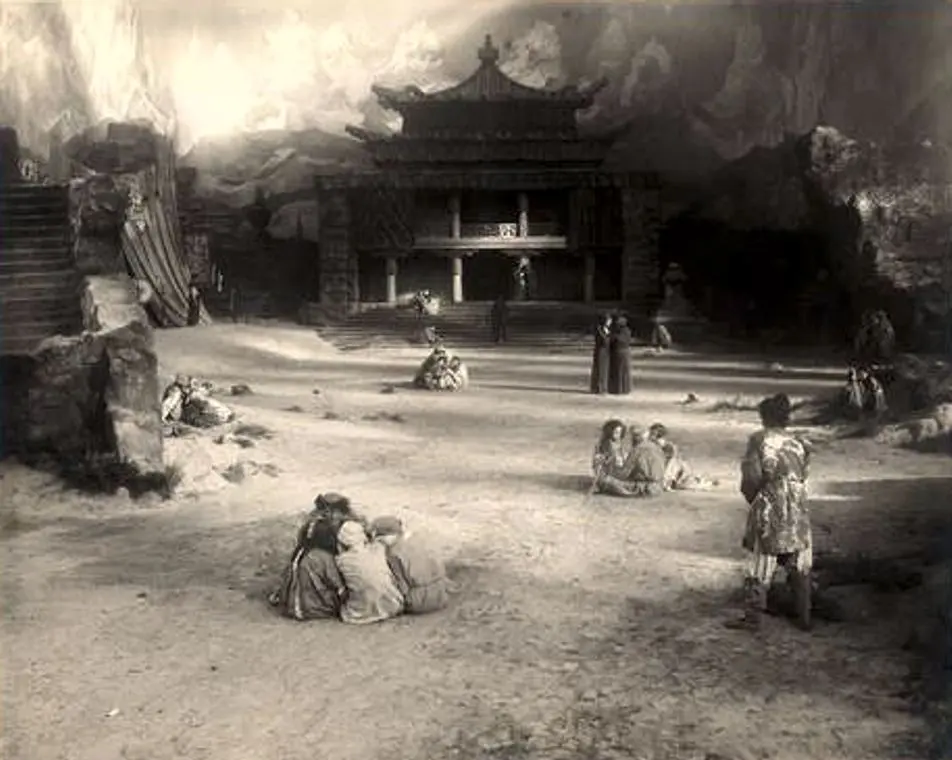
The plot thickens as they embark on a perilous journey to rescue a Tibetan girl named Asta Nielsen. This subplot adds a layer of emotional depth to the narrative, highlighting the human cost of their actions. The girl, portrayed with a poignant expression, becomes a symbol of the film's spiritual themes, representing the delicate balance between tradition and change.
One of the scientists, Heinrich Schroth, is apprehended by the authorities, while the other, Carl Ebert, continues the mission to recover the Sutra. This split narrative creates a sense of tension and urgency, as both characters must navigate their respective challenges. Schroth's arrest adds a layer of personal stakes, forcing him to confront his own ethical dilemmas and the consequences of his actions.
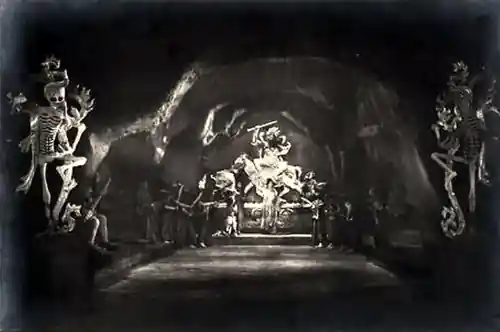
The film's exploration of Tibetan culture and spirituality is both fascinating and nuanced. Through the eyes of the characters, we witness the beauty and complexity of Tibetan traditions, including rituals, customs, and the reverence for spiritual texts. This cultural immersion is not just a backdrop; it becomes an integral part of the plot, adding depth and authenticity to the narrative.
Director Hans Stürm and co-writer Paul Wegener have crafted a film that is both a thrilling adventure and a meditation on the intersection of tradition and modernity. The cinematography, with its stunning shots of Tibetan landscapes and sacred sites, enhances the film's atmospheric quality. The use of natural light and shadow creates a sense of mystery and intrigue, drawing the audience deeper into the story.
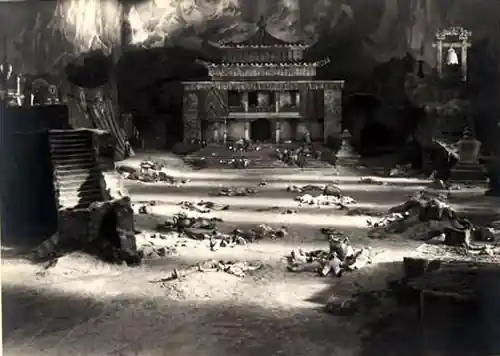
The performances are a key strength of the film. Asta Nielsen, while not a household name, delivers a compelling performance as the young Tibetan girl. Her presence adds a sense of authenticity and emotional resonance to the narrative. The supporting cast, including Heinrich Schroth and Carl Ebert, bring a mix of intensity and vulnerability to their roles, making the characters relatable and complex.
One of the film's most compelling aspects is its handling of ethical dilemmas. The scientists' actions, driven by a desire to uncover the truth, have unintended consequences. This raises questions about the responsibilities of scholars and the impact of their work on local communities. The film does not shy away from these complexities, offering a nuanced exploration of the gray areas in academic and cultural pursuits.

The score, composed to complement the visual and narrative elements, plays a crucial role in setting the tone. The use of traditional Tibetan music, along with subtle Western influences, creates a rich auditory experience that enhances the film's cultural authenticity. The music serves as a bridge between the two worlds, reflecting the film's thematic concerns.
'Living Buddhas' stands out in its portrayal of a historical and cultural period that is often overlooked in mainstream cinema. While it may not have the same direct appeal as more contemporary films, its value lies in its ability to bridge different cultural perspectives and historical moments. The film invites viewers to reflect on the importance of cultural preservation and the ethical considerations of academic pursuits.
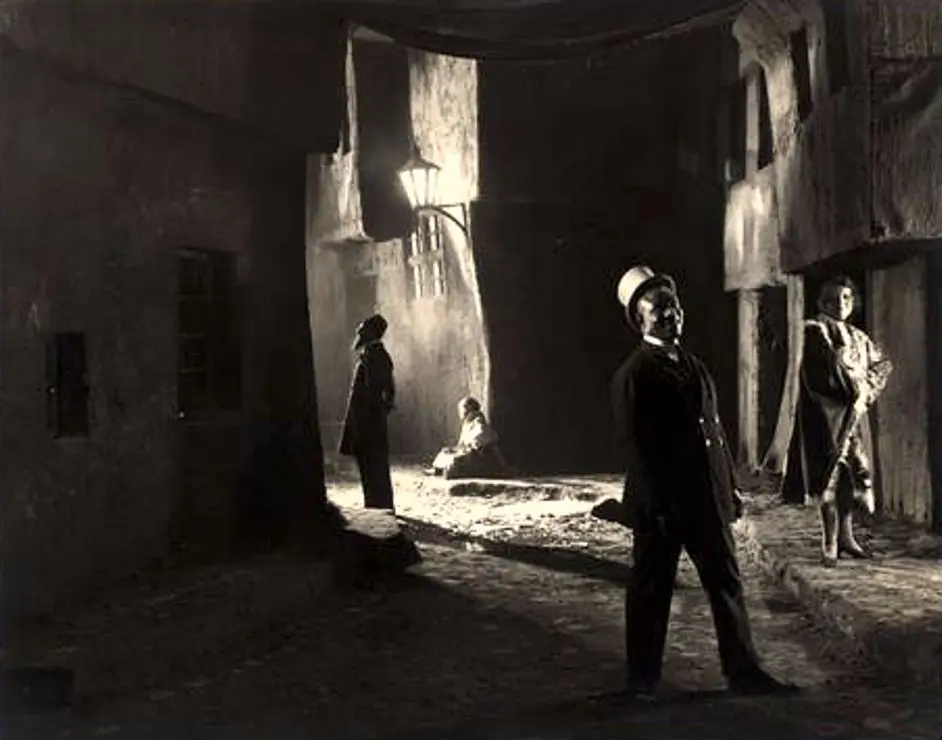
For those interested in historical adventure films or those with a fascination for Tibetan culture and spirituality, 'Living Buddhas' offers a unique and thought-provoking experience. It is a film that demands attention and rewards viewers with its intricate narrative, rich cultural insights, and powerful performances. While it may not be as well-known as some of its contemporaries, it certainly holds its own and offers a fresh perspective on a lesser-explored era.
Comparatively, 'Living Buddhas' shares some thematic similarities with films like 'Fesseln' and 'The Book Agent,' both of which delve into the intersection of academic pursuits and cultural conflicts. However, its unique blend of adventure, cultural exploration, and spiritual themes sets it apart, making it a fascinating addition to any film enthusiast's collection.
In conclusion, 'Living Buddhas' is a film that invites viewers to step into a world of cultural mystery and ethical dilemmas. It is a testament to the power of cinema to bridge different worlds and perspectives, offering a profound and engaging experience.

IMDb —
1919
Community
Log in to comment.