DbcultAccessing Vault...
Cult Review
Senior Film Conservator
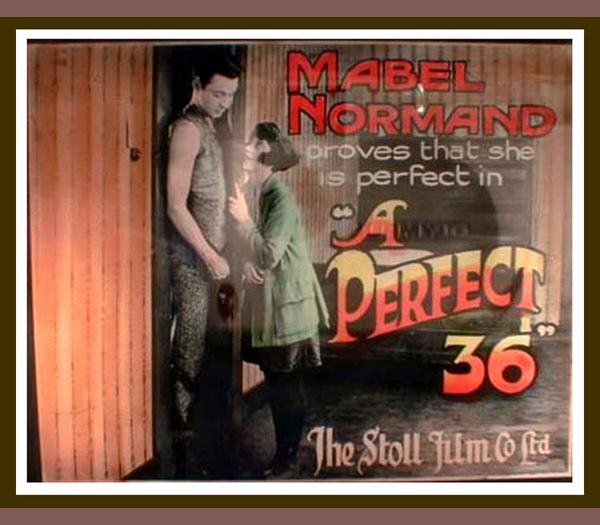
From the moment the flickering images of 'A Perfect 36' grace the screen, one is immediately captivated by the effervescent energy of Mabel Normand. This isn't merely a silent film; it's a vibrant testament to the comedic genius and magnetic screen presence of one of cinema's earliest and most influential stars. Directed by Tex Charwate, this narrative masterpiece, despite its age, retains a remarkable freshness, a testament to its expertly crafted plot and the sheer charisma of its lead. It's a journey into the heart of early 20th-century slapstick, yet it transcends mere physical comedy, offering a surprisingly sophisticated narrative arc wrapped in layers of mistaken identity and delightful absurdity.
Our narrative plunges us into the world of Mabel, a spirited domestic operative within a local boardinghouse. Her days are punctuated not just by chores, but by an irrepressible penchant for pranks, a delightful, albeit disruptive, trait that serves as both her charm and her eventual undoing. Mabel is not malicious; her mischief stems from an overflowing zest for life, a desire to inject levity into the mundane. Yet, as is often the case with such free spirits, societal norms eventually catch up. The sheer audacity of her japes, though often harmless, eventually culminates in her inevitable dismissal. This pivotal moment, rather than a descent into despair, acts as a catalyst, propelling our protagonist into an entirely unforeseen trajectory. It’s a classic setup for a hero's journey, albeit one paved with corsets and comedic chaos.
Normand, even in these initial scenes, establishes Mabel as a force of nature. Her expressions, her physicality, her very presence convey a bubbling vitality that makes her dismissal feel less like a tragedy and more like an unavoidable prelude to adventure. The supporting cast, including Edward Bernard and Flora Zabelle, provide solid, if somewhat understated, foils to Normand’s dazzling performance, setting the stage for the ensuing pandemonium.
Just as despair threatens to settle, fortune, in its capricious manner, intervenes. Mabel stumbles upon, or perhaps more accurately, inherits, the professional paraphernalia of a traveling corset saleswoman. This sudden acquisition is a stroke of narrative genius, transforming our erstwhile maid into an unlikely entrepreneur. The image of Mabel, a woman whose previous occupation revolved around tidying and serving, now tasked with peddling intimate apparel, is inherently humorous. It speaks to the era's changing perceptions of women's roles, even if presented through a comedic lens. This transition is not merely a plot device; it's a commentary on adaptability and the unexpected paths life can forge.
The film doesn't dwell on the logistics of her new career, but rather uses it as a springboard for the subsequent hijinks. It's a brilliant stroke of economy in storytelling, characteristic of the silent era where visual cues and swift plot progression were paramount. Mabel’s newfound profession takes her to a small coastal town, a picturesque setting that soon becomes the backdrop for her next, and most perplexing, predicament. The decision to take a refreshing dip in the ocean, a moment of innocent respite, inadvertently triggers the central conflict of the film. This sequence, brief but impactful, showcases Normand's ability to convey a range of emotions, from carefree joy to burgeoning panic, without uttering a single word.
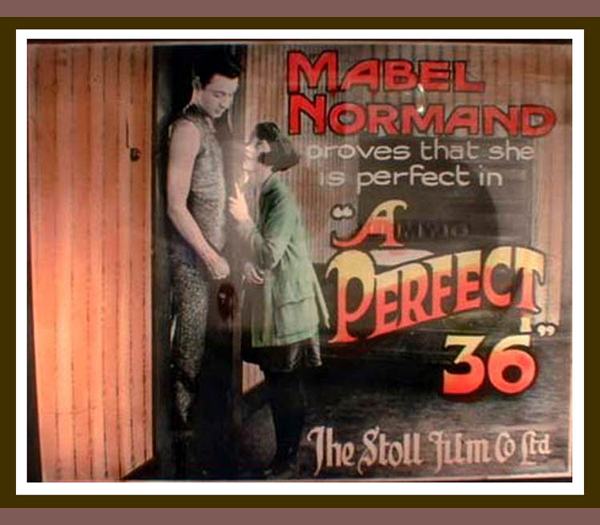
The moment Mabel emerges from the invigorating embrace of the waves, she discovers a truly catastrophic turn of events: her suitcase, containing all her worldly possessions, including her only other set of clothes, has vanished. Clad only in her bathing suit, a garment far too revealing for the societal conventions of the time, she is thrust into an utterly mortifying and hilariously desperate situation. This image of a scantily clad woman frantically searching for her attire would have been scandalous and uproarious in its day, a testament to the film's willingness to push boundaries within the confines of comedy.
Her frantic quest for her stolen belongings soon takes a bewildering turn. She learns that the local constabulary, having identified the suitcase as belonging to a notorious jewel thief, are now hot on *her* trail. The irony is delicious: Mabel, an innocent victim of theft, is now the prime suspect in a high-stakes robbery. This classic mistaken identity trope is expertly handled, generating continuous comedic tension and providing ample opportunities for Normand to showcase her physical comedy prowess. The chase sequences, a staple of silent cinema, are executed with a vibrant energy, transforming Mabel's personal plight into a public spectacle of pursuit and evasion.
In its depiction of a woman navigating a world that has suddenly turned against her, 'A Perfect 36' subtly echoes themes found in other silent films where individuals are caught in webs of misunderstanding. One might draw a parallel to the plight of characters in films like Which Woman?, where identity becomes a fluid and dangerous construct, or even the more dramatic The Terror, where the chase is far less humorous but equally relentless. However, 'A Perfect 36' consistently maintains its lighthearted tone, ensuring that Mabel's predicament, while dire, always remains within the realm of comedic escapade.
The climax of 'A Perfect 36' delivers a truly unexpected, yet perfectly logical, resolution. After a series of thrilling adventures, near-captures, and comedic escapes, Mabel finally unearths the astonishing truth: the entire jewel robbery, which entangled her friend Lena and launched Mabel into her personal odyssey of mistaken identity, was nothing more than an elaborate publicity stunt. This revelation is a stroke of genius, transforming what seemed like a genuine crime into a meta-commentary on the burgeoning world of media and public perception. It speaks to the growing power of advertising and the lengths to which people would go to garner attention, even in the early days of the 20th century. This twist elevates the film beyond simple slapstick, adding a layer of clever social satire.
The involvement of Lena, a friend, in this grand deception adds another layer of complexity to Mabel's journey. It's not just a random act; it's a scheme that inadvertently ensnares someone she knows, highlighting the ripple effects of such elaborate hoaxes. The film concludes with a satisfying sense of resolution, leaving the audience with a chuckle and an appreciation for the intricate plot woven by writer Tex Charwate.
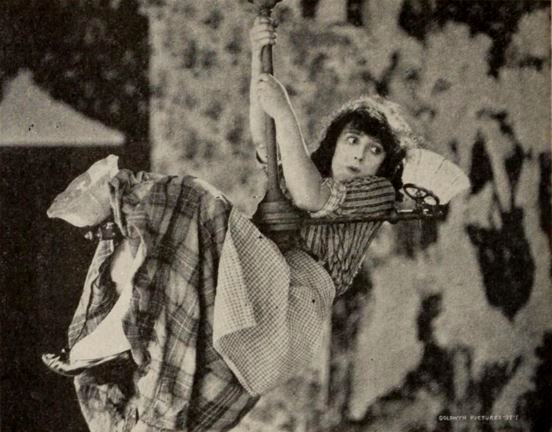
At the heart of 'A Perfect 36' lies the incomparable talent of Mabel Normand. Her performance is a masterclass in silent film acting. She doesn't just play a character; she embodies a vibrant spirit. Her expressive face, capable of conveying a spectrum of emotions from wide-eyed innocence to exasperated frustration, is a perpetual source of amusement. Her physical comedy is impeccable, displaying a remarkable agility and timing that rivals any of her male contemporaries. From her playful pranks in the boardinghouse to her frantic dashes in a bathing suit, Normand's every movement is imbued with purpose and comedic intent.
Normand's appeal wasn't just her comedic timing; it was her ability to make her characters relatable and endearing, even in their most outrageous predicaments. She possessed a unique blend of vulnerability and resilience, making audiences root for her through every misadventure. This film is a shining example of why she was one of the highest-paid and most beloved stars of her era, a trailblazer whose influence can still be felt in comedic performances today. Her portrayal of Mabel is a testament to the power of a strong female lead in a genre often dominated by male comedians.
'A Perfect 36' is a testament to the sophisticated craftsmanship of silent era filmmaking. Despite the absence of dialogue, the narrative flows seamlessly, propelled by visual storytelling, intertitles, and the expressive performances of the cast. The pacing is brisk, never allowing a moment of boredom to creep in. The use of chase sequences, a hallmark of the period, is particularly effective here, building tension and delivering laughs in equal measure. One can observe parallels with the thrilling car chases in films like The Scarlet Car, though 'A Perfect 36' infuses its pursuits with an undeniable comedic flair.
Tex Charwate's writing is particularly noteworthy. The plot, with its intricate layers of mistaken identity and its surprising resolution, demonstrates a keen understanding of comedic structure and audience engagement. It's not just a series of gags; it's a meticulously planned narrative that builds to a genuinely satisfying conclusion. The way the film slowly unravels the mystery of the jewel robbery, culminating in the meta-twist of a publicity stunt, is remarkably clever for its time, showcasing an awareness of media manipulation that feels surprisingly contemporary.
The supporting cast, including Louis R. Grisel, Leila Romer, and Rod La Rocque, provide competent performances that enhance Normand's brilliance without overshadowing it. Their reactions, their contributions to the comedic set pieces, and their overall presence help to build a believable, if exaggerated, world for Mabel to inhabit. They are the essential cogs in the comedic machinery that allows Normand's star to shine so brightly.
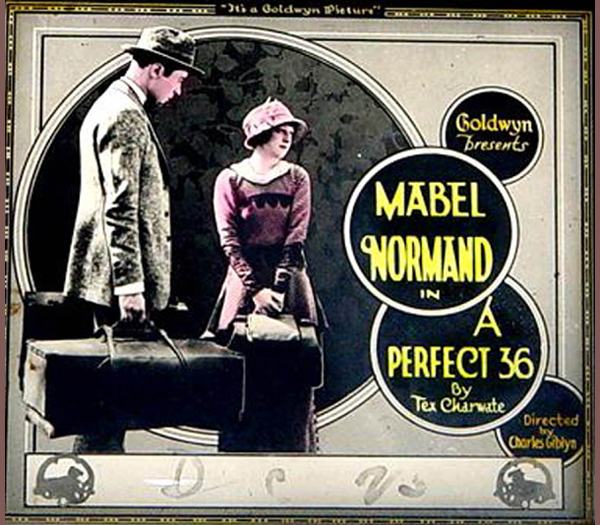
Beyond the laughter, 'A Perfect 36' touches upon several themes that resonate even today. The theme of female agency, for instance, is subtly explored. Mabel, despite her initial dismissal, quickly adapts and carves out a new path for herself, even if it's an accidental one. Her resourcefulness and resilience in the face of adversity are admirable. This echoes the spirit of other films of the era that depicted women navigating new opportunities and challenges, such as in Her Great Chance, where female protagonists often grappled with societal expectations and personal ambitions.
The film also playfully critiques the nascent media landscape and the power of spectacle. The entire jewel heist being a publicity stunt is a remarkably insightful commentary on the lengths to which individuals and companies would go to capture public attention. It foreshadows the age of manufactured celebrity and viral marketing, making the film's conclusion feel surprisingly prescient. It's a reminder that the desire for fame and attention is not a modern phenomenon, but a deeply ingrained human trait that filmmakers were already exploring over a century ago.
The juxtaposition of Mabel's innocent mischief with the elaborate deception of the publicity stunt is also noteworthy. It suggests a spectrum of 'sin' or transgression, from harmless pranks to calculated manipulation. While not as overtly moralistic as a film titled Sin might be, 'A Perfect 36' nonetheless invites a chuckle at the various ways people bend the rules, whether for fun or for profit.
'A Perfect 36' is more than just a historical curiosity; it's a vibrant, entertaining, and surprisingly clever film that holds up remarkably well. It serves as a fantastic introduction to the genius of Mabel Normand, whose comedic timing and infectious charm are simply irresistible. For anyone interested in the origins of cinematic comedy, the evolution of storytelling, or simply in enjoying a good laugh, this film is an absolute treat. It reminds us that sometimes, the most perfect moments in cinema are found in the most unexpected places, often clad in a bathing suit and desperately searching for a suitcase full of corsets.
The film's ability to blend physical comedy with a smart, engaging plot, capped off by a genuinely surprising twist, solidifies its place as a significant piece of silent film heritage. It's a testament to the enduring power of well-crafted storytelling and the timeless appeal of a truly gifted performer. So, if you ever find yourself pondering the depths of early cinema, or simply in need of a joyous escape, do yourself a favor and seek out 'A Perfect 36' – you won't be disappointed by this delightful, perfectly proportioned piece of cinematic history.
IMDb 6.9
1933
Community
Log in to comment.