DbcultAccessing Vault...
Cult Review
Senior Film Conservator
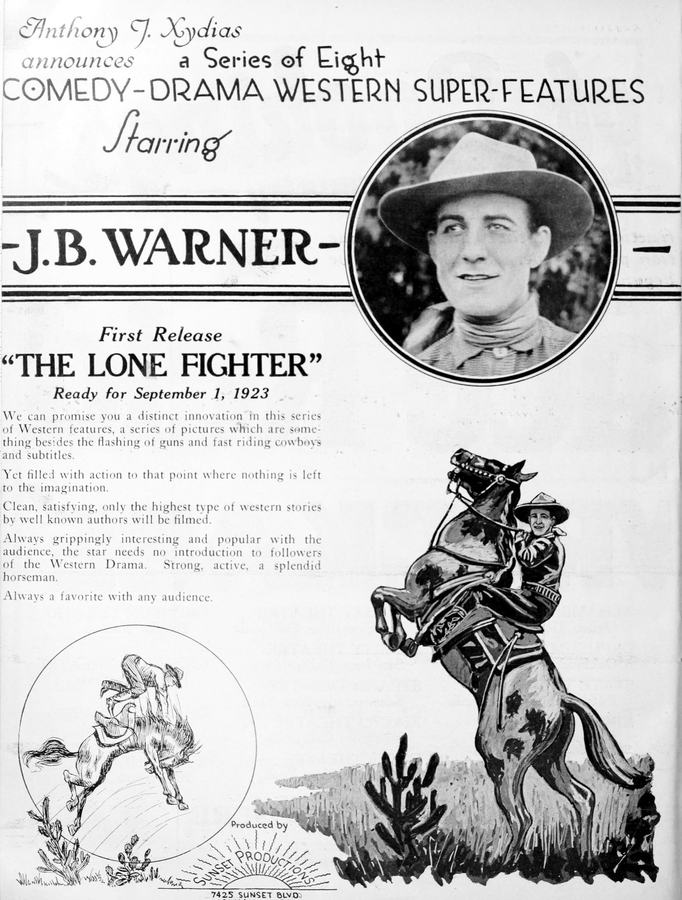
Lone Fighter opens with a sun‑bleached tableau of dust‑caked plains, where the wind seems to carry whispers of betrayal. The cinematography, though constrained by the era’s technological limits, captures a stark chiaroscuro that mirrors the film’s thematic dichotomy: law versus lawlessness, love versus manipulation. J.B. Warner’s portrayal of Texas Ranger Certain Lee is a study in restrained intensity; his eyes, often narrowed against the glare of the desert sun, convey a resolve that rarely needs verbal affirmation. This visual storytelling aligns with the subtle directorial choices reminiscent of the way Kentucky Days employed landscape as a character in its own right.
The screenplay, while ostensibly simple—a love‑struck heroine, a duplicitous rustler, and a heroic ranger—unfolds with a layered architecture that rewards attentive viewing. The initial act establishes the emotional stakes through Josephine Hill’s nuanced performance; she oscillates between innocence and a burgeoning steeliness, foreshadowing her eventual agency. The rustler, embodied by Vester Pegg, is not merely a caricature of evil; his dialogue hints at a calculated ambition, a trait that echoes the political undercurrents found in An Affair of Three Nations. The pacing accelerates as Lee’s arrival disrupts the status quo, and the film cleverly intersperses moments of quiet introspection with high‑octane chase sequences, maintaining a rhythmic balance that prevents narrative fatigue.
Warner’s Certain Lee is a paragon of the stoic Western hero, yet he is imbued with a subtle vulnerability that surfaces in his interactions with Hill’s heroine. Their chemistry, while restrained by the era’s production codes, flickers in lingering glances and restrained gestures. Joe Ryan’s rustler, on the other hand, exudes a charismatic menace; his smirk is a visual shorthand for the duplicity that fuels the plot’s central conflict. The supporting cast—Jim Gamble as the loyal sidekick and Josephine Hill’s love interest—provide a chorus that enriches the primary narrative without diluting focus. Notably, the film’s treatment of the heroine’s betrayal and redemption predates the more overt feminist subtexts seen in later Westerns such as Queen of the Turf.
At its core, Lone Fighter grapples with the notion of justice as a mutable construct. The rustler’s ability to manipulate legal mechanisms underscores a critique of institutional corruption—a motif that resonates with contemporary audiences familiar with systemic abuse. The prison sequence, rendered in stark shadows, serves as a visual metaphor for the emotional confinement experienced by the heroine, who is trapped between loyalty to her lover and the intoxicating promise of the rustler’s false affection. The climactic showdown, staged beneath a blood‑red sky, symbolizes the shedding of illusion and the emergence of authentic allegiance. These visual and narrative symbols echo the allegorical depth found in Homunculus, albeit within the Western genre’s visual vocabulary.
Cinematographer’s use of natural light creates a palette dominated by ochres and deep blues, punctuated by the occasional flash of orange fire—a color scheme that the film’s promotional material later adopted. The background score, though modest, employs a plaintive harmonica motif that underscores moments of longing, while the occasional orchestral swell accentuates the action set‑pieces. Production design excels in its authenticity: the rusted wagons, the weathered saloon, and the cramped jail cell all convey a tactile sense of place. These details, combined with the film’s practical effects—most notably the staged horse chase—demonstrate a craftsmanship that rivals the technical prowess of The Claw.
When positioned alongside its contemporaries, Lone Fighter stands out for its emphasis on female agency. While many Westerns of the early 1930s relegated women to peripheral roles, this film grants its heroine a decisive narrative arc: she transitions from a pawn in the rustler’s scheme to a catalyst for justice. This evolution anticipates the more complex portrayals found in later works such as A Midnight Romance. Moreover, the film’s moral ambiguity—particularly the initial suspicion cast upon Certain Lee—adds a layer of psychological depth that aligns it with the genre‑bending tendencies of Der Kampf mit dem Drachen.
Although Lone Fighter did not achieve the box‑office heights of its more flamboyant peers, its influence persists in the subtle ways it reshaped gender dynamics within the Western narrative. Modern filmmakers cite its nuanced heroine as a precursor to the strong, independent women who now populate the genre. The film’s exploration of corruption within law enforcement resonates in today’s sociopolitical climate, offering a timeless cautionary tale. As streaming platforms resurrect forgotten classics, Lone Fighter enjoys a modest resurgence, inviting new audiences to appreciate its blend of action, romance, and moral inquiry.
Lone Fighter delivers a compelling synthesis of classic Western tropes and progressive character development. Its direction is assured, its performances are earnest, and its visual composition remains striking despite the passage of nine decades. For aficionados of the genre seeking a film that balances rugged frontier mythos with an undercurrent of social commentary, this title offers a rewarding experience. The film’s enduring charm lies in its ability to entertain while prompting reflection on the nature of justice, love, and redemption.
IMDb 7.3
1933
Community
Log in to comment.