DbcultAccessing Vault...
Cult Review
Senior Film Conservator
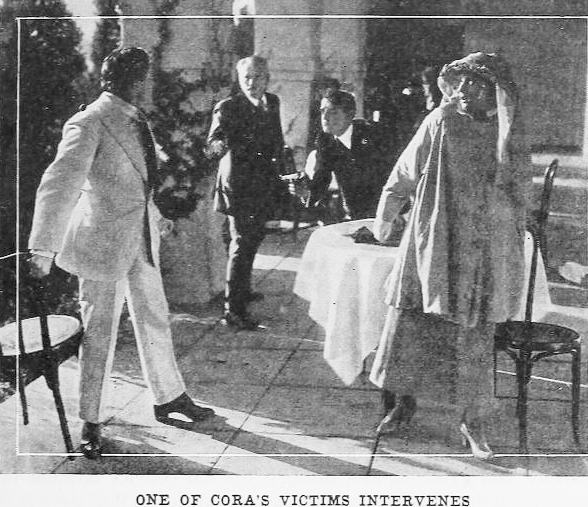
In the annals of early cinema, few figures shine as brightly or with as much directorial acumen as Lois Weber. Her 1915 film, The Flirt, stands as a testament to her profound understanding of human nature and her unparalleled ability to translate the subtleties of social drama onto the silver screen. Adapted from Booth Tarkington’s novel, this cinematic endeavor transcends mere melodrama, offering a penetrating character study wrapped in the guise of a romantic entanglement. It’s a film that demands a closer look, not just for its historical significance as a work by a pioneering female director, but for its enduring relevance in exploring the intricate dance of attraction, ego, and genuine connection.
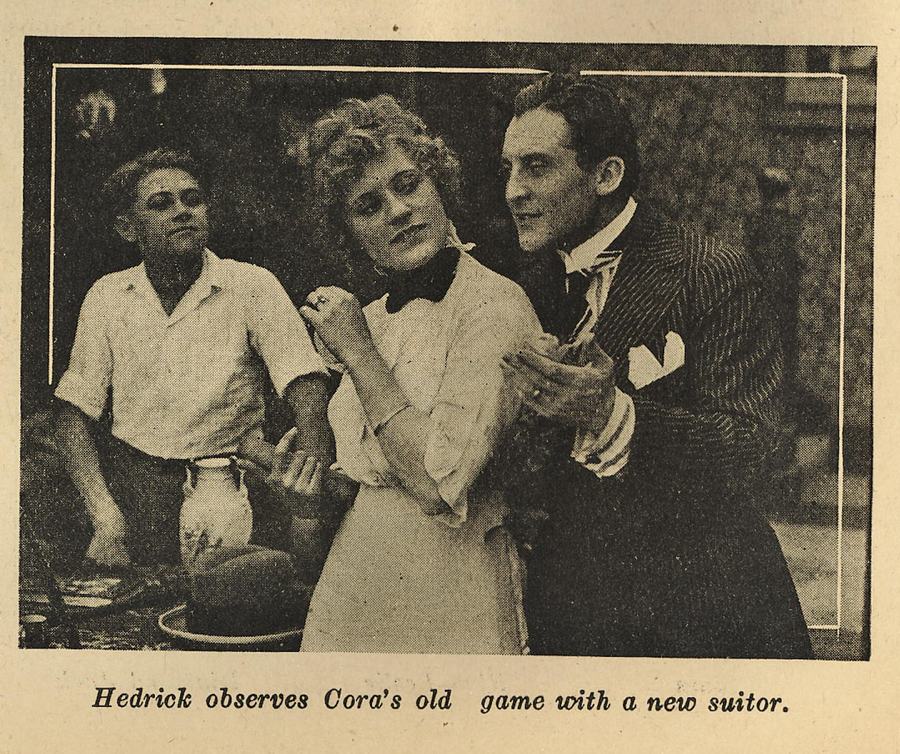
At its heart, The Flirt introduces us to Cora Madison, portrayed with captivating vivacity by Marie Walcamp. Cora is not merely a young woman; she is a force of nature, a social architect whose every gesture and glance is meticulously calculated to ensnare and subsequently discard the affections of every eligible bachelor within her orbit. Her family, prominent and respected, serves as both a backdrop and a catalyst for her behavior, providing the societal playground where her game of hearts unfolds. Walcamp’s performance is a masterclass in silent-era acting, conveying a spectrum of emotions from haughty amusement to dawning confusion with a mere tilt of the head or a fleeting expression. She embodies the era's ideal of feminine charm, yet subverts it with a sharp, almost cruel, intelligence.
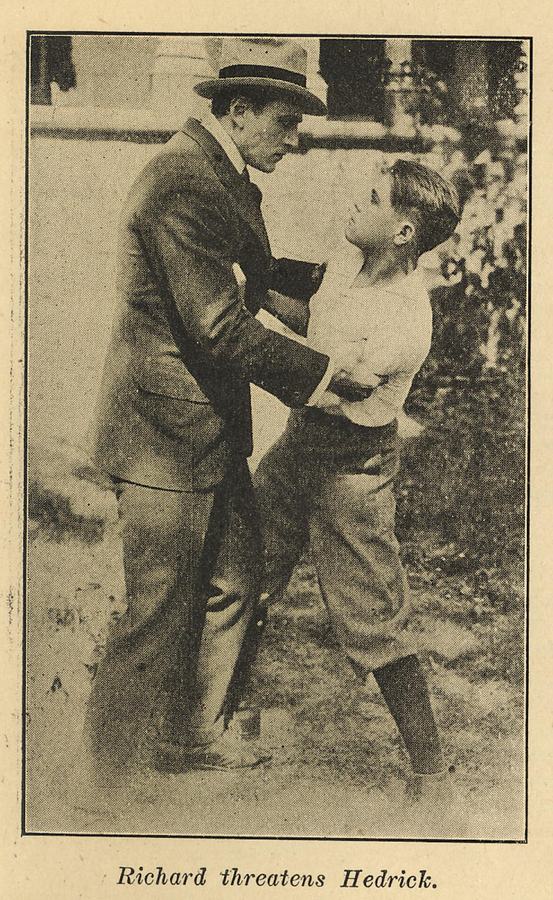
Cora’s world, a carefully constructed edifice of fleeting conquests and ego gratification, encounters an unforeseen seismic shift with the arrival of Valentine Corliss. This newcomer, whose presence is initially unremarkable, quickly proves to be an immovable object to Cora’s irresistible force. He doesn't play by her rules; he doesn't fall at her feet with the predictable adoration she has come to expect. This defiance, this utter lack of conventional response, sparks in Cora a mixture of frustration, curiosity, and, ultimately, a profound self-reckoning. It's a classic narrative device, the disruptor challenging the established order, but under Weber’s direction and Tarkington’s narrative, it feels fresh and authentic. The tension between Cora’s practiced allure and Valentine’s steadfast indifference forms the central pillar of the film’s dramatic thrust.
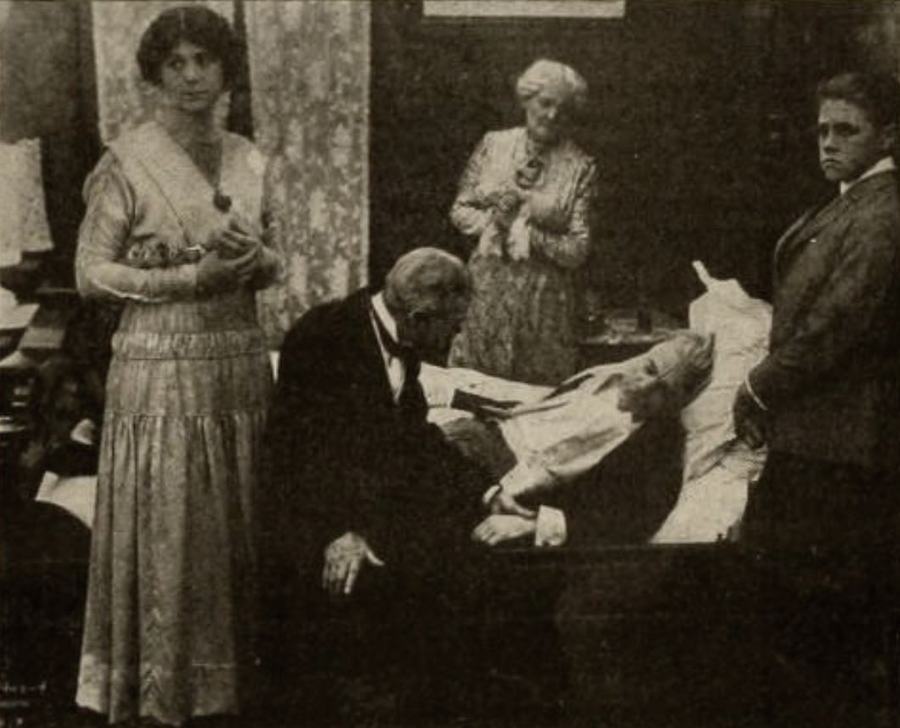
The exploration of pride versus genuine affection is a recurring motif throughout the film. Cora’s flirtations are less about connection and more about validation, a relentless pursuit of confirming her own power and desirability. Valentine, however, represents a different paradigm – one of sincerity, integrity, and an unwillingness to engage in superficial games. This contrast is not merely a clash of personalities but a deeper philosophical inquiry into the nature of relationships. Are they transactional, built on power dynamics, or are they forged in the fires of mutual respect and understanding? The film doesn't shy away from depicting the often-painful process of Cora shedding her carefully cultivated defenses, revealing a vulnerability she has long suppressed. It brings to mind the intricate social machinations and the consequences of moral choices explored in other period pieces, such as The Scales of Justice, though The Flirt delves deeper into the psychological underpinnings of its protagonist's transformation.
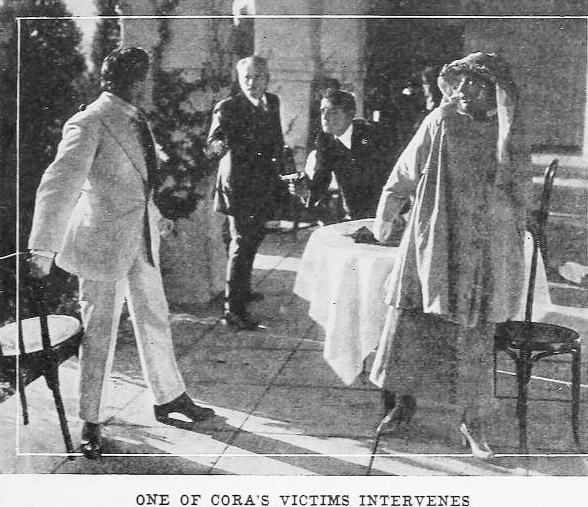
Lois Weber’s directorial vision is nothing short of extraordinary. She possessed an uncanny ability to imbue her films with both a strong moral compass and a nuanced psychological depth. Here, she masterfully uses visual storytelling to convey Cora’s internal turmoil. Close-ups are employed judiciously, highlighting the subtle shifts in Walcamp’s expressions, allowing the audience to witness the gradual erosion of Cora's bravado. The pacing is deliberate, allowing the character development to unfold organically, resisting the urge for sensationalism in favor of emotional authenticity. Weber's understanding of blocking and composition ensures that every frame contributes to the narrative, whether it's the crowded social gatherings that emphasize Cora’s performative existence or the quieter, more intimate scenes that reveal her nascent self-awareness. Her craft as a storyteller stands proudly alongside the works of other cinematic pioneers, perhaps even surpassing some in her thematic ambition, much like the bold narrative choices found in Il fuoco (la favilla - la vampa - la cenere), though Weber often grounded her narratives in a more accessible realism.
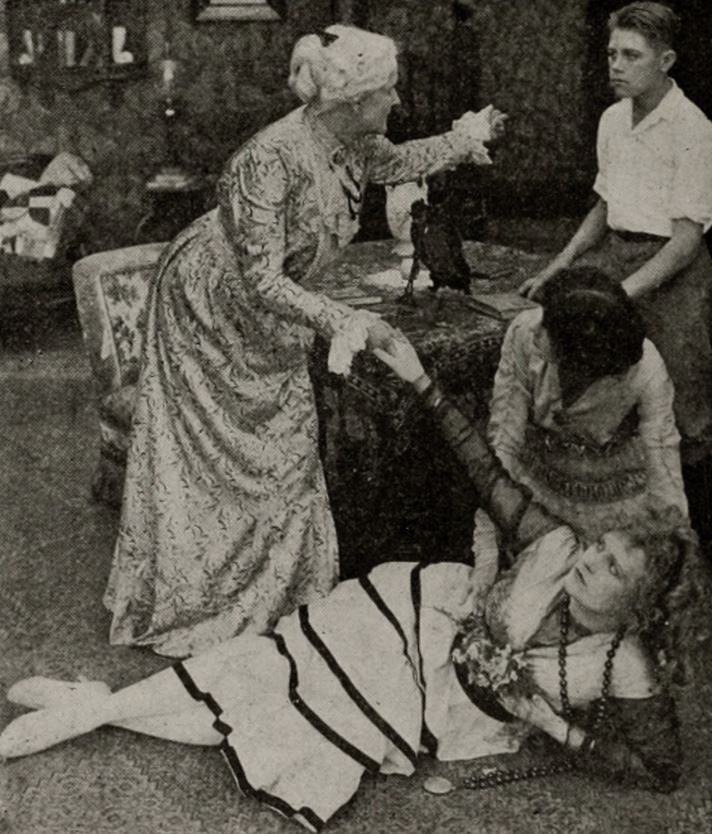
The supporting cast, while not always given the same expansive screen time as Walcamp, contributes significantly to the film’s rich tapestry. Ogden Crane, Antrim Short, and Fred Church portray various suitors, each representing a different facet of Cora’s conquests, from the earnest to the easily manipulated. Their collective presence underscores the extent of Cora’s power and the superficiality of her social circle. Grace Benham and Nanine Wright, likely portraying family members or societal matriarchs, provide the grounding context of Cora’s environment, their reactions often mirroring the societal judgment or approval that implicitly shapes Cora’s actions. Paul Byron, Robert Lawler, Robert Dunbar, and Juan de la Cruz round out the ensemble, each adding texture to the bustling world of the Madison family and their community. Their performances, though silent, speak volumes through their gestures, their gazes, and their carefully choreographed interactions, painting a vivid picture of early 20th-century American society. The ensemble's cohesive efforts ensure that the world Cora inhabits feels fully realized, a crucial element for a narrative so heavily reliant on social dynamics.
The film’s aesthetic, typical of the era, relies heavily on intertitles to convey dialogue and crucial plot points. However, Weber’s skill lies in minimizing their necessity, allowing the visual narrative to carry much of the emotional weight. The cinematography, while perhaps not as overtly experimental as some later silent films, is effective in its clarity and ability to capture the intimate details of character interaction. The costumes and sets are authentic to the period, transporting the viewer back to a time of formal social engagements and burgeoning modernity. There’s a particular scene, for instance, where Cora, accustomed to her effortless charm, finds her usual tactics entirely ineffective against Valentine. The subtle shift in her posture, the flicker of confusion in her eyes – these are the moments where Weber’s direction truly shines, transforming a simple encounter into a profound psychological turning point. It's a level of nuanced performance and direction that elevates The Flirt beyond typical fare, much like the thoughtful character studies found in Three Strings to Her Bow, though Weber’s thematic scope often felt more expansive.
What makes The Flirt particularly compelling is its surprisingly modern take on female agency and the performative aspects of identity. Cora, initially, is defined by her social role and her ability to manipulate it. Her journey is one of liberation, not from societal constraints necessarily, but from her own self-imposed emotional prisons. She learns that true connection requires authenticity, a vulnerability she initially despises. This narrative arc resonates deeply even today, as individuals grapple with public personas versus private selves, and the often-disarming nature of genuine emotional intimacy. Lois Weber, through her writing (alongside Booth Tarkington) and direction, crafted a character who is flawed, frustrating, yet ultimately relatable in her human struggle for meaning beyond superficiality. It’s a compelling argument for the timelessness of well-executed storytelling, echoing the universal themes of transformation seen in films like As You Like It, but with a distinctly American, early 20th-century social lens.
In conclusion, The Flirt is far more than a relic of the silent film era; it is a vibrant, incisive piece of cinematic art that continues to speak volumes about human relationships and the complexities of the heart. Lois Weber’s masterful direction, combined with a stellar performance by Marie Walcamp and a thoughtful narrative from Booth Tarkington, creates a film that is both entertaining and intellectually stimulating. It’s a powerful reminder of the profound contributions of early female filmmakers and the enduring power of silent cinema to explore deep psychological truths. For anyone interested in the evolution of film, the history of women in cinema, or simply a compelling story of self-discovery, The Flirt is an indispensable viewing experience, a bright star in the firmament of classic Hollywood that continues to shine with undiminished brilliance. Its insights into human behavior remain as sharp and pertinent as they were over a century ago, solidifying its place as a truly significant work in cinematic history, a film that, like a captivating conversation, stays with you long after the final frame.
IMDb —
1928
Community
Log in to comment.