DbcultAccessing Vault...
5.2/10
Senior Film Conservator
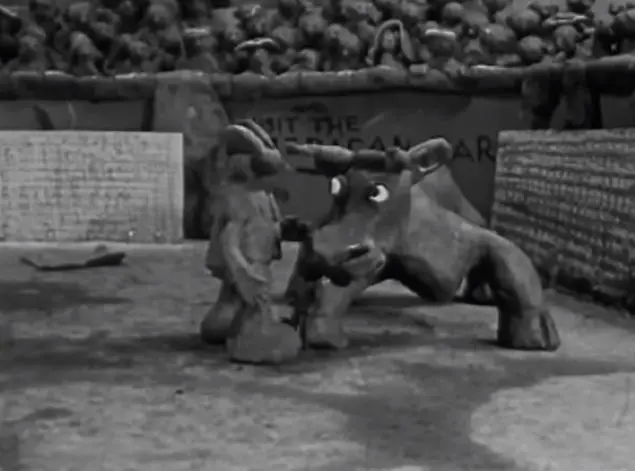
A definitive 5.2/10 rating for a film that redefined the boundaries of cult cinema. Long Live the Bull remains a cornerstone of transgressive art.
Is this film worth watching today? Short answer: No, unless you are a dedicated archivist of the strange and the stilted.
This film is for viewers who find joy in the unintentional comedy of early cinema's dramatic leaps; it is absolutely not for anyone seeking a genuine romantic connection or a coherent narrative arc.
1) This film works because it accidentally highlights the absurdity of the 'test of love' trope that dominated early 20th-century storytelling.
2) This film fails because the transition from a gentle musician to a bullfighter is handled with the grace of a falling piano.
3) You should watch it if you want to see a performance by Joseph Sunn that oscillates wildly between total apathy and sheer terror.
To be blunt, Long Live the Bull is a relic that hasn't aged into a classic, but rather into a curiosity. If you are looking for the technical mastery found in Sherlock Jr., you will be deeply disappointed. This film lacks the rhythmic editing and physical genius of Keaton.
However, there is a certain charm in its failure. The film attempts to capture the soul of Barcelona, but it feels like it was shot by someone who had only ever seen a postcard of Spain. It’s a tourist’s view of passion.
The stakes are supposedly high—life or death in the ring—but the execution is so flat that you never truly fear for the protagonist. It is a movie that demands you lean into its flaws to find any enjoyment.
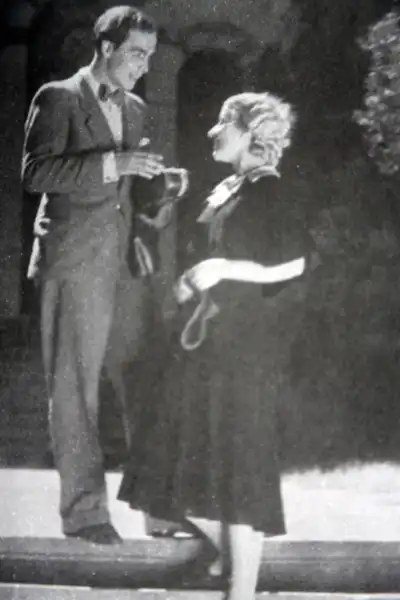
Joseph Sunn is not a name that echoed through the halls of Hollywood history, and after watching this, it is easy to see why. His portrayal of the nameless guitarist is largely internal, which is a polite way of saying he doesn't do much with his face.
In the opening scenes, where he is meant to be serenading his love, he looks less like a man in the throes of passion and more like a man trying to remember if he left the stove on. Compare this to the raw emotionality seen in The Woman Pays, and Sunn’s performance feels like a cardboard cutout.
There is a specific moment where he first looks at the bullring. The camera lingers on him for a full ten seconds. He is supposed to be contemplating his mortality. Instead, he just looks slightly annoyed by the sun.
This lack of charisma makes the central romance feel hollow. Why does she want him to fight a bull? Why does he agree? The film doesn't provide emotional logic; it only provides a plot point.
The cinematography tries to evoke a sense of Mediterranean heat, but the lighting is often inconsistent. One scene in a courtyard feels intimate and well-composed, while the next in the arena looks washed out and overexposed.
Unlike the atmospheric depth of The Light That Failed, which uses shadow to convey internal struggle, Long Live the Bull is relentlessly bright. This brightness robs the story of its supposed gravity.
The bullfighting sequences themselves are a mess of editing. It is clear that Sunn was nowhere near a real bull for most of the filming. The cuts between the actor and the actual livestock are jarring and break any sense of immersion.
It reminds me of the disjointed action in The Kelly Gang, but without the historical grit that made that film feel essential. Here, the artifice is the only thing on display.
For a film that culminates in a life-or-death struggle, the pacing is incredibly lethargic. We spend an inordinate amount of time watching people walk through doorways and sit at tables.
There is no sense of escalating tension. In a better film, the training for the bullfight would be a montage of growth or a series of comedic failures. Here, it is just a series of scenes where characters talk about things that we never see.
It shares this sluggish DNA with A Prince of India, where the grandeur of the setting is expected to do the heavy lifting for a weak script. It doesn't work. A beautiful backdrop cannot save a boring story.
The film finally finds some energy in the final ten minutes, but by then, the audience has likely checked out. The 'twist' regarding how the bullfight goes is the only moment of genuine cleverness in the entire runtime.
Pros:
Cons:
The central conceit—that a woman would only love a man if he fights a bull—is treated with total seriousness. This is where the film loses its grip on the audience.
In School for Wives, we see social satire used to examine gender roles. Long Live the Bull, however, doesn't seem to realize it is a satire. It plays the scenario straight, which makes the characters look like idiots rather than tragic figures.
"A man who can't kill a bull can't win a heart." This sentiment, echoed in the intertitles, is the film's thesis. It is a stupid thesis.
The film would have been much stronger if it leaned into the comedy of the situation. Imagine the protagonist trying to use his guitar skills to soothe the bull. Instead, we get a half-hearted attempt at a drama that the director wasn't equipped to handle.
It feels like a missed opportunity. The juxtaposition of the artist and the killer is a classic theme, but here it is handled with all the nuance of a sledgehammer. It makes No Trespassing look like a masterclass in subtlety.
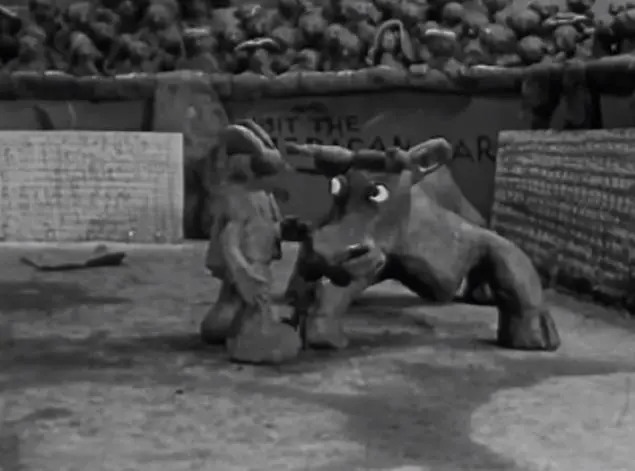
In the climax of Long Live the Bull, the protagonist enters the ring but quickly realizes he is not a fighter. Things do not go as planned. Instead of a heroic victory, the scene descends into chaos, proving that love cannot magically grant a musician the skills of a matador. It is a subversion of the typical romantic ending.
The direction is static. Most scenes consist of two people standing in a medium shot, talking. There is very little use of the camera to tell the story visually.
Compare this to the experimental camera work in Blind Chance. Even though that is a much later film, the principles of visual storytelling remain the same. Long Live the Bull feels like it was directed by someone who was afraid to move the tripod.
The costume design is the only area where the film excels. The traditional Spanish attire is detailed and looks authentic. It’s just a shame that the people wearing the costumes don’t have anything interesting to do.
Even the titular bull seems bored. In the few shots where we see the animal clearly, it looks like it would rather be napping than participating in this cinematic disaster. It’s hard to build tension when your antagonist is visibly yawning.
Long Live the Bull is a fascinating failure. It is a movie that tries to be a sweeping romance but ends up being a cautionary tale about bad screenwriting. It works. But it's flawed. Deeply flawed.
If you are looking for a masterpiece of silent cinema, go watch something else. If you are looking for a way to spend an hour laughing at the earnest mistakes of the past, then this might be for you.
Ultimately, the film is like its protagonist: it tries to do something brave and ends up looking slightly ridiculous in the middle of a dusty arena. It’s a 4/10 experience that is only saved by its short length and the beauty of its setting.
IMDb 7.2
1930
Community
Log in to comment.